






























For many people, Ayurveda is associated with herbs, oils, dietary changes, yoga, and lifestyle practices. Because these approaches are often perceived as “natural,” a common assumption follows: Ayurveda has no side effects.
The reality is more nuanced.
Like any healthcare system that uses biologically active substances and therapeutic interventions, Ayurveda can have side effects, risks, contraindications, and interactions. The important question is not whether side effects exist, but how those risks are understood, managed, and minimised through qualified practitioner supervision, appropriate product quality standards, and individualised care.
For anyone considering an Ayurvedic wellness getaway, an Ayurveda holiday in India, or a longer stay at a Kerala Ayurveda destination, understanding both the benefits and the limitations of Ayurvedic care is part of making an informed decision.
The Myth of “Natural Means Safe”
One of the most persistent misconceptions in health and wellness is that natural products are automatically safe.
They are not.
Many plant-derived substances have powerful physiological effects. Some modern prescription medicines originated from plants. The fact that a substance comes from nature tells us where it originated—not whether it is suitable for a particular individual, at a particular time, or alongside particular medications.
Health authorities in multiple countries caution that herbal products can cause adverse reactions, interact with medicines, and create risks when used without professional guidance.
This is not unique to Ayurveda. The same principle applies to herbal medicine, traditional Chinese medicine, dietary supplements, and many over-the-counter wellness products.
Potential Side Effects of Ayurvedic Herbs
Ayurvedic herbs are not inherently dangerous, but they are biologically active substances.
Depending on the herb, preparation, quality, and individual circumstances, side effects may include:
- Digestive discomfort
- Nausea
- Changes in bowel habits
- Headaches
- Drowsiness
- Allergic reactions
- Skin irritation
- Changes in appetite
The likelihood of side effects depends on several factors, including the person’s constitution, existing health conditions, concurrent medications, and the quality and formulation of the product being used.
This is one reason traditional Ayurvedic practice places significant emphasis on individual assessment rather than a one-size-fits-all approach.
Herb-Drug Interactions: An Often Overlooked Risk
One of the most important safety considerations in modern Ayurvedic practice is the possibility of herb-drug interactions.
A person may be taking medications for cardiovascular health, autoimmune conditions, thyroid disorders, mood disorders, or other chronic health concerns while simultaneously using herbal products.
In some cases, herbs may alter how medications are absorbed, metabolised, or eliminated from the body. In others, they may amplify or reduce the effects of prescription medicines.
For this reason, anyone taking regular medication should inform both their physician and their Ayurvedic practitioner about all treatments, supplements, and therapies they are using.
Good integrative care depends on transparency and communication between healthcare providers.
Quality Matters More Than Most People Realise
When discussions about Ayurvedic safety appear in Western media, they often focus on contamination concerns.
These concerns are not entirely unfounded.
Regulatory agencies including the U.S. Food and Drug Administration (FDA) and the U.S. National Center for Complementary and Integrative Health (NCCIH) have documented cases involving certain Ayurvedic products that contained unsafe levels of heavy metals such as lead, mercury, or arsenic. These cases are typically associated with poorly regulated, improperly manufactured, or inadequately tested products rather than with Ayurveda as a whole.
The lesson is not that all Ayurvedic products are unsafe.
The lesson is that quality assurance matters.
Consumers should seek products manufactured under recognised quality standards, sourced from reputable companies, and used under professional guidance rather than purchased solely on the basis of online marketing claims.
Can Ayurvedic Therapies Have Side Effects?
Herbs are only one part of Ayurveda.
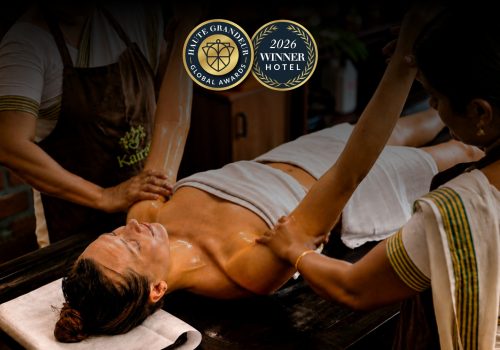
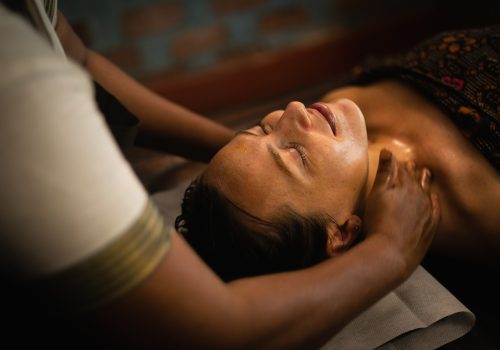
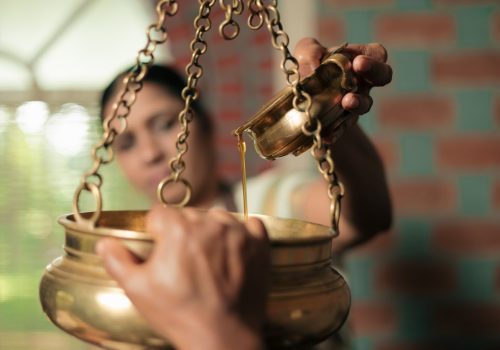
Therapies such as Abhyanga (oil massage), Swedana (therapeutic sweating), Shirodhara, and Panchakarma procedures are also commonly used.
Although generally well tolerated when appropriately prescribed, these therapies are not suitable for everyone.
Certain procedures may be inappropriate during pregnancy, acute illness, active infection, severe cardiovascular conditions, or other specific medical situations.
This is why traditional Ayurveda has always emphasised assessment before intervention.
A qualified practitioner does not begin with a treatment. They begin with an evaluation.
When Problems Usually Occur
In clinical settings, adverse experiences are often associated with one or more of the following:
Self-prescribing
Many people choose herbs based on social media recommendations, online articles, or anecdotal reports from friends.
What appears helpful for one individual may not be appropriate for another.
Unverified Products
The global wellness market contains products of widely varying quality. Products purchased from unknown online sellers may not provide the same assurance as those manufactured under recognised quality systems.
Ignoring Existing Medical Conditions
People sometimes assume herbal products are unrelated to conventional healthcare and therefore do not mention them to their doctors.
This can increase the risk of interactions and adverse effects.
Lack of Professional Supervision
Traditional Ayurvedic care was historically practitioner-guided. Problems are more likely when complex therapies or herbal protocols are undertaken without appropriate assessment.
What About Panchakarma?
Panchakarma is often misunderstood as a generic “detox.”
In classical Ayurveda, it is a structured and individualised therapeutic process conducted under supervision.
When performed appropriately, Panchakarma is preceded by assessment, preparation, monitoring, and follow-up. However, not every individual is a suitable candidate, and not every Panchakarma programme is conducted to the same standards.
Travellers considering an Ayurveda holiday in India should evaluate practitioner credentials, facility accreditation, and medical oversight before selecting a programme.
The quality of the setting can significantly influence both safety and experience.
Why Accreditation and Practitioner Credentials Matter
One way to reduce risk is to seek care from facilities that operate within recognised healthcare and quality frameworks.
At Kairali – The Ayurvedic Healing Village in Kerala, physician-led assessment forms part of the guest journey. The property is a NABH-accredited Ayurvedic hospital and holds the Government of Kerala’s Green Leaf certification, providing visitors with additional assurance around clinical governance and operational standards.
For international guests seeking an Ayurvedic wellness getaway, this distinction matters.
The question is not simply where to receive Ayurveda. The question is how that Ayurveda is delivered, who supervises it, and what quality systems are in place.
That is particularly relevant for travellers visiting a Kerala Ayurveda destination for the first time.
So, Is Ayurveda Safe?
A more accurate answer is this:
Ayurveda can be safe when practised responsibly, by qualified professionals, using appropriate products and therapies, within a framework that prioritises assessment, quality, and patient safety.
It can also carry risks when products are poorly manufactured, when therapies are used inappropriately, or when individuals self-prescribe without professional guidance.
The same principle applies across much of healthcare: the quality of the practitioner, the quality of the product, and the quality of the decision-making process matter.
The Bottom Line
Ayurveda is neither risk-free nor inherently unsafe.
The idea that Ayurveda has no side effects oversimplifies a complex medical tradition. Equally, reducing Ayurveda to isolated reports of poor-quality products ignores the importance of practitioner training, manufacturing standards, and responsible clinical practice.
For those exploring Ayurvedic wellness in Kerala, an Ayurveda holiday in India, or a longer therapeutic stay, the most important question is not whether side effects exist.
It is whether the care is being delivered thoughtfully, transparently, and under appropriate professional supervision.
That is where safety begins.
The risk depends on factors such as the individual’s health status, the quality of the product, existing medications, and whether treatment is supervised by a qualified practitioner.
Not all Ayurvedic products are suitable for long-term or unsupervised use. Safety depends on the formulation, the person’s needs, and professional guidance. Anyone taking prescription medications should discuss Ayurvedic products with both their physician and Ayurvedic practitioner.
Yes. Some Ayurvedic herbs may interact with prescription medications and affect how they work in the body. This is why it is important to disclose all supplements, herbs, and treatments to your healthcare providers.
Panchakarma is not appropriate for every individual or every health situation. A qualified Ayurvedic practitioner should assess whether a person is a suitable candidate before recommending any Panchakarma programme.
Choose qualified practitioners, use products from reputable manufacturers, follow professional guidance, and avoid self-prescribing complex herbal protocols. If you are planning an Ayurvedic wellness getaway or Ayurveda holiday in India, look for accredited facilities with physician-led care and established quality standards.