
























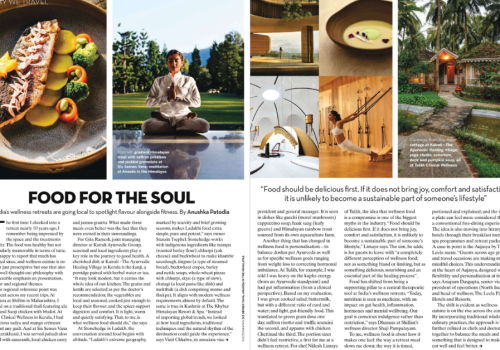




Why Ayurveda Still Matters in a Fast-Paced World
Modern wellness advice often comes packaged as a challenge, a reset, or a complete lifestyle overhaul. Most people do not need another complicated routine. What they need are practical habits they can maintain consistently.
This is one reason Ayurveda continues to resonate with people around the world. Rather than focusing on dramatic interventions, Ayurveda places emphasis on daily rhythms, mindful eating, sleep quality, movement, and self-awareness. Many of its foundational principles align with what contemporary health research increasingly highlights: consistency often matters more than intensity.
At Kairali – The Ayurvedic Healing Village, a physician-led Ayurveda destination in Kerala, guests frequently discover that meaningful change does not begin with extreme measures. It begins with small, sustainable adjustments that support long-term wellbeing.
1. Start With Routine, Not Perfection
One of Ayurveda’s central concepts is Dinacharya—a daily routine designed to support balance and predictability.
You do not need to wake at dawn or follow a highly structured schedule. A practical starting point is simply maintaining consistent times for:
- Waking up
- Eating meals
- Physical activity
- Going to sleep
Research on circadian rhythms continues to demonstrate the importance of regular sleep and meal timing for metabolic health, energy regulation, and overall wellbeing. Ayurveda recognised the value of daily rhythm centuries ago, and it remains one of the most accessible principles to apply today.
2. Make Lunch Your Main Meal
Many people consume their largest meal late in the evening. Ayurveda traditionally recommends making midday the primary meal of the day and keeping dinner lighter.
While individual needs vary, this approach often supports:
- Better digestion
- Reduced evening discomfort
- Improved sleep quality
- More stable energy levels
The goal is not restriction. It is paying attention to how meal timing affects how you feel.
3. Eat With Attention
Mindful eating is frequently discussed in modern wellness circles, but it has long been part of Ayurvedic practice.
Simple habits include:
- Eating without constant distractions
- Slowing down during meals
- Not rushing between meetings and food
- Paying attention to hunger and fullness cues
These small changes can help people develop a healthier relationship with food while supporting digestion and overall wellbeing.
4. Prioritise Sleep as a Health Practice
Ayurveda views sleep (Nidra) as one of the pillars of health.
Many wellness conversations focus on supplements, diets, and exercise plans while overlooking sleep quality. Yet poor sleep affects mood, concentration, recovery, appetite regulation, and energy.
Practical strategies include:
- Maintaining a consistent bedtime
- Reducing screen exposure before sleep
- Creating a calm evening routine
- Avoiding heavy late-night meals
For many people, improving sleep provides a stronger foundation than adopting multiple new wellness practices simultaneously.
5. Move Daily, Even If Briefly
Ayurveda does not require extreme fitness routines.
A daily walk, gentle stretching, yoga practice, or other forms of movement can support physical and mental wellbeing. The emphasis is on regularity rather than intensity.
The most effective form of movement is often the one you can maintain consistently.
6. Create Moments of Calm During the Day
Stress management is one area where traditional Ayurvedic practices remain highly relevant.
A few minutes of:
- Deep breathing
- Meditation
- Mindful walking
- Quiet reflection
can help create space between the demands of daily life and your body’s response to them.
These practices are not presented as medical treatments. Rather, they are tools that may support resilience and self-awareness when used consistently.
Ayurveda Is About Patterns, Not Perfection
One misconception is that Ayurveda requires a complete lifestyle transformation. In practice, many of its most valuable lessons are surprisingly simple.
You do not need to change everything at once.
You might begin by:
- Eating meals at more consistent times
- Taking a short walk after lunch
- Creating a better sleep routine
- Spending five minutes each day in quiet reflection
Small habits, repeated consistently, often have a greater impact than ambitious wellness plans that last only a few weeks.
Experience Ayurveda in Its Natural Setting
For travellers seeking a deeper understanding of these principles, Kerala remains one of the world’s most recognised centres for traditional Ayurveda.
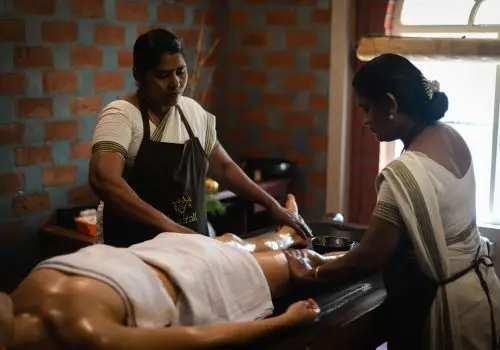
Located in Palakkad, Kerala, Kairali – The Ayurvedic Healing Village offers an immersive environment where guests can experience Ayurveda as a comprehensive system of health and lifestyle guidance rather than a collection of isolated treatments.
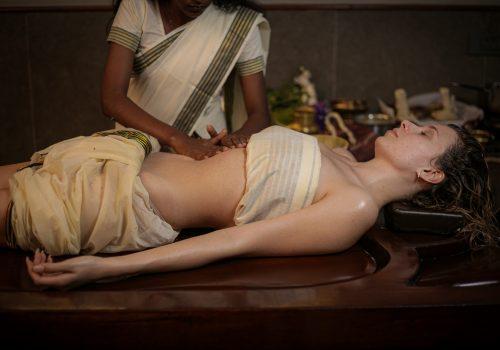
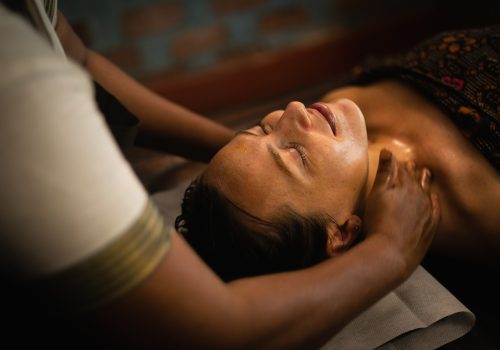
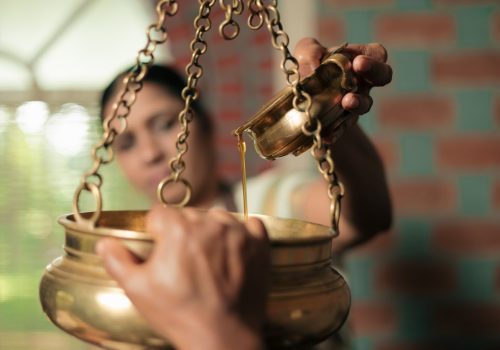
As a Palakkad Ayurveda retreat and recognised Kerala Ayurveda destination, Kairali combines physician-led consultations, traditional therapies, Ayurvedic cuisine, yoga, and lifestyle education within a NABH-accredited setting.
For international travellers considering an Ayurveda holiday in India, the experience offers an opportunity to step away from daily pressures and explore how sustainable wellbeing is built through routine, balance, and informed self-care.
A Practical Takeaway
The most useful Ayurvedic advice is often the simplest.
Instead of asking, “What is the perfect wellness routine?” consider asking:
“What is one healthy habit I can realistically maintain every day?”
That question sits at the heart of both Ayurveda and long-term wellbeing.
Some of the most practical Ayurvedic habits include maintaining regular meal times, prioritising sleep, taking a daily walk, eating mindfully, and creating short moments of calm through breathing exercises or meditation. Ayurveda emphasises consistency over perfection, making these habits accessible even for people with demanding schedules.
No. Ayurveda is not an all-or-nothing approach. Many people begin with one or two manageable changes, such as improving sleep habits or eating meals at consistent times. Sustainable lifestyle adjustments are often easier to maintain than major overhauls.
Kerala has a long-established tradition of Ayurvedic practice, physician training, herbal medicine preparation, and Panchakarma therapies. Many travellers choose Kerala because it offers access to experienced practitioners and specialised Ayurvedic centres in an environment that supports rest and recovery.
An Ayurveda holiday typically combines personalised consultations, Ayurvedic therapies, tailored meal plans, yoga, and lifestyle guidance. At a physician-led retreat such as Kairali – The Ayurvedic Healing Village in Palakkad, guests are introduced to practical wellness practices that can be continued after returning home.
A holistic wellness retreat focuses on supporting physical, mental, and lifestyle wellbeing rather than sightseeing alone. Programmes often include structured daily routines, nutritious meals, movement practices, relaxation techniques, and educational sessions designed to help guests develop healthier long-term habits.