














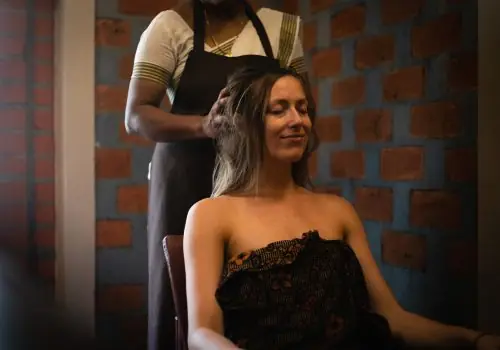







Every summer, lifestyle publications rediscover traditional South Indian beauty rituals: coconut oil for hair, sandalwood pastes for overheated skin, cooling foods, herbal baths, and early-morning self-care routines.
What is often missing from these conversations is context.
These practices were never designed simply to improve appearance. They emerged from a broader understanding of how climate, food, sleep, and daily habits influence wellbeing during periods of intense heat and humidity. In Ayurveda, summer is not merely a season to endure. It is a period that calls for adjustment.
For centuries, households across Kerala and South India adapted their routines during the hotter months through cooling foods, lighter schedules, herbal preparations, and changes in personal care practices. While many of these traditions remain part of everyday life, they also reflect principles that modern wellness conversations are increasingly rediscovering: hydration, skin-barrier protection, heat management, and recovery from environmental stress.
Why Summer Requires a Different Approach
Summer places unique demands on the body.
High temperatures can increase fluid loss, affect sleep quality, contribute to fatigue, and leave skin exposed to greater environmental stress. Modern dermatology recognises the importance of hydration, sun protection, and barrier support during warmer months. Similarly, Ayurveda traditionally recommends adapting diet, daily routine, and self-care practices to seasonal conditions.
The goal is not to pursue flawless skin. It is to support overall wellbeing so that skin, hair, and energy levels remain resilient despite heat and humidity.
Five Traditional South Indian Summer Practices Worth Understanding
1. Coconut Oil as a Seasonal Staple
Coconut oil has long been used throughout South India for both hair and skin care.
Traditionally, it is valued for its cooling nature and ability to reduce dryness caused by heat and frequent washing. Modern research has also explored coconut oil’s role in supporting the skin barrier and reducing moisture loss when used appropriately.
While coconut oil is not suitable for every skin type, particularly acne-prone skin, many people continue to use it as part of a simple summer hair-care routine.
2. Sandalwood-Based Skin Care
Sandalwood preparations have a long history in South Indian households.
Traditionally applied as a paste mixed with water or rose water, sandalwood has been used to provide a cooling sensation and comfort skin exposed to heat. Contemporary skincare consumers often seek similar benefits through products designed to calm irritation and support skin comfort.
It is important to note that cosmetic outcomes vary, and individuals with sensitive skin should patch-test any herbal preparation before use.
3. Seasonal Cooling Foods
Beauty routines are often discussed separately from nutrition, but traditional Ayurvedic thinking does not make this distinction.
Water-rich foods such as cucumber, ash gourd, tender coconut water, watermelon, and seasonal fruits have long formed part of summer diets across South India. These foods contribute to hydration while helping maintain appetite during periods of extreme heat. Ayurveda traditionally recommends lighter meals and adequate hydration during hot weather.
4. Earlier Daily Rhythms
One overlooked aspect of traditional summer living is timing.
Across Kerala and other parts of South India, many outdoor activities historically took place during the cooler parts of the day. Modern research continues to highlight the importance of sleep quality, circadian rhythms, and avoiding excessive heat exposure.
A summer wellness routine may benefit as much from earlier mornings, adequate rest, and reduced midday exposure as from any skincare product.
5. Herbal Bathing Traditions
Many South Indian households have historically used herbal bathing powders instead of conventional soaps for certain occasions or seasons.
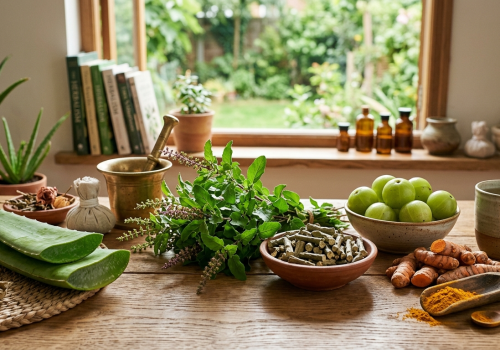
These preparations often included ingredients such as green gram, vetiver, turmeric, or fragrant herbs. While evidence for specific cosmetic benefits varies, the broader principle remains relevant: choosing gentle cleansing practices that do not excessively strip the skin barrier during hot weather.
Beyond Beauty: The Ayurvedic View of Summer Wellbeing
The modern beauty industry frequently treats skin, hair, sleep, digestion, and stress as separate categories.
Ayurveda approaches them as interconnected.
A person experiencing poor sleep, inadequate hydration, digestive discomfort, or chronic stress may also notice changes in skin comfort, scalp health, or overall vitality. For this reason, seasonal wellbeing is traditionally addressed through a combination of diet, routine, rest, movement, and personal care practices rather than through topical products alone.
This perspective increasingly resonates with travellers seeking a more integrated approach to wellness.
Experiencing Ayurveda in Its Place of Origin
For many international visitors, reading about Kerala’s traditions eventually leads to a deeper question: what does a structured Ayurvedic lifestyle actually look like in practice?
This is one reason Kerala continues to attract visitors interested in authentic wellness experiences. As a recognised Kerala Ayurveda destination, the state offers an opportunity to experience Ayurvedic principles within the climate, food culture, and therapeutic traditions that shaped them.
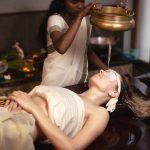
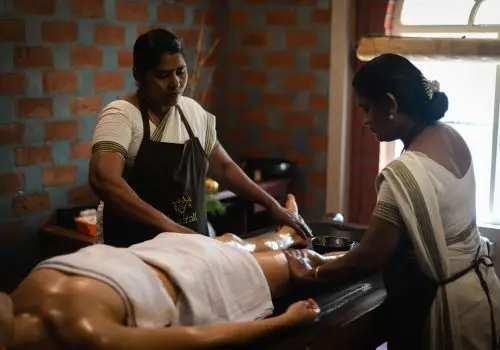
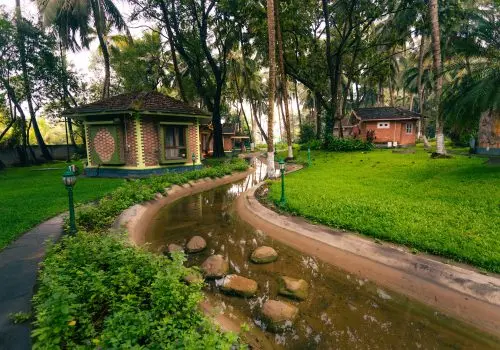
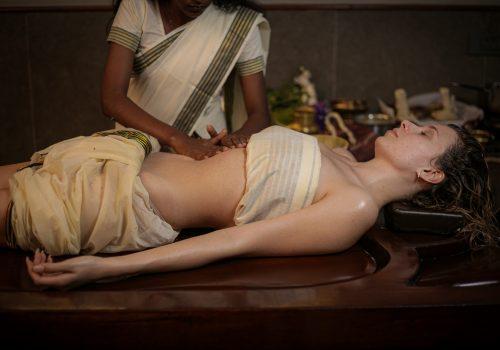
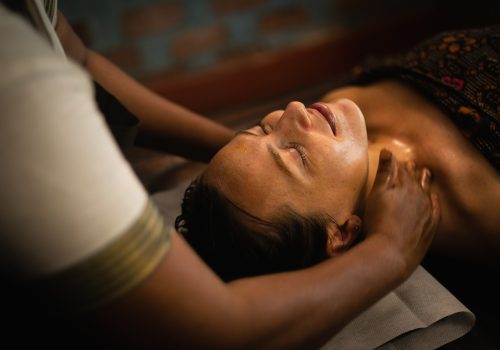
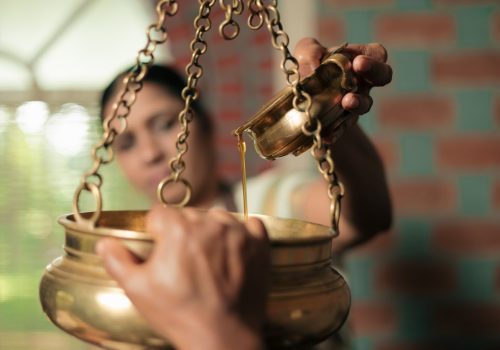
At Kairali – The Ayurvedic Healing Village, seasonal routines remain an important part of the guest experience. Physician-led programmes incorporate elements of diet, daily rhythm, personalised therapies, and lifestyle guidance that reflect classical Ayurvedic principles while operating within a modern healthcare setting. Kairali is a NABH-accredited Ayurvedic hospital and holds the Government of Kerala’s Green Leaf classification.
For travellers seeking a holistic wellness retreat, the value often lies not in a single treatment but in experiencing how multiple aspects of daily life work together to support recovery and wellbeing.
What Travellers Are Looking For Today
Interest in wellness travel continues to evolve.
Increasingly, travellers are moving beyond spa treatments and looking for experiences that combine education, preventive health, rest, and lifestyle change. This has contributed to growing interest in Ayurvedic wellness Kerala experiences and longer-stay programmes that emphasise sustainable habits rather than quick results.
For international visitors planning an Ayurveda holiday India, Kerala remains one of the most established destinations because of its concentration of Ayurvedic practitioners, treatment traditions, and institutional infrastructure.
The Takeaway
South India’s summer rituals are often presented as beauty secrets. In reality, they are part of a broader philosophy of seasonal adaptation.
Whether it is choosing lighter foods, protecting the skin from excessive heat, improving sleep, or adopting a calmer daily rhythm, these practices reflect an understanding that wellbeing changes with the seasons.
The most enduring lesson may be the simplest one: healthy skin and healthy hair are often the visible outcomes of a lifestyle that supports overall health—not the other way around.
Book Free doctor consultation now at +91-9555156156 or visit www.ktahv.com