
























When people search for Ayurveda online, they often encounter two very different narratives. One presents Ayurveda as a wellness trend centred on oils, massages, and relaxation. The other presents it as a complete traditional system of health with its own diagnostic methods, therapeutic approaches, and understanding of wellbeing.
The reality lies closer to the second description.
Ayurvedic treatment is not a single therapy, a herbal supplement, or a spa experience. It is a personalised approach to health that combines physician assessment, dietary guidance, lifestyle modification, herbal preparations, and, when appropriate, specialised therapies such as Panchakarma. Its purpose is not simply to address symptoms in isolation but to understand the broader patterns that may be influencing a person’s wellbeing.
For international travellers considering an Ayurveda holiday in India, understanding what Ayurvedic treatment actually involves can help separate evidence-based expectations from marketing claims.
What Is Ayurveda?
Ayurveda is a traditional medical system that originated in the Indian subcontinent and has been practised continuously for more than two millennia. The word Ayurveda combines two Sanskrit terms: Ayus (life) and Veda (knowledge or science), often translated as “the knowledge of life.”
Classical Ayurvedic texts describe health as a dynamic state influenced by multiple factors, including diet, sleep, daily routines, environmental conditions, digestion, and mental wellbeing. Rather than focusing exclusively on disease, Ayurveda places significant emphasis on maintaining balance and preventing future health challenges.
Today, Ayurveda continues to be practised throughout India and has attracted growing international interest among travellers seeking structured wellness programmes that extend beyond conventional spa experiences.
What Does Ayurvedic Treatment Involve?
One of the most common misconceptions is that Ayurvedic treatment begins with therapy. In reality, treatment begins with assessment.
A qualified Ayurvedic physician typically evaluates several aspects of a person’s health, including:
- Current symptoms and concerns
- Medical history
- Lifestyle habits
- Sleep patterns
- Digestive function
- Stress levels
- Dietary preferences
- Individual constitutional characteristics (Prakriti)
This assessment informs a personalised treatment plan.
Depending on the individual’s circumstances, an Ayurvedic programme may include:
Dietary Recommendations
Food occupies a central role in Ayurvedic practice. Recommendations are tailored to the individual rather than applied universally.
Rather than promoting a single “Ayurvedic diet,” practitioners consider factors such as digestion, season, climate, activity level, and overall health goals when making dietary recommendations.
Lifestyle and Daily Routine
Ayurveda places considerable importance on daily habits.
Sleep schedules, meal timing, movement practices, relaxation techniques, and seasonal adjustments may all form part of a broader treatment plan.
Many people are surprised to discover that lifestyle modification often plays as important a role as therapies themselves.
Herbal Preparations
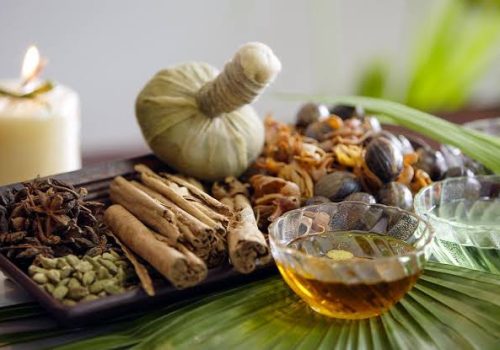
Ayurvedic practitioners may recommend classical or proprietary herbal formulations where appropriate.
It is important to note that herbal recommendations are individualised. The same preparation may not be suitable for everyone, and quality standards matter significantly.
For this reason, travellers should seek care from qualified practitioners and facilities that maintain recognised clinical and manufacturing standards.
Therapeutic Procedures
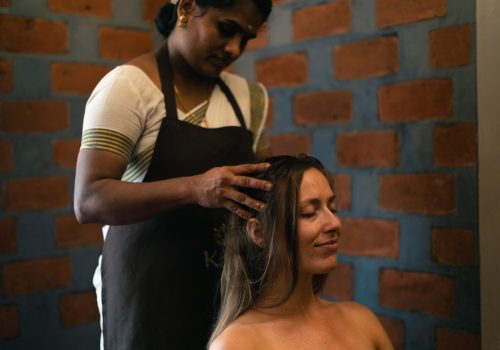
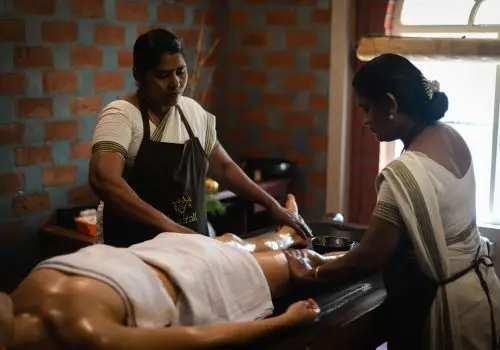
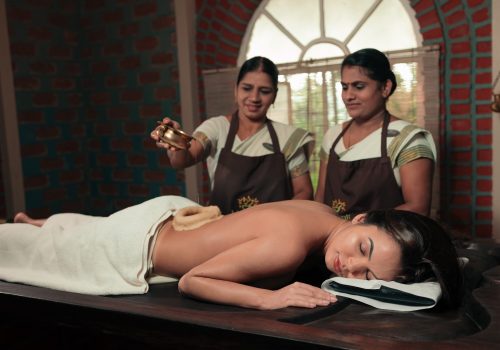
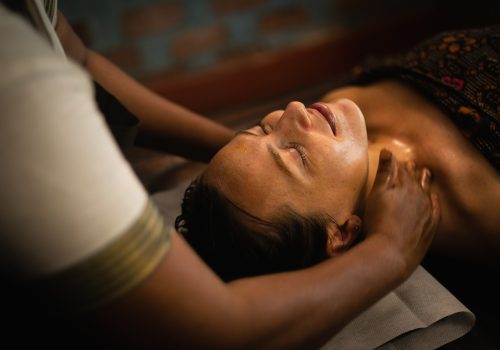
Certain treatment plans may include external therapies such as:
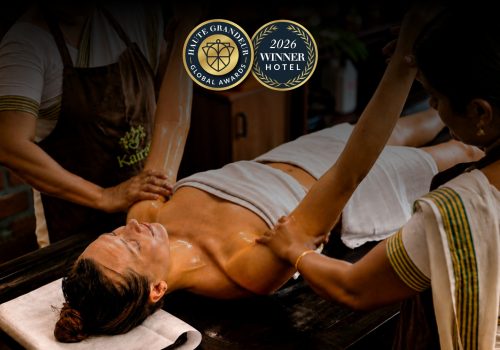
- Abhyangam (therapeutic oil application)
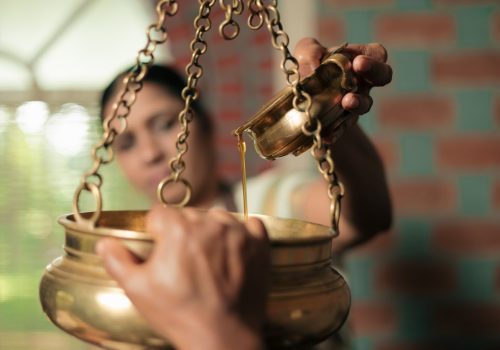
- Shirodhara
- Swedana (heat therapies)
- Udvartana
- Nasya
- Basti and other Panchakarma procedures
These therapies are typically used as part of a broader treatment strategy rather than as standalone wellness experiences.
Is Panchakarma the Same as Ayurvedic Treatment?
Not exactly.
Panchakarma is one component of Ayurveda, not a synonym for it.
In classical Ayurvedic practice, Panchakarma refers to a group of specialised cleansing and restorative procedures performed under professional supervision.
While Panchakarma has become one of the most recognised aspects of Ayurveda internationally, not every individual requires Panchakarma, and not every Ayurvedic treatment programme includes it.
A qualified physician determines whether such procedures are appropriate based on the individual’s health status, goals, and clinical assessment.
What Conditions Do People Commonly Seek Ayurvedic Care For?
People pursue Ayurvedic care for many different reasons.
Some seek support during periods of high stress. Others are interested in improving sleep quality, developing healthier routines, supporting recovery from burnout, improving overall wellbeing, or taking time away from demanding professional schedules.
It is important to understand that Ayurvedic treatment should not be viewed as a substitute for emergency medical care or specialist treatment where conventional medical intervention is required.
Responsible Ayurvedic practice recognises the value of integrative healthcare and appropriate referral when necessary.
Why Are International Travellers Choosing Ayurveda Holidays in India?
Over the past decade, India has become one of the world’s leading wellness tourism destinations.
For many international visitors, the appeal extends beyond relaxation.
An Ayurveda holiday in India offers access to:
- Experienced Ayurvedic physicians
- Structured wellness programmes
- Traditional therapeutic practices
- Purpose-built healing environments
- Opportunities for lifestyle reset away from everyday pressures
Unlike many destination spas, physician-led Ayurvedic retreats typically begin with clinical consultation and ongoing supervision throughout the stay.
This distinction is often important for travellers seeking a more comprehensive wellness experience rather than a purely recreational retreat.
What Should You Look for in an Ayurvedic Retreat?
Not all Ayurveda retreats operate to the same standards.
When evaluating options, international travellers should consider:
Practitioner Qualifications
Look for facilities where treatment plans are supervised by qualified Ayurvedic physicians with recognised credentials.
Accreditation
Accreditation provides an additional level of assurance regarding quality and clinical standards.
Individualisation
Authentic Ayurvedic treatment is personalised. Programmes that offer identical protocols for every guest may not reflect Ayurveda’s traditional emphasis on individual assessment.
Transparency
Reputable centres provide realistic expectations regarding what guests can expect during their stay and avoid exaggerated outcome claims.
The Kairali Approach to Ayurvedic Treatment
For travellers exploring a holistic wellness retreat in India, one example of a physician-led approach can be found at Kairali – The Ayurvedic Healing Village in Kerala.
Founded in 1989 and drawing on a multi-generational family lineage in Ayurvedic practice, Kairali combines traditional Ayurvedic principles with contemporary hospitality standards.
The retreat is a NABH-accredited Ayurvedic hospital and holds the Government of Kerala’s Green Leaf Certification, reflecting recognised standards within the Ayurvedic sector.
Programmes at Kairali begin with physician consultation and are designed around the individual’s health profile, goals, and treatment requirements. Depending on the programme, guests may receive a combination of dietary guidance, therapeutic procedures, lifestyle recommendations, and ongoing physician oversight.
For international guests from the UK, Germany, the GCC, the United States, and other markets, this physician-led structure often provides a more comprehensive introduction to Ayurveda than a conventional wellness resort experience.
Is Ayurvedic Treatment Right for Everyone?
Ayurvedic treatment is not a universal solution, and responsible practitioners do not present it as one.
Individuals with complex medical conditions should consult their healthcare providers and qualified Ayurvedic practitioners before beginning any treatment programme.
What Ayurveda can offer is a structured framework for examining how daily habits, diet, environment, and lifestyle influence overall wellbeing.
For many people, particularly those navigating stress, demanding work schedules, disrupted routines, or the cumulative effects of modern life, that broader perspective is part of the appeal.
Final Thoughts
People searching online for the best ayurveda treatment in India are often looking for more than a therapy. They are looking for a deeper understanding of health, a break from routine, and practical ways to support long-term wellbeing.
Ayurvedic treatment is best understood not as a single intervention but as a personalised process. Its effectiveness depends on careful assessment, qualified supervision, realistic expectations, and active participation from the individual.
For those considering a holistic wellness retreat or an Ayurveda holiday in India, understanding these principles is the first step toward making an informed decision.
Ayurvedic treatment is a personalised approach to health that may include dietary guidance, lifestyle recommendations, herbal preparations, and therapeutic procedures. Treatment plans are typically tailored to an individual’s needs following an assessment by a qualified Ayurvedic practitioner.
No. Panchakarma is one component of Ayurveda. While some Ayurvedic programmes include Panchakarma procedures, Ayurvedic treatment can also involve diet, lifestyle changes, herbal support, and other therapies depending on the individual’s requirements.
The duration varies based on a person’s goals and the type of programme recommended. Some people seek short wellness retreats, while others choose longer physician-guided programmes that allow for a more comprehensive approach.
Many travellers choose India because it offers access to experienced Ayurvedic physicians, traditional therapeutic practices, and specialised wellness centres where programmes are delivered in a structured and supervised environment.
Look for qualified practitioners, recognised accreditation, personalised treatment plans, and transparent communication about what the programme involves. A reputable centre should provide realistic expectations and physician oversight where appropriate.