

























I meet patients every week who feel overwhelmed by sugar swings, cravings, sleep issues and constant fatigue. On World Diabetes Day (14 November), I want to remind you that small, steady changes—in food, movement, sleep and stress—can stabilise energy and support healthier blood sugar. Ayurveda calls diabetes Madhumeha/Prameha, a metabolism and digestion imbalance. When we restore agni (digestive fire), lighten kapha, calm pitta, improve sleep and lower stress, patients report better post-meal steadiness and vitality. In this guide, I’ll share a practical plan you can start today, plus time-tested Ayurvedic supports. Work with your physician; track your numbers; and progress gently, week by week.” — Dr. Deepu John Senior Ayurvedic Practitioner
Why diabetes feels hard—everyday issues most people face
- Energy crashes & brain fog: Irregular meals, ultra-processed snacks, and poor sleep push erratic glucose patterns.
- Cravings & portion creep: Sugary drinks, refined flours, and late dinners drive hunger signals.
- Sedentary workdays: Long sitting reduces insulin sensitivity; short movement bursts help.
- Stress & poor sleep: Cortisol and sleep loss impair glucose handling.
- Digestive sluggishness: Low-fibre diets disturb gut balance and post-meal responses.
Ayurvedic lens: Excess kapha, aggravated pitta, weakened agni, and depleted ojas contribute to sugar imbalance. The goal is to rekindle digestion, reduce heaviness, and build resilience.
A practical, natural plan to support healthy blood sugar
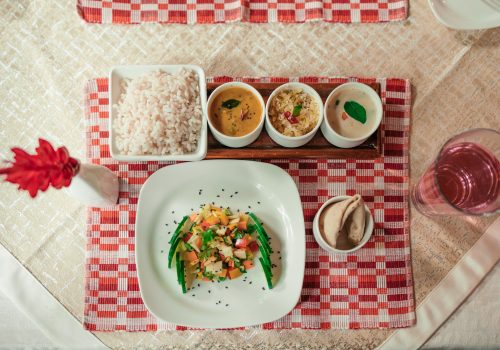
1) Build a steady plate (the 3-2-1 method)
- 3 parts vegetables: at least half non-starchy (leafy greens, cucumber, gourds, crucifers); include 1 part fibre-rich vegetables (okra, ridge gourd, beans).
- 2 parts protein: dal/legumes, paneer/tofu, eggs, fish or lean meats as per diet; combine with spices to improve digestion.
- 1 part smart carbs: small portions of hand-pounded rice, millets (foxtail, little, barnyard), quinoa, or whole-wheat roti. Prefer early dinners (by 7:30–8:00 pm where possible).
Helpful spices & add‑ons:
- Fenugreek (methi) seeds: soak 1 tsp overnight; chew in the morning or add to dal/sabzi.
- Cinnamon (dalchini) & turmeric (haldi) with pepper: support post-meal comfort.
- Amla and bitter gourd (karela); jamun seed powder (as advised by your physician).
- Healthy fats: ghee/olive oil in small amounts to slow glucose spikes.
2) Move in small, frequent bursts
- Walk 10–15 minutes after meals (especially lunch/dinner).
- Aim for 6–8k steps/day and 2–3 short strength sessions/week (squats, wall push-ups, resistance bands).
3) Sleep & stress reset
- Wind-down routine: lights down, screens off 60 minutes before bed; magnesium-rich foods (pumpkin seeds), chamomile/tulsi tea.
- Breathwork (10 minutes/day): Nadi Shodhana and Bhramari to lower stress load.
- Morning sunlight for 5–10 minutes to anchor circadian rhythm.
4) Gentle yoga selections
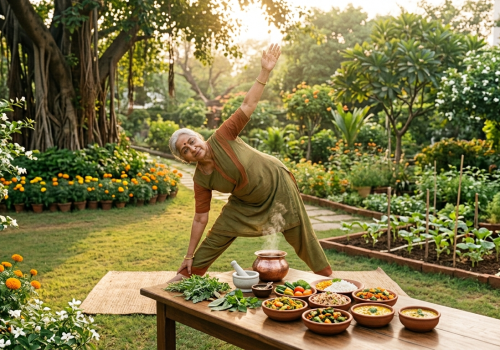
- Vajrasana (5–10 mins after meals), Ardha Matsyendrasana, Setu Bandhasana, and comfortable rounds of Surya Namaskar as your stamina allows. Practice under guidance if you’re new or have complications.
Ayurvedic herbal supports (to discuss with your physician)
Herbs can complement—not replace—prescribed medication and medical advice. Always monitor sugars and consult your doctor before starting anything new.
- Nishakathakadi Kashayam (decoction): A classical formulation traditionally used in Ayurveda to support metabolic balance and digestion & is also used to manage diabetes, pre-diabetes, and related complications
- Nishakathakadi Kashyam Tablet: Tablet form for those who prefer convenience while seeking the same traditional profile.
- Nisothamadi Kashayam Tablet: Traditionally referenced for balancing digestion, fluids and regular elimination—factors that influence overall metabolic comfort.
- Diaspa Capsules: A contemporary Ayurvedic blend formulated by Kairali to support healthy glucose metabolism and daily energy alongside diet and exercise.
Usage & safety: Follow the pack label or practitioner guidance. Track fasting, post‑meal readings and HbA1c with your physician, especially if you’re on anti-diabetic medication, to individualise your plan.
7‑day starter routine (saveable checklist)
Day 1: Swap breakfast to eggs/gram chilla/curd + seeds; 10‑minute post-meal walk.
Day 2: Add salad + sabzi before carbs at lunch; 2 sets of bodyweight squats.
Day 3: Soak 1 tsp methi; practise 10 mins Nadi Shodhana.
Day 4: Early dinner; sit in Vajrasana for 5–10 mins after.
Day 5: Strength mini‑circuit (push‑ups on wall, chair squats, rows with band).
Day 6: Bitter gourd sabzi or jamun seed (as advised); sunset walk.
Day 7: Review week; plan groceries; prep spice mixes; set alarms for short movement breaks.
Subtle product guidance (choose what fits your plan)
- Prefer liquid decoction? Discuss Nishakathakadi Kashayam with your physician for a traditional approach.
- Prefer tablets? Nishakathakadi Kashyam Tablet or Nisothamadi Kashayam Tablet offer convenience.
- Seeking a daily metabolic support formula with multiple herbs? Explore Diaspa Capsules as part of a supervised regimen.
FAQs (people also ask)
Can Ayurveda cure diabetes?
Ayurveda focuses on root‑cause balance—food timing, digestion, movement, sleep, and stress. It aims to support metabolic health. Work with your diabetologist; we do not advise stopping prescribed medicines.
Are Ayurvedic herbs safe with my diabetes medicines?
Many people use them under supervision. However, interactions are possible. Monitor readings and consult your physician before starting; adjust only under medical advice.
How soon will I feel a difference?
Most people notice steadier energy and better post‑meal comfort within weeks when they combine food, movement, sleep and stress care. Lab markers are reviewed over months with your doctor.
Which is better—Kashayam liquid or tablets?
Similar intent; choose based on practitioner guidance and convenience.
Final Thougths
This World Diabetes Day is a reminder that small, consistent choices—balanced meals, gentle movement after eating, better sleep, and daily stress care—can steadily support healthier blood sugar and more reliable energy. From an Ayurvedic lens, nurturing digestion (agni), lightening kapha, and restoring routine are simple but powerful levers you can start today alongside your doctor’s advice and regular monitoring. Traditional supports like Nishakathakadi Kashayam (liquid or tablet), Nisothamadi Kashayam Tablet, and contemporary blends like Diaspa Capsules may be considered under practitioner guidance to complement lifestyle changes. There’s no quick fix, but there is a calmer, more sustainable path forward—one built on informed choices, steady habits, and personalised care.
About the Author
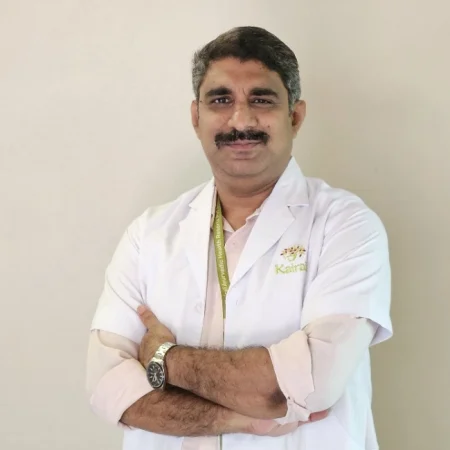
Dr. Deepu John is a highly respected Ayurvedic physician serving as the Chief Physician and Head of Department at Kairali – The Ayurvedic Healing Village. With over 12 years of dedicated clinical experience, Dr. Deepu is known for his profound diagnostic acumen, deep-rooted knowledge of Ayurvedic principles, and a compassionate, personalized approach to healing.
Dr. Deepu believes that true healing comes from understanding the root cause of illness and restoring internal balance—not just treating symptoms. His patient consultations are comprehensive, combining classical Ayurvedic diagnostics (Nadi Pariksha, Darshana, Prashna) with modern wellness insights. He emphasizes preventive care, dietary wisdom, and mind-body harmony as cornerstones of lifelong wellness.