























Travelling alone for an Ayurvedic retreat can be deeply restorative, but choosing the right centre requires more than attractive photographs and a long list of therapies.
For solo women, the most important questions are practical. Is the retreat medically supervised? Are women-only therapists available? How are emergencies handled? Is the accommodation secure? Will the programme be adapted to the individual, or is every guest placed on the same schedule?
A well-run Ayurvedic retreat should be able to answer these questions clearly.
This guide explains what solo women should look for when choosing an Ayurvedic retreat in Kerala, and how Kairali, The Ayurvedic Healing Village approaches safety, clinical care, privacy, food, yoga and aftercare.
Begin with safety and privacy
Safety should be one of the first areas to assess, not an afterthought.
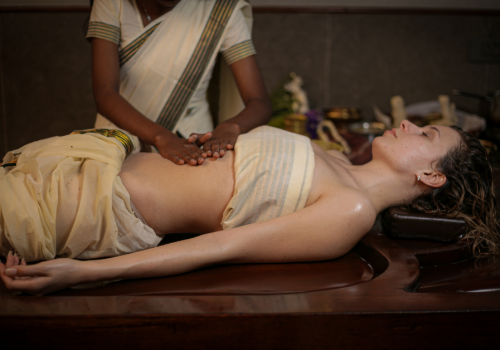
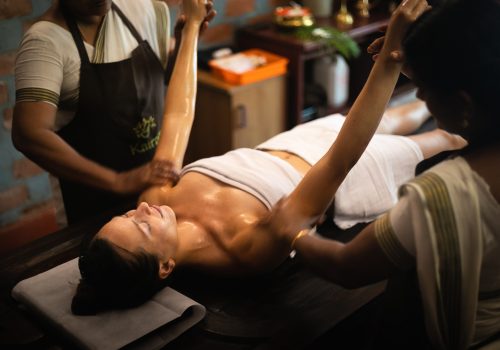
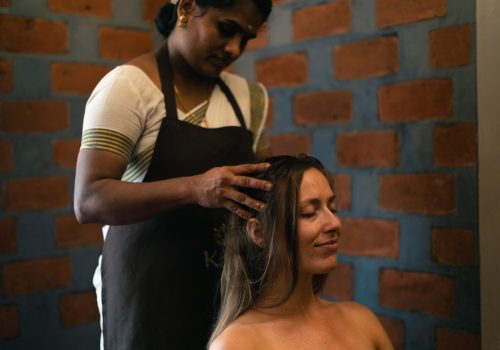
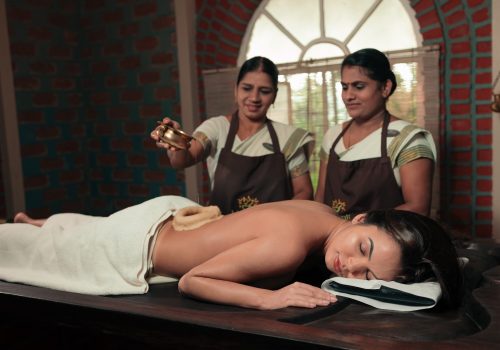
Ask whether women-only therapists are available on request and how personal boundaries are managed during treatments. A reputable retreat should explain its procedures clearly and allow guests to communicate preferences before and during the programme.
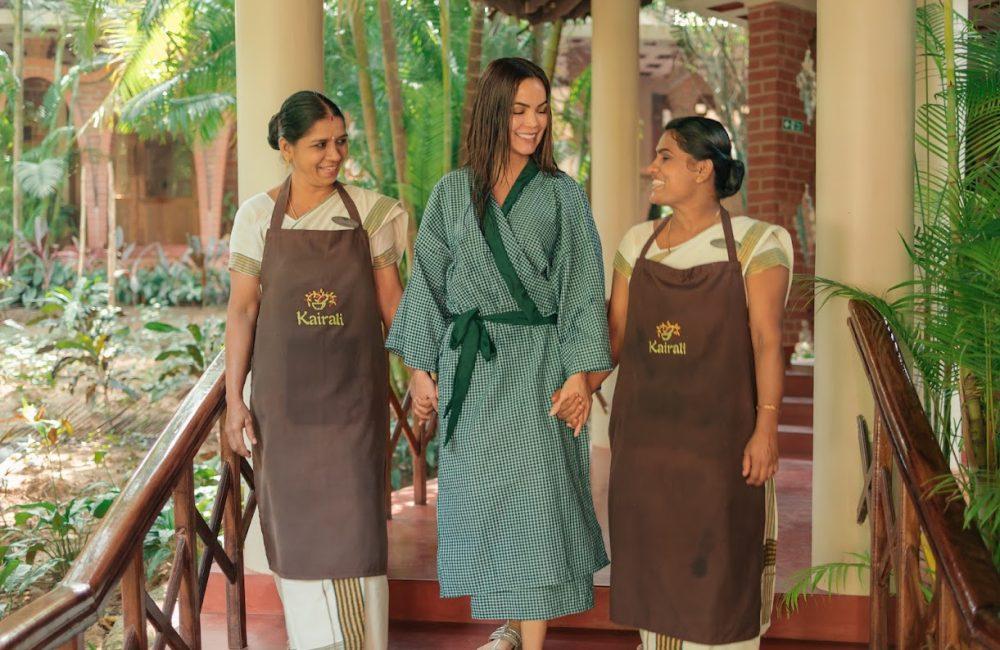
At Kairali, women-only therapists can be arranged on request. The property also has night security, CCTV monitoring in designated public areas, lockable accommodation and access to female first responders.
Guests should also know what to do if they have a concern. A clear grievance and emergency procedure is important, particularly for someone travelling alone. The process should be discreet, easy to access and explained at the beginning of the stay.
Before booking any retreat, ask:
- Who should I contact outside normal hours?
- How are medical or personal concerns escalated?
- Is transport support available in an emergency?
- Can I request a woman therapist?
- Are rooms and villas independently lockable?
Clear answers are a sign that guest safety is treated as part of the retreat’s operating standards.
Look for physician-led care
Ayurveda is an individualised medical system. A retreat offering Panchakarma or other supervised therapies should therefore operate under qualified clinical oversight.
At Kairali, the process begins with a pre-arrival teleconsultation. This allows the physician team to review the guest’s medical history, current medications, health concerns and expectations before arrival.
Once the guest reaches the centre, care includes daily physician reviews. Vitals and symptoms may be monitored as part of the clinical process, and treatment decisions can be adjusted when required.
Medication review is particularly important. Guests should never stop or alter prescribed medication simply because they are beginning an Ayurvedic programme. The clinical team should understand what the guest is taking and identify any areas that require caution or coordination with the treating physician.
A responsible retreat should also have:
- a documented informed-consent process;
- clear contraindication checks;
- procedures for pausing or stopping a therapy;
- an escalation pathway if symptoms change;
- a system for recording clinical observations.
These safeguards matter more than the number of therapies listed in a brochure.
Avoid fixed-duration promises
One of the most common mistakes in retreat marketing is presenting one duration as appropriate for everyone.
In Ayurveda, the length and intensity of a programme should depend on the individual’s constitution, current imbalance, strength, age, medical history and treatment goals.
A Panchakarma programme may require a longer stay for one guest and a different sequence for another. A shorter stay may focus on consultation, rest, food, routine and selected therapies rather than a full cleansing protocol.
There is no responsible universal rule that every guest requires the same number of nights.
When speaking with a retreat, ask how the proposed duration was decided. The answer should refer to clinical assessment, not a fixed package alone.
At Kairali, programme duration is determined according to the individual’s body constitution and clinical needs. The physician team assesses what is appropriate rather than applying the same plan to every guest.
Understand what Panchakarma actually involves
Panchakarma is often used loosely in wellness travel.
In classical Ayurveda, it refers to a structured and supervised process. It may include preparatory measures, the selected principal procedure and a carefully managed recovery period. Not every guest will need the same intervention, and not every Ayurvedic stay should be described as Panchakarma.
A credible retreat should be able to explain:
- which procedures are being considered;
- why they are suitable;
- how preparation is managed;
- what dietary or rest requirements apply;
- how recovery is supervised;
- what would cause the physician to modify the plan.
For a solo traveller, this clarity is especially important. A guest should never feel uncertain about what is happening next or why a therapy has been recommended.
Consider food as part of the programme
Food at an Ayurvedic retreat should not be treated as an optional wellness extra.
Meals are usually planned in relation to digestion, constitution, season and the wider treatment approach. They should support the programme without becoming overly restrictive or difficult to understand.
At Kairali, meals are seasonal and adapted to the individual’s dosha assessment and digestive capacity. Allergens are disclosed, portions are managed, and support is available for guests reducing caffeine and refined sugar.
Solo guests should ask whether:
- dietary requirements can be communicated before arrival;
- allergies and intolerances are documented;
- meals are explained rather than simply served;
- changes are made if digestion or appetite changes;
- food advice continues as part of aftercare.
A retreat should also be honest about what it can and cannot accommodate.
Choose yoga that supports the treatment plan
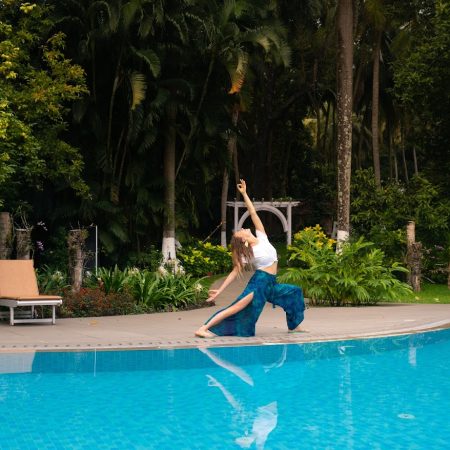
Yoga at an Ayurvedic retreat should complement the clinical programme.
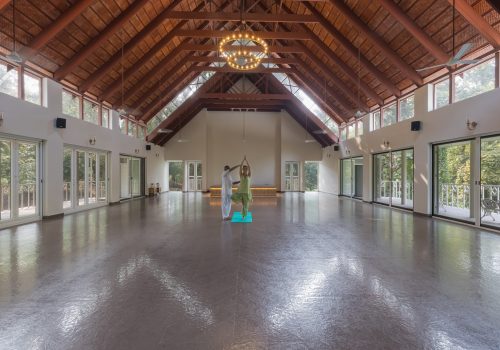
This may mean gentle movement, breathing practices, relaxation or modified sessions rather than intensive exercise. The appropriate level depends on the guest’s strength, treatment stage and physician advice.
At Kairali, yoga is adapted to the individual and can include menstrual-friendly modifications. This is important for women whose energy, comfort or mobility may vary during the stay.
Ask whether yoga teachers communicate with the clinical team and whether participation is adjusted on therapy days.
A retreat should not make guests feel pressured to attend every activity. Rest may sometimes be the more appropriate part of the programme.
Assess the setting, not just the room
For a solo stay, the design of the property affects both comfort and confidence.
A calm, walkable environment can allow guests to spend time alone without feeling isolated. Quiet zones, clearly marked paths, secure accommodation and responsive staff all contribute to the experience.
Kairali’s Palakkad campus includes nature-focused surroundings, walking paths, quiet areas and lockable accommodation. The setting is designed to allow privacy while keeping clinical and guest support accessible.
Before booking, it is useful to ask:
- How far is the accommodation from the treatment and dining areas?
- Is the property easy to navigate after dark?
- Are staff available at night?
- Are transfers arranged for solo arrivals and departures?
- Are there spaces for both quiet time and light social interaction?
The right balance is different for every traveller. Some women prefer near-complete privacy, while others value small group activities and shared meals.
Ask about aftercare before you arrive
A retreat should not end abruptly on the day of departure.
Aftercare helps guests understand how to reintroduce foods, adjust daily routines and continue relevant recommendations at home. Follow-up support also provides an opportunity to discuss questions that arise after the stay.
At Kairali, aftercare includes a discharge plan, follow-up consultation and guidance on the gradual reintroduction of food and routine.
Before booking, ask what form this support takes and how long it remains available. A clear answer suggests that the retreat sees the stay as part of a wider care process rather than an isolated package.
What solo women should ask before booking
A useful booking conversation should cover four areas.
Safety
Confirm the availability of women-only therapists, night security, CCTV in designated public areas, lockable accommodation, female first responders and an emergency or grievance procedure.
Clinical care
Ask about the pre-arrival consultation, daily physician reviews, symptom and vitals monitoring, medication review, informed consent and contraindication procedures.
Personalisation
Find out how the retreat decides programme duration, treatment sequence, food and yoga. The answer should be based on individual assessment.
Practical support
Confirm transfers, dietary arrangements, aftercare, night assistance and the main point of contact during the stay.
A centre that communicates clearly before arrival is more likely to maintain that clarity during the programme.
A more considered way to travel alone
A solo Ayurvedic retreat should offer both independence and support.
The guest should have enough privacy to rest, but should never feel uncertain about safety, treatment decisions or whom to contact. The programme should be medically supervised, individually planned and clearly explained.
Kairali – The Ayurvedic Healing Village approaches solo stays through physician-led care, women-only therapists on request, secure accommodation, night support, personalised food and yoga, and structured aftercare.
For women choosing an Ayurvedic retreat in Kerala, the most useful question is not which centre offers the most treatments. It is which centre can explain, in practical terms, how it will care for one individual from arrival to departure.
That is the standard worth looking for.
Book your doctor consultation now at +91-9555156156 or visit www.ktahv.com for more information.