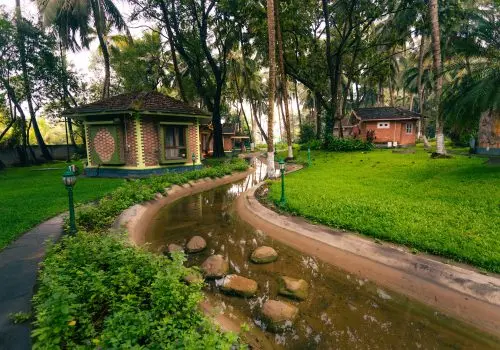



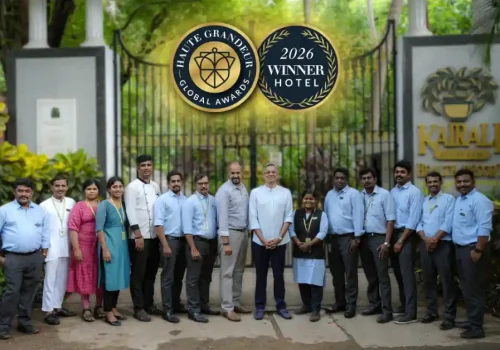







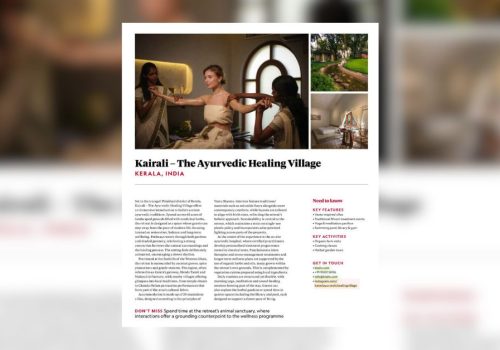







Kairali, The Ayurvedic Healing Village is located in Kodumbu, near Palakkad in Kerala.
It offers residential Ayurvedic care in a calm, green setting. Guests stay at the property while following a programme planned by Ayurvedic physicians.
The focus is not on a standard resort experience. It is on consultation, treatment, food, yoga, rest and daily routine.
Kairali operates as an NABH-accredited Ayurvedic hospital and holds the Government of Kerala’s Green Leaf Certification. These credentials relate to the standards used in the delivery of Ayurvedic care.
A personal approach to Ayurveda
Ayurveda does not use the same plan for everyone.
Before treatment begins, an Ayurvedic physician reviews the guest’s health, digestion, sleep, daily routine and medical history.
The physician may also assess:
- prakṛti, or natural constitution;
- vikṛti, or current imbalance;
- appetite and digestion;
- strength and energy;
- and suitability for specific therapies.
This assessment helps shape the programme.
The oils, treatments, food and daily schedule may differ from one guest to another.
More than a wellness resort
Many wellness resorts offer massage, yoga and relaxation as separate activities.
At Kairali, these elements are planned together.
A guest’s day may include:
- an Ayurvedic consultation;
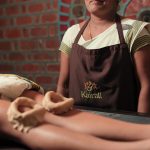
- physician-directed therapies;
- yoga or breathing practices;
- meals planned around the programme;
- rest periods;
- and follow-up reviews.
This structure allows the medical team to observe how the guest responds.
The programme can then be adjusted when needed.
How Panchakarma is used
Panchakarma is one of the best-known parts of Ayurveda.
It is often described as a detox. However, this is too simple.
Panchakarma may include preparation, a selected cleansing procedure and a recovery stage. The exact plan depends on the individual.
Before recommending Panchakarma, the physician considers:
- age;
- strength;
- digestion;
- current health;
- medical history;
- and the purpose of treatment.
Not every guest needs the same procedure.
Some people may require a gentler plan. Others may not be suitable for Panchakarma at all.
This is why Panchakarma should be carried out under qualified medical supervision.
The role of yoga
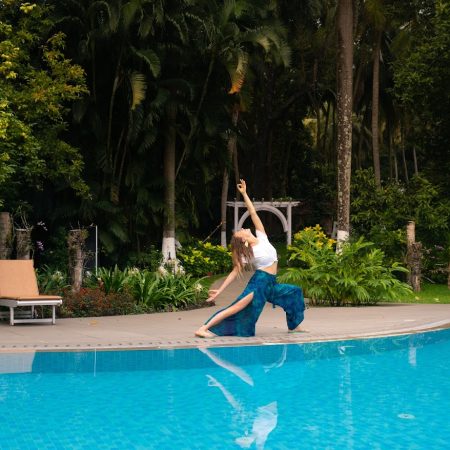
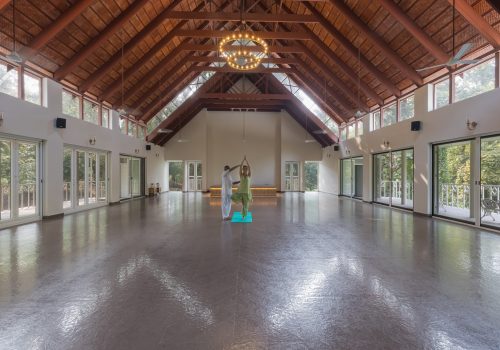
Yoga may be included as part of the daily programme.
Sessions can focus on movement, breathing and rest. The level is adjusted according to the guest’s health and physical ability.
Yoga is not used as a replacement for medical care.
It supports the wider programme where appropriate.
Simple practices may help guests become more aware of posture, breathing and daily habits.
Food as part of the programme
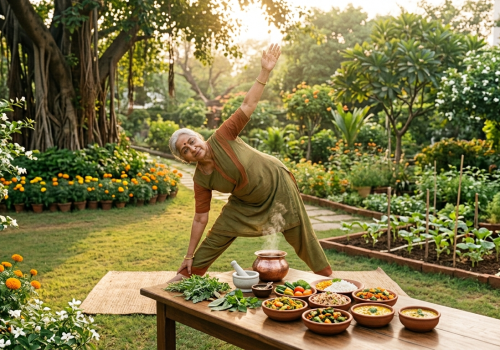
Meals at Kairali are planned around the treatment schedule.
Food may change during different stages of the programme. The medical and culinary teams consider appetite, digestion and tolerance.
This means that every guest may not receive the same menu.
Food is not treated only as part of hospitality. It is also part of the daily routine planned for the stay.
A setting that supports rest
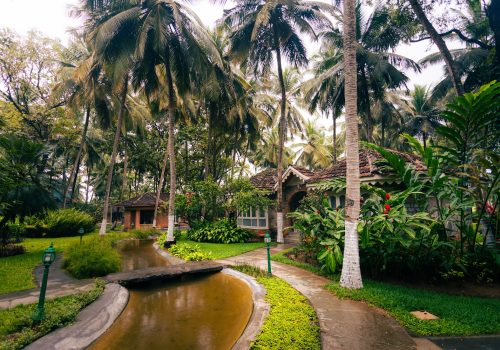
Kairali is surrounded by greenery in Palakkad.
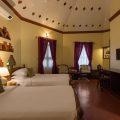
The property offers space for treatment, walking, meals and rest.
A quiet setting does not guarantee a health result. However, it can make it easier to follow a structured programme.
Guests can step away from work, travel and daily demands.
This also allows the medical team to review progress during the stay.
Care under medical supervision
Ayurvedic therapies should be carried out by trained professionals.
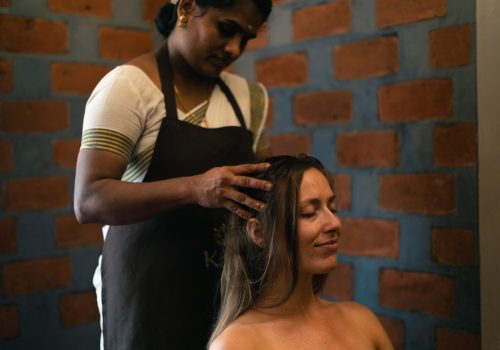
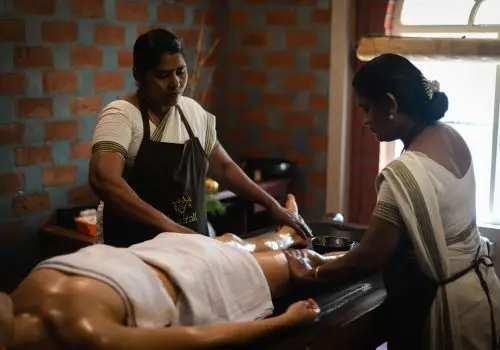
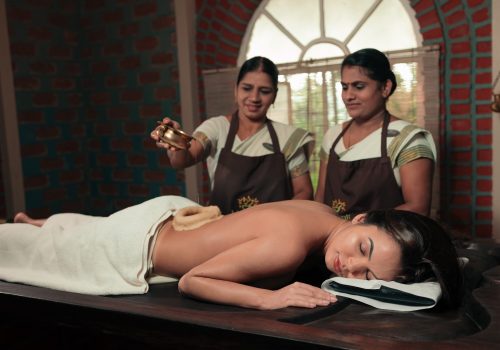
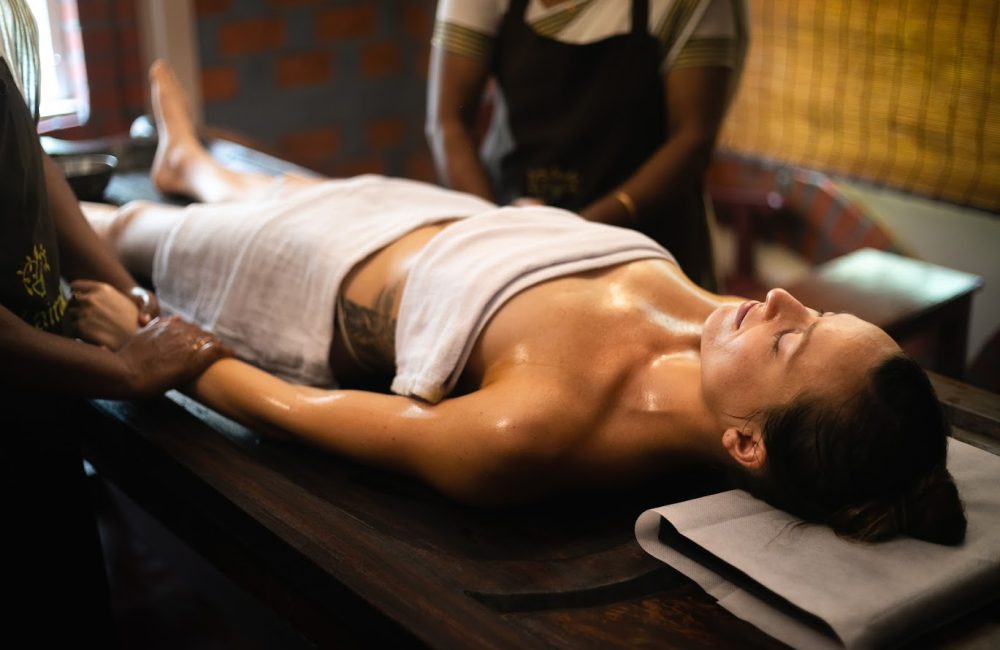
At Kairali, physicians assess the guest and plan the programme. Therapists then perform the procedures according to those instructions.
This distinction is important.
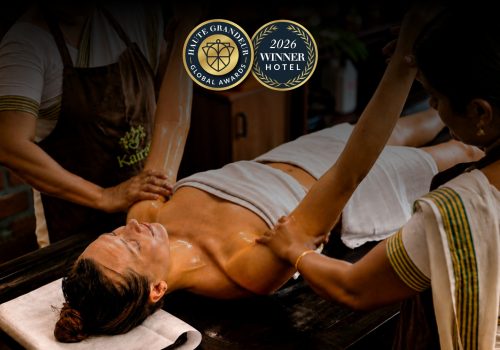
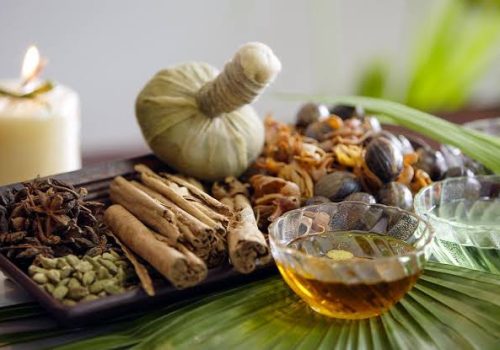
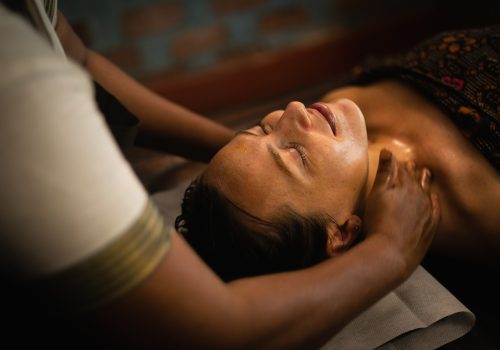
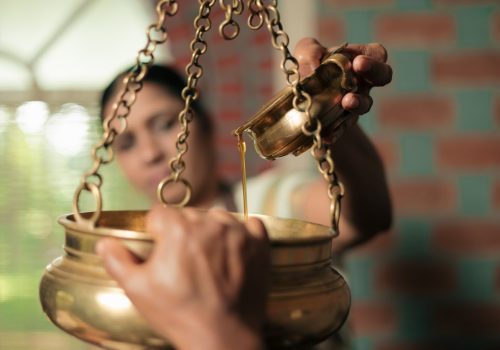
An Ayurvedic oil massage may feel relaxing. But in a clinical setting, the oil, method and duration may be chosen for a specific reason.
The same applies to herbal preparations and Panchakarma procedures.
They should not be used simply because they are described as natural.
A responsible programme must consider risks, contraindications and possible interactions with other medicines.
Kairali’s background
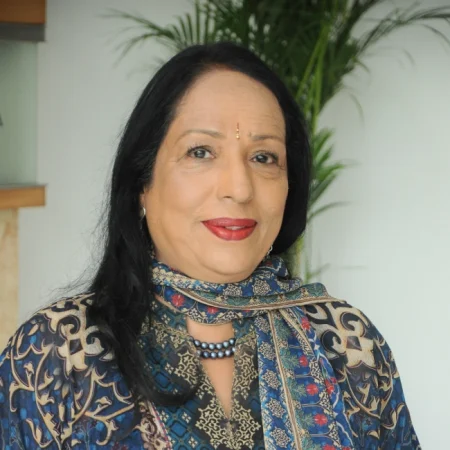
Kairali Ayurvedic Group was founded in 1989 by K.V. Ramesh and Gita Ramesh.
The Group draws on four generations of Ayurvedic practice in the founders’ family.
Kairali, The Ayurvedic Healing Village is the Group’s flagship property in Kerala.
Its model combines residential hospitality with physician-led Ayurvedic care.
Who may consider a stay?
A residential Ayurveda programme may suit people who want:
- time away from a demanding routine;
- a consultation-led wellness programme;
- support with sleep, stress or general wellbeing;
- guidance on food and daily habits;
- or a supervised introduction to Panchakarma.
However, the same treatment is not right for everyone.
Guests should share details about existing medical conditions, recent surgery, pregnancy and prescription medicines.
The physician may change the programme or recommend additional medical care when needed.
A realistic approach to wellbeing
No retreat can promise perfect health.
Health is shaped by age, medical history, daily habits, environment and many other factors.
What a residential Ayurveda programme can offer is time, structure and professional attention.
At Kairali, the focus is on individual assessment and supervised care.
The aim is not to promise dramatic change.
It is to help guests understand their routines, follow a planned programme and make more informed choices about their wellbeing.
Website: www.ktahv.com
Call: +91-9555156156