










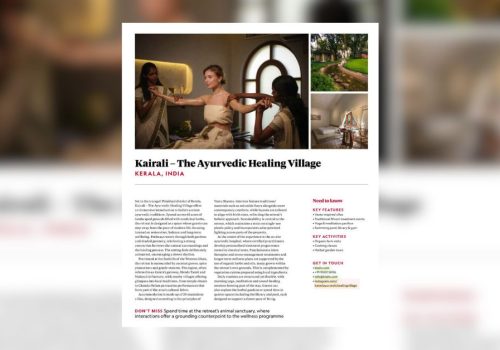


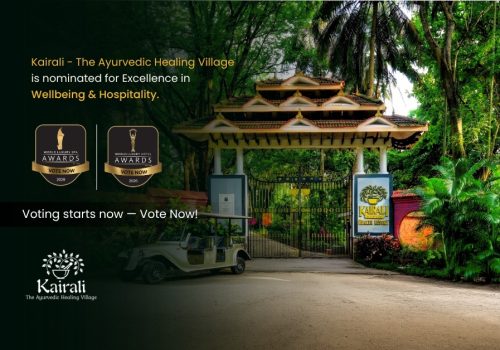
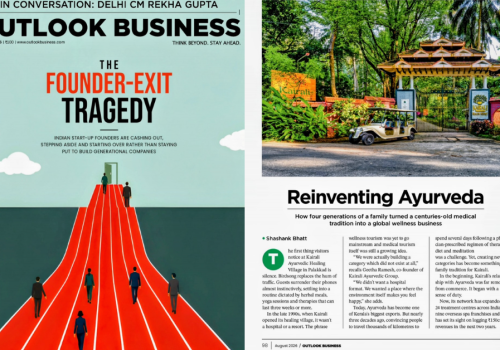



India has no shortage of wellness retreats. What is harder to find is a destination that combines residential hospitality with a clearly defined clinical structure.
Kairali, The Ayurvedic Healing Village in Palakkad, Kerala, operates as an NABH-accredited Ayurvedic hospital within a retreat setting. Its programmes are built around physician assessment, individual treatment planning, supervised therapies, food and daily routine.
This distinction matters.
A wellness centre may offer relaxation, yoga or spa treatments. An Ayurvedic hospital takes responsibility for clinical assessment, documentation, treatment suitability and medical oversight. At Kairali, the residential environment supports the programme, but it does not replace the clinical framework.
A wellness centre built around individual assessment
Every guest begins with a consultation conducted by a qualified Ayurvedic physician.
The assessment may consider health history, present concerns, physical strength, digestion, sleep, medication use and the person’s Ayurvedic constitution.
In Ayurveda, this may include prakṛti, meaning the individual’s underlying constitution, and vikṛti, the current pattern of imbalance.
The purpose is not to place every guest into a simple vāta, pitta or kapha category. It is to understand how constitution, symptoms and current capacity should influence the programme.
Two guests staying for the same number of days may therefore receive different recommendations.
More than a treatment menu
One of the common problems in wellness tourism is the presentation of Ayurveda as a list of therapies from which guests choose independently.
Clinical Ayurveda does not work this way.
A therapy is selected because a physician considers it appropriate for the individual, not because it is popular or appears attractive in a brochure.
Depending on the assessment, a programme may include therapies such as:
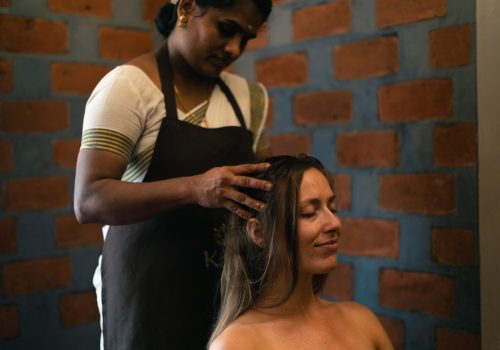
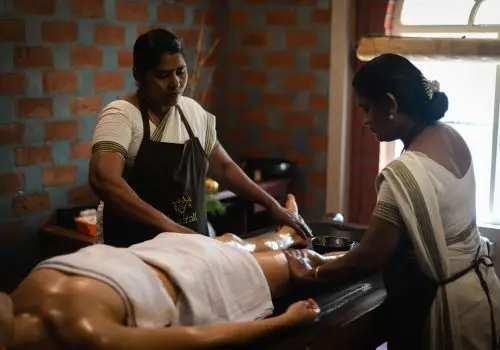
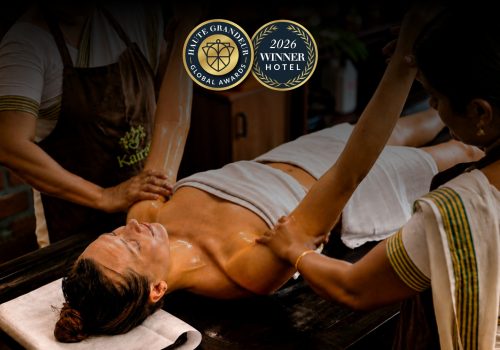
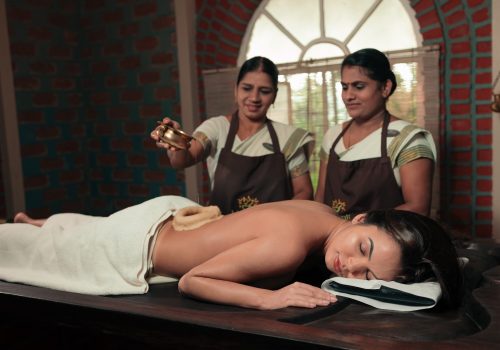
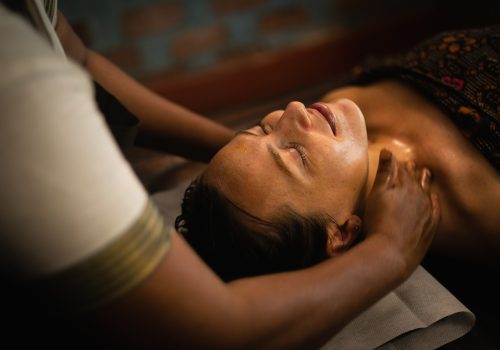
- abhyanga, an Ayurvedic oil application;
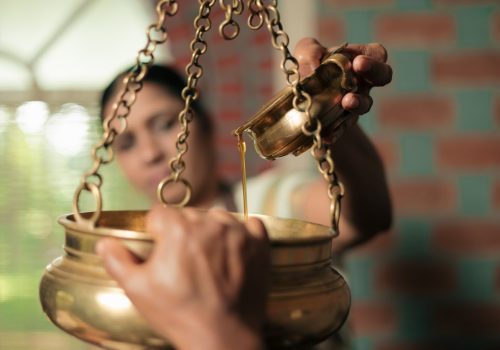
- śirodhārā, in which a controlled stream of liquid is applied to the forehead;
- svedana, a form of supervised sudation or steam therapy;
- kiḻi, a bolus-based external therapy; or
- selected Panchakarma procedures.
These treatments are not universally suitable. Their sequence, frequency and intensity may be adjusted during the stay.
The therapist delivers the procedure. The physician determines whether it should be given.
Panchakarma without the marketing shorthand
Panchakarma is frequently described as a “detox programme.” That phrase is convenient, but it is imprecise.
In classical Ayurveda, Panchakarma refers to a group of physician-directed procedures used within a broader treatment plan. It is not a standard package, and it should not be offered identically to every guest.
Suitability may depend on:
- age;
- physical strength;
- digestive capacity;
- diagnosed conditions;
- medication use;
- the presence of acute illness;
- previous treatment history; and
- the time available for preparation and recovery.
Some guests may receive selected procedures rather than a complete Panchakarma programme. Others may be advised that intensive treatment is not appropriate.
A responsible centre should be prepared to modify or decline a requested therapy when necessary.
Food as part of the programme
At an Ayurvedic hospital-resort, food is not separate from treatment planning.
Meals may be adapted according to digestive comfort, appetite, constitution, medical needs and the stage of the programme.
Ayurvedic dietary planning often considers:
- freshness and preparation;
- meal timing;
- digestibility;
- quantity;
- use of spices; and
- individual tolerance.
This does not mean every guest receives a fixed “dosha diet.” Nor should dietary restrictions be imposed without considering allergies, medication, nutritional needs and existing medical advice.
The central principle is coordination. Food, therapies and daily routine should support one another.
The role of yoga and meditation
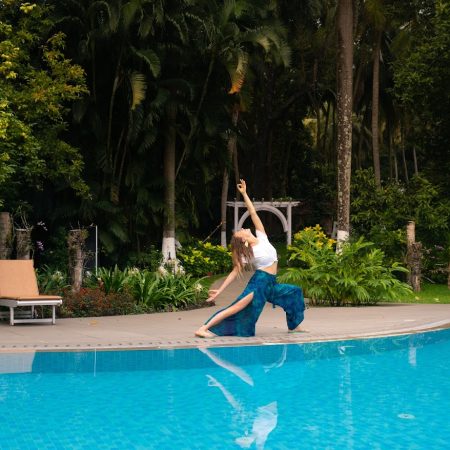
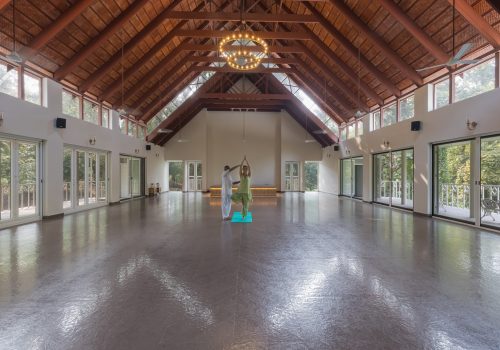
Yoga, breathing practices and meditation may be included as part of the residential schedule.
These practices can support mobility, relaxation and a more consistent daily rhythm. They do not replace medical care, and they should be adapted to the individual.
A guest undergoing an intensive Ayurvedic procedure may require a gentler practice than someone visiting primarily for rest and restoration.
Forceful breathing exercises, strenuous postures or long sessions are not automatically appropriate. The form of practice should reflect the person’s condition and stage of treatment.
What NABH accreditation means
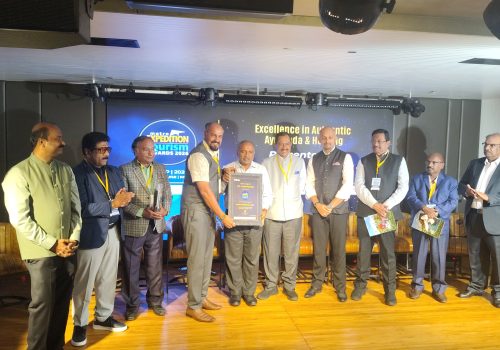
Kairali, The Ayurvedic Healing Village is accredited by the National Accreditation Board for Hospitals & Healthcare Providers as an Ayurvedic hospital and Panchakarma clinic.
NABH accreditation relates to healthcare quality and patient-safety systems. It considers areas such as:
- patient assessment;
- documentation;
- consent;
- practitioner responsibilities;
- treatment procedures;
- medicine management;
- infection control;
- emergency preparedness; and
- organisational governance.
Accreditation does not guarantee that a guest will achieve a particular result. It does, however, provide an external framework against which the organisation’s clinical systems are assessed.
For an international traveller comparing Ayurveda destinations, this can be a useful distinction between a resort offering wellness treatments and a facility operating within a recognised healthcare structure.
A setting designed for residential care
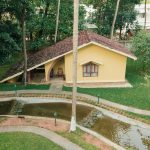
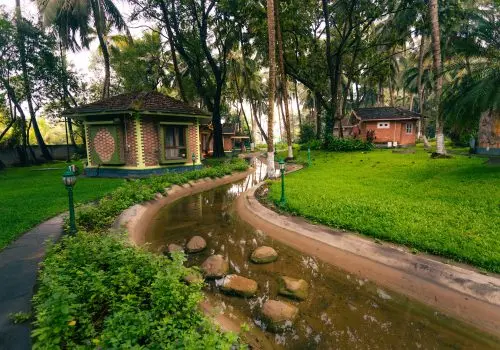
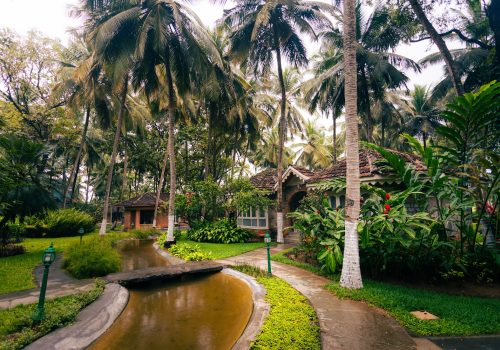
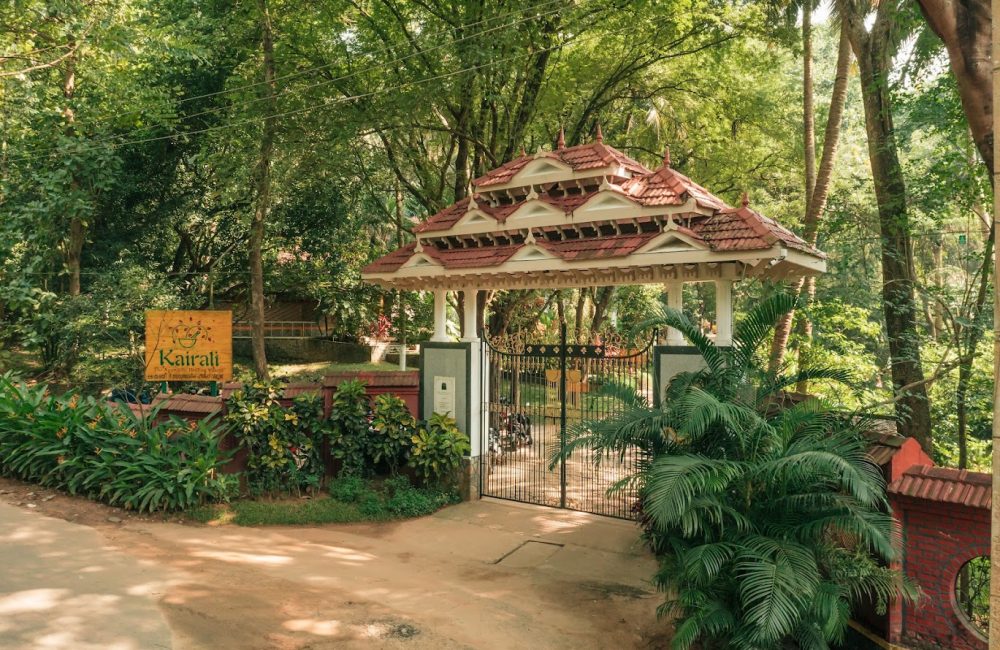
The Healing Village is located in Kodumbu, Palakkad, in a green and relatively quiet environment.
The setting allows guests to step away from ordinary routines while following a structured programme. Scheduled consultations, therapies, meals, movement and rest can be coordinated more easily in a residential context.
This does not mean that nature itself should be presented as a medical treatment. The value of the setting lies in its ability to support consistency, privacy and time for recovery.
What “rejuvenation” should mean
Rejuvenation is one of the most overused words in wellness marketing.
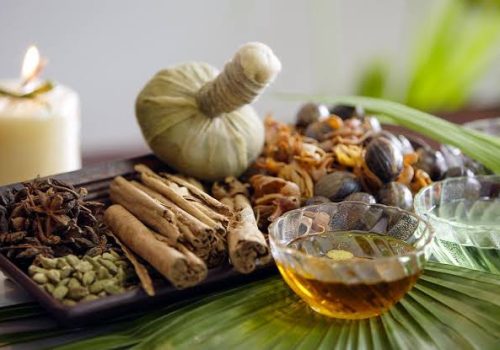
In Ayurveda, restorative care may be discussed through rasāyana, a traditional category associated with nourishment, resilience and the maintenance of strength.
In practice, a restorative programme may focus on:
- improving daily rhythm;
- supporting sleep;
- addressing digestive comfort;
- rebuilding strength after exhaustion;
- reducing unnecessary physical or mental strain; and
- developing routines that can continue after departure.
These are not guaranteed outcomes.
A residential stay may help some guests understand their habits and health patterns more clearly. Others may experience only modest changes. Responsible Ayurvedic communication should leave room for individual variation.
What Kairali does not need to claim
Kairali does not need to call itself “the best wellness centre in India” to explain its value.
It can be assessed through more concrete questions:
- Are the physicians qualified?
- Is the programme individualised?
- Are therapies medically supervised?
- Is there a documented treatment pathway?
- Can the centre explain contraindications?
- Are food and movement coordinated with the treatment plan?
- Is there a recognised quality framework?
- Will the team advise against unsuitable care?
These questions tell a prospective guest more than a superlative ever could.
A group founded in 1989
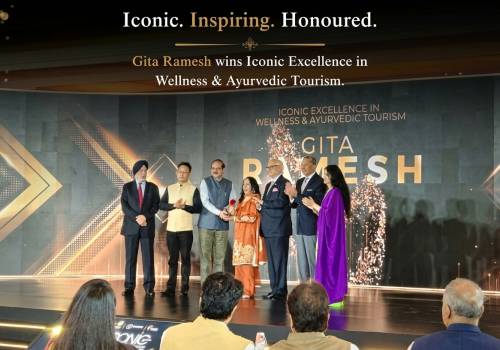
Kairali Ayurvedic Group was founded in 1989 by K.V. Ramesh and Gita Ramesh.
The group draws on four generations of Ayurvedic practice in the founders’ family. It should not be described as a 115-year-old or 130-year-old company.
Its institutional history spans more than three decades, supported by a longer family lineage in Ayurvedic practice.
Kairali, The Ayurvedic Healing Village is the group’s flagship property and forms part of a wider structure that includes Ayurvedic manufacturing and wellness hospitality.
Who may consider a stay?
A physician-led residential Ayurveda programme may suit people who want time for structured assessment, supervised therapies and a more consistent daily routine.
It may also appeal to those who find it difficult to make dietary, sleep or lifestyle changes while managing ordinary work and family responsibilities.
However, not every person is suitable for every programme.
Pregnancy, acute illness, unstable medical conditions, recent surgery, reduced physical strength and medication use may affect what is appropriate.
Guests should disclose their health history fully and continue necessary conventional medical care. A responsible Ayurvedic centre should coordinate with other healthcare professionals when needed.
Questions to ask before booking
Before choosing an Ayurvedic wellness centre, prospective guests should ask:
- Who conducts the initial consultation?
- What qualifications do the physicians hold?
- Is the treatment plan individualised?
- How often will progress be reviewed?
- What services fall within the centre’s accredited scope?
- How are medicines and oils sourced?
- What documentation and consent systems are followed?
- What happens if a treatment is not tolerated?
- What medical support is available if a guest becomes unwell?
- What guidance is provided after departure?
Clear answers matter more than claims about transformation, detoxification or luxury.
A more credible model of wellness
Kairali, The Ayurvedic Healing Village combines the calm of a residential retreat with the systems of an Ayurvedic hospital.
Its value lies in physician-led assessment, supervised treatment, structured food and daily routines, and NABH-accredited clinical processes.
For travellers seeking an Ayurvedic wellness centre in India, that is a stronger basis for decision-making than promises of instant rejuvenation or complete healing.
The most useful question is not whether a destination calls itself the best.
It is whether the centre can explain how it evaluates, plans and takes responsibility for the care it provides.
Website: www.ktahv.com
Call: +91-9555156156