









Living with a chronic condition often means navigating conflicting advice, fluctuating energy, and a medication schedule that leaves little room for experimentation. It’s natural to wonder: Is Ayurveda safe for me if I have diabetes, heart disease, thyroid imbalance, arthritis, IBS, or anxiety? The short answer is yes—when it’s medically screened, individualized, and integrated with your current care. That is precisely how we practise at Kairali.
If you’re a solo woman traveler evaluating a women‑only Ayurveda retreat India, safety, privacy, and dignity come first. Our yoga and meditation retreat Kerala solo women track provides female‑led consultations, women‑only therapy suites, and hormone‑informed schedules. For those seeking comfort from back, neck, or joint pain, our holistic pain relief Ayurveda retreat women program blends soothing external therapies with posture, mobility, and sleep coaching—without aggressive fasting or unsupervised herbal use.
What “Safe” Means in Ayurveda (2025 Standard)
In a modern integrative setting, “safe” means evidence‑informed, practitioner‑led, and data‑tracked. At Kairali, we define safety as:
- Right guest, right therapy, right time—based on disease stage, meds, labs, and dosha‑prakriti‑agni assessment.
- Transparent coordination with your cardiologist, endocrinologist, or GP.
- Measured outcomes (BP, glucose trends, pain scales, sleep metrics) and adverse‑event reporting aligned with AYUSH and global norms (FDA/MHRA/TGA).
Common Chronic Conditions & How We Integrate Safely
1) Diabetes (Type 2 and Type 1 with caution)
- Screening focus: HbA1c, fasting/PP sugars, lipid profile, renal function, neuropathy/foot exam.
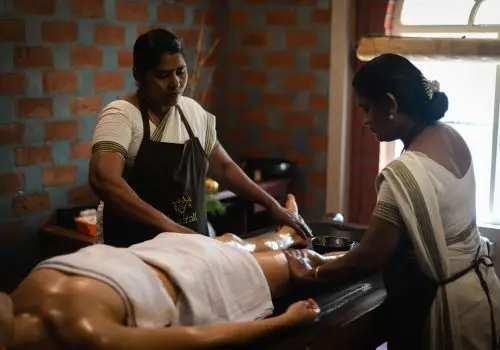
- Therapy approach: Gentle Abhyanga (oil massage), Udwarthanam (where appropriate), Basti (medicated enemas) in modified forms, diet therapy, and yoga + breathwork to improve insulin sensitivity.
- What we avoid: Aggressive detox or prolonged fasting in insulin‑dependent guests; herbs that strongly lower glucose without monitoring.
- Monitoring: Capillary glucose checks, medication dose coordination to prevent hypoglycemia.
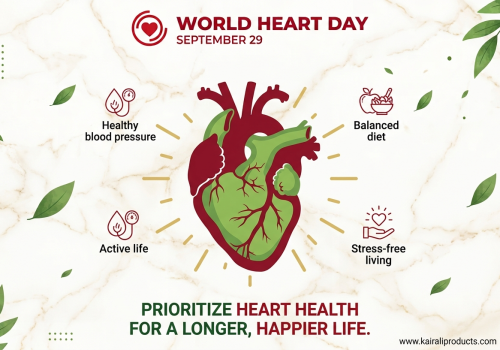
2) Heart Disease / Hypertension
- Screening focus: Current meds (beta‑blockers, ACE inhibitors, anticoagulants), BP trend, ejection fraction if available.
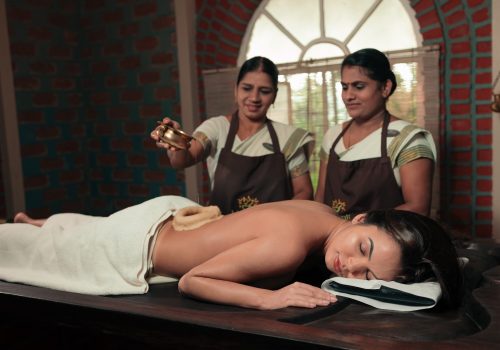
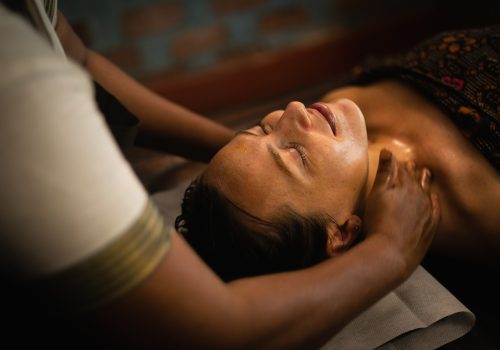
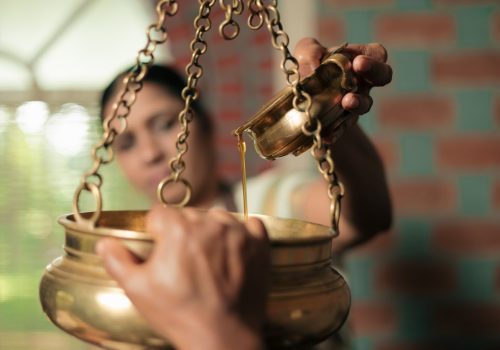
- Therapy approach: Shirodhara, gentle Abhyanga, guided meditation for stress reduction; salt‑calibrated diets; progressive walking/yoga.
- What we avoid: High‑heat therapies (very hot steam) in uncontrolled BP; vigorous Panchakarma during unstable angina; no deep tissue work post‑recent cardiac events.
- Monitoring: Twice‑daily BP; symptom logs for dizziness/edema.
3) Thyroid Disorders (Hypo/Hyper)
- Screening focus: TSH/T3/T4, bone health, menstrual status.
- Therapy approach: Metabolic‑balancing diets, nasya in selected hypo cases, routine asanas + breathwork.
- What we avoid: Extreme calorie restriction; heat‑intensive therapies for hyperthyroid presentations.
4) Arthritis & Chronic Pain
- Screening focus: Type (OA/RA), inflammatory markers, current DMARDs or biologics.
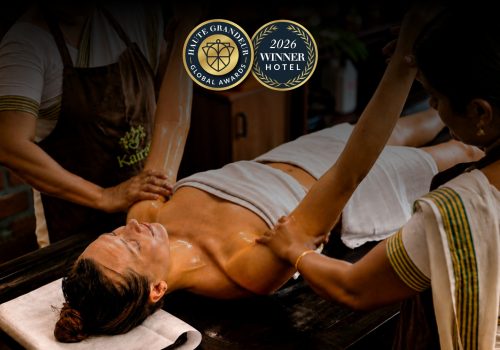
- Therapy approach: Kizhi (herbal bolus), Pizhichil, Basti, local lepa (pastes), Authentic Ayurvedic treatments for joint nourishment; holistic pain relief Ayurveda retreat women tracks include women‑focused ergonomics and pelvic stability work.
- What we avoid: Strong purgation during RA flares; unsupervised external heat if neuropathy is present.
5) IBS/GERD & Metabolic Gut Issues
- Screening focus: Red‑flag GI symptoms, H. pylori history, current PPIs.
- Therapy approach: Agni‑balancing diets, takra (buttermilk)‑based protocols, stress regulation via yoga and meditation.
- What we avoid: Spicy/herbal irritants during active reflux; rapid detox.
6) Anxiety, Burnout & Sleep Disorders
- Screening focus: Current psychiatric meds, sleep hygiene, caffeine/alcohol use.
- Therapy approach: Shirodhara, Padaabhyanga, breathwork, silent periods, forest walks at our Palakkad Ayurveda retreat; yoga and meditation retreat Kerala solo women tracks emphasize safety and privacy.
- What we avoid: Sudden withdrawal from prescribed meds; heavy cathartics that disrupt sleep.
Our 4‑Step Integration Protocol (Medical + Ayurvedic)
1: Pre‑Arrival Medical Screening
- Detailed intake (conditions, surgeries, allergies).
- Recent labs: CBC, CMP, HbA1c or fasting glucose, lipid profile, TSH (if relevant), CRP (for inflammatory conditions).
- Medication list with doses; herbal/supplement use; adverse reactions.
- For women: menstrual/menopause history; pregnancy screening if indicated.
- Tele‑consult with our physician to set boundaries (what’s in, what’s out).
2: Physician Coordination
- With your consent, we send a summary plan to your doctor (meds, expected therapy intensities, monitoring frequency).
- Clarify drug–herb interactions and contraindications (e.g., anticoagulants + certain oils/herbs).
- Agree on adjustment rules for insulin/oral hypoglycemics and antihypertensives if vitals change.
3: Personalized Panchakarma‑Lite or Rejuvenation Track
- Safety‑first dosing of therapies; nutritious sattvic meals; hydration and electrolyte support.
- Daily rhythm: check vitals → therapy → rest → gentle movement → meditation.
- Education modules on self‑care at home.
4: Monitoring & Outcomes
- Objective: BP, pulse, capillary glucose, weight, sleep score, pain score, mobility.
- Subjective: energy, mood, digestion, menstrual comfort.
- Post‑stay plan with follow‑ups at 2, 6, and 12 weeks.
When to Avoid or Delay Certain Ayurvedic Therapies
- Strong Virechana/Vamana (purgation/emesis): avoid in heart failure, unstable angina, severe anemia, pregnancy, elderly frailty, or on anticoagulants.
- Intense Swedana (steam/heat): avoid in uncontrolled hypertension, peripheral neuropathy, certain dermatological conditions.
- Long Fasts/Keto‑like Plans: avoid in Type 1 diabetes, brittle Type 2 on insulin/sulfonylureas, eating‑disorder history, or pregnancy.
- Unsupervised Herbal Use: especially if you take anticoagulants, antidiabetics, antihypertensives, thyroid meds, antidepressants—always disclose.
Women‑Only & Solo Women Tracks: Safety, Privacy, Dignity
For women traveling alone, our women‑only Ayurveda retreat India pathways are curated by a senior female physician and therapy team. At our Palakkad Ayurveda retreat in Kerala, we offer:
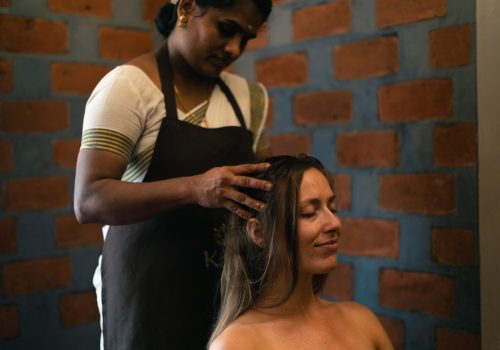
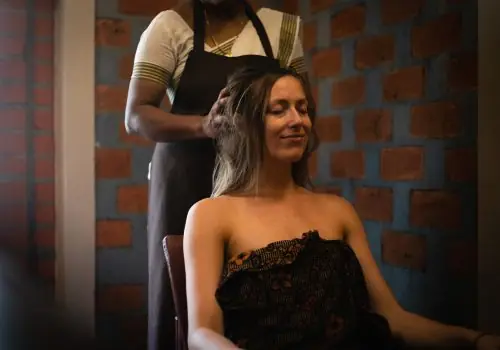
- Dedicated women’s therapy suites and female therapists.
- Secure accommodation wings; 24/7 on‑site medical support.
- Menstrual‑aware scheduling—therapies adapted for comfort.
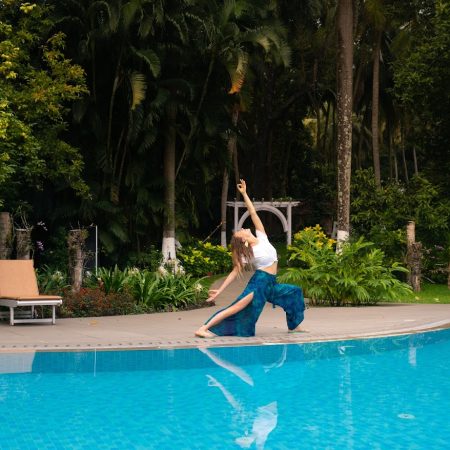
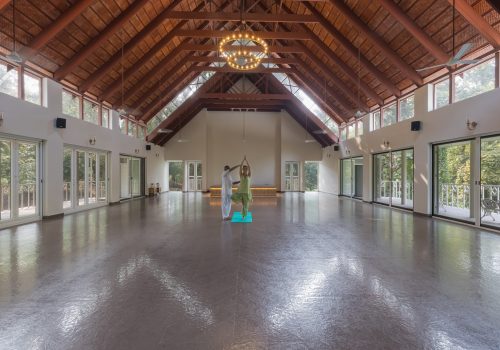
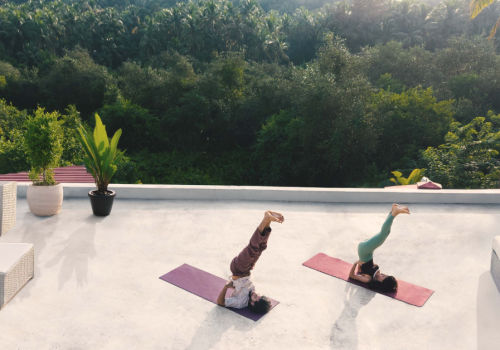
- Yoga and meditation retreat Kerala solo women: sunrise meditations, hormone‑informed yoga sequencing, and safety escorts for nature walks.
- Holistic pain relief Ayurveda retreat women: pelvic floor and back‑care modules, iron‑rich menu planning, sleep and stress coaching.
Guest Story (PCOS + Prediabetes)
Ananya, 34, arrived with fatigue, irregular cycles, and HbA1c 6.3%. Dr. Meera (Senior Ayurvedic Physician, Palakkad) coordinated with Ananya’s gynecologist. After screening and a clear “no‑aggressive‑detox” decision, the plan included Abhyanga, Basti, gentle nasya, insulin‑sensitizing diet, and structured walks. We tracked daily glucose and sleep. Over 21 days, her energy and cycle regularity improved; three‑month follow‑up showed HbA1c 5.8% with her doctor’s approval to maintain lifestyle changes. The Authentic Ayurvedic treatments were paired with evidence‑aligned monitoring—safe, steady, and personalized.”
How Ayurvedic & Scientific Perspectives Meet
- Metabolic Health: Routine movement, fiber‑rich sattvic meals, circadian alignment, and breathwork aid insulin sensitivity and autonomic balance.
- Pain & Inflammation: Oil‑based therapies + heat (when appropriate) may reduce muscle guarding, while mindfulness improves pain perception and sleep—both crucial for chronic pain.
- Stress, Sleep, & Heart: Meditation and controlled breathing support vagal tone, potentially improving BP variability and sleep depth.
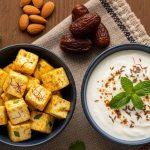
- Gut–Brain Axis: Diet simplification, fermented buttermilk, and mindful eating can calm IBS symptoms alongside conventional care.
Planning Your Stay: What to Bring & Expect
- Recent medical reports (last 3–6 months), medication strips, glucometer (if diabetic), BP cuff (optional).
- Comfortable cotton clothing; walking shoes; any assistive devices.
- Consent for physician coordination so we can send a clear plan and get timely input.
A Typical Day at Our Palakkad Ayurveda Retreat
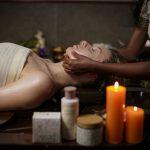
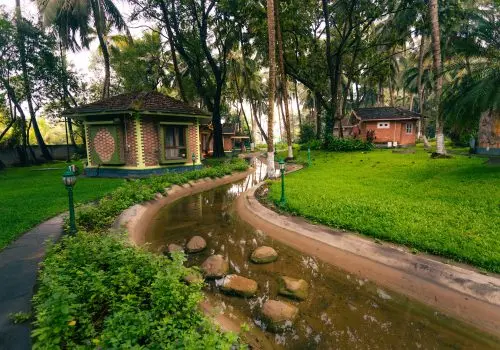
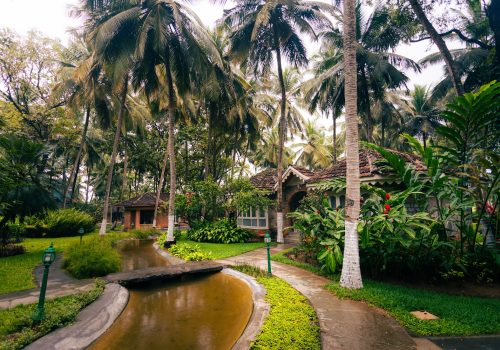
Warm oil therapy in the morning, sattvic Kerala lunch, nature walks in coconut groves, breath‑led meditation at dusk, early lights‑out for restorative sleep. Your plan may include dedicated yoga and meditation blocks for recovery and resilience.
Final Word
Ayurveda is not an all‑or‑nothing alternative; it’s a therapeutic system that, when practiced responsibly, sits alongside modern medicine to improve daily function and quality of life. If you’re living with diabetes, heart disease, thyroid imbalance, IBS, arthritis, or chronic stress, our team at the Palakkad Ayurveda retreat will help you find a pace and plan that is safe, personal, and sustainable.
Ready to begin? Book your complimentary pre‑screening today and explore our women‑only Ayurveda retreat India and yoga and meditation retreat Kerala solo women pathways designed for comfort, dignity, and results.
Website: www.ktahv.com
Call: +91-9555156156
About the Author
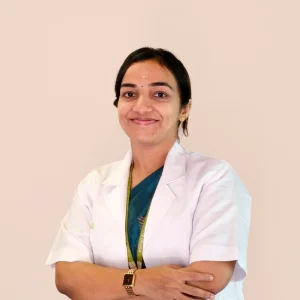
Dr. Ashikha Raj is a dedicated Ayurvedic physician and Resident Medical Officer (RMO) at Kairali – The Ayurvedic Healing Village. With over 8 years of hands-on experience, she brings a unique blend of classical Ayurvedic wisdom and modern therapeutic sensibilities to her clinical practice. She is known for her empathetic patient care, methodical diagnosis, and ability to create deeply personalized wellness journeys rooted in the ancient science of Ayurveda.
Dr. Ashikha believes that healing is not just about eliminating disease. Instead, it focuses on rebalancing the body, mind, and spirit. For this reason, she advocates sustainable health through daily routines (Dinacharya), seasonal cleansing, and mindful living in harmony with one’s Dosha