




















Women’s health isn’t one chapter—it’s many. From irregular cycles and PCOS to fertility wellness, perimenopause, and beyond, Ayurveda offers a steady, personalised way to support hormonal balance through food, rhythm, movement, and breath. In this guide, our physicians at Kairali Ayurvedic Health Village, Kerala share how classical care and yoga-based routines can complement gynecology and endocrine treatment—whether you’re exploring a safe solo female yoga retreat Kerala, a focused PCOS and hormonal health Ayurveda retreat Kerala, or a calm menopause Ayurveda retreat for women Kerala. Think practical, evidence-respecting routines from a heritage setting often cited among the best Ayurveda treatment in India.
Why a Women‑Centric Ayurvedic Approach in 2025
Women’s health is shaped by life stages—menarche, reproductive years, pregnancy/postpartum, perimenopause, and menopause—as well as work stress, travel, sleep, nutrition, and environmental exposures. A personalized Ayurvedic plan pays attention to rhythms: daily (Dinacharya) and seasonal (Ritucharya). This rhythm‑first approach is particularly valuable for:
- Hormonal balance across menstrual health, PCOS, thyroid tendencies, and stress‑related irregularities.
- Fertility wellness: preparing body and mind for conception; recovering after pregnancy loss; supportive care alongside ART/IUI/IVF.
- Perimenopause and menopause: hot flashes, night sweats, mood, sleep, weight, bone and joint comfort.
- Digestive and mental well‑being: gut–hormone axis, nervous system regulation, and sustainable movement.
You don’t need to “go all in” to benefit. Small, structured routines create leverage: warm, cooked seasonal food; judicious use of ghee and spices; 20–30 minutes of Ayurveda and yoga most days; and a consistent wind‑down for deep sleep.
Hormonal Balance: The Ayurvedic Lens
Ayurveda views the endocrine–reproductive system through dosha (Vata, Pitta, Kapha), tissue nourishment (dhatu), and Agni (digestive/metabolic fire). Irregular cycles, PMS, and skin/hair changes often reflect a combination of Vata irregularity (stress/sleep), Pitta heat (inflammation), and Kapha stagnation (metabolic sluggishness).
Foundational pillars
- Food rhythm: Regular, warm, cooked meals; emphasis on protein from legumes/lentils/dairy as suited; iron‑rich greens; seeds and nuts; seasonal fruits.
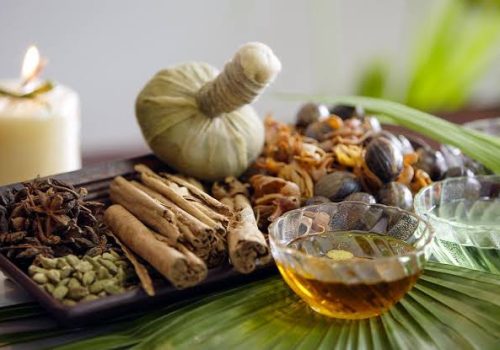
- Spices as function: Cumin, fennel, coriander, turmeric, ginger, cinnamon, fenugreek—used to kindle Agni and support insulin sensitivity (per physician advice).
- Movement & breath: 20–30 minutes of yoga asana + pranayama (Nadi Shodhana/Bhramari) to calm the HPA axis; brisk walks for insulin sensitivity and mood.
- Sleep and light: Early dinners, device‑free wind‑down, exposure to morning light for circadian alignment.
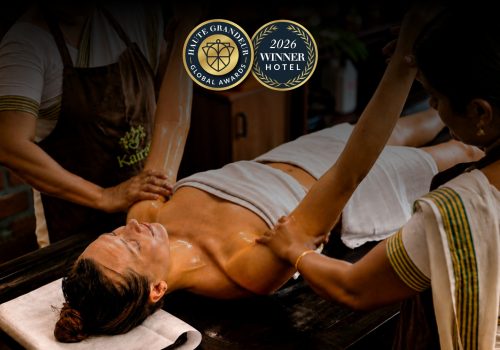
- Therapies & herbs: Individualized—may include Abhyanga (warm oil massage), Shirodhara, Nasya, Basti variants, and indicated classical formulations. Herbs are not one‑size‑fits‑all; screening for medication interactions is mandatory.
PCOS & Metabolic Health
Who this helps: women with irregular cycles, anovulation, acne/hirsutism, weight fluctuations, or insulin resistance.
Ayurvedic goals
- Reduce Kapha stagnation and Pitta irritability while grounding Vata.
- Restore ovulatory rhythm by stabilizing Agni and blood sugar patterns.
- Improve sleep and stress buffering.
What a program may include
- Meals: low‑glycemic, fiber‑rich plates; mindful use of ghee; spices like cinnamon, fenugreek, turmeric, cumin.
- Movement: daily walks + yoga sequence (hip mobility, core, twists)
- Breathwork: Nadi Shodhana for autonomic balance; slow diaphragmatic breathing before meals.
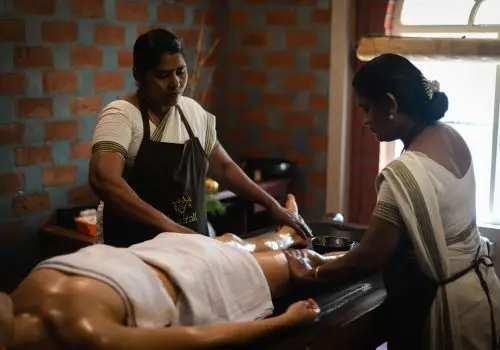
- Therapies: Abhyanga + Udvartana (herbal powder massage) for Kapha; physician‑selected Basti protocols; steam/sudation as indicated.
- Monitoring: menstrual tracking, body composition, energy and mood metrics.
Fertility Wellness (Preconception to Postpartum)
Ayurveda focuses on preparing the “soil” (body–mind) for conception and healthy pregnancy. For couples undergoing ART/IVF, the emphasis is on sleep, digestion, and stress reduction to support adherence and recovery.
Preconception support
- Rasayana nutrition: warm, protein‑adequate meals; ghee in moderation; micronutrient‑dense greens; sesame/almonds/walnuts as suitable.
- Cycle‑aware movement: lighter in the late luteal phase; strength/flow earlier.
- Nervous system care: yoga nidra, restorative yoga, journaling; limit stimulants.
- Optional pre‑cleared detox: very gentle Panchakarma windows (e.g., Snehana/Swedana) for selected guests—never close to fertility procedures and always coordinated with specialists.
During ART/IVF (supportive care only)
- Focus on digestion, bowel regularity, hydration, and rest.
- Physician‑approved herbs only; many are withheld during stimulation and transfer phases.
- Breathwork limited to gentle, non‑straining practices; avoid heat/intensity.
Postpartum recovery
- Warming soups/khichdi, galactagogue foods (per advice), and Abhyanga for mood and sleep support.
- Pelvic‑floor‑friendly yoga progressions; gradual load return.
Perimenopause & Menopause Care
Common concerns: hot flashes, night sweats, sleep disruption, mood variability, weight redistribution, joint stiffness, brain fog, vaginal dryness.
Ayurvedic priorities
- Ground Vata (which rises with age) to stabilize sleep and mood.
- Cool and nourish Pitta to ease heat and irritability.
- Maintain Kapha in healthy balance for bone, joint, and metabolic support.
What may help
- Evening routine: Abhyanga (sesame or physician‑chosen oil) + warm shower; early, cool, dark bedroom; light dinner with protein.
- Daytime: strength training 2–3x/week; brisk walks; yoga focusing on hips, spine, thoracic mobility; gentle inversions with props.
- Therapies: Shirodhara for sleep and anxiety; Kati/Greeva Basti for local joint comfort; Nasya for dryness and clarity.
- Nutrition: phyto‑diverse plates; dairy or alternatives for calcium/protein; spices for digestion.
- Bone health: sun exposure, load‑bearing movement, and minerals in diet.
Mood, Sleep, and Stress Regulation
Hormones and the nervous system are intertwined. Many symptoms ease when stress load drops and sleep deepens.
Daily anchors
- Morning light + walk; postpone phone/social media.
- 10–15 minutes pranayama (Nadi Shodhana, Bhramari); extend exhale.
- Meal ritual: sit, breathe, eat warm food without multitasking.
- Evening wind‑down: low light, warm shower, journaling; no intense debate/news.
Therapies for regulation
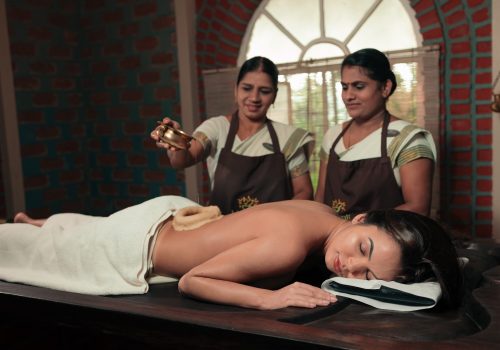
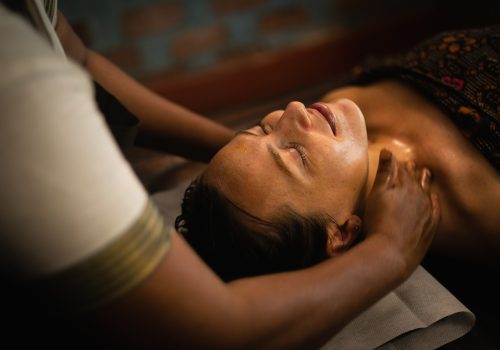
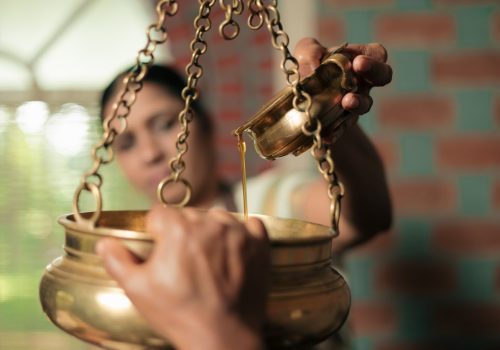
- Shirodhara: rhythmic oil pour on the forehead; may promote deep rest.
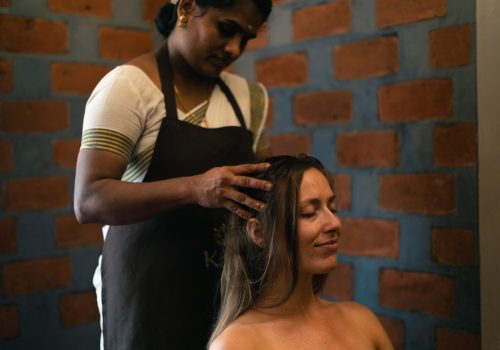
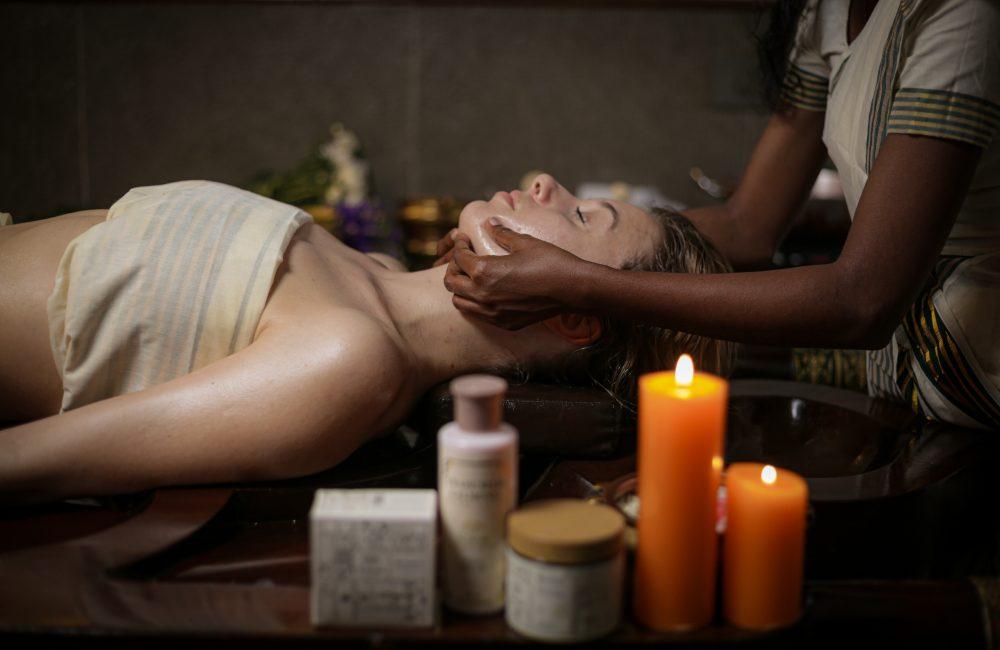
- Abhyanga: body‑wide warm oil massage to calm Vata and support sleep.
- Sound/breath relaxation: humming, soft chants, or guided yoga nidra.
Digestive–Hormone Connection
Ayurveda’s axiom: when Agni is steady, tissues—including reproductive—receive nourishment. Bloating, constipation/loose stools, and heartburn often precede hormonal symptoms.
Practical steps
- To begin with, favor warm, cooked meals, and reduce ultra-processed snacks and cold beverages.
- At the same time, keep caffeine modest and avoid late dinners.
- During meals, use culinary spices to support digestion, and sip warm water between meals.
- When appropriate, consider buttermilk (takra) at lunch for certain constitutions.
- Finally, track symptoms alongside meals and stress levels to identify personal triggers.
Safe Solo Female Retreat Planning
Many women travel alone to restore health without the logistics of family care. If you’re exploring the best Ayurveda retreat for solo women, consider:
- Safety & privacy: on‑site female therapists, security, and guest‑only zones.
- Clinical governance: physician availability, treatment notes, and emergency protocols.
- Environment: clean air, quiet rooms, and nature; transparent sustainability standards.
- Connectivity: Wi‑Fi for remote work if needed; boundaries that protect rest.
At Kairali Ayurvedic Health Village Kerala, women‑only cohorts are scheduled during select months, with female‑therapist options and private villas.
Practitioner Stories
Initially, a 29-year-old remote worker arrived with irregular cycles and frequent energy dips.
Over the next 10 days, she followed a routine focused on yoga walks, spice-balanced meals, Abhyanga, and supportive sleep cues.
As a result, she reported steadier energy levels and two on-time cycles within 90 days.
Throughout the process, we coordinated with her endocrinologist to keep her metformin dosage unchanged.
Gentle CTA
If you’re researching condition‑specific options, explore how a women‑centric, physician‑led Ayurvedic plan at Kairali – The Ayurvedic Healing Village might fit into your care pathway. Start with a neutral conversation about goals, medications, and timing. We’re here to share evidence‑respecting routines and coordinate with your specialists. Book a free doctor consultation now.
Website: www.ktahv.com
Call: +91-9555156156
About the Author
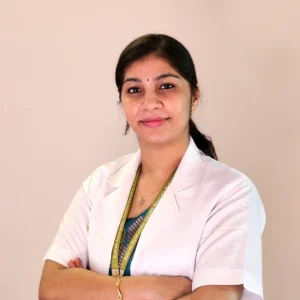
Dr. Akhila Oommen is an experienced Ayurvedic physician at Kairali – The Ayurvedic Healing Village, with over nine years of dedicated practice in holistic health management.
In her work, she follows classical Ayurvedic principles, while also applying a compassionate, solution-oriented mindset.
As a result, she treats complex and chronic conditions with care, precision, and empathy.
Over time, this approach has earned the trust of wellness seekers from around the world.
Dr. Akhila believes in empowering individuals through knowledge of their own constitution and imbalances. Her treatments are guided by the Ayurvedic principle of Swasthasya Swasthya Rakshanam—preserving the health of the healthy—and she emphasizes preventive care just as much as curative protocols. Her goal is not just to treat disease but to create balance across the body, mind, and spirit for sustainable well-being.