




















Ayurveda is reaching a new generation of learners.
Some discover it through online courses. Others encounter it through yoga, wellness programmes, academic study or travel to India. What many soon realise is that Ayurveda can be difficult to understand through theory alone.
It is a system built around daily habits, food, sleep, movement, observation and individual care.
That is why experience matters.
At Kairali – The Ayurvedic Healing Village in Palakkad, Kerala, participants can see how Ayurvedic principles are used in everyday life. The aim is not simply to learn definitions, but to understand how different parts of Ayurveda connect.
Why experiential learning matters
Online learning has made Ayurveda more accessible.
Students can now study its history, basic principles and traditional concepts from almost anywhere. This is useful, especially for people who are new to the subject.
But there is a difference between reading about Ayurveda and seeing it practised.
A textbook can explain dinacaryā, or daily routine. A residential setting can show what that routine actually looks like.
A course can describe an Ayurvedic consultation. In person, learners can observe how a physician considers constitution, digestion, lifestyle and current concerns before making recommendations.
This practical context makes the subject easier to understand.
Learning by living
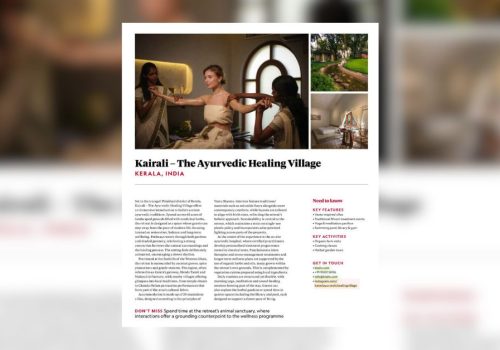
Kairali – The Ayurvedic Healing Village is an NABH-accredited Ayurvedic hospital-resort in Palakkad.
Life at the property follows a structured rhythm. Depending on the programme, participants may experience:
- Ayurvedic physician consultations
- daily routines based on Ayurvedic principles
- yoga and meditation
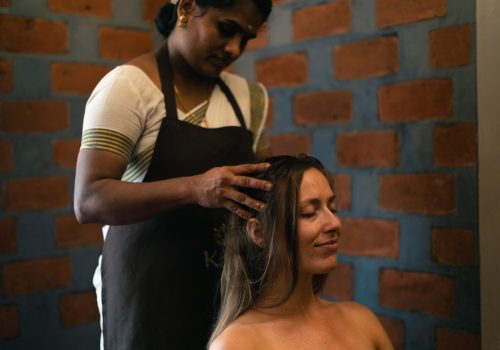
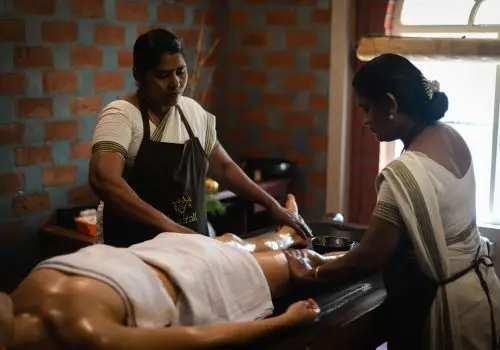
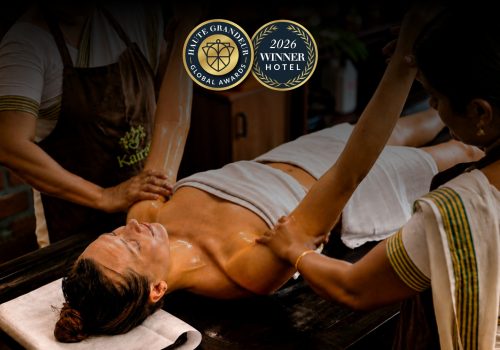
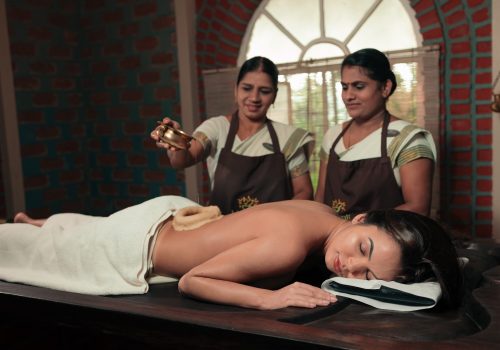
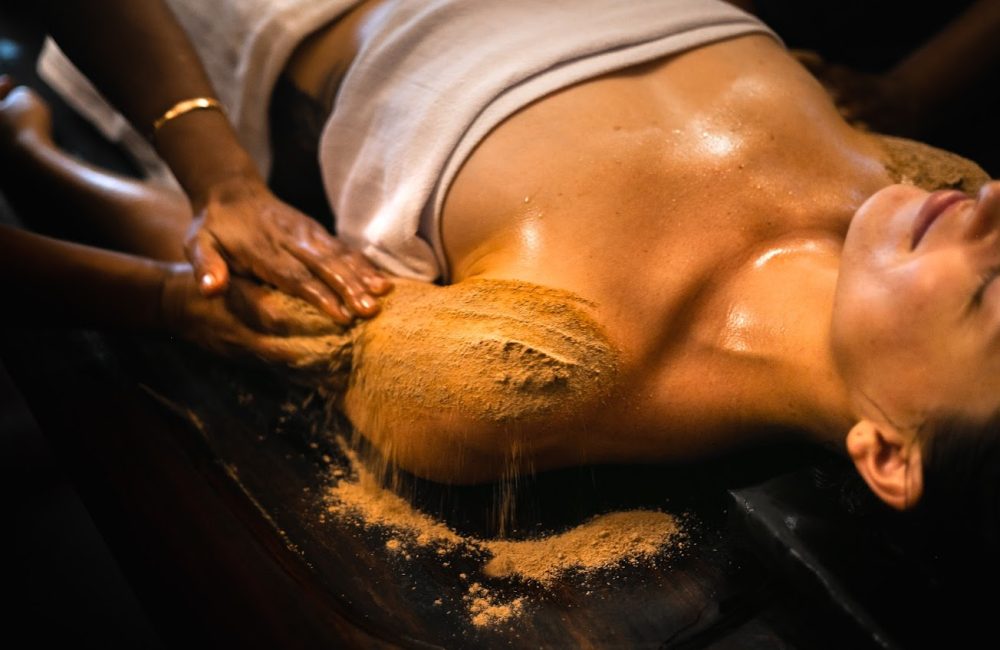
- practitioner-supervised therapies
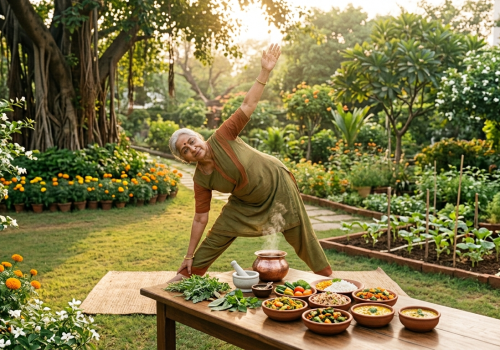
- Ayurvedic food and cooking sessions
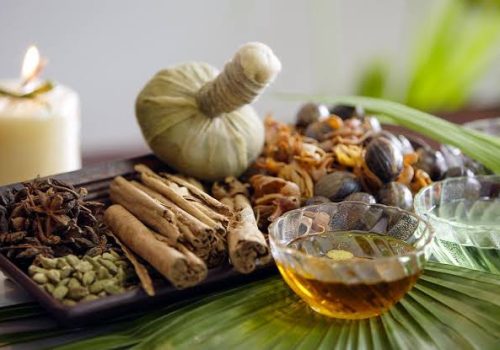
- introductions to herbs and traditional preparations
- time for rest and reflection
The focus is not on doing as much as possible.
It is on understanding how food, movement, rest and treatment can be considered together.
That is one of the central ideas in Ayurveda.
Ayurveda is more than a dosha quiz
As Ayurveda has become more popular globally, some of its ideas have also become simplified.
Vāta, Pitta and Kapha are sometimes treated as personality labels. Panchakarma is sometimes described as a single “detox” treatment.
That is not how Ayurveda works in practice.
An Ayurvedic physician looks at many factors before making recommendations. These may include constitution, current imbalance, digestion, sleep, routine and overall health history.
Treatments are also selected individually.
This is why learning Ayurveda in a supervised environment can be valuable. It helps learners see the difference between simplified wellness trends and the wider Ayurvedic system.
Why Kerala still matters
Kerala has a long history of Ayurvedic practice.
The state is known for its physician traditions, medicinal preparations and specialised therapies. For learners, this makes Kerala more than a destination. It offers cultural and clinical context.
At Kairali, learning can happen throughout the day.
A meal can become a lesson in ingredients and preparation.
A morning routine can show how Ayurveda thinks about timing and consistency.
A consultation can help explain why recommendations differ from one person to another.
These small details often make the subject easier to understand than theory alone.
What an Ayurveda training programme can teach
Kairali’s Ayurveda training programme offers participants an introduction to Ayurvedic principles in a residential environment.
Some people may join for personal learning.
Others may come from yoga, wellness or related fields and want a deeper understanding of Ayurveda.
The important point is that this kind of programme is educational.
It does not replace formal medical study and does not qualify a participant to diagnose conditions or prescribe Ayurvedic treatments.
Its value lies in helping people understand how Ayurveda is practised and why individualisation matters.
Ayurveda is becoming more global
Interest in Ayurveda now extends far beyond India.
That creates opportunities for learning, but also challenges.
As traditional systems enter the global wellness market, complex ideas can easily become slogans. Ayurveda can be reduced to herbs, massages, dosha labels or quick wellness trends.
Better education can prevent this.
Learners need to understand where Ayurvedic concepts come from, how they are used and where their limits are.
They also need to know the difference between traditional practice, modern interpretation and clinical care.
The future of Ayurvedic learning
The future of Ayurvedic education is likely to be blended.
Online learning can provide access.
Academic study can provide structure.
Residential programmes can provide practical experience.
Each has a different role.
At Kairali, the emphasis is on helping learners experience Ayurveda in context rather than as a collection of isolated ideas.
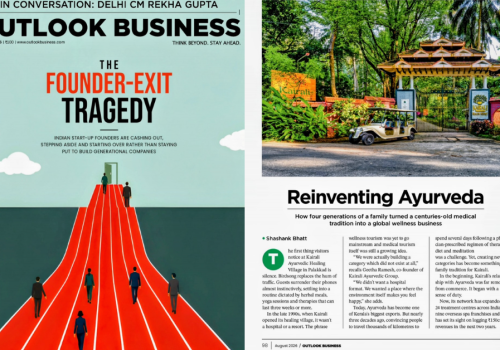
Kairali Ayurvedic Group was founded in 1989 by K.V. Ramesh and Gita Ramesh and draws on four generations of Ayurvedic practice in the founders’ family. That background provides a setting for learning, but the larger goal is simple: to help the next generation understand Ayurveda with greater depth and clarity.
Because the future of Ayurveda does not depend only on more people hearing about it.
It depends on more people understanding it properly.
Website: www.ktahv.com
Call: +91-9555156156