




















In the modern era, diabetes is often understood purely as a metabolic disorder — something to be controlled with medications and diet. But in the world of Ayurveda, managing diabetes (Prameha / Madhumeha) is a deeply holistic journey. At Kairali Ayurvedic Health Retreat Kerala, we integrate centuries-old Ayurvedic wisdom with yoga practices to support metabolic balance, emotional resilience, and long-term well‑being.
Ayurveda’s View of Diabetes: Beyond Blood Sugar
In Ayurveda, diabetes is not just a sugar-spiking issue. It arises from imbalances in Agni (digestive/metabolic fire), Doshas (especially Kapha and Vata), and Ama (undigested toxins). Over time, this imbalance percolates through tissues (Dhatus), stresses the pancreas, and disturbs endocrine function.
The therapeutic aim is not merely symptom control, but restoring harmony — clearing ama, reigniting Agni, supporting insulin pathways, and nurturing emotional equilibrium.
This is where holistic yoga healing becomes a natural ally.
How Yoga Supports Diabetic Management
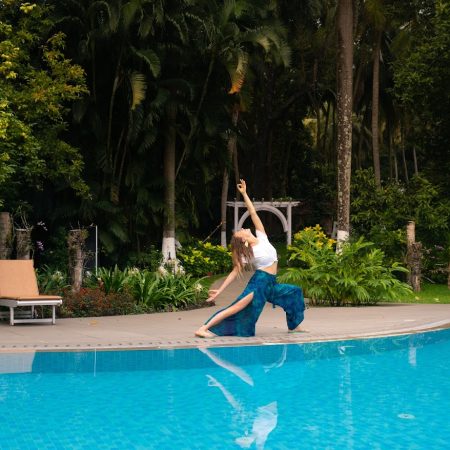
Yoga is not a substitute for medical care, but when used intelligently and adaptively, it supports metabolic and psychosomatic processes. In our Kerala yoga retreat environment, these are some ways yoga helps:
- Pranayama & Breath Regulation
— Techniques like Nadi Shodhana (alternate nostril breathing), Ujjayi, and Kapalabhati help calm the nervous system, reduce stress hormones, and improve glucose uptake.
— Breath discipline also underpins emotional balance with yoga — reducing anxiety, stabilizing mood swings, and cultivating resilience. - Gentle Asana Flow & Stretching
— Forward bends, twists, and supported backbends stimulate internal organs, promote better circulation, and activate insulin-sensitive tissues.
— Postures such as Dhanurasana (Bow), Paschimottanasana (Seated Forward Bend), and supported versions of Sarvangasana (Shoulder Stand) can help modulate endocrine function when practiced correctly. - Restorative / Yin Yoga + Yogic Relaxation
— Practices like Viparita Karani (legs-up-the-wall), Supta Baddha Konasana (reclined butterfly), along with guided savasana or Yoga Nidra, help reduce chronic stress — a known aggravator of insulin resistance. - Meditation & Mindfulness
— Regular guided meditation sessions reduce cortisol, support insulin sensitivity, and strengthen psychological coping in chronic disease.
— Emotional regulation is key in diabetes management; mind–body integration helps prevent emotional eating, adherence slippage, and burnout.
Kairali’s Integrated Protocol: Where Ayurveda Meets Yoga
At Kairali Ayurvedic health retreat Kerala, our programs for guests with prediabetes, Type 2 diabetes, or metabolic syndrome combine:
- Personalized Ayurvedic diagnosis (Prakriti, Vikriti, metabolic assessment)
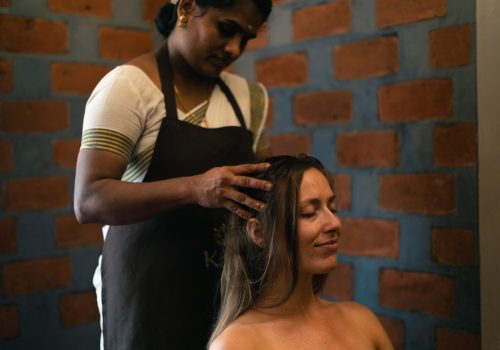
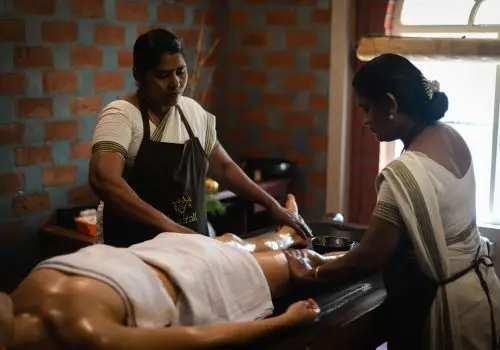
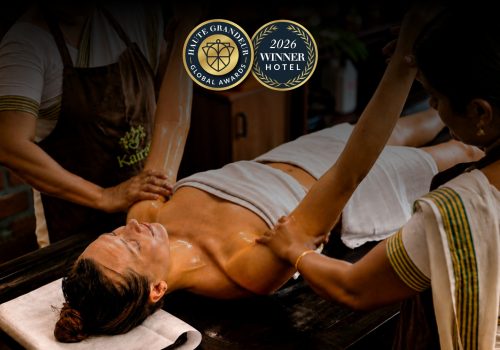
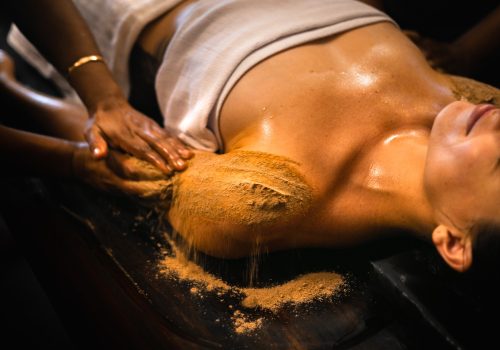
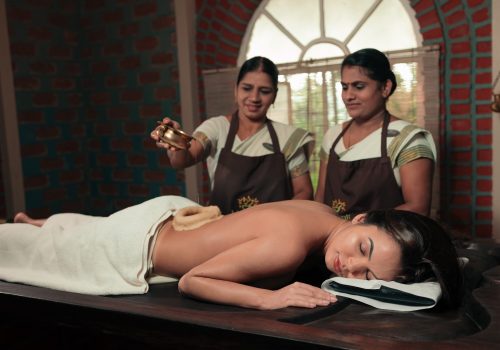
- Detoxification & Rejuvenation: Panchakarma modalities like Virechana, Basti, and Hrudayavasti, aimed at clearing ama and restoring metabolic function
- Customized yoga & meditation modules tailored to individual capacities and metabolic states
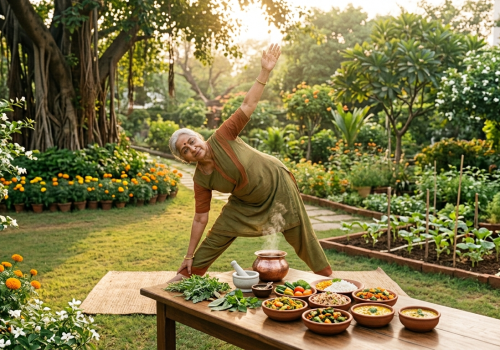
- Diet mastery: Sattvic menus, portion protocols, timing (when to eat, fasting windows)
- Lifestyle education: Sleep hygiene, daily routine (Dinacharya), stress reduction techniques
- Follow-up & integration plan: Home practices, monthly check-ins, virtual guidance to maintain balance after retreat
By synthesizing both systems, we aim to deliver what many regard as the best Ayurveda treatment in India for metabolic wellness — not just managing numbers, but rekindling health from the roots.
Patient Voice: Healing Narratives
“I came to Kairali with uncontrolled glucose, fatigue, and anxiety. I expected herbs and yoga, but found something deeper — emotional steadiness, renewed energy, and gentle care. After 21 days, my HbA1c dropped, but what changed most was how I felt about myself.” — A guest’s testimonial (name withheld for privacy)
Stories like this highlight how Kairali’s Kerala yoga retreat is more than a stay — it’s a journey of rediscovery and balance.
Safe Practice & Contraindications
- Before beginning any yoga or Ayurvedic regimen, it’s crucial to consult your physician, especially if you’re on insulin, have complications (neuropathy, retinopathy, kidney disease), or comorbidities.
- Our instructors and Ayurvedic doctors work together to adapt postures, breathing, and detox schedules to each guest’s condition.
- Avoid deep twists or extreme postures without supervision, especially when blood sugar is unstable.
Scientific Evidence & Modern Research
- Multiple studies show yoga can reduce fasting blood sugar, HbA1c, and improve insulin sensitivity, especially when combined with lifestyle changes.
- Ayurvedic herbs used in supportive care — like Guduchi (Tinospora cordifolia), Shatavari, and Gymnema — have demonstrated glucose-regulating properties in clinical trials (when used responsibly).
While modern research is rising, our approach remains firmly rooted in classical Ayurvedic texts (Charaka, Sushruta, etc.), translated into precise, safe protocols for the 2025 wellness seeker.
Preparing for a Retreat: What to Expect
- Duration: 7‑28 days depending on your needs
- Yoga classes: Twice a day (morning + evening), plus meditation sessions
- Therapies: Daily Ayurvedic treatments scheduled around your metabolic level
- Consultations: Initial and mid‑program medical & Ayurvedic review
- Post‑retreat plan: Personalized home routine, dietary chart, and virtual follow-up
Conclusion: Beyond Blood Sugar, Towards Wholeness
In treating diabetes, the goal is not just numbers — it is living with energy, clarity, and emotional resilience. Holistic yoga healing and Ayurvedic protocols used together offer a path to restore what was lost: balance, dignity, and hope.
If you’re seeking a transformational journey in Kairali Ayurvedic health retreat Kerala, one that targets your metabolism and nurtures your spirit, reach out for an Ayurvedic assessment and let us guide you gently, intelligently, and compassionately.
Website: www.ktahv.com
Call: +91-9555156156
About the Author
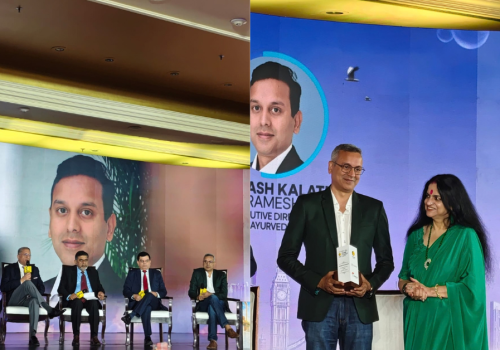
Abhilash K. Ramesh represents the new generation of Ayurvedic entrepreneurship. As an Executive Director at Kairali Ayurvedic Group, he has been instrumental in expanding the global footprint of Ayurveda, setting up wellness centers, franchise partnerships, and integrative healing programs across 30+ countries.
With a background in international business and a vision rooted in ancient healing wisdom, Abhilash focuses on aligning Ayurveda with modern wellness trends, tech-based health solutions, and integrative care models. His thought leadership lies in bridging the East and West—making Ayurveda relevant to contemporary global audiences.