

























Panchakarma is often described in wellness media as a form of Ayurvedic massage or “detox”. Neither description is complete.
In classical Ayurvedic practice, Panchakarma refers to a physician-directed sequence of preparatory, cleansing and recovery procedures selected according to the individual. Oil massage, or abhyanga, may form part of this process, but it is not synonymous with Panchakarma itself.
Some people experience fatigue, digestive changes, headache, skin sensitivity or temporary discomfort during a supervised programme. These symptoms should not automatically be treated as evidence that the therapy is “working” or that toxins are being released. Any new, persistent or worsening symptom should be reported to the supervising Ayurvedic physician so that the programme can be reviewed.
Panchakarma is not a single massage
The word Panchakarma is commonly used as a broad label for Ayurvedic cleansing retreats. Traditionally, however, it refers to a structured clinical process.
A programme may include preparatory measures such as internal or external oleation, heat-based procedures, dietary adjustments and rest. Specific cleansing procedures may then be considered, followed by a carefully managed recovery phase.
Not every person receives the same therapies. The decision depends on factors such as constitution, digestive capacity, age, strength, health history, current symptoms and the season in which treatment takes place.
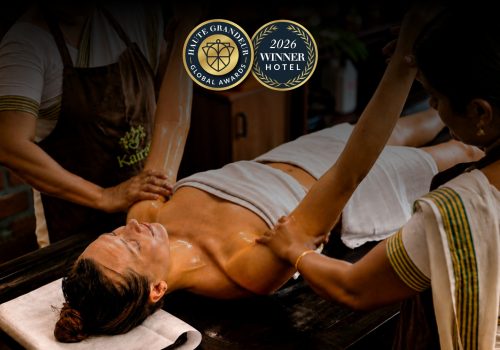
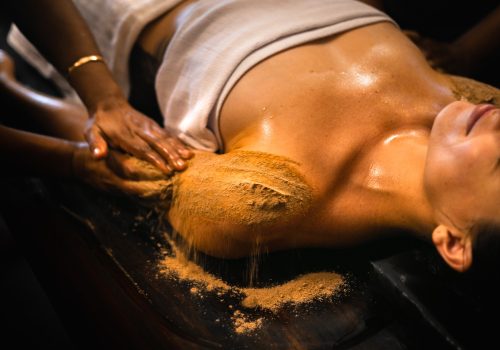
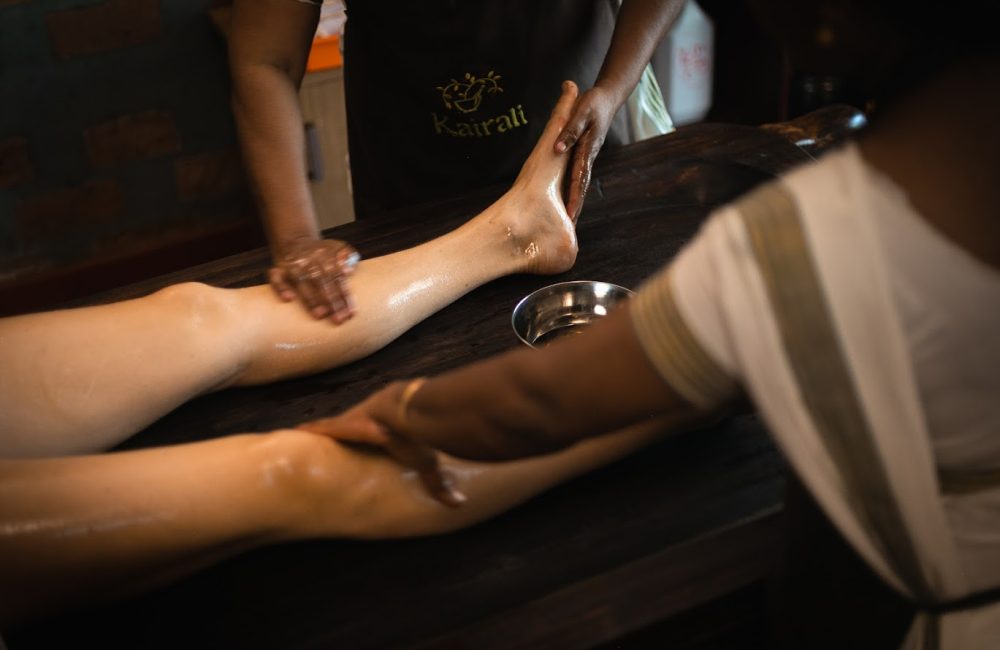
Abhyanga, the application of warm oil through rhythmic massage, is often used as a preparatory or supportive therapy. It may help promote relaxation and prepare the body for other procedures, but it should not be presented as Panchakarma in its entirety.
This distinction matters when discussing side effects. A reaction to massage oil is different from a response to dietary restriction, heat therapy or a more intensive cleansing procedure. Each requires a separate assessment.
What temporary reactions may occur?
The experience of Panchakarma varies considerably. Some guests feel rested and comfortable throughout the programme. Others may notice temporary changes as their daily routine, diet, activity level and treatments are adjusted.
Possible reactions may include the following.
Fatigue
A quieter schedule, changes in food intake, interrupted sleep, unfamiliar treatments or the reduction of habitual stimulants such as coffee may contribute to tiredness.
Fatigue should not simply be attributed to “detoxification”. Its timing, severity and duration need to be considered. A physician may review food intake, hydration, sleep, treatment intensity and the person’s general strength before deciding whether the programme should continue unchanged.
Headache
Headache may occur for several reasons, including caffeine withdrawal, inadequate food or fluid intake, disrupted sleep, heat exposure or sensitivity to aromas and oils.
A mild, short-lived headache may settle with rest and an appropriate adjustment to the daily routine. Persistent, severe or unusual headaches should be reported rather than accepted as an inevitable part of Panchakarma.
Skin sensitivity
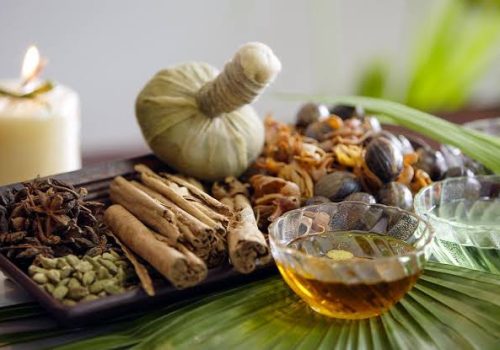
External oil therapies may occasionally cause itching, redness, irritation or breakouts. This may reflect sensitivity to an oil, herb, fragrance or another ingredient used during treatment.
The appropriate response is not to assume that the skin is “purging toxins”. The product and procedure should be reviewed, particularly when irritation is spreading, painful or worsening.
At Kairali, The Ayurvedic Healing Village, oils and treatment materials are selected according to the physician’s assessment. Guests are encouraged to report any previous allergies or known skin sensitivities during consultation.
Digestive changes
Changes in meal timing, portion size, ingredients or treatment procedures may affect bowel habits and appetite. Some people may experience temporary bloating, loose stools, constipation or abdominal discomfort.
Digestive symptoms should be interpreted in context. Mild changes may resolve after diet or treatment adjustments. Persistent or significant symptoms require medical review.
A Panchakarma programme should not be based on the assumption that more intense digestive disturbance produces a better result.
Body soreness or stiffness
Massage pressure, unfamiliar postures, reduced physical activity or heat-based procedures may occasionally leave a person feeling sore or stiff.
Therapists should adjust pressure according to the guest’s comfort and clinical needs. Pain is not a necessary sign of effective treatment, and guests should not feel obliged to tolerate an uncomfortable procedure without speaking.
Emotional changes
A residential retreat changes more than diet and treatment. It may also remove a person from their usual work demands, digital habits and coping routines. Periods of rest can sometimes bring stress, sadness, irritability or anxiety into greater awareness.
It is tempting to describe this as the “release of stored emotions”, but that explanation is difficult to verify and may oversimplify a complex experience.
Emotional distress should be approached carefully. Rest, supportive conversation and gentle practices may be appropriate in some cases, while more significant symptoms may require assessment by a qualified mental-health professional.
Are side effects a sign that Panchakarma is working?
Not necessarily.
One of the more persistent wellness claims about Panchakarma is that headache, fatigue, skin eruptions or digestive discomfort prove that toxins are leaving the body. This is not a reliable way to assess treatment.
Ayurveda uses the concept of āma to describe incompletely processed material associated with disturbed digestion and metabolism. It is a traditional clinical framework, not a direct equivalent of the modern popular idea of toxins being “flushed” from tissues.
A symptom may be mild and temporary, but it may also indicate dehydration, inadequate nutrition, excessive heat, unsuitable treatment, product sensitivity or another medical concern. The correct response is observation and clinical assessment, not automatic reassurance.
A supervised programme should be adjusted when the individual is not responding well.
How medically supervised Panchakarma reduces risk
Panchakarma is safer when conducted under the direction of a qualified Ayurvedic physician rather than followed through a standardised retreat package or at-home protocol.
At Kairali- The Ayurvedic Healing Village, each guest undergoes a physician consultation before therapies are planned. The assessment considers the person’s constitution, current imbalance, digestive capacity, medical history, strength and reason for undertaking the programme.
Treatment is then prescribed individually rather than selected from a fixed menu.
The physician-led process may include:
- an initial health and lifestyle assessment;
- selection of therapies according to the individual;
- adjustment of diet and daily routine;
- scheduled clinical review during the stay;
- communication between physicians and therapists;
- modification or suspension of treatment when discomfort occurs.
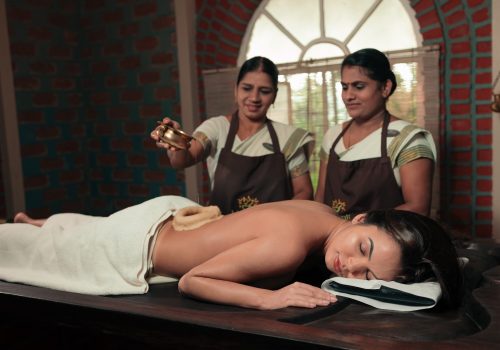
The role of the therapist is also important. Pressure, temperature, duration and the materials used during a procedure should follow the physician’s directions and be adapted when the guest reports discomfort.
A calm environment, sufficient rest and structured meals may support the programme, but they do not replace medical supervision.
Who may not be suited to Panchakarma?
Panchakarma is not appropriate for everyone, and a full programme should not be undertaken simply because it is described as rejuvenating or cleansing.
Age, physical strength, pregnancy, acute illness, recent surgery, nutritional status and existing medical conditions may influence whether a person is suitable for particular procedures.
Medication use also matters. Guests should disclose prescription medicines, over-the-counter drugs and supplements during consultation. They should not stop or alter prescribed medication unless advised by the clinician responsible for that treatment.
People with significant health conditions should discuss the proposed programme with both the Ayurvedic physician and their treating medical doctor.
When should treatment be reviewed?
Any unexpected symptom should be communicated promptly to the clinical team.
A therapy should not be endured because discomfort has been described as a normal cleansing response. Symptoms that are severe, persistent, worsening or substantially different from what the physician explained require timely reassessment. Urgent or concerning symptoms may also require conventional medical attention.
Guests should provide clear information about what they are experiencing, when it began and whether it changes after food, rest or a particular procedure. This helps the physician distinguish a minor adjustment issue from a reaction that requires treatment to be stopped.
Preparing for Panchakarma safely
A responsible programme begins before the first therapy.
Prospective guests should share an accurate medical history, including allergies, previous reactions to oils, digestive problems, recent procedures, medication use and mental-health concerns.
During the programme, it is important to:
- follow the food and activity guidance provided by the physician;
- avoid adding independent fasting or cleansing practices;
- drink according to clinical guidance rather than forcing excessive fluids;
- rest when advised;
- report pain, irritation or other discomfort early;
- avoid comparing one’s programme with another guest’s treatment.
Panchakarma is individualised. Receiving fewer procedures or having a therapy modified does not mean that the programme is less complete.
A more accurate way to understand Panchakarma
Panchakarma should not be reduced to a massage package or judged by the intensity of the reaction it produces.
Its defining feature is not discomfort. It is the structured, individual and supervised use of Ayurvedic procedures, followed by an appropriate recovery period.
Mild, temporary changes can occur, but no symptom should be romanticised as proof of purification. The safer approach is to remain observant, communicate openly and allow the physician to adjust the programme according to the body’s response.
To understand whether Panchakarma is appropriate for you, speak with a qualified Kairali Ayurvedic physician.
To learn more about medically supervised residential care, enquire about Panchakarma programmes at Kairali – The Ayurvedic Healing Village.
Website: www.ktahv.com
Call: +91-9555156156