


















Emotional Safety in Ayurveda Retreats — What Most Travelers Overlook
When people search for a Kerala Ayurveda destination, they usually compare:
- Rooms
- Location
- Price
- Treatments
But what actually determines results is far less visible:
👉 How you are treated as a human being
Across Kerala’s Ayurveda landscape, review patterns reveal a clear divide:
Common Complaints Across Many Retreat Models
- “Doctor saw me for 2–3 minutes only”
- “Therapists kept changing every day”
- “Felt like a factory, not healing”
- “Staff was polite but not emotionally present”
What Defines Emotional Safety
From an Ayurvedic lens (Charaka Samhita principles), healing requires:
- Sattva (mental calmness)
- Trust in the Vaidya (doctor)
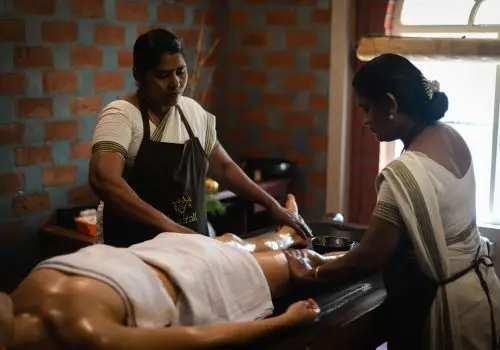
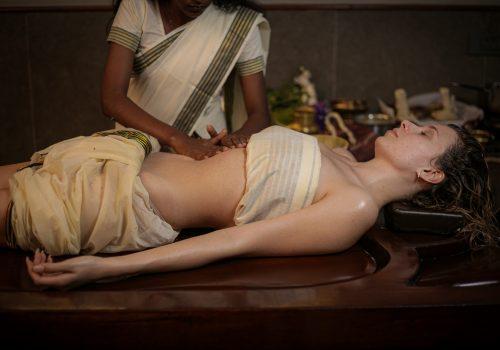
- Consistency in touch (therapist energy matters)
- Time for listening, not just prescribing
The 4 Pillars of Emotional Safety
| Factor | Low-Engagement Retreats | High-Touch Healing Model (Kairali Standard) |
|---|---|---|
| Doctor Consultation Time | 2–5 minutes/day | 20–40 minutes initial + daily reviews |
| Therapist Consistency | Rotational staff | Same therapist pair throughout |
| Bedside Manner | Transactional | Relationship-driven, family-style |
| Emotional Support | Minimal | Active listening + lifestyle coaching |
Real Patient Story (Anonymized)
“A 42-year-old executive from London came to Kerala after trying a popular beach Ayurveda centre. She told me: ‘I felt like I was on a spa holiday, not healing.’
At Kairali, her first consultation lasted 45 minutes. We discussed her stress history, sleep trauma, and even childhood patterns. By day 5, she said something powerful:
👉 ‘For the first time, I feel seen—not treated.’
Her insomnia reduced within 10 days—not because of herbs alone, but because her nervous system finally felt safe.”
Why Emotional Safety Matters Scientifically
Modern research aligns with Ayurveda:
- Parasympathetic activation (rest & digest) improves detox outcomes
- Trust reduces cortisol, enhancing digestion and immunity
- Consistent human touch regulates vagus nerve activity
👉 In Ayurveda terms:
Vata stabilizes only when the mind feels safe
Inland vs Beach vs Backwaters — Kerala Ayurveda Travel Guide
Choosing the Right Setting for Your Healing Goal
1. Beach Ayurveda Retreats
Best for: First-time travelers, relaxation seekers
Pros:
- Ocean views, holiday vibe
- Easy accessibility
- Social environment
Cons:
- Noise, humidity
- Less detox intensity
- Higher patient turnover
👉 Ideal if you want: “Wellness + Vacation”
2. Backwater Ayurveda Retreats
Best for: Privacy + slow-paced relaxation
Pros:
- Scenic, tranquil waterways
- Romantic and secluded
Cons:
- Limited medical infrastructure in some centres
- Ayurveda may not be primary focus
👉 Ideal if you want: “Luxury + Calm”
3. Inland / Forest Ayurveda Retreats
Best for: Deep detox, chronic healing
Pros:
- Cleaner air, less humidity
- Minimal noise pollution
- Structured healing environment
- Strong doctor-patient engagement
Cons:
- Less “touristy”
- Focus is healing, not entertainment
👉 Ideal if you want: “Transformation, not tourism”
Why Inland Retreats Deliver Deeper Healing
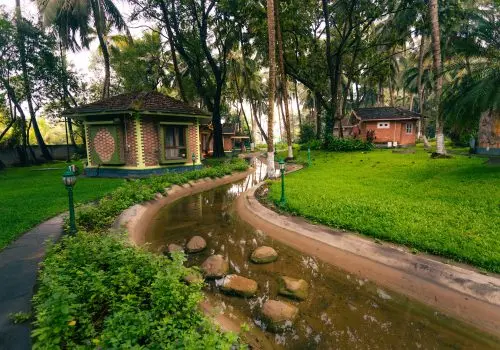
At inland centres like Kairali:
- Daily rhythms follow circadian + Ayurvedic cycles
- No external distractions (noise, crowds)
- Food, therapy, and lifestyle are synchronized
- Doctors track micro-progress daily
👉 This creates what we call:
“Immersive healing ecology”
Important Medical & Ethical Disclaimer
- Ayurveda supports holistic wellness but does not replace emergency medical care
- Treatment outcomes vary based on individual constitution (Prakriti)
- Always consult a qualified Ayurvedic practitioner before undergoing Panchakarma
Healing Is Not a Location—It’s a Relationship
Choosing the right Holistic wellness retreat or Kerala Ayurveda destination is not just about scenic beauty or luxury—it’s about how deeply you are cared for as a human being.
Beach and backwater retreats may offer relaxation and visual serenity, but true Ayurvedic transformation depends on something far more subtle:
👉 Time with your doctor
👉 Consistency of your therapist
👉 Emotional safety and trust
At inland healing environments like Kairali Ayurvedic Healing Village, the focus shifts from “treatment packages” to personal healing journeys—where every consultation, every therapy, and every interaction is designed to restore balance at a physical, emotional, and mental level.
In our experience at Kairali, patients don’t just leave lighter—they leave more connected to themselves.
So when you choose your Palakkad Ayurveda retreat, ask not just:
“Where will I stay?”
But more importantly:
👉 “Where will I truly be understood?”
Because in Ayurveda, the depth of healing always reflects the depth of human connection.
Website: www.ktahv.com
Call: +91-9555156156
About the Author
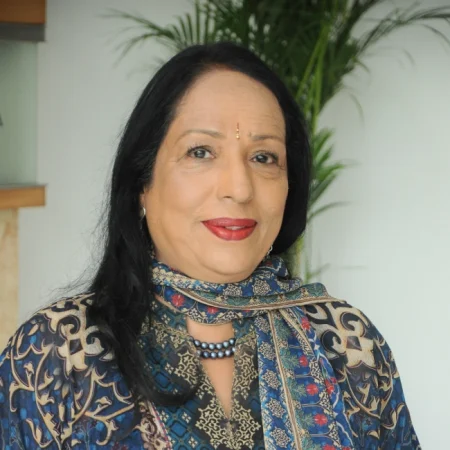
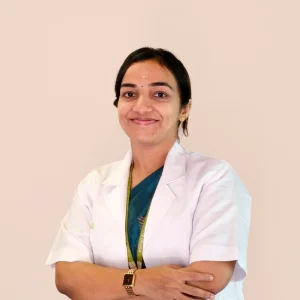
Dr. Ashikha Raj is a dedicated Ayurvedic physician and Resident Medical Officer (RMO) at Kairali – The Ayurvedic Healing Village. With over 8 years of hands-on experience, she brings a unique blend of classical Ayurvedic wisdom and modern therapeutic sensibilities to her clinical practice. She is known for her empathetic patient care, methodical diagnosis, and ability to create deeply personalized wellness journeys rooted in the ancient science of Ayurveda.
Dr. Ashikha believes that healing is not just about eliminating disease—it’s about rebalancing the body, mind, and spirit. She advocates for sustainable health through daily routines (Dinacharya), seasonal cleansing, and mindful living in harmony with one’s Dosha and environment. Her nurturing presence and deep listening skills make her a trusted guide for guests seeking transformation at Kairali.