


















Recovery from addiction is rarely a single event—it is a journey. Whether the challenge involves alcohol, tobacco, or other substances, recovery often requires physical healing, emotional resilience, behavioural change, and ongoing support. For many people, rebuilding health means addressing not only the effects of addiction on the body but also the daily habits and emotional patterns that contribute to it.
This is where Ayurveda offers a complementary perspective.
Rather than viewing addiction solely through the lens of physical dependence, Ayurveda considers the individual’s overall state of health, including digestion, sleep, emotional wellbeing, daily routine, and constitutional balance. An Ayurvedic rehabilitation retreat aims to support this broader process by combining physician-guided care, therapeutic treatments, personalised nutrition, Yoga Therapy, and lifestyle guidance in a structured healing environment.
It is important to note that addiction is a complex medical condition. Ayurvedic care should be viewed as a complementary approach and not a replacement for emergency care, medically supervised detoxification, counselling, or other evidence-based treatments where these are required.
Understanding Addiction Through the Ayurvedic Lens
Ayurveda describes health as a state of balance between the body, mind, and daily lifestyle. When this balance is disrupted over time, physical vitality and mental clarity may gradually decline.
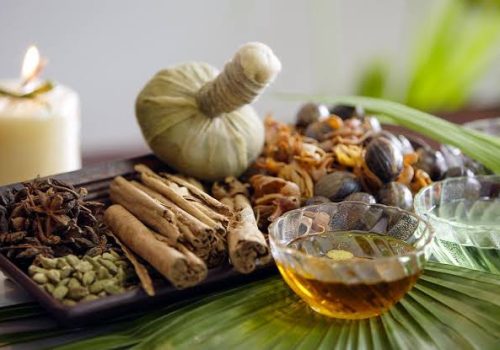
From an Ayurvedic perspective, prolonged substance use can affect digestion (agni), weaken overall vitality (ojas), and disturb the balance of the doshas. Practitioners assess each individual separately rather than applying a single treatment approach to every person. This personalised assessment helps guide recommendations for diet, daily routines, herbal preparations, and supportive therapies.
Rather than focusing on addiction alone, Ayurveda seeks to strengthen the body’s natural capacity to restore balance while encouraging healthier patterns of living.
Why Recovery Requires More Than Detoxification
Ending substance use is only one part of the recovery process.
Many people also experience disrupted sleep, poor nutrition, emotional stress, reduced physical energy, and changes in daily routine. These challenges can make it difficult to maintain long-term recovery without broader lifestyle support.
An Ayurvedic rehabilitation programme addresses these interconnected aspects of wellbeing through a combination of restorative therapies, mindful movement, nutrition, relaxation techniques, and physician-guided lifestyle recommendations.
The objective is not simply to remove harmful substances from the body but to help individuals develop healthier routines that support recovery over time.
What Happens During an Ayurvedic Rehabilitation Retreat?
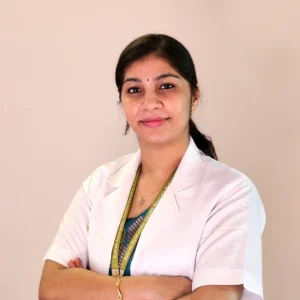
Every person’s recovery journey is different. For this reason, rehabilitation programmes at Kairali begin with a comprehensive consultation conducted by an Ayurvedic physician.
This assessment considers the individual’s health history, current concerns, constitution (prakriti), lifestyle, and recovery goals before a personalised programme is developed.
Depending on individual needs, a rehabilitation retreat may include:
- Ayurvedic physician consultations
- Personalised therapeutic treatments
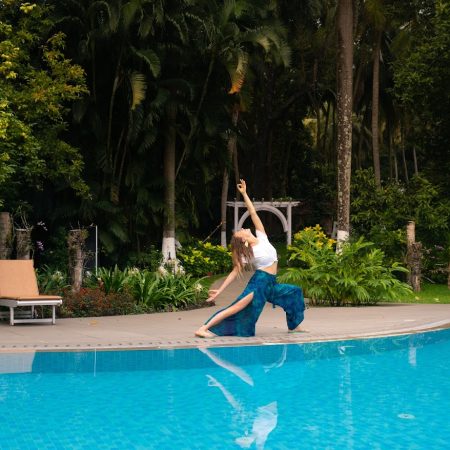
- Yoga Therapy and gentle movement practices
- Guided breathing exercises (pranayama)
- Meditation and relaxation techniques
- Ayurvedic meals prepared according to programme guidelines
- Lifestyle education to support long-term wellbeing
- Time for rest, reflection, and gradual recovery
Each element is designed to complement the others, creating an environment that encourages physical restoration while supporting emotional resilience.
How Ayurveda Supports the Recovery Journey
Ayurveda does not approach recovery through a single therapy. Instead, it combines multiple practices that work together to support overall wellbeing.
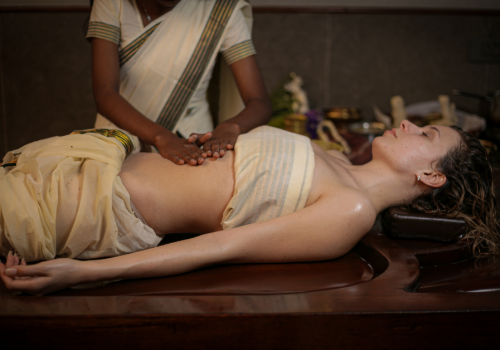
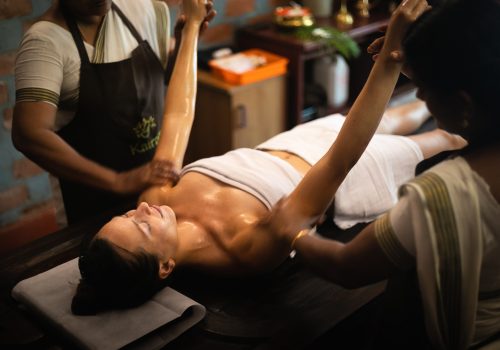
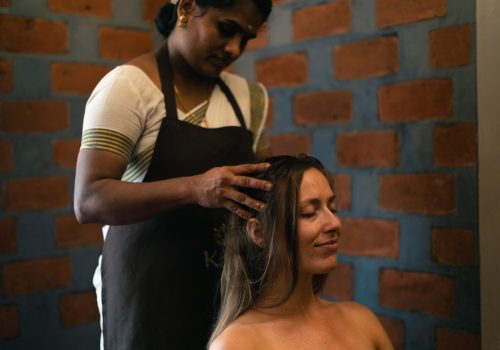
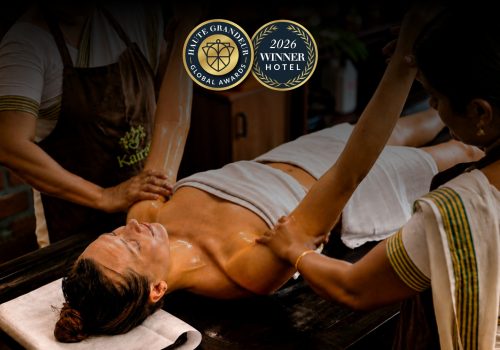
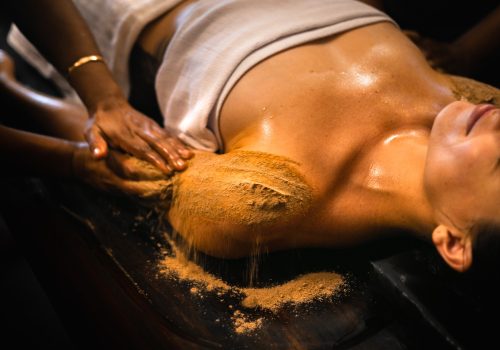
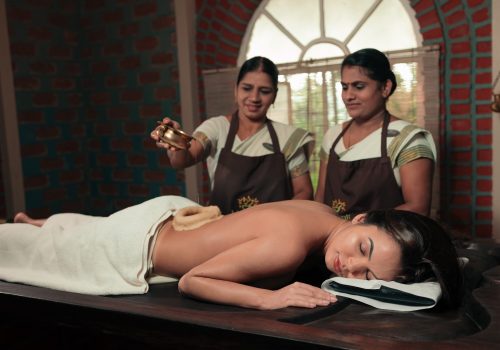
Therapeutic body treatments may help promote relaxation and comfort during periods of physical and emotional adjustment. Yoga Therapy and breathing practices encourage body awareness, mindful movement, and stress management. Individualised dietary recommendations aim to support healthy digestion and regular daily routines.
Together, these interventions seek to create conditions that allow individuals to rebuild healthy habits while working alongside appropriate medical care and psychological support.
A Personalised Approach to Different Types of Addiction
Ayurveda recognises that every individual presents with unique patterns of imbalance.
Traditional Ayurvedic practitioners may consider different doshic patterns when developing a rehabilitation programme. These assessments help guide supportive therapies and lifestyle recommendations rather than serving as medical diagnoses.
For example, an individual recovering from alcohol dependence may receive recommendations that focus on restoring digestive balance and supporting overall vitality. Someone recovering from tobacco use may receive therapies aimed at encouraging respiratory wellbeing and strengthening daily routines. In every case, treatment plans are personalised according to the individual’s constitution, health status, and recovery goals.
This emphasis on individualisation remains one of Ayurveda’s defining principles.
Building Healthy Habits That Last
Perhaps the most valuable outcome of a rehabilitation retreat is not what happens during the programme itself but what continues afterwards.
Recovery depends on consistency.
Simple habits—such as regular meals, adequate sleep, daily movement, breathing practices, and stress-management techniques—can become important foundations for long-term wellbeing.
An Ayurvedic retreat provides an opportunity to establish these routines in a supportive environment before gradually integrating them into everyday life.
Is an Ayurvedic Rehabilitation Retreat Right for You?
An Ayurvedic rehabilitation retreat like Kairali may be suitable for individuals who wish to complement their recovery journey with physician-guided holistic care focused on overall wellbeing and lifestyle support.
However, addiction affects every individual differently. Alcohol withdrawal and withdrawal from certain drugs can lead to serious medical complications that require immediate medical supervision.
For this reason, anyone considering an Ayurvedic rehabilitation programme should first discuss their situation with qualified healthcare professionals. Ayurvedic care works best when integrated with appropriate medical treatment, psychological support, and long-term recovery planning.
Recovery Is About More Than Breaking a Habit
Recovery is not simply about giving something up. It is about rebuilding health, confidence, and the routines that make long-term wellbeing possible.
Ayurveda approaches this process with patience rather than promises, recognising that meaningful recovery involves the body, the mind, and the choices we make every day.
Within a physician-guided rehabilitation retreat, personalised therapies, Yoga, mindful breathing, restorative treatments, and balanced nutrition come together to create an environment that supports positive lifestyle change. While no single approach can guarantee recovery, developing sustainable habits and receiving appropriate professional guidance can play an important role in the journey towards better health.
Website: www.ktahv.com
Call: +91-9555156156
Ayurveda may support overall wellbeing during recovery through personalised lifestyle guidance, therapeutic treatments, Yoga, meditation, and nutrition. It is best viewed as a complementary approach alongside appropriate medical care, counselling, and long-term recovery support.
Most programmes begin with a consultation with an Ayurvedic physician, followed by a personalised plan that may include therapeutic treatments, Yoga Therapy, breathing practices, meditation, Ayurvedic meals, and lifestyle guidance designed to support overall wellbeing.
While many people can benefit from a personalised wellness programme, individuals with alcohol or drug dependence should consult a qualified healthcare professional before joining a retreat. Some forms of withdrawal require immediate medical supervision and should not be managed without appropriate care.
The duration varies depending on individual health needs and recovery goals. Your Ayurvedic physician will recommend a programme based on your overall health, medical history, and personal objectives.