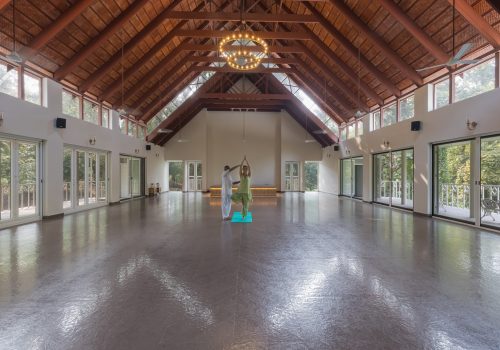
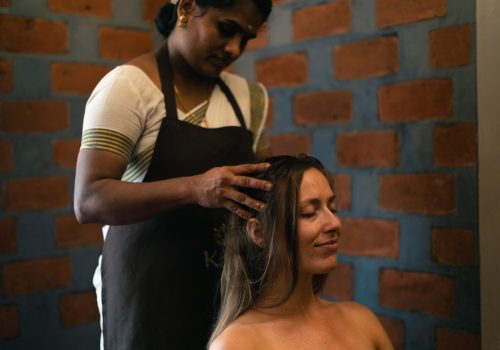
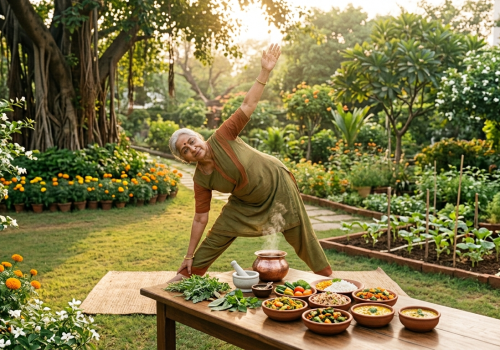
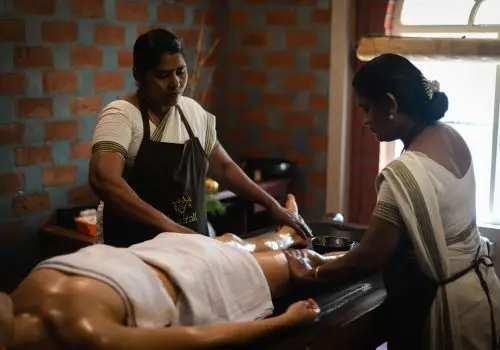













Over the past few decades, Ayurveda has undergone a remarkable transformation—from a deeply rooted traditional healing system practiced quietly in India to a globally recognized approach to holistic health. In the 1980s and 90s, visiting a Kerala Ayurvedic retreat was often limited to those familiar with its cultural and medicinal value. Today, it has evolved into a sought-after Ayurveda holiday in India, attracting wellness seekers from around the world.
This shift reflects a broader change in how people view health. Modern lifestyles, rising stress levels, and a growing interest in natural healing have led many to explore Ayurveda not just as a treatment, but as a complete way of life. As a result, destinations offering Ayurvedic wellness Kerala experiences have transformed into comprehensive holistic wellness retreats, blending ancient wisdom with contemporary comfort and global standards.
The journey of Ayurveda’s evolution is not about changing its core principles, but about adapting its presentation and accessibility for modern needs. This balance between tradition and innovation is what continues to make Ayurveda relevant—and increasingly essential—in today’s world.
The 80s & 90s: When Ayurveda Was Still “Hidden Wisdom”
In the 1980s and early 90s, Ayurveda wasn’t the global wellness movement it is today. At Kairali, founded on over 115+ years of Ayurvedic lineage, we saw:
- Limited international awareness
- Mostly local or regional patients
- Strong reliance on classical texts like Charaka Samhita
- Minimal integration with modern diagnostics
The Turning Point: Global Wellness Meets Kerala Ayurveda
By the late 90s and early 2000s, a shift began:
- Rising global stress and lifestyle disorders
- Dissatisfaction with purely symptomatic treatments
- Growing interest in preventive healthcare
Kerala emerged as a global hub for Ayurvedic wellness Kerala, thanks to:
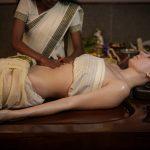
- Authentic Panchakarma therapies
- Climate ideal for detox (especially monsoon)
- Deep-rooted practitioner expertise
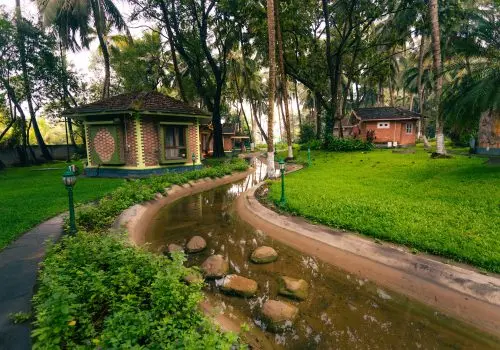
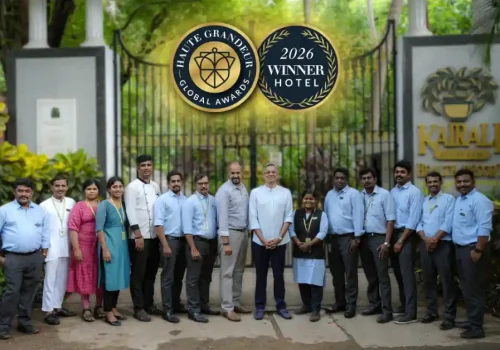
Kairali became one of the pioneer Ayurveda retreats, bridging ancient healing with global expectations.
How Kairali Balanced Tradition & Modern Innovation
1. Preserving Authenticity
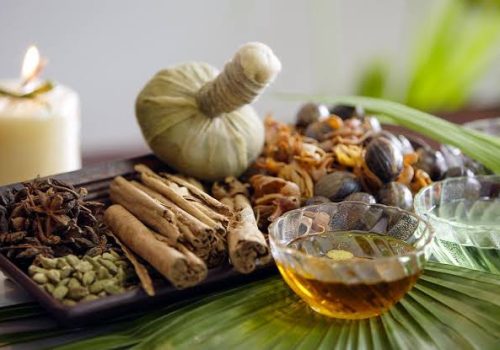
- Use of classical Ayurvedic formulations
- Strict adherence to dosha-based diagnosis
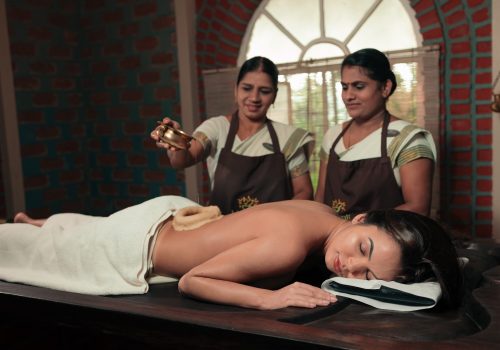
- Therapies performed by trained therapists from Kerala
2. Integrating Modern Science
- Diagnostic support (blood tests, imaging where needed)
- Evidence-backed herbal formulations
- Measurable treatment outcomes
3. Creating the “Ayurveda Holiday India” Experience
- Combining healing with comfort
- International patient support systems
- Cultural immersion + wellness education
Ayurveda Meets Modern Science
Today, research increasingly supports Ayurvedic principles:
- Gut health and immunity correlation (Agni concept)
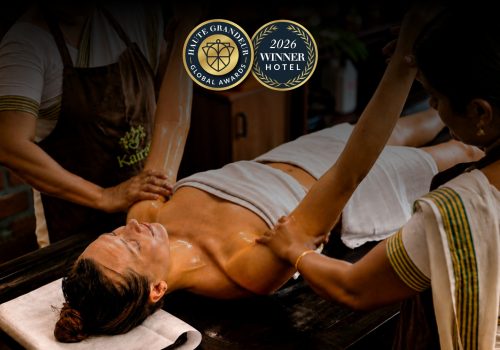
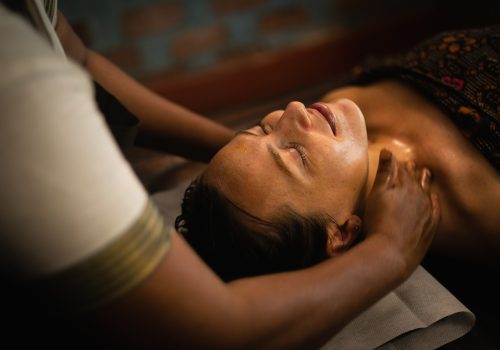
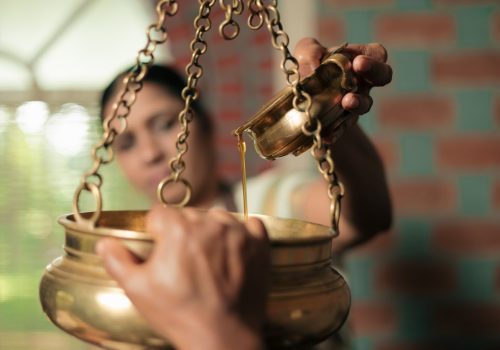
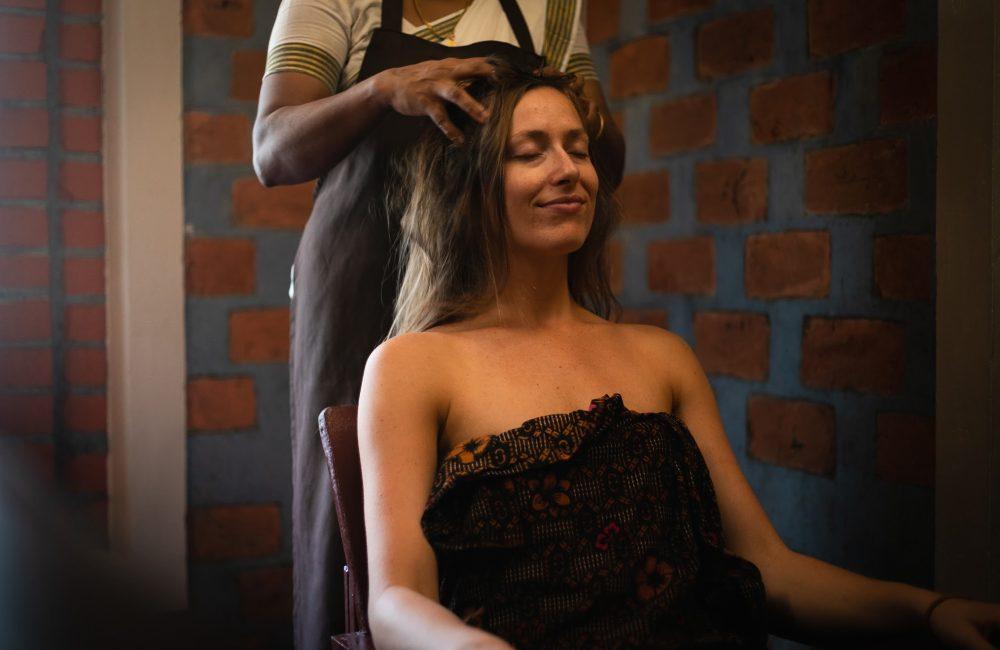
- Stress reduction through oil therapies like Shirodhara
- Anti-inflammatory effects of herbs like Ashwagandha
At Kairali, we combine:
👉 Ancient diagnostics (Nadi Pariksha)
👉 Modern health assessments
👉 Personalized wellness protocols
Interactive: Discover Your Ideal Ayurveda Path
Quick Self-Assessment:
- Do you experience chronic stress or fatigue?
- Do you have digestive issues?
- Are you seeking preventive wellness or treatment?
👉 Based on your answers, your path may include:
- Detox (Panchakarma)
- Rejuvenation (Rasayana)
- Lifestyle correction programs
What Defines a Modern Holistic Wellness Retreat Today?
A true holistic wellness retreat in 2026 must offer:
- Personalized treatments (not generic packages)
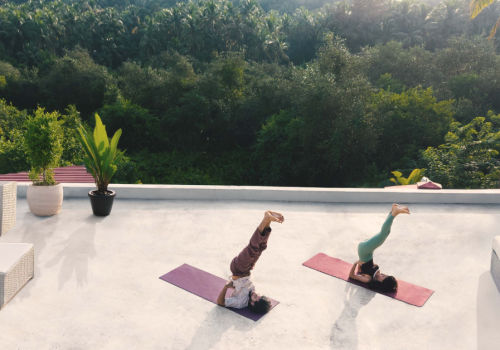
- Integration of mind-body healing
- Sustainable and eco-conscious practices
- Long-term lifestyle transformation
Kairali’s evolution reflects this shift—from treatment center to lifestyle transformation ecosystem.
Prevention Over Cure: The New Ayurveda Movement
The biggest evolution since the 90s?
👉 Ayurveda is no longer just about curing illness
👉 It’s about preventing imbalance
Modern patients now seek:
- Seasonal detox programs
- Stress management retreats
- Digital detox + mindfulness
Conclusion
The journey of Ayurveda from the 1980s and 90s to today reflects more than just growth—it represents a thoughtful evolution rooted in authenticity. What began as a traditional healing practice within India has now become a global wellness movement, with destinations like a Kerala Ayurvedic retreat redefining how people experience health and healing.
Pioneers such as Kairali have shown that it is possible to embrace modern expectations—comfort, accessibility, and global standards—without compromising the core principles of Ayurveda. This balance has transformed the concept of an Ayurveda holiday in India into a deeply immersive experience that goes beyond relaxation, offering lasting lifestyle change.
As the demand for natural and preventive healthcare continues to rise, the role of holistic wellness retreats and authentic Ayurvedic wellness Kerala experiences will only become more significant. The future of Ayurveda lies not in changing its ancient wisdom, but in continuing to share it with the world in ways that remain true to its essence.
Ultimately, Ayurveda’s strength is its timeless relevance—adapting to every generation while staying firmly grounded in its roots.
Website: www.ktahv.com
Call: +91-9555156156
About the Author
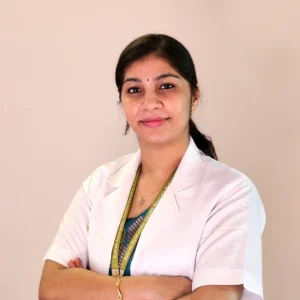
Dr. Akhila Oommen is a highly experienced Ayurvedic physician at Kairali – The Ayurvedic Healing Village, with over 9 years of dedicated practice in holistic health management. Her clinical approach is deeply rooted in classical Ayurvedic principles, complemented by a compassionate, solution-oriented mindset. Her ability to treat complex and chronic conditions with precision and empathy has earned her the trust of countless wellness seekers from around the world.
Dr. Akhila believes in empowering individuals through knowledge of their own constitution and imbalances. Her treatments are guided by the Ayurvedic principle of Swasthasya Swasthya Rakshanam—preserving the health of the healthy—and she emphasizes preventive care just as much as curative protocols. Her goal is not just to treat disease but to create balance across the body, mind, and spirit for sustainable well-being.