












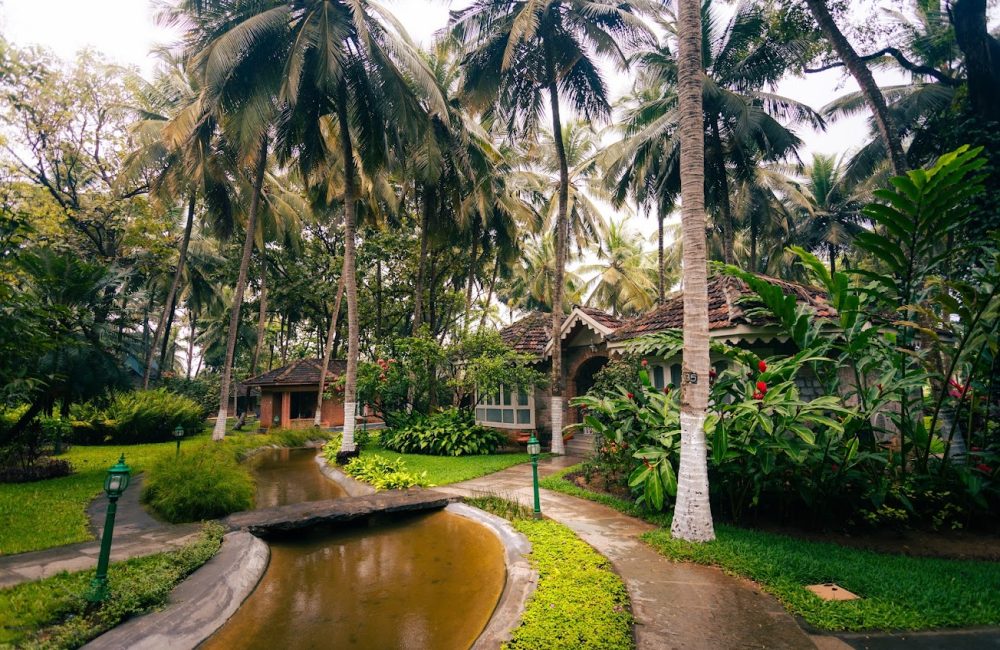

Kerala is the spiritual home of Ayurveda—but not every “Ayurveda spa” delivers authentic, clinician‑led care. The difference isn’t just ambiance; it determines whether you receive a bespoke, outcome‑oriented health program or a generic massage with Ayurvedic words sprinkled on top. For guests comparing options—especially solo female travelers and anyone seeking a natural healing retreat for women’s health in Kerala—this guide demystifies the markers of authenticity, what to verify before you book, and how Kairali – The Ayurvedic Healing Village safeguards standards.
Quick authenticity checklist (save this)
- Certification: Look for NABH (National Accreditation Board for Hospitals & Healthcare Providers) accreditation for Ayurveda hospitals/centres. This assures protocols for patient safety, hygiene, documentation, clinician oversight, and emergency readiness.
- Clinical governance: Initial BAMS doctor consultation (30–45 min), vitals, history, prakriti/vikriti assessment, and written prescription for therapies & herbs. Follow‑ups are scheduled and documented.
- Therapist credentials: Panchakarma/Ayurveda therapist diploma or state‑recognized training (typically 900–1,200+ hours) with supervised clinical internships. Therapist‑to‑guest ratio and gender‑concordant therapists for intimate therapies.
- Pharmacy & formulations: On‑site or partner GMP‑compliant pharmacy. Clear sourcing for oils/ghee, with batch numbers on bills where applicable.
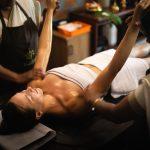
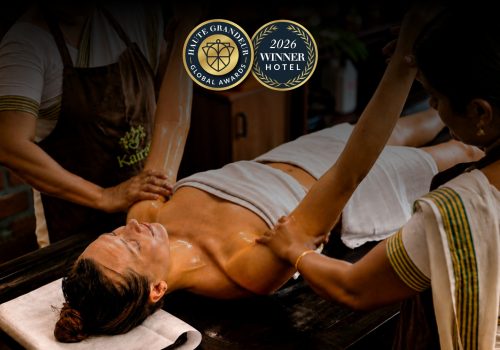
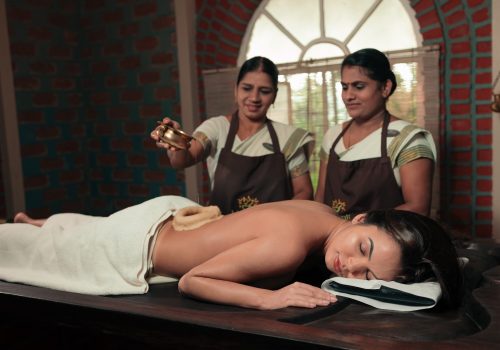
- Treatment environment: Dedicated therapy rooms with shirodhara stands, dhara vessels, sterilized linens, calibrated steam boxes, and temperature‑controlled medicated oils.
- Program design: A defined treatment pathway (assessment → daily therapies → diet → yoga/pranayama → progress notes → discharge plan). Anything offering “mix‑and‑match massages” is likely not clinical Ayurveda.
- Diet & yoga integration: Personalized meal plan aligned with your dosha and condition. Therapeutic yoga/pranayama/meditation sequenced to treatments—not just a generic class.
- Women’s safety & dignity: Private accommodation options, panic‑free support, female therapists on request, consent‑first protocols for draping and touch, and night‑duty security.
- Outcome focus: Specific goals—e.g., pain scores, sleep quality, cycle regularity, gut metrics—with before/after tracking. No miracle claims.
- Transparent pricing: Clearly itemized Ayurvedic rejuvenation packages, with inclusions/exclusions, medical oversight spelled out, and a medical escalation plan.
What is NABH—and why you should care
NABH is India’s gold standard for healthcare accreditation. For Ayurveda centres, it evaluates everything from physician qualifications and therapy room standards to emergency preparedness and infection control. In practical terms, NABH tells you that a retreat isn’t a décor‑driven spa but a healthcare facility with audited processes, documentation, and safety drills.
How to verify NABH status (2-minute check):
- Visit the NABH directory; search by centre name/location.
- Confirm the current validity dates and category (AYUSH/Ayurveda hospital, entry/final level, certification vs accreditation).
- Ask the centre to share their certificate and unique accreditation number; match it with the directory.
- If a retreat cites historical accreditation, ask about renewals or upgrades and request written confirmation.
Tip: A genuine centre will proactively provide validity dates, scope of accreditation, and escalation protocol contacts.
Therapist credentials: what “qualified” really means
Authentic Ayurveda is delivered by a team: the BAMS physician (or MD Ayurveda) diagnoses and prescribes; Panchakarma therapists execute therapies exactly as ordered.
For doctors
- Degree: BAMS (Bachelor of Ayurvedic Medicine & Surgery) or higher (MD/MS Ayurveda)
- Registration: State Medical Council/AYUSH Board registration
- Scope: History taking, clinical exam, diagnosis, personalized prescription, and discharge summary
For therapists
- Training pathway: State‑recognized diploma or certificate in Ayurveda therapy/Panchakarma (often 1–2 years or ~1,000+ hours), including anatomy & physiology basics, asepsis, draping ethics, contraindications, oil preparation, and dose/temperature control
- Internship: Supervised clinical rotations in an Ayurveda hospital/teaching centre
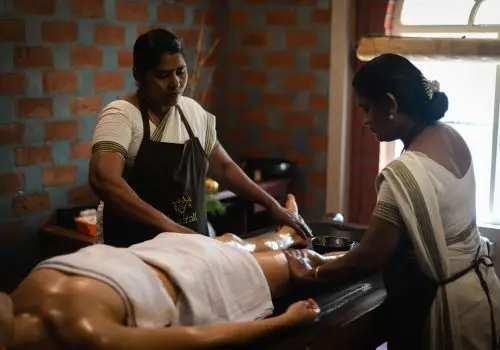
- Competencies: Abhyanga, shirodhara, pizhichil, kizhi (podikizhi/ela kizhi), nasya, kati basti, udwartana, swedana, netra/karna protocols, documentation and handover to the physician
- Safeguards for women: Gender‑concordant therapists for intimate therapies, chaperone policies on request, written consent, and strict draping to protect dignity
If a venue can’t clearly state therapist qualifications, walk away.
Tourist trap red flags (and what they signal)
- “Menu‑card Ayurveda”: A la carte massages without physician assessment. Signal: No clinical accountability; potential for harm (e.g., deep pressure on acute inflammation).
- Single‑room‑for‑all therapies: Lack of dedicated rooms/equipment; signal: poor hygiene and unsafe temperature control for oils and steam.
- No medical history taken: Signal: Contraindications are being ignored (e.g., shirodhara in uncontrolled hypertension; strong swedana in pregnancy).
- Ambiguous pricing: “Package” excludes mandatory consults or medicines; signal: upselling mid‑stay.
- No outcomes mentioned: Only “relaxation,” no data; signal: experience‑led, not results‑led.
- Stock photos and vague bios: No physician names, no credentials; signal: staffing instability or outsourcing.
- Pressure tactics: Deep discounts if you “book now,” limited‑time WhatsApp offers; signal: inventory‑driven sales culture.
What to verify before you book (copy‑paste these asks)
1) Accreditation & compliance
- “Please share your NABH accreditation certificate with validity dates and scope.”
- “Are you audited for infection control, emergency response, and medical waste management?”
- “Do you provide a discharge summary with home‑care guidance?”
2) Medical team & therapists
- “Who is the resident BAMS physician? May I have their registration number?”
- “How many full‑time Panchakarma therapists do you employ? What are their training hours and years of experience?”
- “Do you guarantee female therapists for women’s therapies?”
3) Programs & outcomes
- “What are the treatment pathways for (back pain/PCOS/insomnia/digestive issues)?”
- “How do you track progress (pain scales, sleep scores, cycle regularity, GI symptoms)?”
- “Can I see a sample daily schedule and a discharge plan?”
4) Safety & privacy
- “Do you have 24×7 clinical cover and tie‑ups with a nearby emergency facility?”
- “What is your consent and draping policy? Is there CCTV in public areas (not treatment rooms) and night security?”
5) Pricing transparency
- “Please itemize the Ayurvedic rejuvenation package: doctor consults, therapies per day, medicines, yoga, meals, lab tests, airport transfers, taxes.”
- “Any add‑on costs I should anticipate?”
Why Kairali – The Ayurvedic Healing Village sets a higher bar
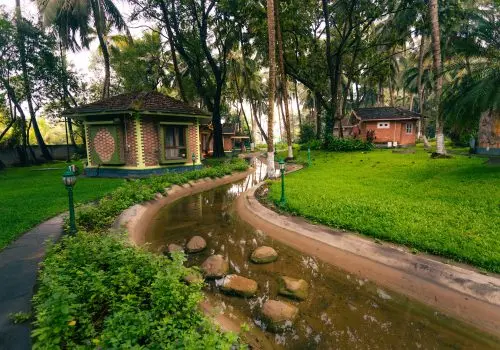
For over three decades, Kairali – The Ayurvedic Healing Village in Palakkad, Kerala, has specialized in delivering physician-designed programs that integrate classical Ayurveda with contemporary safety standards and rigorous clinical documentation practices.
What makes Kairali different
- Accreditation culture: To ensure the highest standards, Kairali conducts independent audits, maintains detailed SOPs for therapies and hygiene, and practices rigorous incident readiness. Together, these measures form the infrastructure that supports authentic Ayurveda—not merely its architecture.
- Doctor-led personalization: From the outset, every guest begins with a consultation led by a BAMS physician. The physician integrates the guest’s prakriti/vikriti profile, medical history, and, when clinically indicated, current laboratory findings to shape an individualized therapy plan.
- Therapist excellence: In parallel, Kairali employs Panchakarma therapists who undergo formal training and accumulate supervised clinical experience. Moreover, established protocols guide oil temperature, draping, and dosage, while supervisors actively review daily clinical execution.
- Women‑first safeguards: For guests seeking a solo female wellness retreat in Kerala, Kairali guarantees female therapists for women’s therapies, privacy‑respecting draping, optional chaperones, and female‑only yoga sessions on request—along with 24×7 security and concierge support.
- Integrated care stack: Beyond treatments, Kairali pairs therapeutic dietetics, tailored yoga, pranayama, meditation, and circadian hygiene—because authentic Ayurveda works as a system, not a single therapy.
- Outcome reporting: Guests receive a discharge report with home regimen, herbs/doses, diet, yoga flows, and warning signs.
Signature programs (examples)
- Classical Panchakarma (Detox and Rejuvenation): As a foundational offering, this program supports metabolic reset, promotes skin health, enhances joint mobility, and addresses stress-related inflammation.
- Women’s Health Focus: Specifically, this stream provides cycle-regulation support, perimenopausal comfort, and post-partum nourishment, thereby positioning the program as a thoughtfully curated natural healing retreat for women’s health in Kerala.
- Musculoskeletal Relief: For targeted structural care, spine and joint protocols integrate kati basti, kizhi, abhyanga-swedana, and corrective yoga practices.
- Sleep and Stress Care: Finally, this pathway emphasizes Nidra-supportive routines, incorporating clinically appropriate shirodhara variants, breath-work, and integrative mind–body rituals.
Looking specifically for Ayurvedic rejuvenation packages? Kairali offers multi‑duration stays (typically 7–21+ nights) with clear inclusions—consults, therapies, yoga, meals, and follow‑ups.
A first‑time guest’s journey at Kairali (what it looks like)
- Pre‑arrival triage: You complete a health form and optionally upload recent labs. The clinical team screens for contraindications (e.g., severe anemia before vamana/virechana) and suggests the right duration.
- Day‑1 assessment: BAMS doctor consult (30–45 min) with vitals, palpation, tongue/pulse, and prakriti/vikriti analysis. You receive a written plan of therapies, herbs, yoga, and diet.
- Daily rhythm: Morning vitals → physician check‑in → prescribed therapies in dedicated rooms → therapeutic meals → yoga/pranayama/meditation → restorative sleep routine.
- Progress notes: Therapists document responses; physicians adjust the plan.
- Discharge summary: You leave with a report including regimen, do‑don’ts, relapse prevention, and when to review online.
Special note for solo female travelers
An authentic retreat protects both outcomes and dignity. Kairali’s protocols for solo female wellness retreat Kerala include:
- First, Kairali guarantees female therapists for women’s therapies, ensuring comfort and cultural sensitivity.
- In addition, the care team prioritizes consent-first communication, implements a written draping policy, and provides private changing spaces to safeguard personal dignity.
- To further enhance safety, the facility ensures discreet room allocation, maintains well-lit internal pathways, and provides round-the-clock (24×7) security.
- Moreover, guests may choose optional women-only yoga groups or individualized one-to-one yoga sessions, depending on personal preference and therapeutic need.
- Finally, a dedicated guest relations manager actively coordinates individual requirements, thereby ensuring continuity of care and seamless communication throughout the stay.
How to compare retreats (a simple scoring grid)
Use this 10‑point self‑audit to compare options. Score each item 0–2 (0 = absent, 1 = partial, 2 = strong). A true kairali ayurvedic health retreat‑level experience typically scores 16+.
- NABH or equivalent accreditation
- On‑site BAMS doctor (full‑time) & documented consult
- Named therapist roster + training hours
- Dedicated therapy rooms + sterilization SOPs
- Personalized diet + therapeutic yoga
- Daily physician rounds + progress notes
- Discharge report with home plan
- Women’s safety policies & gender‑concordant therapists
- Transparent, itemized pricing for Ayurvedic rejuvenation packages
- Emergency tie‑ups and incident readiness
How to use it: Add your scores across retreats. Anything below 12 is likely a tourist‑oriented spa.
FAQs
Is a luxury spa with “Ayurveda treatments” authentic? Not necessarily. In practice, doctor-led diagnosis, rigorous therapist training, and well-defined clinical protocols determine authenticity—not décor.
Do I need 21 days for results? Not always. In fact, while classical Panchakarma programs typically span 14–28 days, focused interventions—such as stress-sleep regulation and musculoskeletal care—can begin delivering results within 7–10 days, provided clinicians individualize the treatment plan.
Are herbal medicines included in packages? Often, many centres charge for them separately. Therefore, authentic centres specify inclusions upfront and supply GMP-compliant labels along with clear dosage instructions.
Is Ayurveda safe for women traveling alone? Yes—when centres implement robust female-safety protocols. Accordingly, always confirm therapist gender policies, explicit consent and draping standards, and reliable after-hours support.
The bottom line
If you want genuine results from Ayurveda, begin by choosing accreditation over adjectives. First, verify NABH accreditation; next, insist on a BAMS-led care plan; then, confirm therapist credentials; and finally, seek a system that actively integrates diet, yoga, and daily physician follow-up. Ultimately, this deliberate approach distinguishes a tourist-trap spa from a Kairali Ayurvedic health retreat that delivers measurable outcomes.
Plan your stay at Kairali – The Ayurvedic Healing Village
- Explore our Ayurvedic rejuvenation packages by goal and duration
- Ask for a women’s health–focused itinerary (cycle health, perimenopause support, post‑partum nourishment)
- Request a solo female wellness retreat Kerala plan with female therapists and dedicated yoga sessions
- Share your health history to receive a clinically appropriate program
Ready for an outcome‑oriented Ayurveda journey? Book free doctor consultation today at +91-9555156156 or visit www.ktahv.com
About the Author
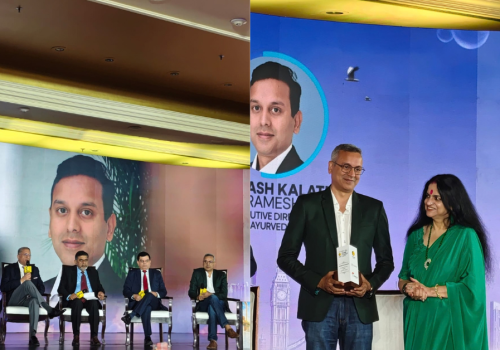
Abhilash K. Ramesh represents the new generation of Ayurvedic entrepreneurship. In his role as Executive Director at Kairali Ayurvedic Group, he actively drives the global expansion of Ayurveda by establishing wellness centers, forging franchise partnerships, and developing integrative healing programs across more than 30 countries.
Moreover, drawing on his background in international business and a vision rooted in ancient healing wisdom, Abhilash deliberately aligns Ayurveda with modern wellness trends, technology-driven health solutions, and integrative care models. Consequently, his thought leadership bridges Eastern and Western perspectives, thereby making Ayurveda relevant and accessible to contemporary global audiences.