




























Menopause brings many changes to a woman’s body. Sleep may become irregular, energy levels may fluctuate, and hot flashes can affect daily comfort. Some women also experience mood changes, dry skin, and difficulty concentrating.
These changes are a normal part of ageing. However, they can sometimes make everyday life more challenging.
Ayurveda offers a traditional approach to women’s well-being through personalised routines, diet, relaxation, and lifestyle practices.
But how does Ayurveda understand menopause, and where can it fit into modern women’s healthcare?
Understanding Menopause in Ayurveda
Menopause is a natural stage of life when menstrual periods permanently stop. The years leading up to menopause are known as perimenopause.
During this transition, changing hormone levels can affect sleep, body temperature, mood, and other functions.
Ayurveda looks at these changes through three traditional concepts known as doṣas: Vāta, Pitta, and Kapha.
Each is associated with different physical and functional qualities.
- Vata: Traditionally linked with movement, dryness, and irregularity. Sleep disturbances and dryness may be interpreted through this pattern.
- Pitta: Associated with heat and transformation. Hot flashes and feelings of excess heat may be considered in this context.
- Kapha: Linked with stability and heaviness. Changes in energy and feelings of sluggishness may be assessed through this framework.
These descriptions belong to Ayurveda’s traditional medical system. They do not explain the hormonal changes of menopause in modern biological terms.
How Ayurveda Approaches Women’s Well-Being
Ayurvedic care begins with understanding the individual.
Practitioners consider daily routines, digestion, sleep, lifestyle, and two traditional concepts: prakṛti (individual constitution) and vikṛti (current imbalance).
This information helps guide the selection of suitable practices.
An Ayurvedic approach may involve dietary guidance, traditional oil therapies, gentle yoga, and relaxation techniques.
The goal is to develop a routine suited to the person’s needs. However, these practices should not be presented as proven ways to restore hormone levels or eliminate menopause symptoms.
Ayurvedic Therapies and Daily Practices
Several traditional practices may form part of an Ayurvedic wellness programme.
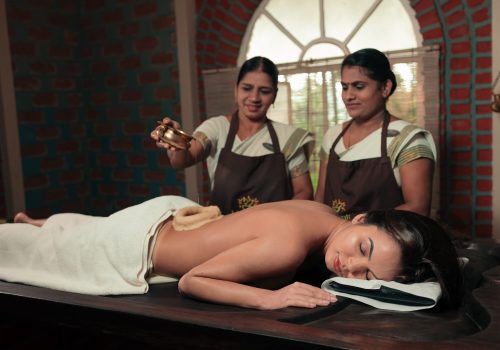
Abhyanga: Traditional Oil Massage
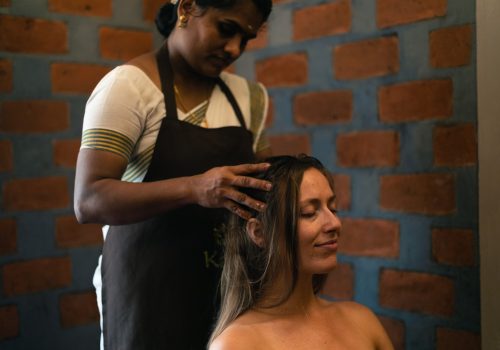
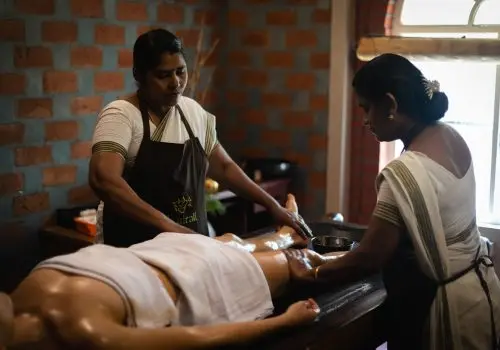
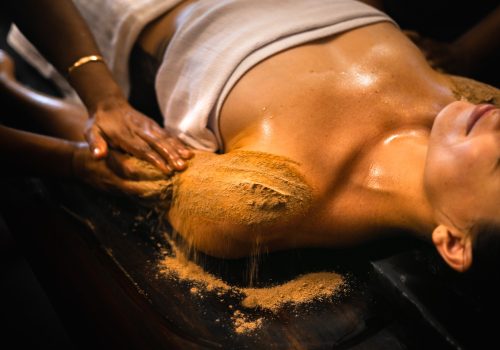
Abhyaṅga is a form of massage using oils selected according to an Ayurvedic assessment.
It is commonly included in wellness routines for relaxation and physical comfort.
While massage may feel soothing, there is insufficient evidence that Abhyanga directly changes hormone levels or reduces menopausal hot flashes.
Shirodhara: A Relaxation Practice
Śirodhārā involves the gentle flow of oil or another prescribed liquid over the forehead.
It is traditionally associated with calming practices.
Research on its effects remains limited, particularly for menopause. It should be viewed as a traditional wellness procedure rather than an established hormonal therapy.
Yoga and Breathing Practices
Gentle yoga, breathing exercises, and meditation may help women maintain a regular routine and manage everyday stress.
Yoga can also provide opportunities for movement, stretching, and relaxation.
Some research suggests that mind-body practices may support certain aspects of well-being during menopause. However, evidence that yoga directly reduces hot flashes is not conclusive.
The Role of Diet and Sleep
Ayurveda places importance on regular meals, adequate rest, and consistent daily habits.
These principles can also be useful during menopause.
A balanced diet that includes vegetables, fruits, whole grains, protein, and other essential nutrients supports general health.
Sleep is equally important. Keeping a regular bedtime, maintaining a comfortable sleeping environment, and reducing late-night screen use may help support better sleep habits.
Ayurveda refers to a consistent daily routine as dinacaryā.
Rather than following complicated wellness rules, women can begin with simple habits that fit their lifestyle.
What About Ayurvedic Herbs?
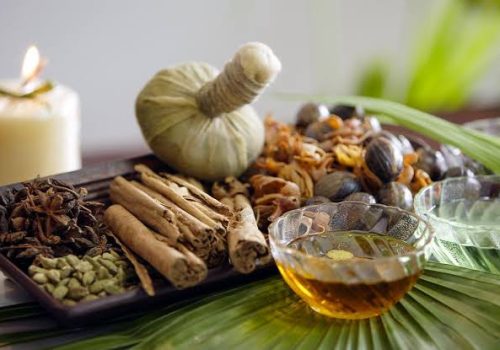
Several herbs appear in traditional Ayurvedic discussions of women’s health.
These include:
- Shatavari (Asparagus racemosus): Traditionally used in women’s health preparations.
- Ashoka (Saraca asoca): Used in classical Ayurvedic formulations associated with women’s reproductive health.
- Brahmi: A traditional name used for plants included in preparations associated with mental well-being.
- Guduchi (Tinospora cordifolia): Used in various traditional Ayurvedic formulations.
These traditional uses do not establish that the herbs balance hormones or relieve menopause symptoms.
Herbal products may also have side effects and interact with prescription medicines. Some are unsuitable for people with particular medical conditions.
Always consult a qualified healthcare professional before taking herbal preparations.
Women’s Hormonal Wellness at Kairali
Kairali – The Ayurvedic Healing Village is located in Palakkad, Kerala. It offers physician-led Ayurvedic programmes in a peaceful natural setting.
Its Women’s Hormonal Balance & Endocrine Therapy programme includes individual assessments and traditional Ayurvedic practices.
Depending on the physician’s assessment, the programme may involve oil-based therapies, yoga, meditation, dietary guidance, and recommended daily routines.
Kairali is an NABH-accredited Ayurvedic hospital, and its approach centres on individual assessment and supervised care.
For women considering an Ayurvedic wellness stay during menopause, it is important to understand the purpose and limitations of each proposed therapy.
An Ayurvedic programme should complement, not replace, appropriate medical care.
Can Ayurveda Help During Menopause?
Ayurveda provides a traditional framework for understanding individual needs and daily well-being.
Its focus on regular routines, rest, food, and relaxation may appeal to women looking for a structured approach to self-care.
However, scientific evidence is not strong enough to conclude that Ayurvedic therapies restore hormonal balance or reliably relieve menopause symptoms.
Effective medical options are available for troublesome symptoms, including hormone therapy and non-hormonal treatments. A qualified healthcare professional can explain their benefits and risks.
Women experiencing persistent hot flashes, significant sleep disruption, unusual bleeding, or other concerning symptoms should seek medical advice.
Final Thoughts
Menopause is a natural transition, but every woman’s experience is different.
Ayurveda encourages attention to individual habits, daily routines, and overall well-being. Some of these practices can be explored alongside conventional healthcare.
The important step is to choose approaches that are safe, suitable, and supported by a realistic understanding of what they can offer.
For more information about Kairali’s traditional approach, explore its Women’s Hormonal Balance & Endocrine Therapy programme.








Your thoughts are always so well-organized and presented.