



















Fertility is deeply personal. And when you’re exploring support—whether you’re actively trying to conceive, preparing for IVF, managing PCOS/endometriosis, or simply trying to feel “steady” again—doing it solo can feel both empowering and overwhelming.
Ayurveda retreats in Kerala are often searched as a gentler, whole-body approach: reducing inflammation, improving digestion and sleep, balancing hormones, lowering stress load, and building healthier daily rhythms. Done well, this can complement medical care. Done poorly (or with unrealistic promises), it can waste time, money, and emotional energy.
This guide is written for solo women who are considering fertility wellness at an Ayurveda retreat—what’s realistic, what to ask, how to prepare, and how to integrate Ayurveda safely with Western fertility treatment. If you’re also comparing options, you’ll see why many travellers shortlist a kairali retreat kerala experience when searching for the best ayurvedic treatment in kerala and the best retreat in kerala for physician-guided care.
First: What “fertility wellness” at an Ayurveda retreat actually means
At an authentic Ayurveda retreat, “fertility wellness” is typically not a single magic therapy. It is a whole-body stabilisation plan that focuses on the systems that influence reproductive health, such as:
- digestion and nutrient assimilation
- sleep and stress physiology
- menstrual regularity support (when applicable)
- inflammation and fatigue management (when relevant)
- pelvic-area circulation and nervous system calming
- sustainable routines you can continue at home
In Ayurveda terms, care is often designed to support balanced Apana Vata (downward-moving energy), digestion (Agni), tissue nourishment (Dhatu), and calm mind-body regulation—without overpromising outcomes.
A reputable retreat (including a doctor-led centre like Kairali retreat Kerala) will usually position this as supportive care, not a replacement for gynaecology, endocrinology, or fertility medicine.
Who this kind of retreat can be especially helpful for
A retreat environment may be meaningful if you resonate with one or more of these:
- You’re planning pregnancy in the coming months and want to build a stronger baseline (sleep, digestion, stress, routine).
- You’ve been on a long fertility journey and feel depleted—physically and emotionally.
- You’re preparing for IUI/IVF and want to support your body with better recovery, nervous system regulation, and diet structure.
- You have cycle discomfort, irregular sleep, anxiety, or digestive symptoms alongside fertility concerns.
- You prefer privacy, and want a medically guided plan without constant social pressure.
This is why many solo women search for best retreat in kerala or best ayurvedic treatment in kerala specifically: Kerala retreats often combine physician supervision with a calm, contained environment that supports consistency.
When a retreat may NOT be the right move (or needs extra caution)
It’s important to be direct here. You should seek medical clearance or postpone certain therapies if you have:
- active pregnancy (unless the retreat explicitly offers antenatal care under medical guidance)
- recent miscarriage or procedure (timing needs medical approval)
- uncontrolled thyroid disease, diabetes, severe anaemia, or hypertension
- severe endometriosis flare, heavy bleeding, or pelvic infection symptoms
- recent ovarian stimulation cycle or egg retrieval (you’ll need a recovery window)
- a history of blood clots or on anticoagulants (some treatments may be contraindicated)
A responsible Ayurveda doctor will ask these questions before planning therapies. If someone doesn’t—consider it a red flag.
Fertility wellness is not only “reproductive”—it’s also metabolic + nervous system
Many women think fertility is only about hormones. But in practice, fertility outcomes can be influenced by:
- sleep depth and circadian rhythm
- insulin resistance / metabolic health
- gut inflammation and nutrient absorption
- chronic stress and cortisol patterns
- body weight swings (both extremes)
- thyroid function and micronutrient status
At a structured centre like Kairali, the most useful benefit can be routine engineering: consistent meals, regulated sleep cues, guided movement, and therapies that calm the nervous system.
Think of it this way:
Western medicine helps with diagnosis and targeted intervention.
Ayurveda retreat care can help build the terrain—so you’re not trying to conceive from a place of depletion.
Preparation Protocols: What to do before you arrive
A fertility-focused retreat is more successful when you arrive prepared. Here’s a practical checklist.
1) Collect your recent medical reports
Bring or email (PDF) any relevant results, such as:
- AMH, FSH, LH, Estradiol (day 2/3 if available)
- TSH, Free T3/T4, HbA1c, fasting insulin/glucose (if applicable)
- prolactin, vitamin D, ferritin, B12
- ultrasound summaries (PCOS/endometriosis/fibroids if present)
- semen analysis (if you’re actively trying with a partner)
- IVF/IUI protocol history (if you’ve already started)
This helps the Ayurveda physician create a plan that doesn’t clash with ongoing treatment.
2) Decide your “primary goal” for the retreat
Fertility is emotional and wide. Make it concrete. For example:
- “I want to sleep through the night consistently.”
- “I want a digestion plan I can follow at home.”
- “I want a cycle-support routine for the next 90 days.”
- “I want stress regulation before my next IVF attempt.”
Clear goals help avoid vague, disappointing experiences.
3) Choose timing carefully
For many solo women, timing matters more than the destination.
Often preferred windows (general guidance):
- If you are actively doing IVF/IUI: consider going between cycles, not during stimulation or immediately after procedures.
- If you are preparing naturally: 2–6 weeks before your intended trying window can be practical.
- If your cycles are irregular: a longer stay can help you implement rhythm.
(Always align with your fertility specialist.)
4) Reduce stimulants 7–10 days before arrival (if possible)
Many retreat routines are built around calmer digestion and better sleep. A sudden crash from caffeine/alcohol/sugar can make the first few days harder. Gentle tapering helps.
5) Pack for modest comfort + privacy
Solo women often ask this: “Will I feel safe and comfortable?”
In a well-run Kerala retreat environment, you can maintain privacy with the right packing:
- breathable cotton loungewear for therapies
- a light shawl/scarf
- closed footwear for walking around the property
- a small notebook for tracking symptoms, sleep, and appetite
- any essentials for your cycle (pads/tampons/period underwear)
What a fertility-supportive Ayurveda retreat plan may include
At a doctor-led retreat like Kairali – The Ayurvedic Healing Village, the plan is typically personalised. Still, many fertility-wellness programmes share common pillars:
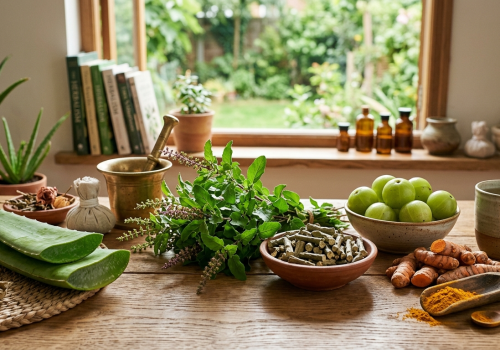
1) Food as therapy (not dieting)
A fertility-supportive Ayurvedic diet is usually:
- warm, cooked, and easy to digest
- structured meal timings
- focused on steady energy and nutrient absorption
- gentle on gut inflammation
If you have insulin resistance, thyroid concerns, or digestive issues, food planning becomes even more important. The goal is not restriction—it’s assimilation and stability.
2) Sleep + nervous system regulation
For many women, fertility stress becomes its own cycle: worry → poor sleep → hormonal disruption → more worry. Retreat routines support:
- fixed sleep/wake timing
- reduced screen and stimulation
- calmer evenings
- breathwork and gentle yoga
This is one of the most valuable parts of a retreat—especially for solo travelers who need emotional quiet.
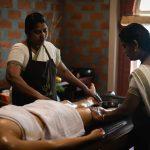
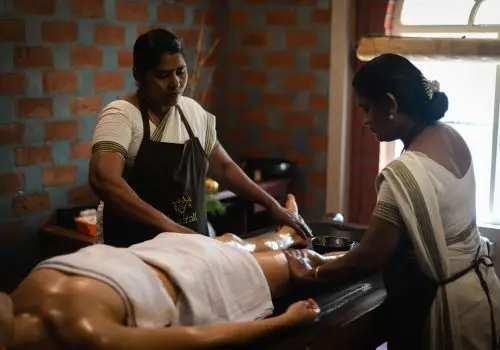
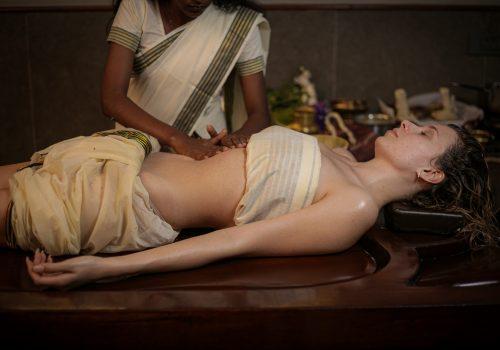
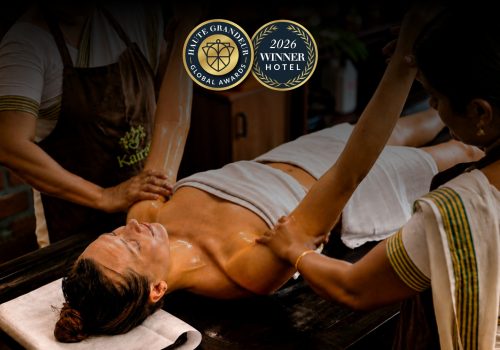
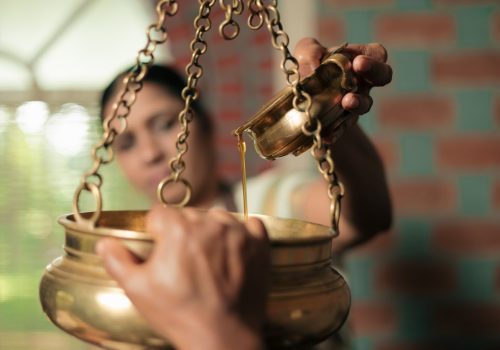
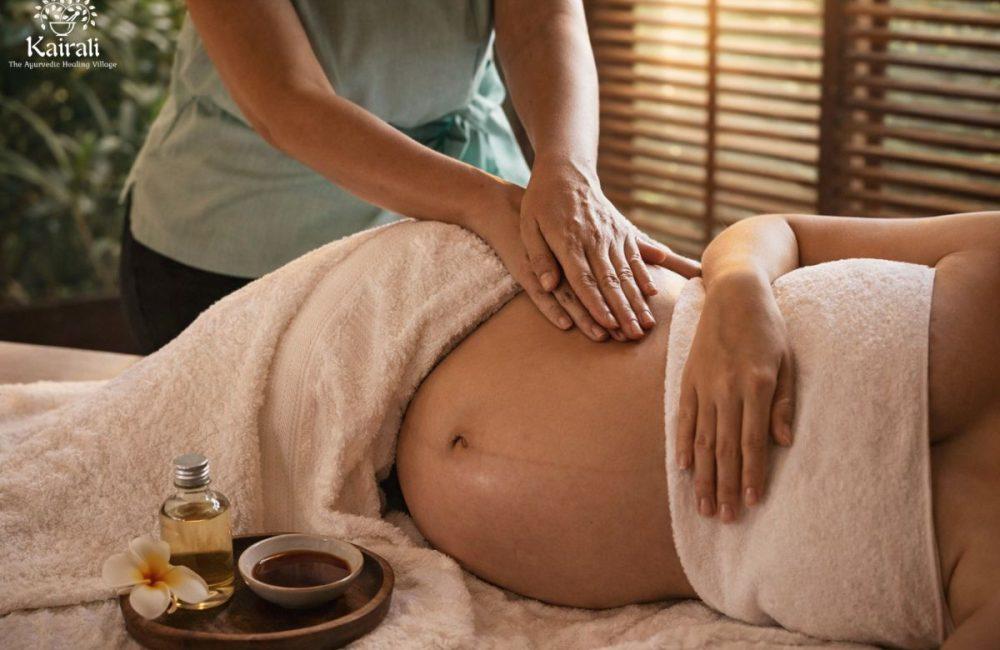
3) Physician-guided therapies
Depending on your constitution and medical history, a physician may suggest therapies that are traditionally used to support:
- body relaxation and circulation
- pelvic-area comfort
- stress reduction
- digestion and elimination regularity
A reputable centre will avoid overly intense detox if it’s not appropriate for your body or timing.
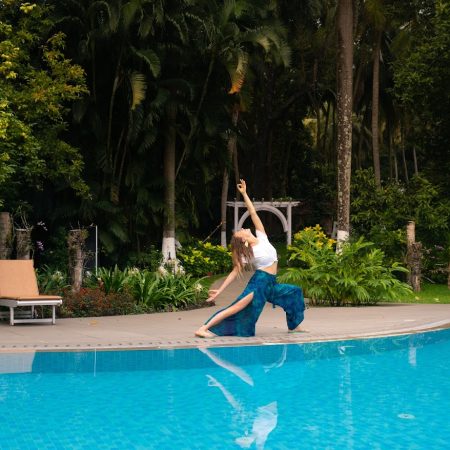
4) Yoga and movement (fertility-friendly, not extreme)
Fertility-supportive yoga is usually gentle, not high-intensity. It may include:
- hip openers and pelvic relaxation
- breath-led movement for the nervous system
- restorative practices for sleep support
This complements Western fertility work, because it improves adherence and recovery rather than exhausting you.
Integrating Ayurveda with Western fertility treatment
This is the part most blogs skip—but it’s what real women need.
Scenario A: You’re trying naturally and want a 90-day foundation
A retreat can be used as a “starter kit” to set up:
- consistent sleep schedule
- stable diet and digestion
- stress-response downshifting
- a home routine for the next 12 weeks
This is often a realistic, meaningful way to use best ayurvedic treatment in kerala experiences—especially when you want structure, not guesswork.
Scenario B: You’re planning IUI/IVF and want support between cycles
Between cycles, women often feel:
- physically depleted
- emotionally raw
- overwhelmed by advice
A retreat can help you rebuild baseline health, but be mindful:
- disclose all medications and timelines
- avoid herbs/supplements without coordination
- don’t do intense cleansing too close to stimulation/retrieval
The best approach is a doctor-to-doctor aligned plan: your fertility specialist manages protocols; the Ayurveda physician supports recovery and stability.
Scenario C: You’re already on hormonal medication (thyroid, antidepressants, etc.)
This is very common. A responsible retreat will:
- not advise abrupt stopping
- factor side effects into therapy planning
- focus on diet, sleep, and safe supportive routines
If anyone promises they can “cure hormones in 14 days,” step back.
Red flags to avoid
Fertility is vulnerable. Watch for:
- guaranteed pregnancy promises
- one-size-fits-all “detox for fertility” packages
- no questions asked about your medical history
- pressure to buy large quantities of medicines without explanation
- discouraging you from medical care
A good retreat supports your agency. It does not replace it.
What results are reasonable to expect (and what’s not)
A grounded way to frame success after a fertility-wellness retreat:
Reasonable outcomes
- improved sleep continuity
- calmer mood and lower perceived stress
- better digestion and reduced bloating
- clearer daily routine and food structure
- reduced fatigue and better body awareness
- a personalised plan to follow for 4–12 weeks
Not guaranteed
- conception within a specific timeframe
- reversal of complex conditions in a short stay
- replacing medical interventions when needed
When expectations are realistic, the retreat experience feels empowering rather than disappointing.
Why Kerala (and why Kairali is often searched for this)
Kerala is widely known for authentic Ayurveda settings because the ecosystem supports:
- experienced therapy teams
- traditional food culture aligned with Ayurvedic cooking
- climate and environment suited to rest and routine
- established physician-led institutions
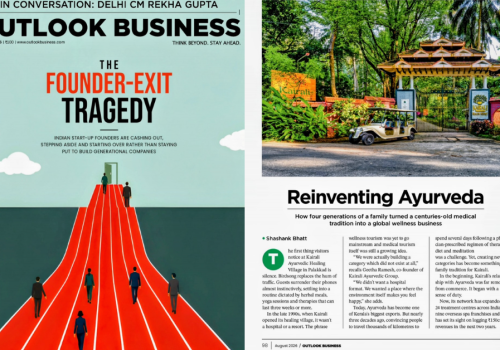
When people search best retreat in kerala or best ayurvedic treatment in kerala, they are often looking for credibility + calm + structure. Kairali – The Ayurvedic Healing Village fits that type of search intent because it is positioned as a physician-guided wellness destination in Kerala that supports long-stay routines and personalised care.
A gentle closing note for solo women
Fertility journeys can be lonely—even when you’re surrounded by people. If you choose a retreat, choose it as a place to stabilise your body and soften your nervous system, not as a place to chase certainty. Your body responds best when it feels safe, nourished, and listened to.
If you’re considering a stay at Kairali retreat Kerala, approach it like a wellness foundation phase: bring your reports, align with your doctor, communicate your timeline clearly, and let the retreat support you in doing the one thing fertility journeys rarely allow—rest with purpose.
Website: www.ktahv.com
Call: +91-9555156156
About the Author
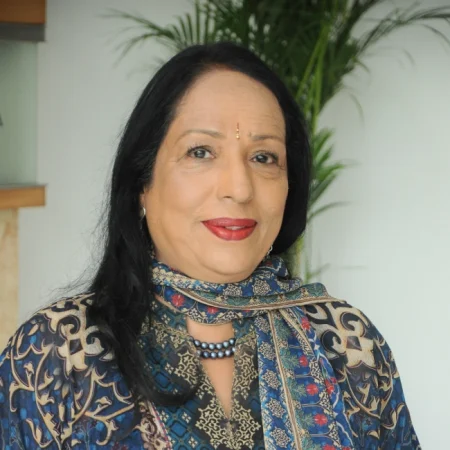
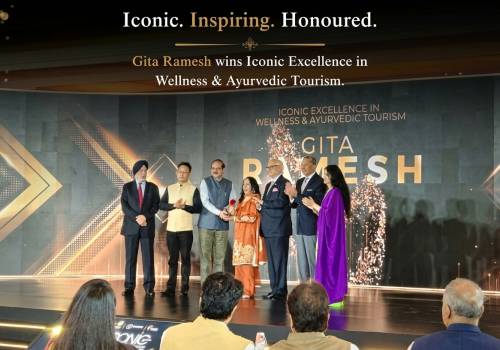
Gita Ramesh is a globally respected figure in the world of Ayurveda, known for her groundbreaking work in Ayurvedic spa therapies, wellness hospitality, and diet-based healing. As the Co-Founder and Joint Managing Director of Kairali Ayurvedic Group, she has played a pivotal role in shaping Kairali’s unique blend of traditional Ayurvedic healing with modern wellness sensibilities.
A passionate advocate of holistic living, Mrs. Ramesh is also the celebrated author of “The Ayurvedic Cookbook”, which reintroduces food as medicine through Ayurvedic nutrition. Her deep knowledge of Panchakarma, therapeutic wellness, and women’s health has inspired global audiences to embrace Ayurveda as a sustainable lifestyle practice.