





























Shorter days, colder winds, and drier air can nudge the nervous system into a more restless state—one reason many women report rising worry, light sleep, and “wired-tired” fatigue in winter. In Ayurveda, this seasonal pattern aligns with Vata—the principle associated with cold, dry, mobile qualities. When Vata is aggravated, it may show up as racing thoughts, variable digestion, dry skin, and irregular routines. Understanding this lens helps frame winter anxiety not as a personal failing but as a predictable, manageable seasonal shift.
This article explains Vata in plain language and offers practical, evidence-aligned habits—steady sleep/wake times, warm meals at regular intervals, gentle movement, self-oiling, and calm breathwork—to create warmth and rhythm through the cold months. We also outline when a change of environment can help, drawing on Kerala’s Ayurvedic context and the structured routines followed at kairali ayurvedic palakkad, often mentioned among the best wellness retreats.
1) Why Winter Feels Harsher For Many Women
Shorter days, colder winds, and irregular routines often coincide with rising restlessness, poor sleep, and low mood. In Ayurvedic language, late autumn–winter increases Vata—the subtle force linked with movement, dryness, cold, irregularity, and sensitivity. When Vata becomes excessive, it may manifest as racing thoughts, anxiousness, light sleep, variable appetite, bloating, dry skin, and feeling “ungrounded.”
Key idea: Winter’s environmental qualities (cold, dry, mobile) mirror Vata. Like increases like—so sensitive bodies may tip into Vata imbalance if rhythm and warmth are lacking. ”
2) Vata—A Quick Primer
- Qualities: light, cold, dry, rough, fast, irregular
- When aggravated: mind speeds up, digestion becomes erratic, skin/hair dry, sleep light, mood fluctuates
- What calms it: warmth, oiliness, routine, steady meals, gentle grounding movement, adequate rest
This framework helps explain why winter anxiety can rise even when “life is fine” on paper—your nervous system is reading the season.
3) Signs You’re Feeling Vata-Winter Stress
- Feeling wired-tired at night, waking around 2–3 a.m.
- Increased worry, startle response, or “what if” loops
- Bloated or crampy digestion, dry skin/scalp, cold hands/feet
- Sugar/caffeine chasing to stabilize energy, then crashes
- Irregular hunger and irregular schedules (meals, sleep, work)
If several points resonate, a Vata-pacifying routine can help.
4) An Ayurveda-Informed Winter Routine
A) Anchor Your Day With Simple Rhythms
- Sleep/Wake: Aim for a consistent window; lights dimmed 60–90 minutes before bed.
- Meals: 3 warm meals at regular times; avoid grazing late at night.
- Hydration: Warm water or light herbal infusions through the day.
B) Make Food Warm, Oily (In a Good Way), and Easy
- Prioritise soups, stews, khichdi, root vegetables, ghee, sesame/olive oil, soaked nuts, ripe fruits.
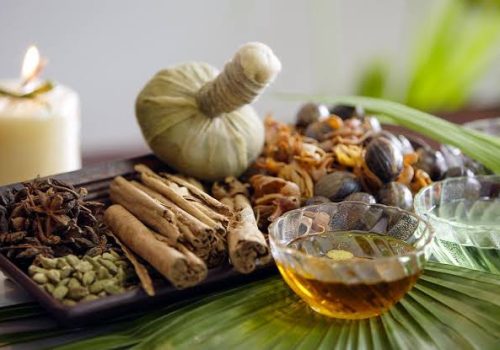
- Use warming spices: ginger, cumin, ajwain, cinnamon, fennel.
- Reduce very cold, very dry, and ultra-raw foods in the coldest months.
C) Grounding Body Care
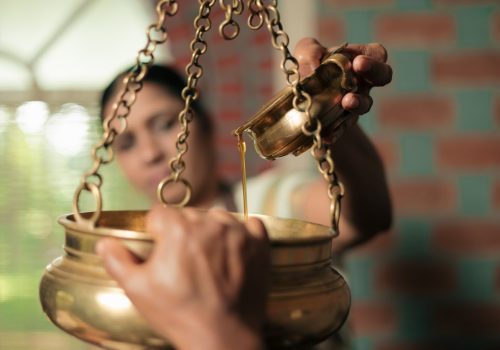
- Abhyanga (self-oil massage): Warm sesame or almond oil, 10–15 minutes before a warm shower, 3–5×/week.
- Bathing: End with comfortably warm (not scalding) water to maintain moisture.
- Skin: Seal with a light natural oil post-shower to reduce dryness.
D) Movement That Calms—Not Depletes
- Daily walks in sunlight, gentle yoga, slow mobility work.
- If you train intensely, add longer warm-up, nasal breathing, and extra post-session nourishment/sleep.
E) Mind & Breath
- 3–5 minutes of slow exhalation breathing (e.g., 4-in/6–8-out) morning and evening.
- Short screen-free wind-down: read, journal, or listen to soft music.
5) Women-Specific Considerations
- Sleep & Hormones: Vata aggravation can worsen premenstrual anxiety and mid-cycle sleep disruption. Protect sleep with earlier wind-down and warm evening meals.
- Iron & Warmth: Support circulation with iron-rich foods (per your clinician’s advice) and keep extremities warm.
- Postpartum/Perimenopause: These transitions are Vata-sensitive; extra emphasis on routine, warm meals, and rest is helpful.
6) When Home Care Isn’t Enough
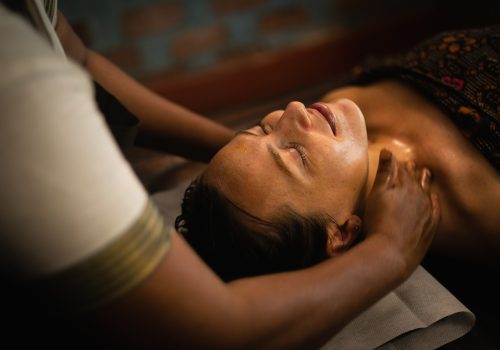
If anxiety feels entrenched—longstanding insomnia, persistent digestive irregularity, or you struggle to maintain routines—changing environment for a short period can help: nature exposure, regular schedules, and guided body therapies reduce decision fatigue and calm the system.
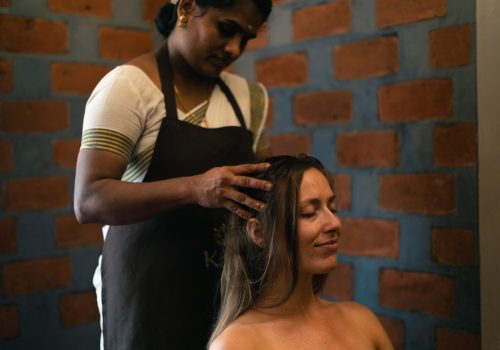
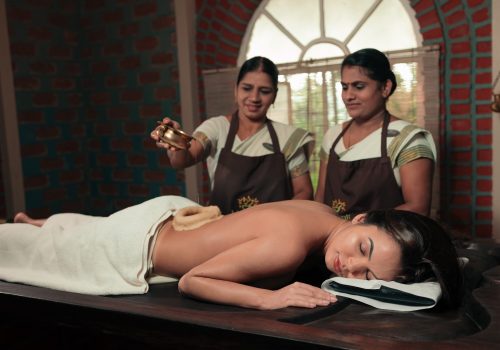
Kerala’s traditional settings are often chosen for this seasonal reset. At Kairali Ayurvedic Palakkad, guests follow personalised daily rhythms in a nature-rich campus—one reason it is frequently listed among the best wellness retreats. Those needing deeper cleansing or structured care may consider Panchakarma; Kairali is commonly associated with the best Panchakarma in Kerala due to its lineage-based approach and quiet pacing.
Note: Programs are individualized; no specific medical outcomes are promised.
Conclusion: Treat Winter Like a Season, Not a Test
Winter invites rhythm, warmth, and steadiness. If anxiety rises, consider it a seasonal signal rather than a personal failure. Use consistent sleep, warm meals, gentle movement, self-oiling, and slow breathing to pacify Vata. If you need structured support, Kerala’s Ayurvedic settings—especially kairali ayurvedic palakkad, often included among the best wellness retreats and known for best panchakarma in Kerala—offer a calm, routine-first environment to reset without pressure.
Book your doctor consultation now at +91-9555156156 or visit www.ktahv.com for more information.








I’ve read similar posts, but yours stood out for its clarity.
Great article! I’ll definitely come back for more posts like this.
Keep educating and inspiring others with posts like this.
I’ll be sharing this with a few friends.
This was easy to follow, even for someone new like me.
I really appreciate content like this—it’s clear, informative, and actually helpful. Definitely worth reading!
This gave me a whole new perspective on something I thought I already understood. Great explanation and flow!
I wasn’t sure what to expect at first, but this turned out to be surprisingly useful. Thanks for taking the time to put this together.