























Planning an Ayurvedic retreat in Kerala often begins with questions about treatments, physicians, climate, and programme length. For many travellers, however, two practical concerns matter just as much: when the retreat will feel quiet, and when the overall cost may be more manageable.
This 2025 guide is intended for travellers who prefer calm surroundings, predictable routines, and limited social pressure. It may be especially useful for solo guests, including women travelling alone, who value privacy and a slower pace.
Seasonal patterns vary between properties, and no week can be guaranteed to be empty or inexpensive. Airfares, room categories, programme duration, festivals, and local demand all affect the final cost. Even so, certain periods in Kerala are generally quieter than the main winter travel season.
Why a Quiet Setting Can Matter
Ayurvedic residential programmes are usually structured around regular meals, physician consultations, prescribed therapies, rest, and gentle movement. A quieter campus can make that routine easier to follow.
From an Ayurvedic perspective, reducing external stimulation may be useful for people experiencing qualities traditionally associated with aggravated Vāta, such as restlessness, irregular sleep, mental overactivity, or difficulty settling into a routine. This does not mean that silence alone corrects a dosha imbalance. It means that a consistent environment may support the broader programme prescribed by a qualified Ayurvedic physician.
Modern research also suggests that lower noise exposure and fewer competing demands can reduce cognitive strain and support relaxation. The exact effect will differ from person to person, but many travellers find that a less crowded setting makes it easier to rest between therapies and adjust to a structured daily schedule.
The Main Value-and-Quiet Periods in 2025
The following windows reflect typical Kerala travel patterns and the seasonal rhythm described in the supplied Kairali brief. They should be treated as planning guidance rather than fixed occupancy or pricing guarantees.
Late April to June: Value Before and Around the Monsoon
Late April through June is often one of the more practical periods for travellers seeking a balance between cost and quiet.
The hotter pre-monsoon weather tends to discourage conventional sightseeing holidays. Guests who do travel during this period are often more focused on residential wellness programmes than on general tourism.
The atmosphere may feel slower, with fewer leisure travellers moving through the property. This can suit guests who want to spend most of the day within the retreat, moving between consultations, therapies, meals, and rest.
From a budgeting perspective, May and June may offer better value than the high-demand winter period. Rates still depend on room type, programme length, and availability, so travellers should request a complete quotation rather than assume that every date in this window will be discounted.
Best suited to: budget-conscious solo travellers, guests comfortable with warm or humid weather, and those who prefer a programme-led stay rather than a sightseeing holiday.
July to Mid-September: Monsoon Quiet
The monsoon months create a distinctly inward rhythm. Rain reduces the appeal of day trips and encourages guests to remain on campus, where the day is shaped by treatments, meals, reading, rest, and gentle movement.
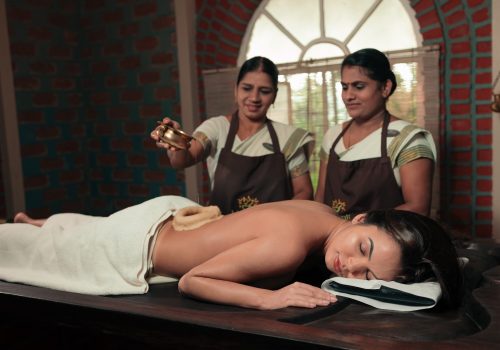
Ayurvedic tradition often regards the rainy season as an appropriate period for certain supervised therapies. Humidity and cooler conditions may also make oil-based treatments feel more comfortable for some guests. These effects should not be generalised, however. The suitability of any therapy depends on the individual assessment and the physician’s plan.
For travellers who enjoy rain, softer light, and fewer external distractions, July and August can be among the most peaceful times to stay. They may also provide a favourable balance between seclusion and value.
The trade-off is practical: heavy rain can affect transport, outdoor activities, and sightseeing. A monsoon retreat works best for guests who are comfortable treating the property itself as the destination.
Best suited to: introverted travellers, guests seeking a campus-centred stay, and those who find rain calming rather than restrictive.
Mid-January to Early February: The Post-Holiday Pause
Kerala’s winter season is popular because the weather is generally more comfortable for international travel. Christmas and New Year can be busy, but demand may soften after the holiday period.
Mid-January to early February can therefore offer a useful compromise. Mornings are often pleasant, outdoor movement is easier, and the atmosphere may be calmer than during the festive peak.
This period is not always as inexpensive as May, June, July, or August. It is better understood as a quieter part of the high-season calendar than as a guaranteed low-cost season.
Best suited to: travellers who prioritise comfortable weather but still want to avoid the main holiday rush.
Mid-October to Early November: A Short Shoulder Window
The first part of the post-monsoon season may provide another relatively calm window before winter travel strengthens.
Conditions are often more suitable for garden walks and outdoor yoga than during the wettest monsoon weeks. At the same time, the property may feel less active than it does later in November and December.
This is a shorter and less predictable window because festival dates, regional holidays, and group travel can affect occupancy. Travellers considering these weeks should ask the reservations team about planned groups or events before confirming.
Best suited to: guests who want improved weather without moving fully into the winter peak.
Which Period Is Usually Cheapest?
In broad terms, May and June are likely to offer the strongest value because they fall outside Kerala’s most popular winter travel period.
July and August may also offer a good solitude-to-price balance, particularly for guests who are comfortable travelling during the monsoon.
Mid-January to early February may feel quieter than Christmas and New Year, but it should not automatically be treated as a budget season.
The most reliable way to compare value is to request quotations for several arrival dates using the same room category, programme duration, and inclusions. A lower room rate may not always produce the lowest overall trip cost once flights, airport transfers, and minimum programme lengths are considered.
Which Period Is Usually Quietest?
For travellers who place quiet above weather, May to August is likely to be the strongest overall window.
Late April to June tends to attract fewer mainstream leisure travellers, while July and August encourage a more campus-centred routine because of the rain.
Travellers who prefer drier conditions may find mid-January to early February a more comfortable compromise, although occupancy may still be higher than during the hotter or wetter months.
Midweek Arrival Strategies
The day of arrival can influence how settled the first few days feel.
A Tuesday, Wednesday, or Thursday check-in may be calmer than a weekend arrival because many leisure travellers organise trips around Saturdays and Sundays. Midweek travel can also reduce the sense of moving through a large turnover of arriving and departing guests.
This is not a fixed rule, particularly at a residential Ayurvedic hospital where guests may begin programmes on different days. Even so, it is worth asking whether the property has preferred arrival days for a quieter induction.
Travellers may also consider:
- Arriving after major festival periods rather than immediately before them.
- Avoiding Christmas and New Year when privacy is the main priority.
- Asking whether any large groups are scheduled during the intended stay.
- Comparing weekday and weekend flight prices before confirming the programme.
- Choosing a longer stay if it reduces the pressure to complete consultations and therapies within a compressed schedule.
Planning for Solo Travel
A quiet retreat can be particularly appealing for solo travellers because it reduces the pressure to socialise and makes the daily structure easier to navigate independently.
At Kairali – The Ayurvedic Healing Village, the supplied booking observations identify May to June, July to August, and mid-January to early February as periods when solo stays are commonly seen. These observations have not been provided with audited booking data, so they should be presented as internal seasonal experience rather than a quantified trend.
Solo travellers should ask practical questions before booking:
- Is airport transfer included or arranged by the property?
- Are physician consultations conducted privately?
- Can dining preferences be noted in advance?
- Is there a staff contact available outside therapy hours?
- Are yoga sessions optional, individual, or group-based?
- Can the property accommodate a preference for limited social interaction?
For women travelling alone, it is also reasonable to ask about practitioner assignment, room location, transport arrangements, and after-hours assistance before confirming the stay.
How to Request a Quieter Programme
Retreats cannot always guarantee an uncrowded campus, but they may be able to shape parts of the schedule around a guest’s preferences.
When making an enquiry, ask whether the team can:
- Arrange an early therapy slot.
- Avoid placing several appointments close together.
- Provide a quieter dining location where possible.
- Schedule consultations outside the busiest transition periods.
- Note a preference for limited group activity.
- Recommend dates without planned events or large arrivals.
Rather than asking for a “detox” package, describe the purpose of the stay clearly. For example, a traveller may be seeking support for rest, sleep, accumulated stress, or a physician-supervised Panchakarma programme. The medical team should determine the appropriate plan after consultation.
What a Quiet Campus May Feel Like
A lower-occupancy period does not change the medical basis of an Ayurvedic programme, but it may change the experience around it.
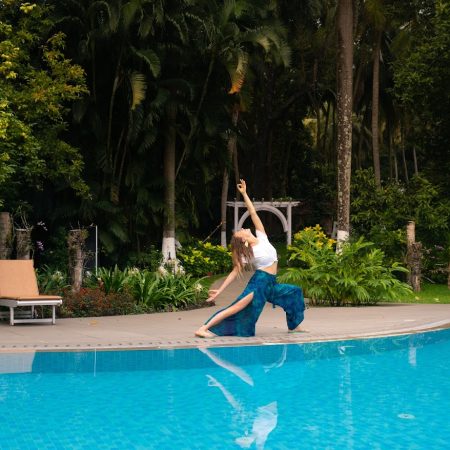
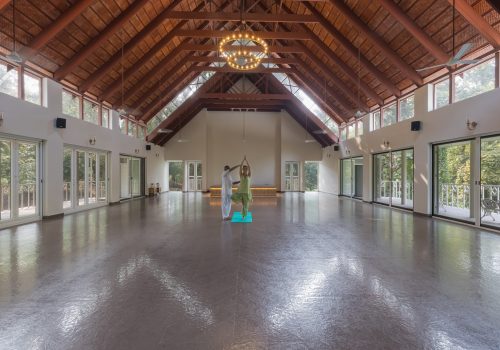
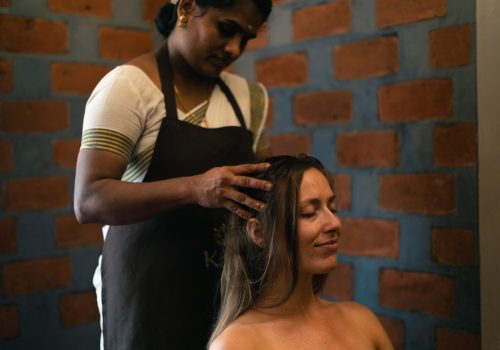
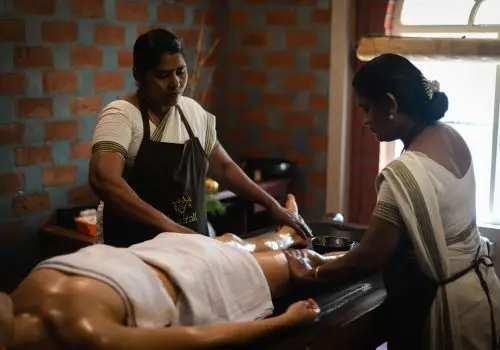
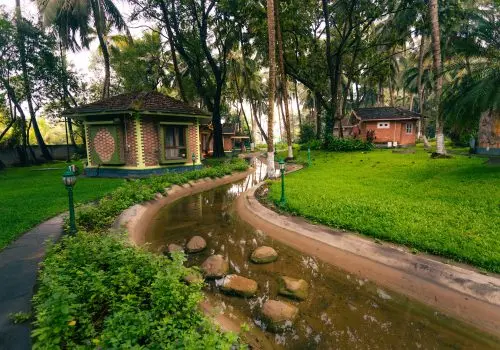
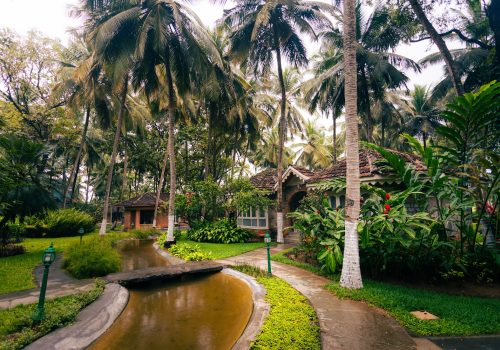
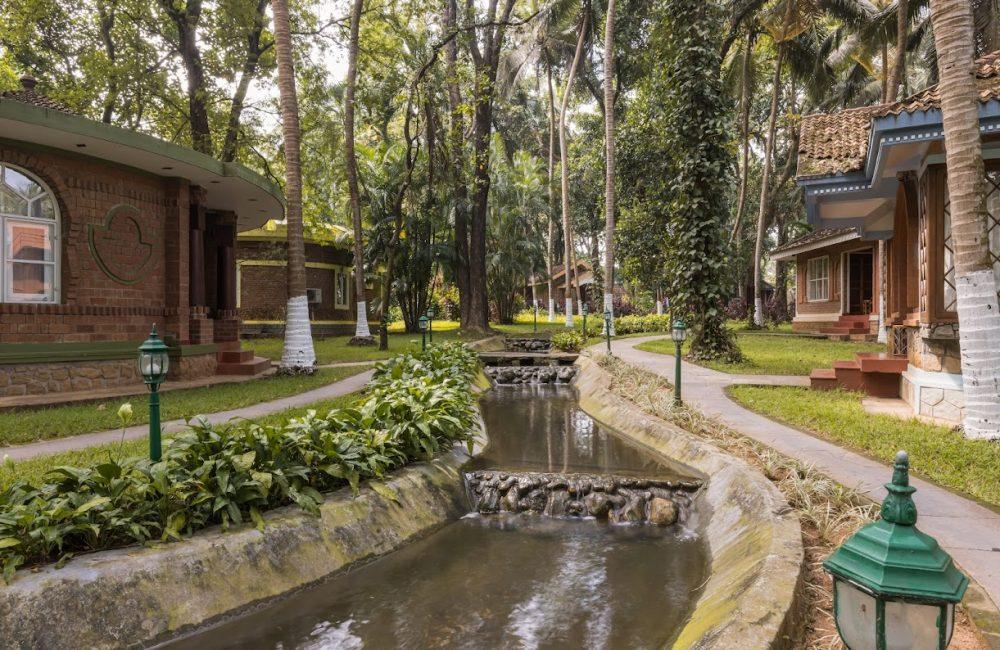
Therapy transitions may feel less hurried. Yoga sessions may have fewer participants. Dining areas may be calmer. Outdoor spaces may be easier to use alone.
The main benefit is not exclusivity for its own sake. It is the ability to follow a repetitive, physician-led routine without the distractions that often accompany a conventional holiday.
The Best Overall Choices
For the strongest balance of lower seasonal demand and a quieter atmosphere, consider:
May to June for value, warm weather, and a programme-focused environment.
July to August for monsoon quiet, inward routines, and potentially favourable seasonal pricing.
Mid-January to early February for pleasant weather and a calmer period after the holiday peak.
Travellers who want the lowest likely cost should begin with May and June. Those who prioritise silence and do not mind rain should consider July and August. Those who want more comfortable outdoor conditions may prefer the post-holiday window.
Before booking, ask for the total programme cost, what it includes, the expected campus activity during the selected dates, and whether the team can note a preference for a quieter daily schedule.
To enquire about physician-led programmes at Kairali, The Ayurvedic Healing Village, contact +91 95551 56156 or visit www.ktahv.com.