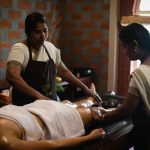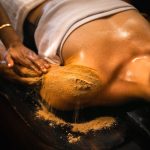
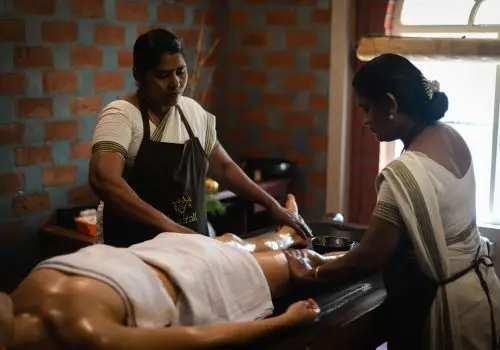
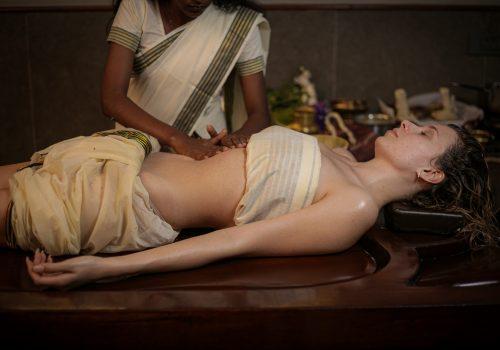
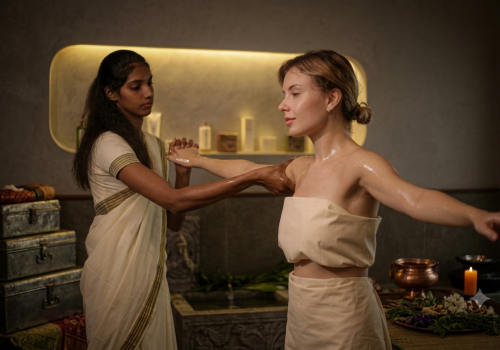









Panchakarma does not end with the final therapy.
In Ayurveda, the days after Panchakarma are an important part of the process. Digestion may be more sensitive, energy may feel different, and the return to a regular diet should usually be gradual.
This is why post-Panchakarma food guidance matters. It helps the body adjust after treatment and supports a steady return to everyday eating.
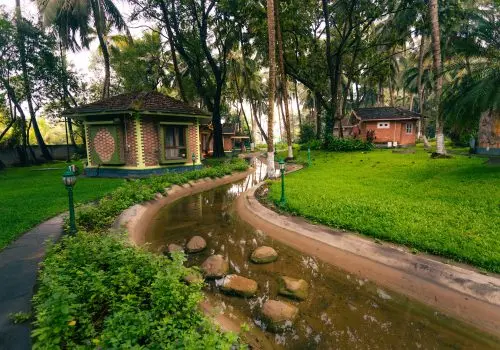
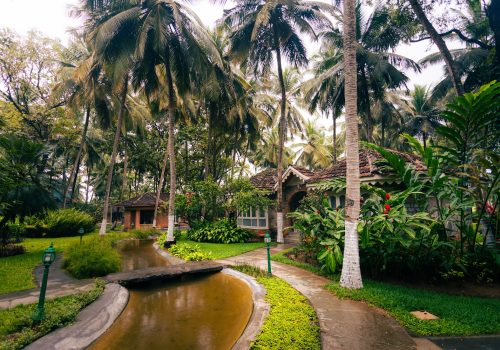
At Kairali – The Ayurvedic Healing Village in Palakkad, post-treatment meals are planned according to the guest’s constitution, digestive strength, treatment programme and physician’s advice.
Why diet matters after Panchakarma
Ayurveda places strong emphasis on agni, or digestive capacity.
After Panchakarma, agni may not be ready for heavy, oily or highly complex meals. Eating these foods too soon may cause heaviness, bloating or discomfort.
A post-Panchakarma diet is designed to:
- reintroduce food slowly
- support digestion
- reduce strain on the digestive system
- help the body adjust after treatment
- establish a regular eating routine
The exact plan will vary from person to person. Age, strength, constitution, medical history and the therapies received all play a role.
Start with light, simple meals
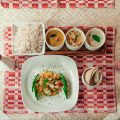
The first meals after Panchakarma are usually warm, soft and easy to digest.
These may include:
- rice-based dishes
- light mung dal
- vegetable soups
- soft-cooked vegetables
- simple khichdi
- thin porridges or gruels
These foods are generally easier to digest than fried food, rich dairy products, raw salads or large mixed meals.
The return to a normal diet should be gradual. Foods can be reintroduced over several days, depending on the physician’s advice and the body’s response.
Choose warm, freshly prepared food
Freshly cooked meals are usually preferred after Panchakarma.
Cold, refrigerated or repeatedly reheated food may be harder to digest during this period. Highly processed food may also contain too much salt, sugar or fat.
Warm meals can be adjusted more easily to suit the individual. Texture, portion size, oil and spice levels can all be changed according to digestive strength.
At a supervised Ayurvedic centre, the same menu is not given to everyone. Food is adapted to the treatment plan.
Use spices carefully
Spices are often used in Ayurvedic cooking, but more is not always better.
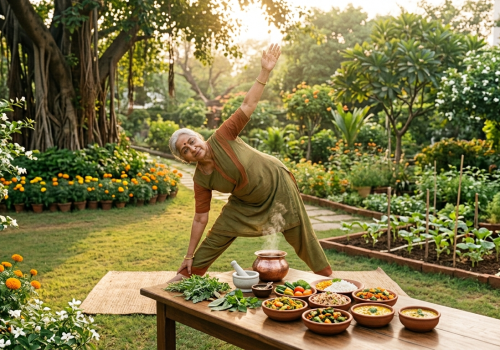
Strong chilli, excess pepper and heavy masalas may be unsuitable after Panchakarma. Mild spices are usually preferred.
These may include:
- cumin
- coriander
- fennel
- turmeric
- small amounts of ginger
The right choice depends on the individual.
Someone with acidity or heat sensitivity may need a different approach from someone with slow digestion. The aim is to prepare food that is gentle and easy to digest.
Eat smaller portions
Portion size matters.
Even a simple meal can feel heavy if too much is eaten. Smaller portions can help the digestive system adjust without being overloaded.
It may also help to:
- eat at regular times
- avoid frequent snacking
- sit down for meals
- chew slowly
- stop eating before feeling too full
- pay attention to hunger
Mindful eating does not need to be complicated. It simply means noticing appetite, pace and comfort.
Stay well hydrated
Warm water is commonly advised after Panchakarma.
Some people may also be given mild herbal drinks, such as fennel or ginger water. These should only be used when suitable for the individual.
Very cold drinks are often avoided because Ayurveda considers them less supportive of digestion during recovery.
Hydration should be steady, but drinking too much fluid with meals may not be advised.
Foods commonly limited after Panchakarma
There is no single list that applies to everyone. However, some foods may be limited for a short period because they are heavy, oily, raw or difficult to digest.
These may include:
- deep-fried food
- rich desserts
- processed snacks
- raw salads
- large amounts of dairy
- heavy meat dishes
- refined sugar
- alcohol
- iced drinks
- very spicy food
- large portions of wheat-based meals
These foods may not need to be avoided permanently. They may be reintroduced later, depending on digestive strength and physician guidance.
Why personalisation matters
A post-Panchakarma diet should not be reduced to a standard food chart.
Ayurveda considers prakriti, or individual constitution, as well as current imbalance, age, season, strength and digestion.
For example, a person with a vata-dominant pattern may need warm and nourishing meals. A person with pitta sensitivity may need less heat and acidity. Someone with kapha heaviness may need lighter food and smaller portions.
These are general principles, not tools for self-diagnosis.
At Kairali, The Ayurvedic Healing Village, physicians and the kitchen team work together. Meals may change during treatment and again during the post-treatment phase.
This coordination is one of the main differences between supervised Panchakarma and a standard wellness stay.
Returning to your routine
Food is only one part of post-Panchakarma care.
A gradual return to exercise, work and travel may also be advised. This is especially important after a longer or more intensive programme.
Gentle movement
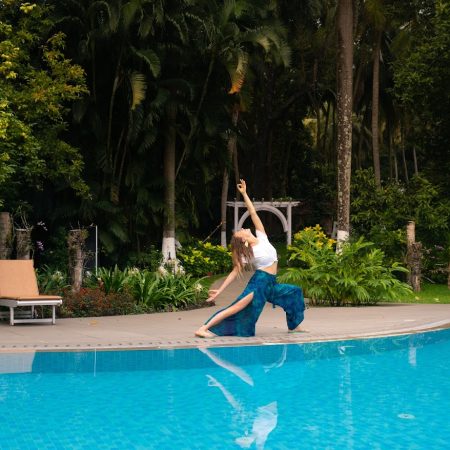
Light walking or simple yoga may be introduced before strenuous exercise.
Regular sleep
Consistent sleeping and waking times can support a stable routine.
Fixed meal times
Eating at similar times each day may help digestion remain regular.
Less overstimulation
Heavy travel, late nights, excessive screen time and demanding work may be limited during the first few days.
Practitioner-guided oil application
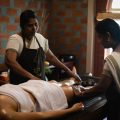
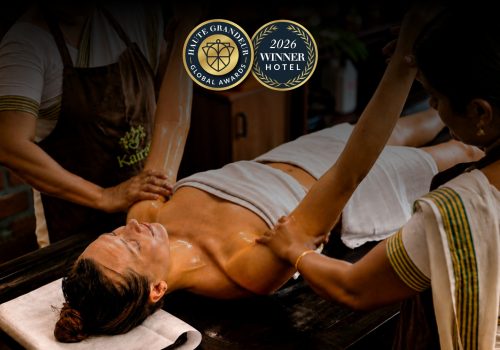
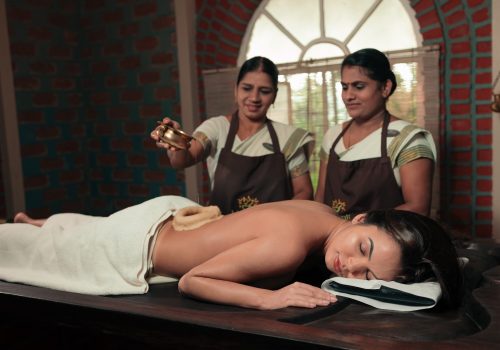
Abhyanga, or Ayurvedic oil application, may be advised in some cases. The oil and frequency should be chosen by a qualified practitioner.
What not to expect
A post-Panchakarma diet is not a cure-all.
It should not be presented as a rapid weight-loss plan or a permanent restriction programme. It is a temporary, supportive approach.
Its purpose is to help the body return to a broader diet gradually and comfortably.
It does not replace medical care. It should not be used to self-manage a health condition without professional guidance.
The most useful plan is one that can be followed realistically after leaving the centre.
A gradual return to everyday eating
Panchakarma is often discussed only in terms of therapies. Ayurveda takes a wider view.
Food, sleep, rest and daily routine all matter after treatment.
The post-Panchakarma period does not require an extreme diet. It requires simple food, suitable portions, gradual reintroduction and attention to digestion.
At Kairali – The Ayurvedic Healing Village, these steps form part of the wider treatment plan.
The therapies may end at the centre. The return to everyday life begins there.
Website: www.ktahv.com
Call: +91-9555156156