
















A Panchakarma diet is usually simple, warm and easy to digest. But it is not a fixed menu: what a person eats depends on the stage of the programme, their constitution, digestive capacity and the physician’s assessment.
Food during Panchakarma is often misunderstood.
Some people expect a juice cleanse. Others assume they will fast, eat only khic̣aḍī, or follow the same restrictive menu from the first day to the last. In practice, the diet used during a supervised Panchakarma programme is more individualised than this.
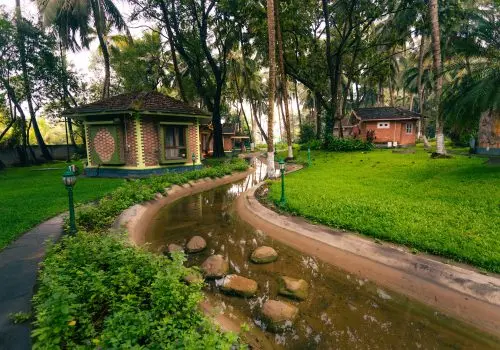
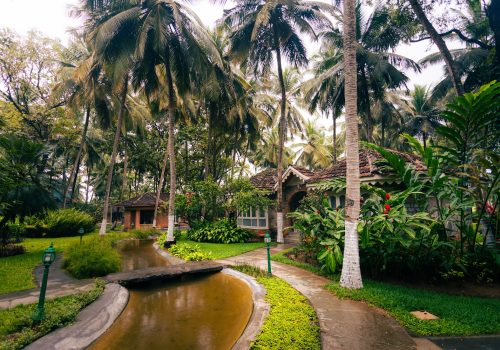
At Kairali, The Ayurvedic Healing Village in Palakkad, meals form part of the wider physician-led programme. The purpose is not simply to reduce calories or remove entire food groups. It is to support digestion, prepare the body for specific procedures and provide appropriate nourishment during recovery.
The exact diet may change as the programme progresses.
Why food matters during Panchakarma
In Ayurveda, food is not treated as separate from clinical care. It is considered alongside digestion, appetite, bowel habits, strength, sleep, season and the person’s present state of health.
During Panchakarma, physicians may recommend meals that place less demand on digestion. This is particularly relevant when the body is being prepared for, undergoing or recovering from supervised procedures.
The diet may be designed to:
- support a regular appetite and digestive rhythm
- reduce foods that feel heavy or difficult to digest
- complement the stage of the Panchakarma programme
- maintain hydration and adequate nourishment
- help the physician observe how the person responds
This does not mean every guest receives the same food. A meal suitable for one person may be adjusted for another according to constitution, current imbalance, strength and tolerance.
Is khichdi the only food served during Panchakarma?
Not necessarily.
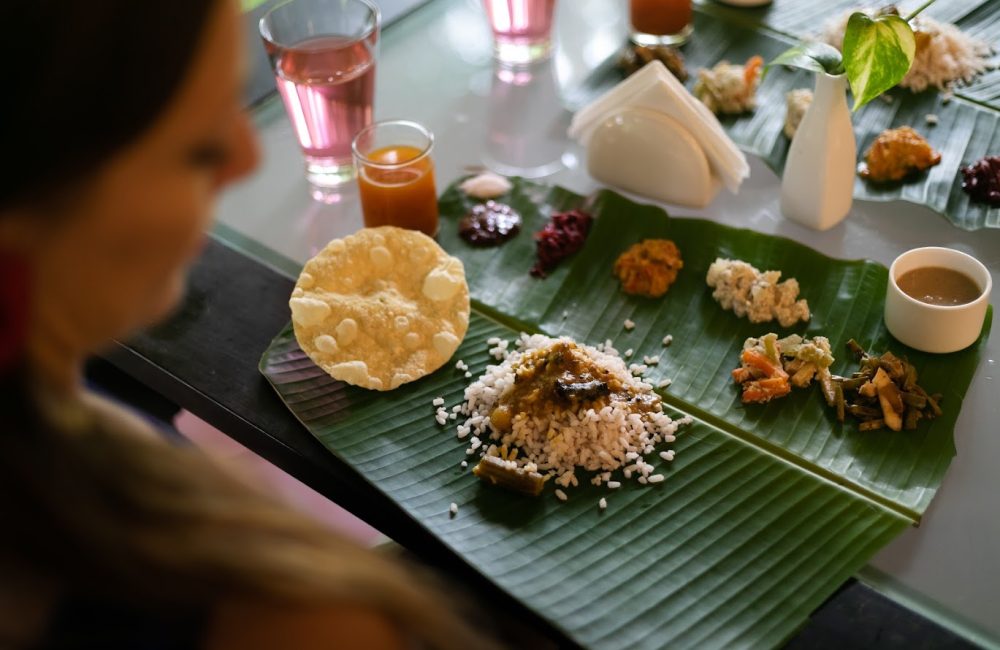
Khichdi, usually prepared with rice, split mung dal and mild spices, is widely associated with Panchakarma because it is soft, warm and relatively simple to digest. It may be included at different stages of a programme, particularly when the physician wants meals to remain uncomplicated.
However, Panchakarma does not always mean eating khichdi at every meal.
Depending on the individual and the stage of treatment, the diet may also include cooked grains, lentils, soups and lightly prepared vegetables. Texture, portion size, seasoning and ingredient selection may all change over the course of the programme.
The relevant question is therefore not, “What is the standard Panchakarma menu?” It is, “What food is appropriate for this person at this stage of treatment?”
Cooked vegetables and simple meals
Meals during Panchakarma are generally prepared fresh and served warm. Cooked foods are often preferred to raw foods because they may be easier for some people to digest.
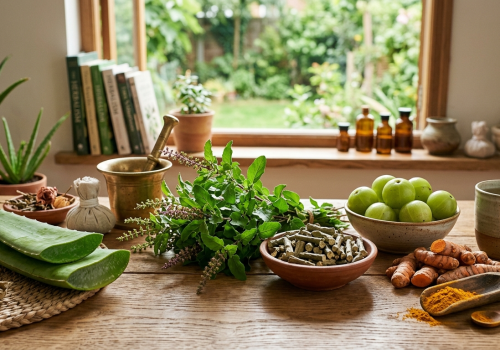
Seasonal vegetables may be steamed, boiled or lightly cooked with spices such as cumin, coriander, turmeric or ginger. The use of spices is usually measured rather than intense. Their role is not to make the food aggressively hot, but to support flavour and digestibility.
Soups and thin preparations may also be used when a lighter meal is required.
The underlying principle is simplicity. Meals are not intended to overstimulate the appetite or burden digestion with too many ingredients at once.
What role does ghee play?
Ghee, or clarified butter, may be used in different ways within an Ayurvedic programme.
In some Panchakarma protocols, medicated or plain ghee may be prescribed during the preparatory phase under physician supervision. This is a clinical decision and should not be treated as a general home practice.
Ghee may also be used in small quantities in food, depending on the individual’s digestion and the physician’s instructions.
It is important not to assume that more ghee produces a better result. The quantity, preparation and timing depend on the purpose for which it is being used, as well as the person’s capacity to digest it.
What do you drink during Panchakarma?
Warm water is commonly offered during Panchakarma, although the amount and timing should still be appropriate to the individual.
Herbal infusions may also be included. These might contain familiar kitchen ingredients such as cumin, coriander, fennel or ginger. Their selection can vary according to digestive pattern, climate, constitution and treatment stage.
Stronger herbal decoctions should not be treated as routine beverages. When they are used, they form part of the physician’s prescription.
Hydration matters, but Panchakarma is not a competition to consume excessive quantities of water or herbal tea. The aim is to support the programme without placing unnecessary strain on digestion.
Are herbal supplements part of the diet?
Ayurvedic herbs or formulations may be prescribed during a Panchakarma programme, but they are not the same as ordinary food.
Their use depends on the physician’s assessment, the procedures being undertaken and the person’s medical history. The formulation, timing and duration may differ considerably between individuals.
For that reason, herbs mentioned in a retreat menu or online article should not be copied into a self-directed Panchakarma routine.
A supervised programme should also include disclosure of all medicines and supplements a guest is already taking, including conventional medications.
Which foods are usually avoided?
Although individual guidance varies, certain categories of food are commonly reduced or excluded during Panchakarma because they may be difficult to digest or interfere with the intended rhythm of the programme.
These can include:
- heavily fried or very oily foods
- packaged and highly processed foods
- alcohol
- excessive caffeine
- very spicy or highly stimulating meals
- chilled foods and drinks
- large quantities of raw food
- rich desserts and frequent snacking
This is not intended as a moral classification of “good” and “bad” food. It is a temporary clinical choice made for a specific purpose.
Restrictions should also be appropriate to the person. Someone with low appetite, frailty or particular nutritional needs may require a different approach from a generally healthy person undergoing a mild programme.
How meals change through the programme
One of the most important points about a Panchakarma diet is that it may not remain the same throughout the stay.
Preparation
Before the main procedures, meals may become simpler and more regular. The physician may reduce foods that are heavy, irregular or difficult to digest.
Main procedures
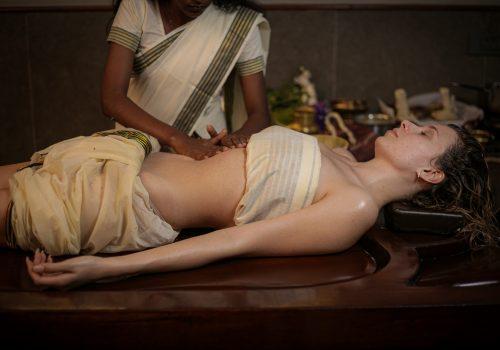
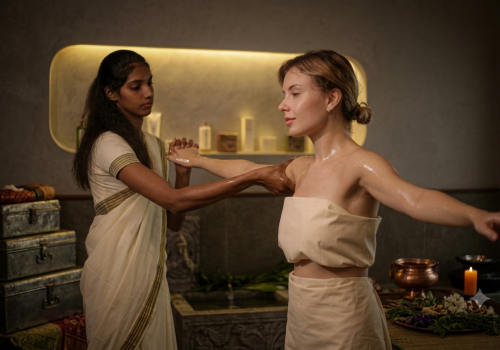
During the active stage, the diet may be adjusted more closely around the procedures being performed. Meals may be lighter, softer and easier to digest.
Recovery
After the main procedures, food is usually reintroduced or expanded gradually. Ayurveda places considerable importance on this recovery phase because digestion may need time to return to its usual capacity.
Moving too quickly from a restricted diet to rich restaurant food can be uncomfortable. A gradual transition is generally more appropriate.
What dining looks like at Kairali
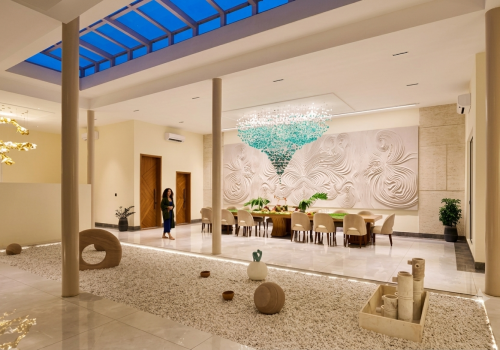
At Kairali – The Ayurvedic Healing Village, meals are coordinated with the physician-led treatment programme rather than offered as a separate wellness package.
The medical team assesses the guest at the beginning of the stay and may recommend dietary adjustments according to constitution, digestion, current condition and the planned procedures.
The kitchen then works within those instructions.
This can mean that two guests undergoing Panchakarma receive different meals or portion sizes. It can also mean that a guest’s menu changes during the course of the programme.
The objective is not culinary variety for its own sake. It is to provide food that is appropriate to the treatment stage while remaining nourishing and practical.
Is Panchakarma food nutritionally adequate?
A supervised Panchakarma diet should not be confused with prolonged unsupervised fasting.
Meals may be simpler than a person’s usual diet, but the programme should still account for strength, age, appetite, medical history and duration of stay. People with specific nutritional needs, chronic conditions or prescribed diets should disclose these during the medical consultation.
This is one reason Panchakarma is better understood as a supervised clinical process than as a home cleanse.
The diet is not judged by how restrictive it appears. It is judged by whether it is appropriate for the individual and the stage of care.
Can you follow a Panchakarma diet at home?
Simple meals such as rice, mung dal, cooked vegetables and warm soups can form part of an ordinary diet. That does not mean eating them independently amounts to Panchakarma.
Panchakarma includes assessment, preparation, specific procedures, observation and recovery. Food supports that sequence, but does not replace it.
Self-directed fasting, excessive ghee intake, herbal purgation or copied treatment diets can be inappropriate and, in some cases, unsafe.
Anyone considering Panchakarma should consult a qualified Ayurvedic physician, particularly if they are pregnant, elderly, underweight, recovering from illness or taking regular medication.
The most important principle: eat for the stage you are in
There is no single ideal Panchakarma meal plan.
Khichdi may be useful. Warm water may be recommended. Cooked vegetables, light soups and mild spices may all have a place. But none of these should be turned into a universal formula.
The Ayurvedic principle is more precise: food should suit the person, their digestive capacity and the stage of treatment.
During Panchakarma, the menu is not a side detail. It is one part of the clinical process, and it works best when it is prescribed, observed and adjusted with the same care as the therapies themselves.
Website: www.ktahv.com
Call: +91-9555156156
Simple, warm meals such as khichdi, cooked vegetables, soups and rice are often served.
Coffee is usually reduced or avoided because caffeine may affect digestion and sleep.
Not always. The diet depends on the person, the treatment stage and the physician’s advice.
Fruit may be allowed in some cases, but it depends on digestion and the treatment plan.
Simple meals are easier to digest and can support the body during a supervised Panchakarma programme.