














India’s Union Budget 2026–27 does more than mention Ayurveda as part of the country’s cultural heritage. It places AYUSH within a broader policy framework covering medical travel, clinical infrastructure, professional training, research, certification, and tourism services.
For travellers considering an Ayurvedic retreat in India, that direction matters.
The Budget does not immediately change how a residential Ayurvedic programme is delivered. Nor does it guarantee smoother visas, lower costs, easier transfers, or better treatment outcomes.
What it does provide is a clearer policy signal: Ayurveda is being considered as part of India’s medical value tourism sector rather than as a separate wellness add-on.
Five Regional Medical Hubs Are Proposed
The most important announcement is a proposed scheme to help states establish five Regional Medical Hubs in partnership with the private sector.
According to the Budget speech, these hubs are intended to combine medical, educational, and research facilities. They are also expected to include AYUSH centres, Medical Value Tourism Facilitation Centres, diagnostics, post-care, and rehabilitation infrastructure.
This is potentially important for Ayurveda tourism because international patients often have needs that extend beyond the retreat itself.
They may require:
- Clear medical documentation
- Diagnostic tests before or after a programme
- Coordination with conventional healthcare providers
- Rehabilitation or post-treatment support
- Help navigating travel and care arrangements
An integrated hub could make those connections easier. However, the Budget does not yet specify where the five hubs will be located, when they will open, or how independent Ayurvedic hospitals and retreats will participate.
For now, this is a policy proposal, not an operating national network.
Ayurveda Is Being Linked to Research and Standards
The Budget also proposes three new All India Institutes of Ayurveda.
In addition, it calls for AYUSH pharmacies and drug-testing laboratories to be upgraded, with the stated aim of strengthening certification standards and increasing the availability of skilled personnel. The WHO Global Traditional Medicine Centre in Jamnagar is also proposed for an upgrade to support evidence-based research, training, and awareness.
These provisions address a central issue for international travellers: trust.
Many prospective guests are interested in Ayurveda but remain cautious about product quality, practitioner qualifications, evidence, and the difference between hospital-based care and general spa treatments.
Better testing systems, stronger certification, and more credible research could help the sector answer those concerns more clearly.
They could also increase expectations.
Ayurvedic destinations may face greater pressure to explain:
- Who supervises the programme
- What qualifications the physicians hold
- How medicines and oils are sourced
- What safety procedures are followed
- How progress is reviewed
- Where evidence is strong, limited, or absent
This would be a healthy development. Greater international visibility should be accompanied by greater transparency.
A Larger Care Workforce Is Part of the Plan
The Budget proposes upgrading institutions for Allied Health Professionals and creating new institutions in selected disciplines. Its stated goal is to add 100,000 allied health professionals over five years.
It also proposes training 150,000 caregivers in the coming year through programmes covering areas such as geriatric care, wellness, yoga, and the use of medical and assistive devices.
Not all of these workers will enter Ayurveda or wellness tourism. It would therefore be inaccurate to suggest that the announcement automatically creates more Ayurvedic therapists.
The wider significance is that medical travel depends on more than doctors.
Guests may interact with caregivers, therapists, nurses, rehabilitation professionals, yoga instructors, drivers, interpreters, hospitality teams, and administrative staff. The quality of that wider workforce often determines whether a medical journey feels coordinated or fragmented.
For established Ayurvedic destinations, national investment in skills could improve the recruitment environment over time. It could also encourage clearer role definitions and more consistent training.
Tourism Training May Improve the Wider Journey
The Budget proposes a National Institute of Hospitality by upgrading the existing National Council for Hotel Management and Catering Technology.
It also includes a pilot programme to train 10,000 guides across 20 major tourism sites through a standardised 12-week course developed with an Indian Institute of Management.
These measures are not specific to Ayurveda. Even so, they matter because wellness travel begins before a guest enters the consultation room.
Airport assistance, accommodation, dietary communication, local interpretation, and cultural understanding all shape the experience.
A retreat may deliver careful physician-led care, yet still lose a guest’s confidence through unclear arrival instructions, poor communication, or inconsistent service.
The Budget’s tourism-skilling proposals recognise that destinations compete through the complete visitor experience, not only through their central attraction.
Digital Documentation Could Improve Destination Understanding
A National Destination Digital Knowledge Grid is also proposed. Its purpose is to document places of cultural, spiritual, and heritage significance while creating opportunities for researchers, historians, content specialists, and technology partners.
The Budget does not state that this system will include Ayurvedic hospitals, retreat programmes, or treatment information.
Still, the wider principle is relevant.
International guests increasingly expect to understand a destination before travelling. They want reliable information about its history, clinical approach, food traditions, local environment, and standards of care.
Better digital documentation could help India explain wellness destinations with more depth and less promotional exaggeration.
For Ayurveda, that would be especially valuable. Too much online content still relies on vague claims about “healing,” “detoxification,” and tradition without explaining how care is assessed or delivered.
What This Means for Established Ayurvedic Destinations
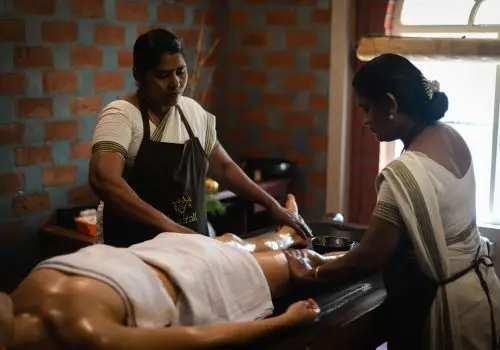
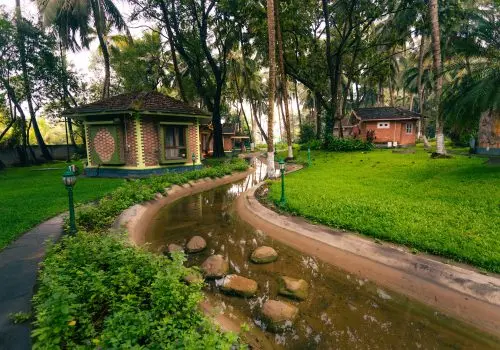
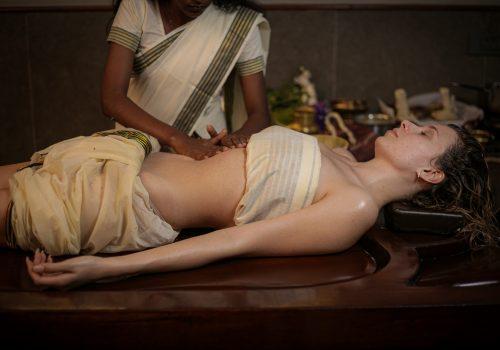
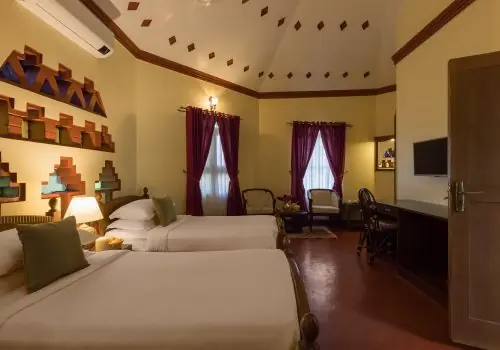
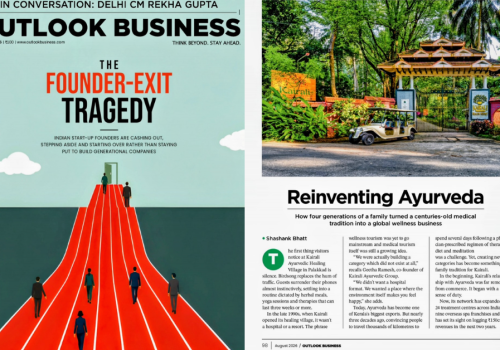
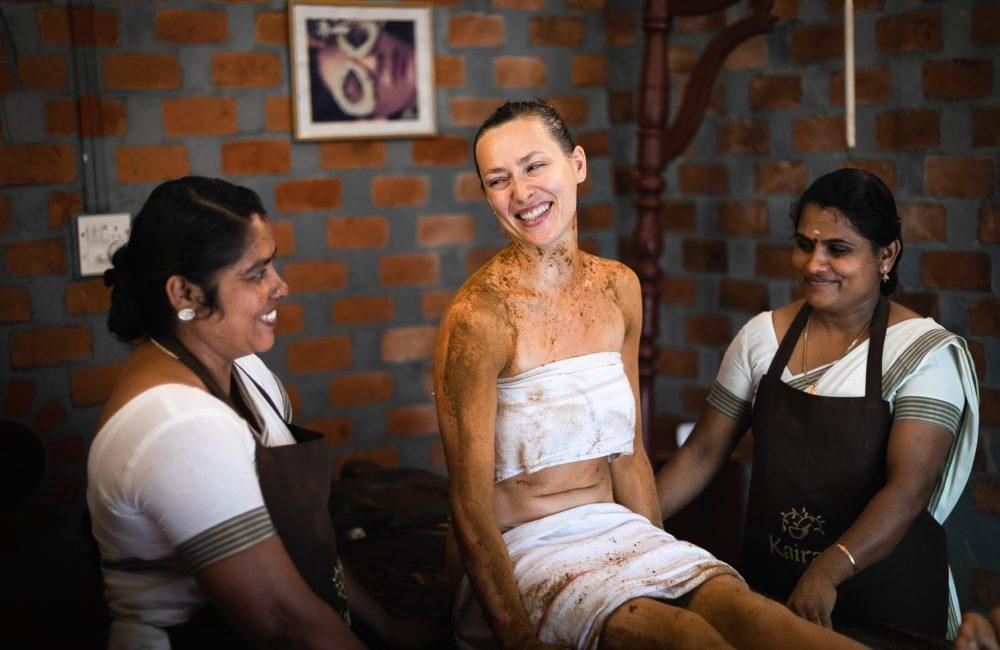
For destinations such as Kairali – The Ayurvedic Healing Village, the Budget does not create an automatic advantage.
It raises the standard against which established providers may be judged.
Kairali is an NABH-accredited Ayurvedic hospital in Palakkad, Kerala. That accreditation is relevant because the Budget’s direction places increasing emphasis on structured care, trained personnel, research, quality systems, and coordination.
The practical question for any Ayurvedic destination is no longer simply whether it offers Panchakarma, yoga, or traditional therapies.
Travellers should also ask:
- Is the programme supervised by qualified Ayurvedic physicians?
- Is the facility accredited by a recognised healthcare body?
- How are medicines and treatment materials sourced?
- How often is the guest reviewed?
- Are therapies changed when the person’s response changes?
- How are safety concerns or existing medical conditions handled?
- Is there a clear plan for the period after the residential stay?
These questions are more useful than broad claims about being the “best Ayurveda treatment in India.”
What Travellers Should Expect Now
The Budget announcements should not be read as proof that medical travel has already become seamless.
The Regional Medical Hubs are proposed. The new Ayurveda institutes still need to be established. Laboratory and pharmacy upgrades must be implemented. Training programmes will need standards, teachers, oversight, and evaluation.
Guests booking in the near term should therefore continue to assess each provider on its present credentials rather than on future policy promises.
Before choosing an Ayurvedic retreat, request written information about:
- Physician qualifications
- Accreditation
- Programme duration and structure
- Daily consultations or review schedules
- Contraindications and safety screening
- Medicine and therapy costs
- Airport transfers and practical assistance
- Follow-up after departure
A credible provider should be able to answer these questions without resorting to guaranteed outcomes.
The Larger Opportunity
The Union Budget 2026–27 gives Ayurveda tourism a more serious place within India’s services and healthcare agenda.
Its strongest contribution is not a single tourism incentive. It is the connection it draws between AYUSH, medical infrastructure, research, professional training, quality testing, rehabilitation, hospitality, and destination knowledge.
That is the right direction.
Ayurveda tourism will earn international confidence not by promising more, but by explaining more clearly what it does, how it is delivered, who supervises it, and where its limits lie.
The Budget creates an opportunity to build that system. Whether the sector uses it well will depend on what happens after the announcements.
Website: www.ktahv.com
Call: +91-9555156156