





















Wellness travel has changed dramatically over the past decade.
Travellers are no longer looking only for luxury resorts or relaxing holidays. Increasingly, they are seeking experiences that help them disconnect from everyday stress, adopt healthier habits, and return home feeling physically and mentally renewed.
This shift has brought traditional systems of health into the spotlight. Among them, Ayurveda has emerged as one of the most recognised forms of wellness tourism, attracting visitors from around the world who are interested in holistic, preventive approaches to health.
While the practice itself is thousands of years old, the growing interest in Ayurveda reflects a modern question: Can travel become an opportunity to improve long-term wellbeing rather than simply provide a temporary escape?
What Is Ayurveda Tourism?
Ayurveda tourism refers to travel centred around authentic Ayurvedic experiences.
Rather than focusing solely on sightseeing, travellers participate in programmes that may include Ayurvedic consultations, therapeutic treatments, personalised nutrition, yoga, meditation, and lifestyle guidance. The emphasis is not simply on relaxation but on understanding health from a holistic perspective.
Unlike conventional spa holidays, Ayurvedic wellness programmes are traditionally designed according to an individual’s Prakriti (constitution), current health status, and personal wellness goals.
This personalised approach has become one of Ayurveda’s distinguishing features within the global wellness industry.
Why Is Ayurveda Becoming More Popular?
The growing interest in Ayurveda mirrors broader changes in how people think about health.
Many travellers today are looking for ways to manage stress, improve sleep, develop healthier routines, and support overall wellbeing. Rather than viewing wellness as something addressed only after illness develops, there is increasing interest in preventive approaches that encourage long-term balance.
Ayurveda has always emphasised this perspective. Its traditional focus extends beyond treating symptoms to supporting healthy daily habits, appropriate nutrition, seasonal routines, and lifestyle practices that promote overall wellbeing.
For many international visitors, this broader philosophy is as appealing as the treatments themselves.
More Than a Spa Experience
Ayurvedic wellness programmes are often mistaken for spa holidays.
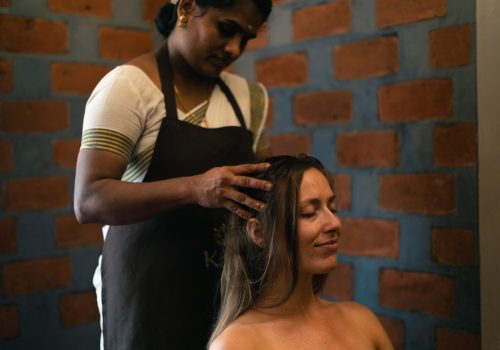
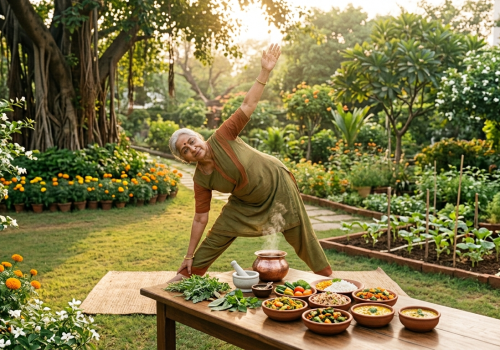
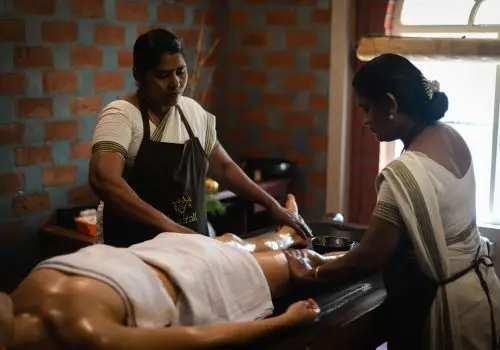
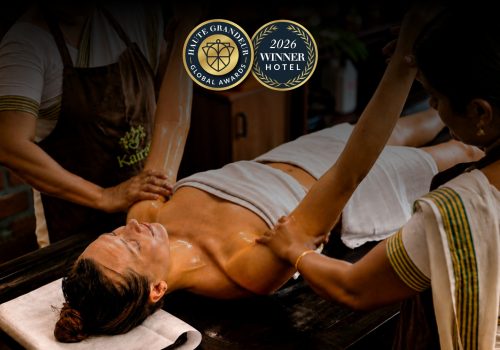
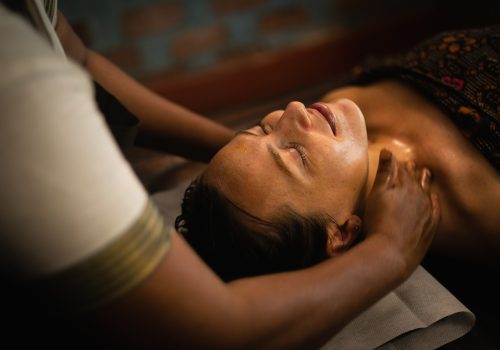
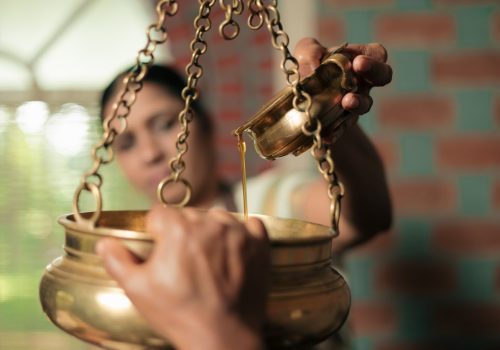
While therapies such as oil massage are widely recognised, traditional Ayurveda encompasses much more than physical treatments. Depending on an individual’s needs, a programme may include dietary guidance, herbal preparations, daily routines, breathing practices, yoga, meditation, and lifestyle recommendations.
The objective is not simply relaxation for a few days but encouraging habits that participants can continue after returning home.
This educational aspect distinguishes Ayurveda from many conventional wellness experiences.
Why Kerala Became a Centre for Ayurveda Tourism
When people think of Ayurveda tourism, Kerala often comes to mind.
The state has played an important role in preserving and promoting Ayurvedic practice through generations of practitioners, educational institutions, medicinal plant cultivation, and wellness centres. Its tropical climate, abundant biodiversity, and longstanding cultural association with Ayurveda have also contributed to its international reputation.
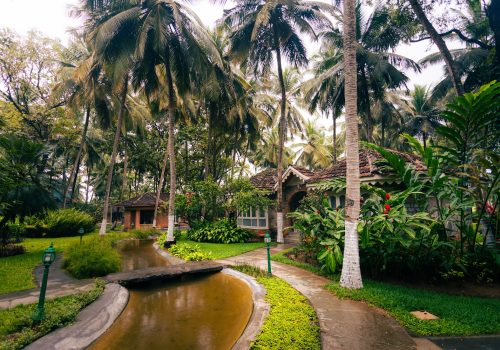
For many visitors, Kerala offers more than treatments. It provides an opportunity to experience Ayurveda in the cultural landscape where it has evolved over centuries.
Personalisation Is Central to Ayurveda
One reason Ayurveda continues to attract global attention is its emphasis on individualised care.
Traditional Ayurvedic practice recognises that people differ in their constitution, digestive capacity, lifestyle, age, environment, and current state of health. As a result, recommendations are intended to be personalised rather than standardised.
This principle influences every aspect of Ayurvedic care, from dietary advice to therapeutic procedures and daily routines.
For wellness travellers, this personalised approach often offers a refreshing alternative to one-size-fits-all wellness programmes.
Ayurveda, Yoga, and Mindful Living
Ayurveda and Yoga have long been regarded as complementary disciplines.
While Ayurveda traditionally focuses on supporting health through diet, lifestyle, and therapeutic interventions, Yoga provides practices that cultivate physical strength, flexibility, breath awareness, and mental steadiness.
Many wellness programmes combine these traditions to create a more comprehensive experience that addresses multiple aspects of wellbeing.
Although they are distinct systems, they share the broader goal of supporting balance in everyday life.
A Growing Interest in Preventive Wellness
One of the defining trends in global healthcare is a growing interest in prevention.
People are increasingly asking how they can maintain health rather than respond only after illness develops. Nutrition, sleep, stress management, physical activity, and mental wellbeing have become central to this conversation.
Ayurveda has traditionally approached health from this perspective. Its recommendations often focus on establishing daily routines, seasonal adaptations, and lifestyle practices intended to support long-term wellbeing.
This philosophy aligns with the interests of many contemporary wellness travellers.
Wellness Travel and Sustainability
Another reason Ayurveda resonates with modern travellers is its close relationship with nature.
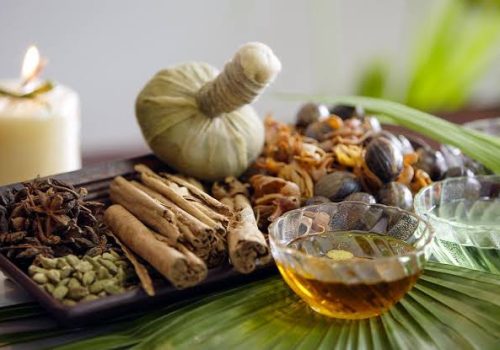
Traditional Ayurvedic practice makes extensive use of medicinal plants, natural oils, dietary guidance, and seasonal living. Many wellness destinations also incorporate local ingredients, traditional preparation methods, and environmentally conscious practices.
While sustainability depends on the policies of individual centres, Ayurveda’s broader philosophy encourages living in harmony with both the body and the natural environment.
Looking Ahead
The future of wellness travel is unlikely to be defined simply by luxury or relaxation. Increasingly, travellers are looking for experiences that help them understand their health, develop sustainable habits, and reconnect with themselves.
Ayurveda offers one approach to that journey.
Its growing international appeal reflects not only interest in traditional therapies but also a wider shift towards personalised, preventive, and holistic wellbeing. As research continues and awareness expands, Ayurveda tourism is likely to remain an important part of the evolving global wellness landscape.
For those interested in exploring Ayurveda, the most meaningful experience is one that combines authentic practice with guidance from qualified practitioners. After all, Ayurveda has never been about following trends—it has always been about understanding the individual.
Ayurveda tourism is a form of wellness travel that focuses on traditional Ayurvedic therapies, personalised consultations, yoga, meditation, and lifestyle practices to support overall wellbeing.
Kerala has a long history of Ayurvedic practice, experienced practitioners, medicinal plant diversity, and wellness centres that have helped make it one of India’s best-known destinations for Ayurvedic experiences.
Unlike a typical spa holiday, Ayurveda tourism usually begins with an individual health assessment. Treatments, diet, and daily routines are traditionally tailored to a person’s constitution and wellness goals.
No. Many people choose Ayurveda tourism to learn healthy lifestyle practices, reduce stress, and support preventive wellbeing, even if they do not have a specific medical condition.