








Kerala is broadening the way it presents itself to travellers.
For decades, the state’s international tourism identity has been closely associated with backwaters, houseboats, beaches and hill stations. These remain important, but a recent report in TTG India shows Kerala Tourism placing greater emphasis on adventure travel, heli tourism, caravan parks, heritage experiences and new forms of cultural engagement.
The direction is understandable. Travellers increasingly look for experiences that offer more than sightseeing. They want access to local culture, distinctive landscapes and a reason to spend longer in a destination.
But Kerala’s strongest opportunity may not be one of its newest tourism products. It may be the field with which the state has long been associated: Ayurveda.
A broader tourism offer
According to the TTG India report, Kerala is supporting the development of heliports through public-private partnerships, with the aim of improving access to remote destinations. Caravan parks are also being developed in locations including Palakkad and Munnar.
The state is promoting adventure events such as the Malabar River Festival, the Chaliyar River Paddle and the Tour of Thekkady. Heritage walks involving students and local communities are intended to help visitors understand Kerala’s historical sites through local storytelling.
These initiatives could help travellers move beyond established itineraries and explore a wider range of places. They also reflect a broader change in tourism: destinations are no longer competing only through scenery or accommodation. They are competing through the quality and distinctiveness of the experience.
Kerala has considerable advantages in this area. Its geography allows coastal, forest, hill and river-based travel within one state. Its food traditions, performing arts, architecture and systems of medicine give visitors several ways to engage with Kerala beyond a conventional holiday.
International tourism has not fully recovered
The challenge is that Kerala’s international tourism recovery has remained slower than its domestic growth.
The report states that Kerala received approximately 1.19 million international tourists in 2019, compared with 0.65 million in 2023. Domestic tourist arrivals, by contrast, increased from 18.83 million in 2019 to 21.87 million in 2023.
This gap matters because international wellness travellers often stay longer, plan their journeys around a specific programme and travel outside conventional holiday periods. Ayurveda, when presented responsibly, can give Kerala a reason to attract precisely this kind of visitor.
Yet Ayurveda is still frequently positioned as a supplementary spa experience rather than as a structured system of care requiring qualified physicians, individual assessment and supervised procedures.
That distinction should become central to Kerala’s tourism strategy.
Ayurveda is not simply another wellness activity
A yoga class, massage or short relaxation treatment may form part of a holiday. Clinical Ayurveda is different.
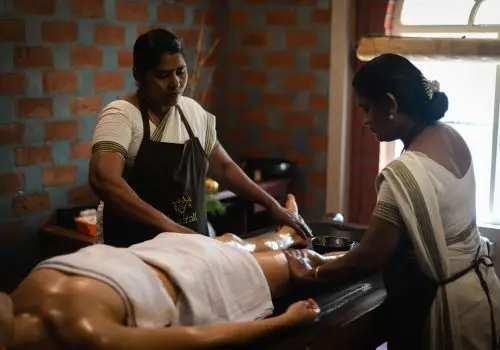
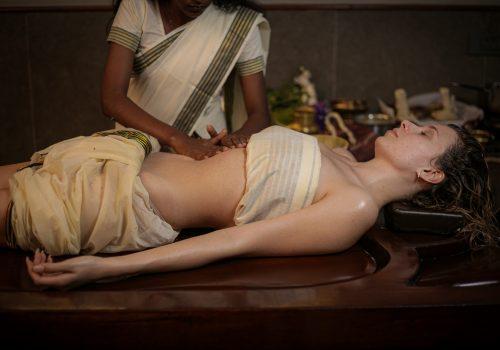
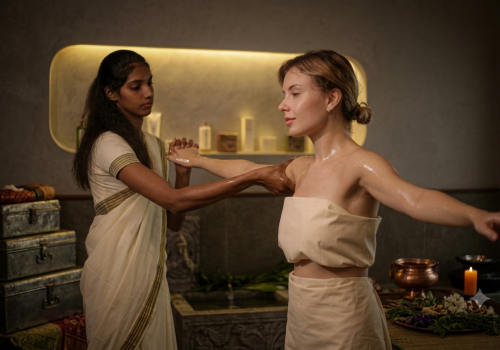
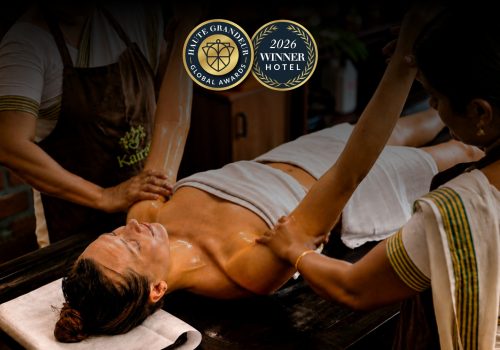
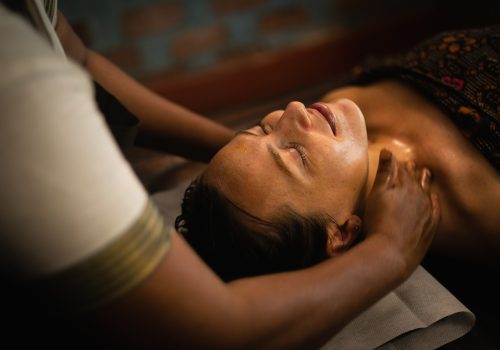
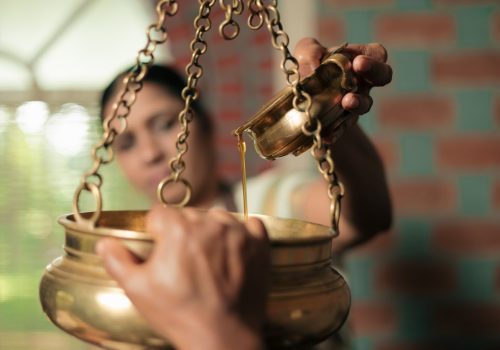
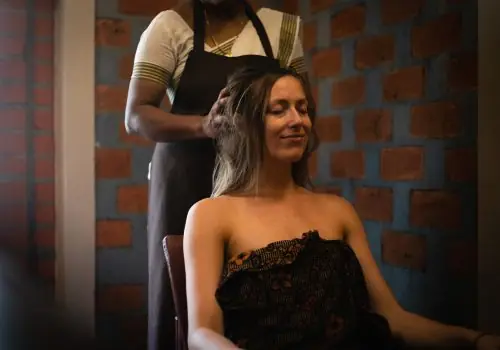
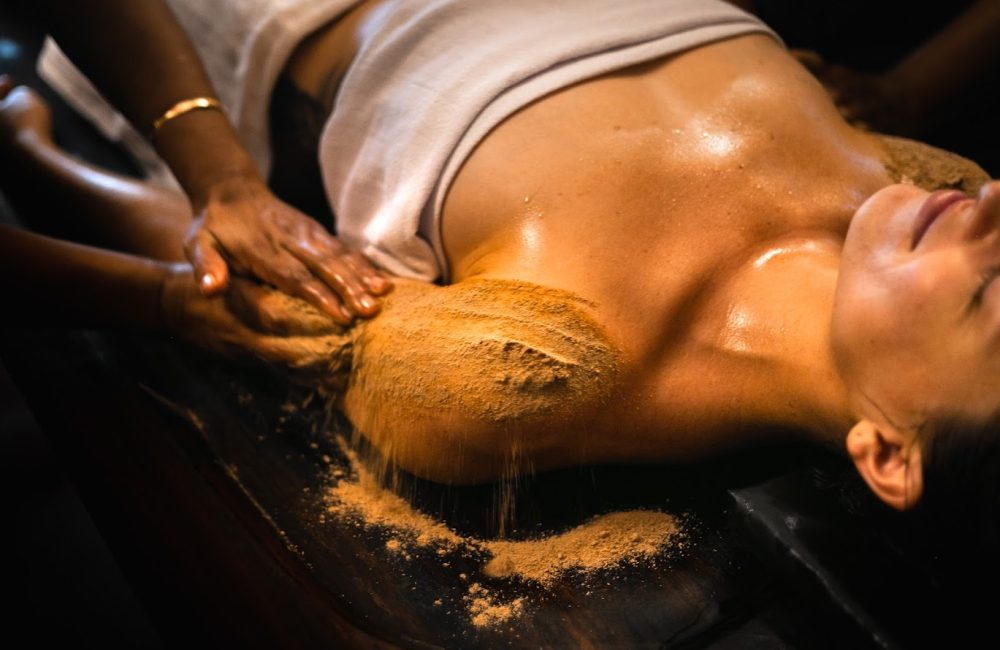
A properly designed Ayurvedic programme begins with consultation and assessment. The physician considers constitution, current imbalance, medical history, digestion, sleep, strength, age and other relevant factors before deciding whether therapies are appropriate.
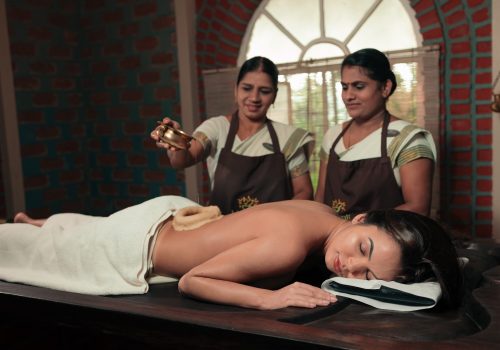
Panchakarma, in particular, should not be reduced to a generic package or a fashionable cleansing promise. It is a supervised sequence of preparatory, principal and post-procedure stages. The duration and components vary according to the individual and the physician’s judgement.
This is where Kerala has a credible advantage. The state is not attempting to import an external wellness model. Ayurveda is part of its institutional, educational and clinical landscape.
However, that advantage will hold only if standards remain visible.
Travellers should be able to distinguish between physician-led Ayurvedic care and spa services that borrow Ayurvedic terminology. Practitioner qualifications, facility accreditation, treatment protocols, contraindications and realistic expectations should all be communicated clearly.
For international audiences, such transparency is more persuasive than broad promises of rejuvenation or transformation.
Connectivity remains part of the problem
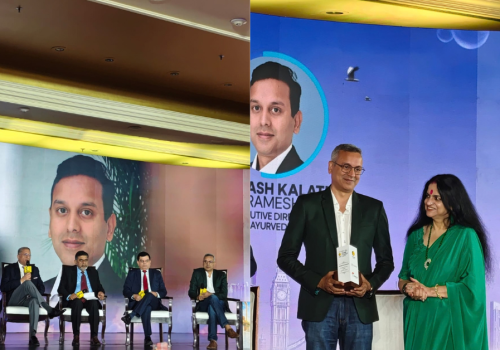
In the TTG India report, Abhilash K. Ramesh, Executive Director of Kairali Ayurvedic Group, said that the group had recorded 80 per cent occupancy in the previous year, with domestic visitors accounting for 70 per cent and international visitors 30 per cent.
He also argued that stronger direct air connectivity from Europe, the Middle East and South-east Asia could support the growth of Ayurveda-led medical tourism in Kerala.
This is a practical concern. A traveller considering a supervised programme of two or three weeks will assess the entire journey, not only the retreat itself. Flight access, transfers, visa procedures, language support and continuity of care all affect the decision.
Kerala Tourism has already conducted a roadshow in Malaysia and has indicated plans for further outreach in South-east Asia, alongside established markets in Europe and North America.
Such promotion can help, but the message needs precision. Kerala should not compete through vague wellness language. It should explain what makes its Ayurveda infrastructure credible, how treatment differs from recreation and what international patients should expect before, during and after a programme.
Experience-led tourism needs substance
The travel industry often speaks about “immersive” or “transformative” experiences. These terms become less useful when every destination uses them.
Kerala has the opportunity to be more specific.
A heritage walk can explain the social history of a neighbourhood. A river festival can introduce travellers to a landscape through sport. A caravan route can create access to lesser-known regions. An Ayurvedic programme can offer a structured period of physician-guided dietary, therapeutic and lifestyle intervention.
Each experience has value, but they should not be presented as interchangeable lifestyle products.
Ayurveda’s contribution to Kerala tourism is strongest when it is not exaggerated. It does not need mystical language or universal health promises. It needs trained practitioners, regulated facilities, careful patient selection and honest communication about what is known, what is traditionally practised and where modern evidence remains limited.
Kerala’s opportunity is credibility
Kerala’s new tourism initiatives could make the state more accessible and encourage visitors to explore beyond familiar destinations. Adventure, heritage and local participation all deserve a place in that strategy.
But Ayurveda offers something different: a reason to visit Kerala with a clear purpose and to remain for an extended period under professional supervision.
For that opportunity to develop responsibly, the state and the industry must resist turning Ayurveda into another tourism slogan. Promotion should be accompanied by stronger quality signals, clear distinctions between clinical and spa settings, improved international connectivity and communication that respects the intelligence of the traveller.
Kerala does not need to reinvent Ayurveda for a new generation of tourists.
It needs to present it with greater clarity.
Source: Kerala: Boosting tourism with new experiences | TTG India