


















If you’ve been searching for kerala panchakarma treatment, you’ve likely seen two extremes online:
- Panchakarma marketed as a “quick cleanse weekend”
- Panchakarma portrayed as a mystical cure-all for every chronic condition
Both are misleading.
In our clinical experience at Kairali – The Ayurvedic Healing Village (Palakkad, Kerala), Panchakarma is neither a spa indulgence nor a one-size-fits-all detox. It is a structured, physician-led Ayurvedic reset that can support the body’s natural ability to restore balance—particularly for people dealing with long-standing lifestyle disorders, chronic inflammation patterns, stress overload, digestive dysfunction, pain syndromes, and metabolic imbalance.
This guide clears the myths, explains what authentic Panchakarma really involves, and shows why your environment (and the center you choose) can make or break your results—especially if you’re considering a panchakarma retreat kerala experience.
A quick “myth-buster” before we begin
Myth 1: “Panchakarma is just massage + steam”
Massage and steam may be part of preparation, but Panchakarma is a medical detox protocol, not a relaxation package.
Myth 2: “Everyone should do the same 7-day Panchakarma”
Authentic Panchakarma is personalized. Duration, therapies, and intensity depend on your Agni (digestive capacity), Ama (metabolic toxins), constitution, age, medications, and resilience.
Myth 3: “You can do Panchakarma anywhere”
Location matters more than most people realize—climate, food, routine control, and medical supervision are not “add-ons.” They are core to outcomes.
Section 1: What Panchakarma actually is — and who it helps
What it is?
Panchakarma means “five actions”—a set of classical Ayurvedic procedures designed to:
- mobilize and eliminate accumulated metabolic waste (Ama)
- rebalance Vata, Pitta, and Kapha
- reset digestion, sleep, elimination, appetite, and tissue nourishment
The “five actions” are used selectively (not all for everyone), typically including:
- Vamana (therapeutic emesis) — selected Kapha conditions
- Virechana (therapeutic purgation) — selected Pitta/toxin overload patterns
- Basti (medicated enema therapies) — widely used for Vata disorders, pain, gut dysregulation
- Nasya (nasal therapies) — head/neck, sinus, sleep, mental clarity support
- Raktamokshana (blood-letting) — specialized, not routinely used; only where appropriate
Who typically benefits most
A well-designed kerala panchakarma treatment program may be supportive for:
- chronic digestive issues (bloating, constipation patterns, appetite dysregulation)
- inflammatory pain patterns and stiffness
- stress exhaustion, disturbed sleep, anxiety patterns (non-emergency)
- metabolic imbalance, fatigue, “heavy body” feeling
- skin flare cycles (when clinically suitable)
- post-illness weakness / long recovery (after physician clearance)
Important: Panchakarma is not positioned as an emergency treatment or a replacement for acute medical care. If you have severe symptoms, unstable medical conditions, pregnancy, or are on complex medication regimens, you must undergo physician evaluation first.
Section 2: The preparation phase (Purvakarma) is where real outcomes begin
Many “spa Panchakarma” packages skip or compress Purvakarma—and that’s where results often collapse.
In authentic Ayurveda, the body must be prepared so toxins can move from deep tissues → to the gut → out of the system safely. That preparation typically includes:
1) Deepening digestion (Agni)
If digestion is weak, intense detox can backfire—causing headaches, acidity, fatigue, mood swings, or appetite disruption.
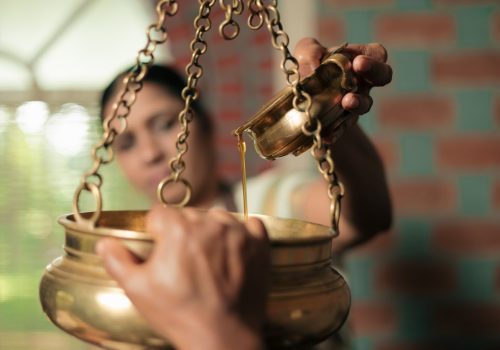
2) Internal oleation (Snehapana)
Medicated ghee/oils may be given in a structured way (only if suitable) to loosen and mobilize accumulated waste.
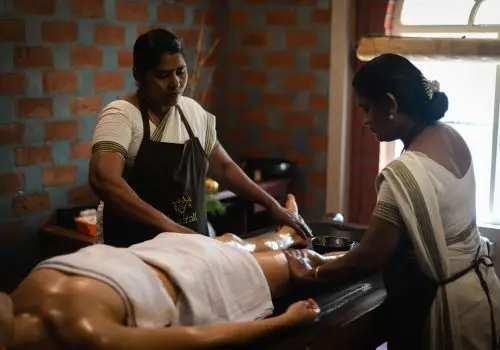
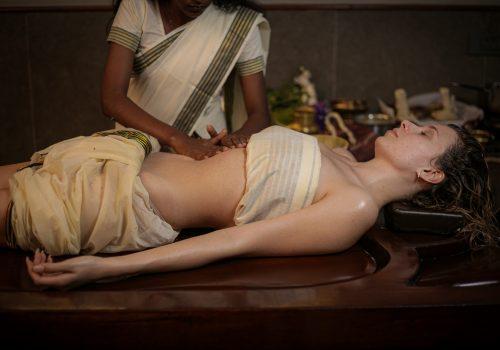
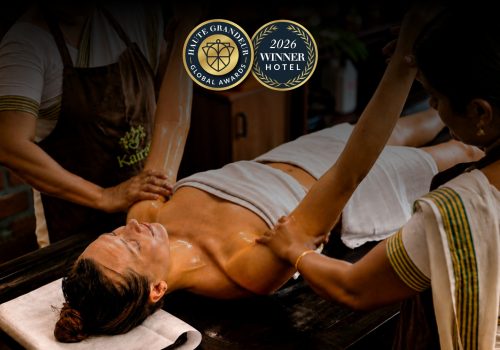
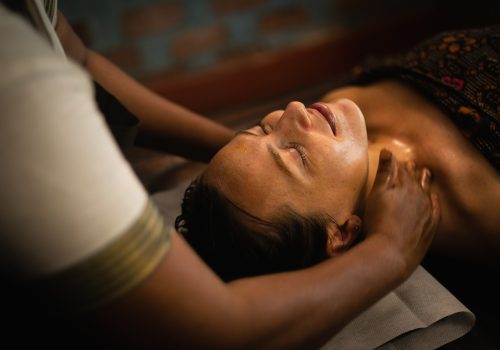
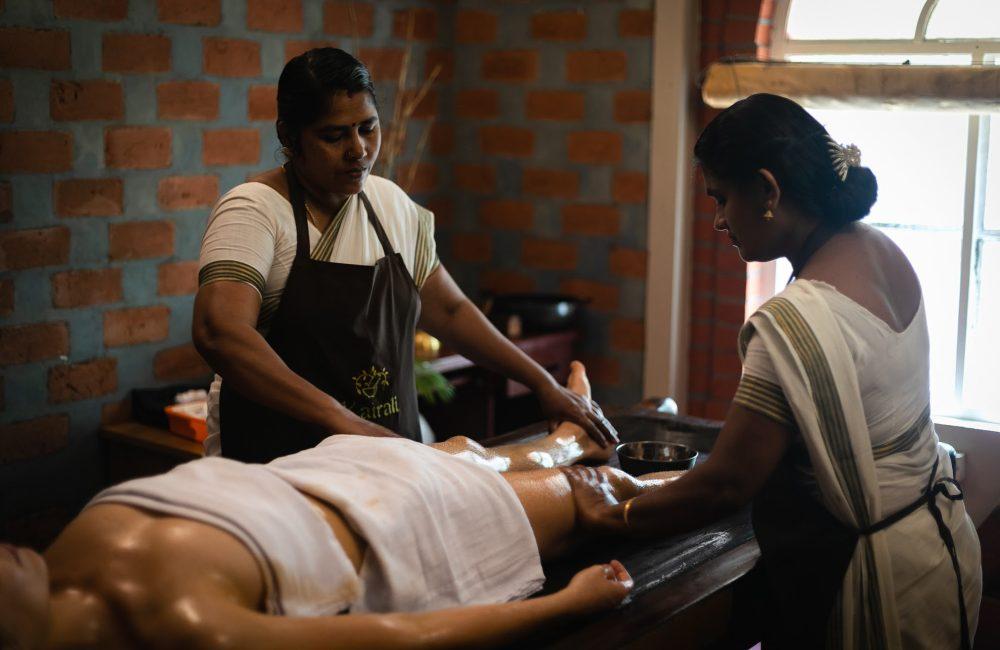
3) External oleation + sweating (Abhyanga + Swedana)
These help circulation, lymph movement, stiffness reduction, and nervous system regulation—preparing the channels (srotas) for elimination.
Why Purvakarma matters:
Because detox is not just “removing”—it’s mobilizing safely. Skipping preparation is like trying to renovate a house without clearing the debris pathways first.
Section 3: Why environment and setting are critical for results
If you’re comparing options for the best panchakarma in Kerala, don’t just compare therapy lists—compare the healing environment.
Here’s why location matters clinically:
Climate supports nervous system recovery
Kerala’s humid, stable climate tends to be Vata-soothing, which matters because detox often aggravates Vata if routines, rest, hydration, and warmth are not protected.
Food can be controlled precisely
Panchakarma outcomes rise when meals are:
- freshly cooked, warm, easy to digest
- aligned to your dosha imbalance and digestive capacity
- timed consistently
In uncontrolled settings (traveling daily, eating outside, irregular sleep), the body doesn’t “switch” into repair mode.
Sensory hygiene is therapy
Ayurveda recognizes that noise, over-stimulation, late nights, screens, conflict, and irregular routines disturb Vata and reduce outcomes. A true Palakkad Ayurveda retreat setting supports:
- quiet, structured routines
- morning sunlight, gentle movement
- deep rest between therapies
Your body needs a “container”
Panchakarma is a temporary, guided vulnerability. The environment must protect:
- body temperature stability
- hydration and electrolyte balance
- recovery sleep
- emotional regulation
This is why a medically oriented panchakarma retreat kerala is fundamentally different from a wellness resort that “offers Panchakarma” as a menu item.
Section 4: Medical supervision vs spa-style Panchakarma (what to look for)
Spa-style Panchakarma often includes:
- generic massage/steam protocols
- the same routine for every guest
- minimal or no physician involvement
- no adjustment based on pulse, digestion, elimination, sleep, or medication needs
Physician-led Panchakarma should include:
- Ayurvedic physician consultation (and re-checks)
- daily monitoring of digestion, elimination, sleep, appetite, fatigue
- personalization of therapies and intensity
- safety screening (BP, diabetes stability, medication interactions, anemia, thyroid status, etc.)
- clear “stop/modify” criteria if the body signals overload
If you want the best panchakarma in Kerala, choose the setting that treats Panchakarma as clinical care, not a “detox experience.”
Section 5: Kairali’s Panchakarma protocol — what differentiates it
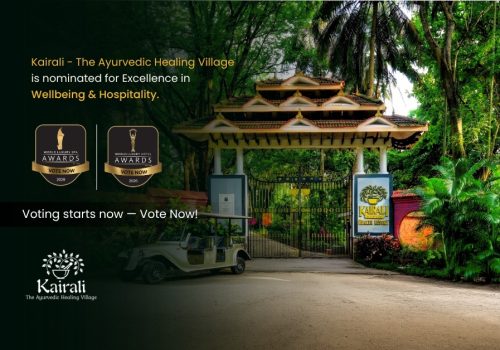
At Kairali – The Ayurvedic Healing Village (Palakkad), our focus is simple: classical authenticity + physician governance + a protected healing environment.
Key differentiators (in patient terms)
- Doctor-led personalization: therapies chosen based on your constitution, imbalance pattern, digestion, and readiness
- Purvakarma respected: preparation is not rushed because outcomes depend on it
- Therapy + diet + rest as one system: not “treatments” separated from lifestyle
- Consistency of routine: timing, food, rest, and therapies are structured to reduce physiological noise
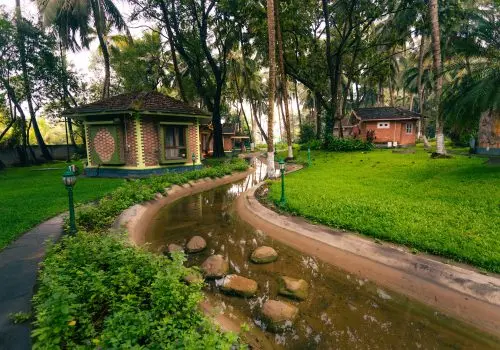
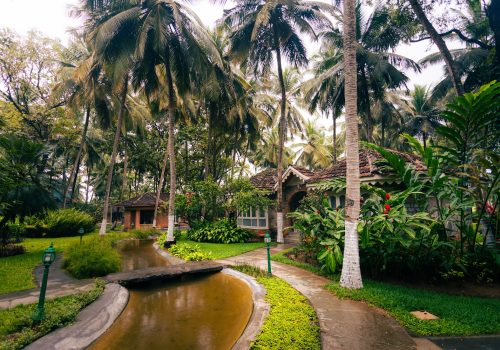
- Supportive healing setting: calm, nature-centric, designed for nervous system downshift (essential for chronic stress and inflammation patterns)
Note: Specific procedures and intensity depend on physician assessment. Individual results vary.
Section 6: A realistic day-by-day overview of a 14-day Panchakarma journey
Every person’s protocol varies, but this gives you a true-to-life view of a 14-day Kerala Panchakarma treatment structure.
Days 1–2: Assessment + digestion preparation
- physician consultation (prakriti/vikriti assessment)
- digestion-focused diet and routines
- gentle external therapies to settle Vata
What you may feel: improved sleep, lighter body, clearer appetite signals
Days 3–5: Purvakarma intensifies
- internal oleation if suitable
- Abhyanga + Swedana (or other physician-selected therapies)
- diet becomes simpler and more targeted
What you may feel: emotions surfacing, fatigue, coated tongue, shifting appetite (normal when monitored)
Days 6–10: Main elimination phase
- physician-selected detox actions (often Basti, sometimes Virechana, etc.)
- daily monitoring of elimination quality and energy
What you may feel: lighter digestion, reduced stiffness, mental clarity—but also temporary tiredness as the body rebalances
Days 11–14: Restoration phase
This is where many people lose gains if they rush home too quickly.
- discharge plan and home routine guidance
- What you may feel: steadier energy, better sleep depth, improved bowel rhythm, calmer mind
- rebuilding digestion and strength (Agni + Ojas)
- gradual dietary expansion
- sleep stabilization, breathwork, gentle yoga
Section 7: Common mistakes people make when choosing a Panchakarma center
If you’re researching a panchakarma retreat kerala, watch for these red flags:
- No real Purvakarma (or “we do everything in 3 days”)
- No daily doctor check-ins (or doctor appears only on Day 1)
- Same protocol for everyone (copy-paste schedules)
- No diet control (buffets, raw salads, cold foods, “detox juices”)
- Over-promising cures (unethical and unsafe)
- Therapist-only decision making (therapists are vital, but clinical decisions must be physician-led)
- No aftercare plan (Panchakarma without a re-entry strategy wastes results)
A simple self-check: “Am I ready for Panchakarma?”
Use this as an educational readiness tool (not a diagnosis):
You may be ready to explore Panchakarma if you:
- can commit to 14 days with controlled routine and rest
- are open to food discipline and early nights
- are stable on medications (and willing to coordinate with physicians)
- want a structured reset, not a “quick detox”
You must get physician clearance first if you:
- are pregnant / breastfeeding
- have uncontrolled BP, unstable diabetes, heart conditions, kidney disease
- have severe psychiatric instability
- recently had surgery or acute infection
- are on immunosuppressants or complex multi-drug regimens
Panchakarma is powerful — when done the right way, in the right place
Panchakarma is not a trend. It’s one of Ayurveda’s most sophisticated clinical systems—but it works best when the body is prepared, the detox is supervised, and the environment supports recovery. Book a free doctor consultation or visit www.ktahv.com.
About the Author
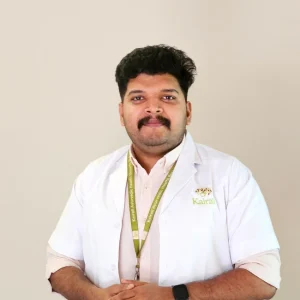
Dr. Rahul R is a dedicated Ayurvedic physician at Kairali – The Ayurvedic Healing Village, bringing over 7 years of clinical experience in holistic diagnosis and personalized healing. Known for his calm demeanor and patient-centered approach, Dr. Rahul excels in decoding the subtle intricacies of the human constitution through the lens of Ayurveda.
Dr. Rahul believes that every body speaks its own language—and that Ayurvedic wisdom offers the most intuitive way to listen. His practice is rooted in balance, sustainability, and self-awareness, empowering guests to take charge of their well-being beyond treatment.He combines classical diagnostic tools like Nadi Pariksha (pulse reading) with modern wellness insights to provide grounded and practical healing recommendations.