

























If you’ve ever completed a yoga class and still felt mentally noisy—racing thoughts, tension behind the eyes, “tired but wired”—it’s a sign we may be practicing only one slice of yoga.
A recent PTI note carried by The Wire makes a simple but important point: modern yoga is often reduced to postures and performance, while pranayama (breath practice)—one of yoga’s most practical tools for inner steadiness—gets skipped.
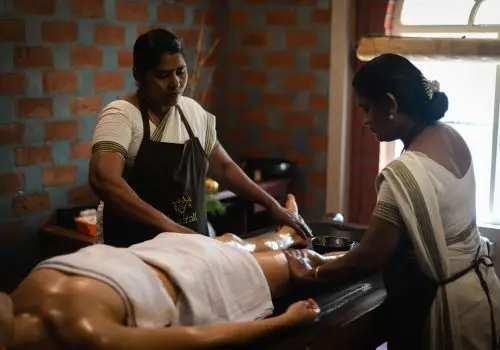
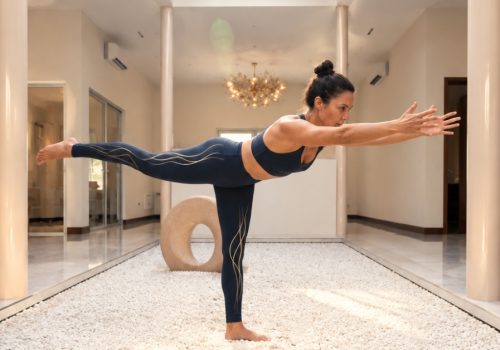
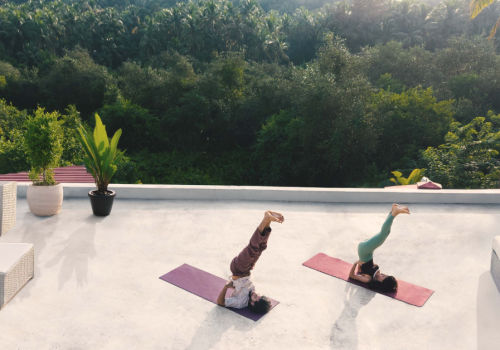
At Kairali – The Ayurvedic Healing Village (Palakkad, Kerala), this “beyond poses” approach isn’t a trend—it’s built into the daily rhythm. Breathwork is treated as a clinical-grade self-regulation tool, supported by Ayurveda, routine, and a low-stimulation healing environment.
Why “Doing Poses” Doesn’t Always Touch Stress
Postures can improve mobility and strength. But a lot of modern stress sits deeper—in the nervous system:
- shallow chest breathing from long screen hours
- irregular sleep cues
- constant stimulation and attention fragmentation
- emotional overload without recovery time
That’s why the breath matters: the mind tends to follow the breath. When breathing is rushed or shallow, mental agitation often stays high. The Wire/PTI piece also cautions that pushing yoga as a workout can invite strain and injury—another sign we’ve lost the original sequence and intention.
What Pranayama Really Means (in simple terms)
Pranayama is often described as “breath control,” but it’s more accurate to think of it as training your inner state through breath.
You don’t need complicated techniques to begin. Even gentle breath patterns can support:
- emotional steadiness
- clearer attention
- better sleep readiness
- a calmer baseline over time
This is exactly why pranayama is central in classical yoga systems—and why it’s emphasized in many authentic wellness traditions.
The Kairali perspective: Breath is not an add-on—it’s part of healing design
At Kairali – The Ayurvedic Healing Village, breathwork is typically not treated as “optional activity.” It’s integrated with:
- structured daily routine
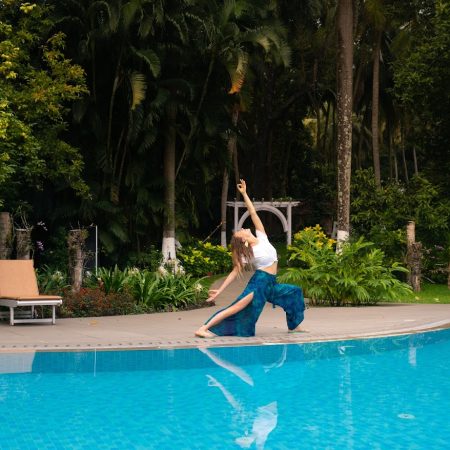
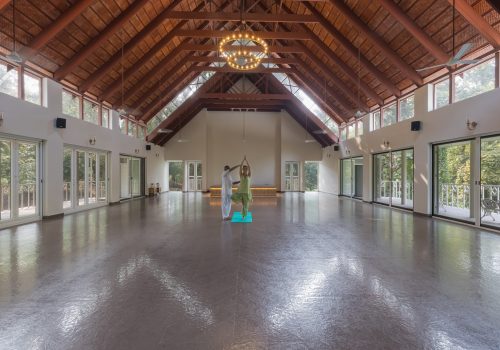
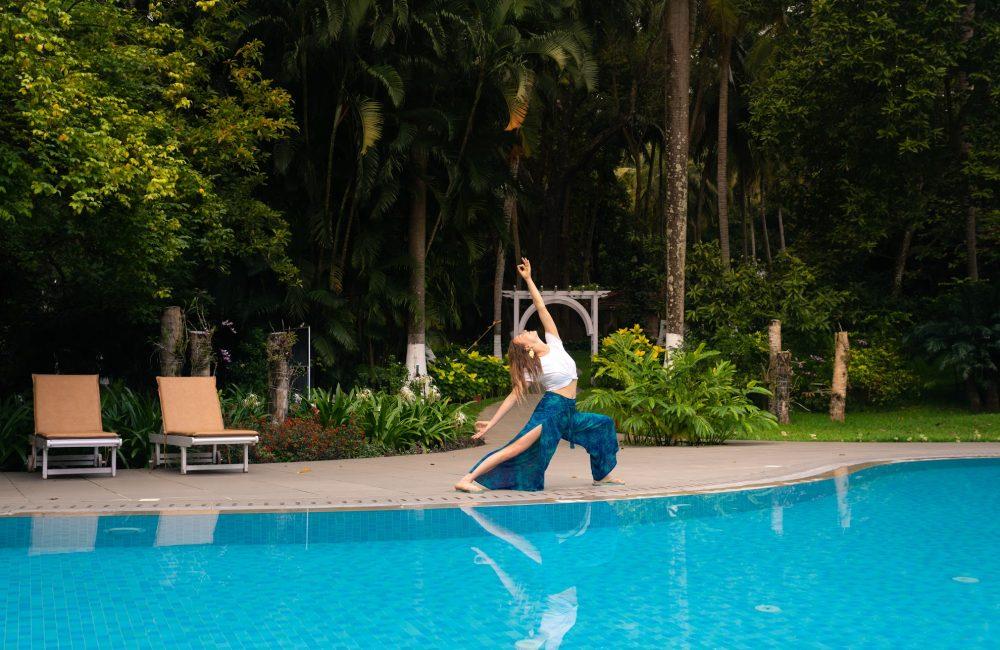
- yoga and meditation support
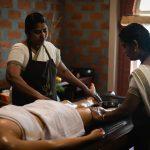
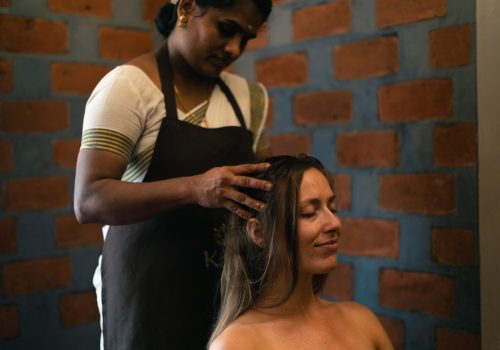
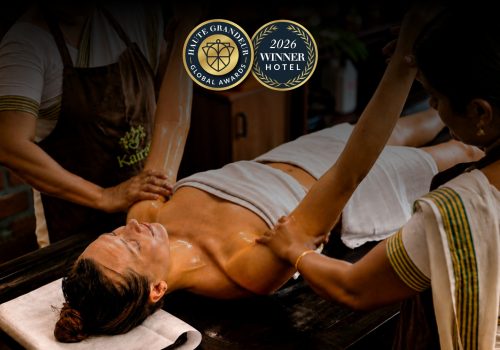
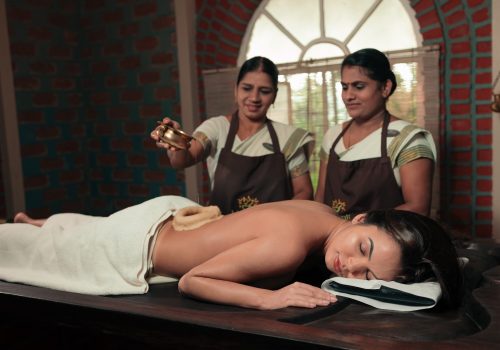
- Ayurvedic consultations and therapies
- food timing and rest cues
Kairali’s own program pages describe yoga and meditation packages that include guided yoga sessions, meditation, and Ayurveda education elements—reflecting a system rather than a single class.
And the setting itself matters: Kairali is described as a 65-acre retreat environment in Palakkad, designed for a quieter nervous system baseline—one of the reasons many people seeking an Ayurveda holiday India experience choose Kerala in the first place.
A grounded story : “I came for therapies, but breath changed my nights”
A common pattern clinicians see in retreats is this:
Someone arrives expecting relaxation therapies alone to fix stress. The body feels better—but sleep and mental noise still persist.
In these cases, the biggest shift often comes when the plan becomes simpler:
- lighter evenings
- consistent wake/sleep cues
- and short, gentle pranayama twice daily
Not dramatic. Just repeatable.
That’s why, when people search for the best ayurvedic retreat in kerala, a helpful filter isn’t luxury—it’s whether the retreat supports breath-led living with routine, silence, and guided practice.
Why Kerala amplifies breath practice (and why Kairali is often chosen)
Breathwork can be practiced anywhere. But the environment effect is real.
Many people experience deeper shifts when breath is supported by:
- nature exposure
- a consistent daily rhythm
- reduced sensory overload
- traditional therapies and rest
Kairali positions itself as a structured healing village in Palakkad, Kerala—an environment intentionally built for holistic rejuvenation. That’s why it’s frequently considered within searches for Ayurvedic wellness Kerala, especially by people who want yoga and meditation integrated into a broader Ayurvedic plan.
Final Thoughts
Yoga’s true gift isn’t what your body can do—it’s how peacefully you can live inside yourself. When we move beyond postures and return to pranayama, we reconnect with the most direct tool we have for calming the mind, balancing emotions, and restoring inner stability: the breath. Even a few gentle minutes each day can soften mental noise and build a steadier baseline over time.
At Kairali – The Ayurvedic Healing Village, this breath-first philosophy is supported as a complete healing lifestyle—through Ayurvedic guidance, daily rhythm, mindful living, and a Kerala environment designed to help the nervous system reset naturally. Whether you’re practicing at home or planning an Ayurveda holiday India, remember this: the most powerful transformation often begins quietly—not with a pose, but with one conscious breath.
Website: www.ktahv.com
Call: +91-9555156156
About the Author
Gita Ramesh is a globally respected figure in the world of Ayurveda, known for her groundbreaking work in Ayurvedic spa therapies, wellness hospitality, and diet-based healing. As the Co-Founder and Joint Managing Director of Kairali Ayurvedic Group, she has played a pivotal role in shaping Kairali’s unique blend of traditional Ayurvedic healing with modern wellness sensibilities.
A passionate advocate of holistic living, Mrs. Ramesh is also the celebrated author of “The Ayurvedic Cookbook”, which reintroduces food as medicine through Ayurvedic nutrition. Her deep knowledge of Panchakarma, therapeutic wellness, and women’s health has inspired global audiences to embrace Ayurveda as a sustainable lifestyle practice.