









Wellness travel is becoming harder to define. A decade ago, the term could easily describe a hotel with a good spa, a yoga class and a lighter menu. Today, many travellers expect something more structured: programmes built around sleep, movement, nutrition, recovery and, increasingly, traditional systems of medicine.
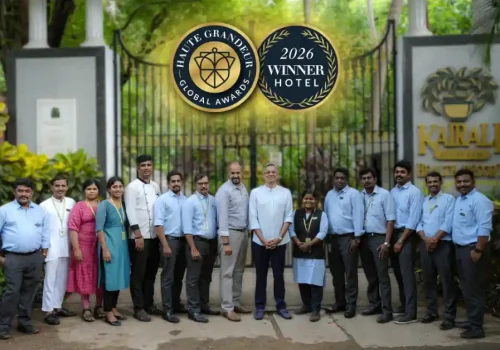
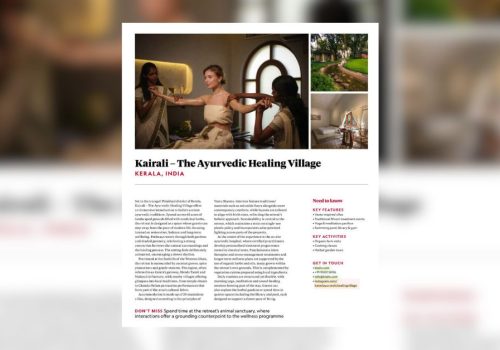
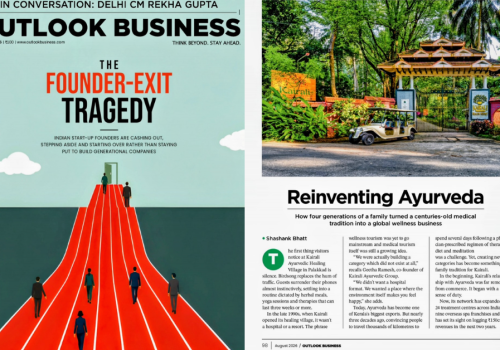
That makes Kairali – The Ayurvedic Healing Village’s inclusion in The Telegraph’s “Indulgent Luxury Holidays” feature interesting.
The significance is not simply that Kairali appeared in a major British publication. It is that a physician-led Ayurvedic destination is being discussed within the wider language of luxury travel. For Ayurveda, that says something about how the idea of luxury itself may be changing.
Rather than being defined only by larger rooms, elaborate menus or conventional spa treatments, wellness-led luxury is increasingly concerned with time, personal attention, structured routines and environments that make it easier to step away from everyday habits.
At Kairali, those elements are organised around Ayurveda.
When the retreat is built around the programme
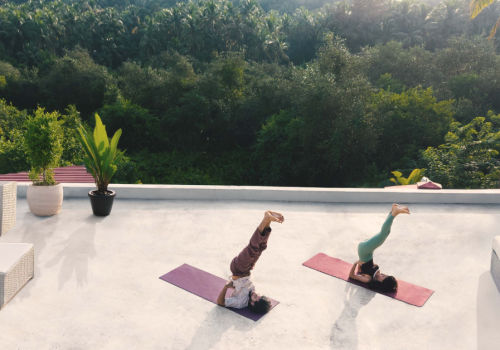
Kairali, The Ayurvedic Healing Village is an NABH-accredited Ayurvedic hospital-resort in Palakkad, Kerala. Its residential programmes combine physician consultations, Ayurvedic therapies, yoga, meditation, food and rest within the same daily schedule.
That structure is important because Ayurveda is difficult to understand when reduced to an individual massage or a treatment selected from a spa menu.
A stay typically begins with an Ayurvedic consultation. The physician considers the guest’s prakṛti (constitution), vikṛti (current state of imbalance), digestion, lifestyle and other relevant factors before recommending an appropriate programme.
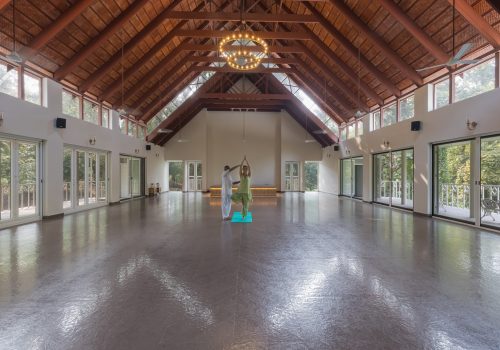
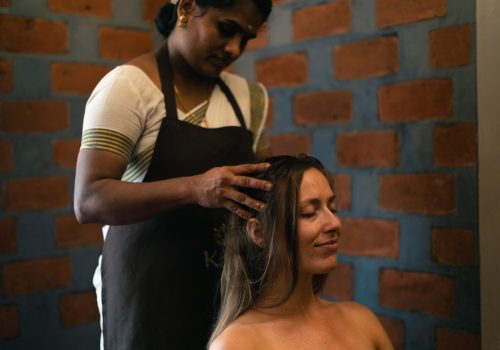
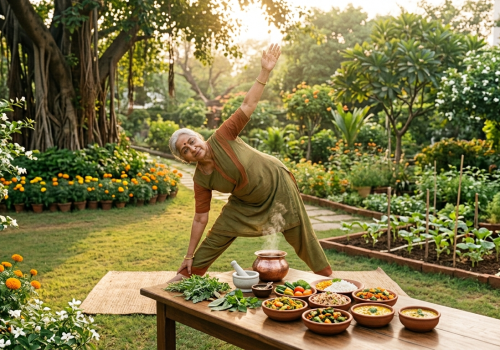
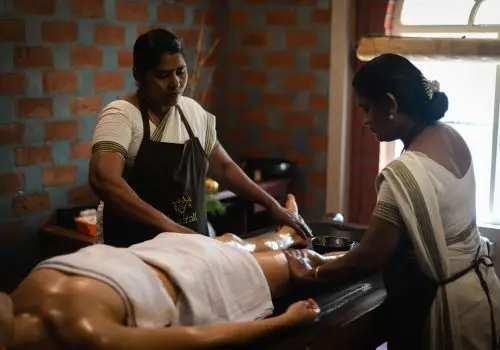
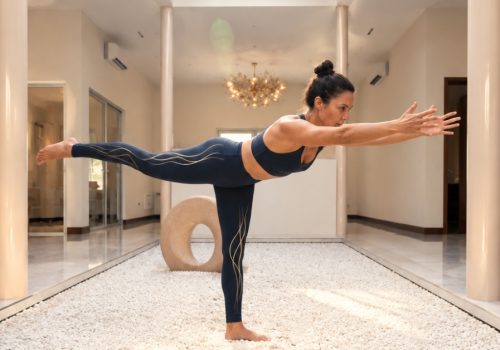
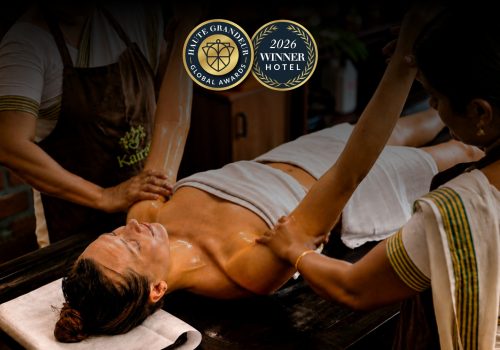
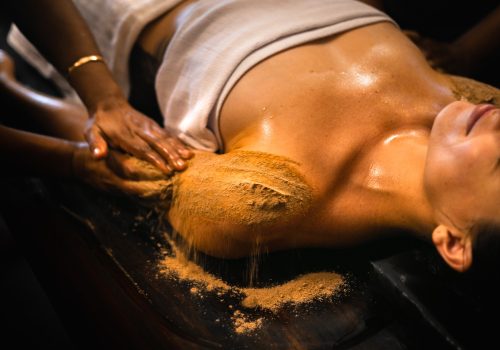
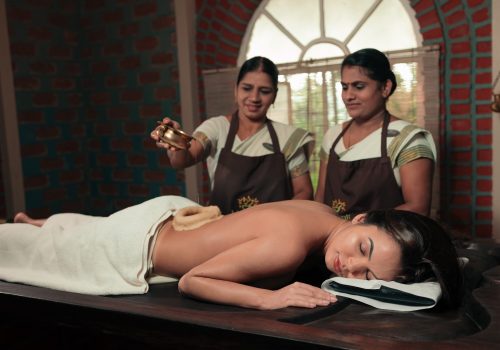
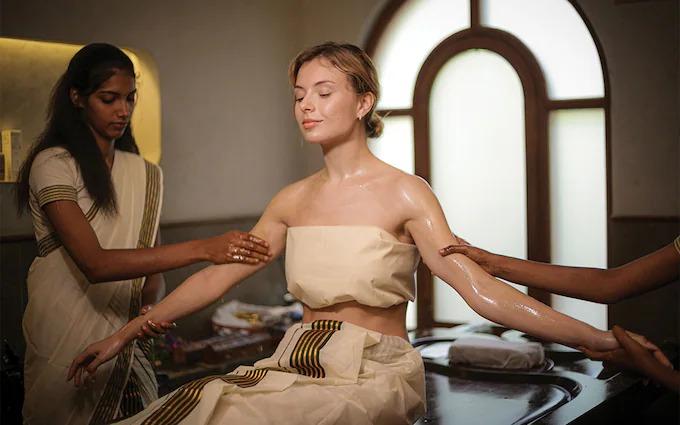
From there, treatments may include practices such as Abhyanga, Shirodhara or components of Panchakarma where clinically appropriate. Yoga, breathing practices and meditation can also form part of the routine.
The intention is not to fit as many wellness activities as possible into a day. It is to create some continuity between what happens in the consultation room, treatment room, dining area and the hours in between.
Why the surroundings still matter
Kairali’s Palakkad setting is an important part of the experience, but not because greenery itself should be presented as treatment.
The value is more practical.
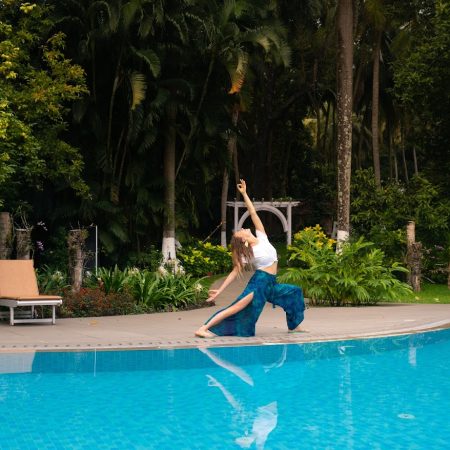
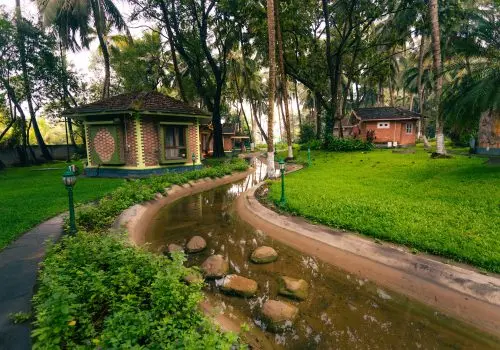
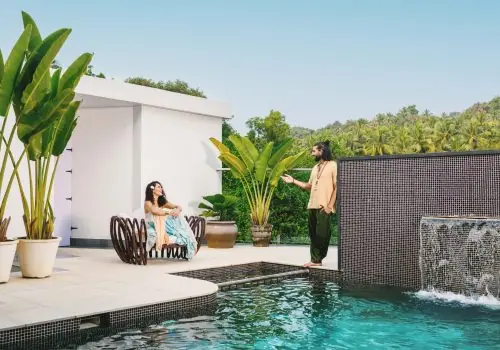
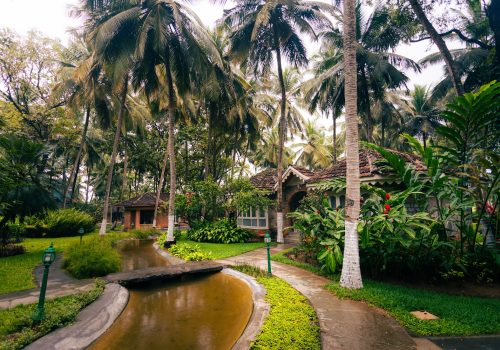
Walking paths, vegetation, quieter surroundings and spaces away from the normal pace of a city make it easier to maintain a slower daily schedule. Guests have fewer reasons to rush from one activity to another, and the programme can give greater space to meals, treatment, movement and rest.
The villas are designed with references to Vāstu Śāstra (traditional Indian architectural principles), while the wider property uses gardens, water elements and local materials as part of its physical environment.
These details may sound secondary to an Ayurvedic programme, but the setting determines how that programme is experienced.
A carefully planned treatment followed immediately by emails, traffic and an irregular meal is quite different from the same treatment within a day specifically organised around recovery and rest.
Personalisation is more important than indulgence
One of the strongest distinctions between a clinical Ayurvedic retreat and a conventional wellness holiday is personalisation.
In Ayurveda, two people arriving with similar complaints do not automatically receive the same programme. Constitution, current symptoms, digestion, age, strength, season and other factors can influence what a physician recommends.
Food follows the same principle.
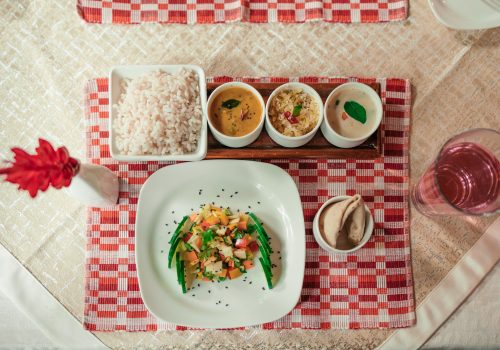
Meals at Kairali are vegetarian and can be adapted according to the physician’s recommendations. Seasonal ingredients and produce grown on the property form part of the kitchen’s approach.
This does not mean that every meal should be thought of as medicine. It means that food is considered alongside the rest of the programme rather than treated as a separate hospitality function.
That distinction is easy to miss when wellness travel is judged primarily through photographs of accommodation and facilities.
The programme matters more than the amenity list.
Luxury can also mean having fewer decisions to make
There is another reason physician-led retreats are increasingly relevant to contemporary travellers.
Daily life involves an enormous number of decisions. When to eat. Whether to exercise. How long to work. When to answer a message. Whether to continue scrolling instead of sleeping.
A residential Ayurvedic programme removes some of those negotiations.
The time for yoga is set. Meals have a rhythm. Treatments happen according to the programme. Rest is not something squeezed into whatever remains of the day.
For someone accustomed to constant scheduling and digital interruption, that structure can itself feel unusual.
Perhaps this is one reason wellness travel is moving beyond the conventional idea of indulgence. Luxury can also mean having enough time to follow a routine properly.
What The Telegraph mention represents
Kairali’s appearance in The Telegraph’s luxury-holiday coverage should not be read as proof of Ayurvedic outcomes, nor does a media feature validate the medical claims of any traditional system.
What it does show is that Ayurveda is increasingly entering a broader travel conversation.
A destination built around physician consultation, prescribed therapies, food, yoga and daily routine can now sit alongside more familiar forms of luxury hospitality in an international publication.
That is a useful shift.
Ayurveda does not need to become more spa-like in order to appeal to travellers seeking comfort. Nor does luxury need to mean removing the discipline and individualisation that give an Ayurvedic programme its structure.
The more interesting possibility is that the two categories are beginning to meet somewhere else: in thoughtful surroundings, experienced practitioners, personalised care and enough uninterrupted time to follow a programme properly.
For wellness travel, that may be a more meaningful definition of indulgence.
Source: https://www.telegraph.co.uk/lifestyle/apl-media/indulgent-luxury-holidays/