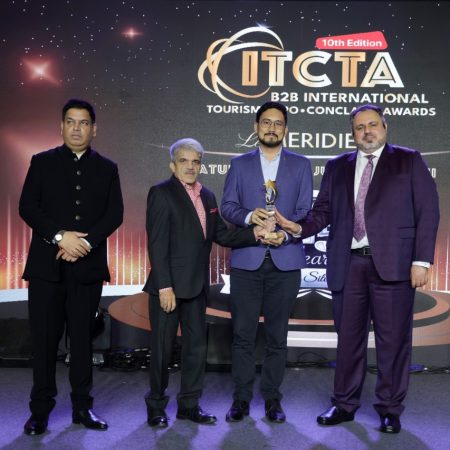




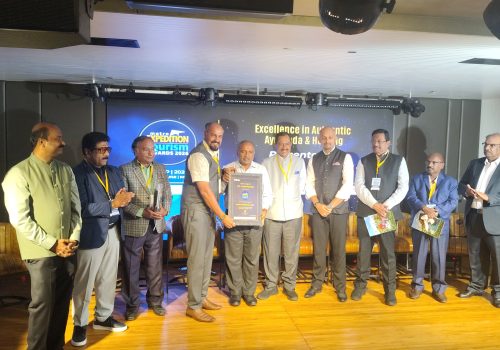
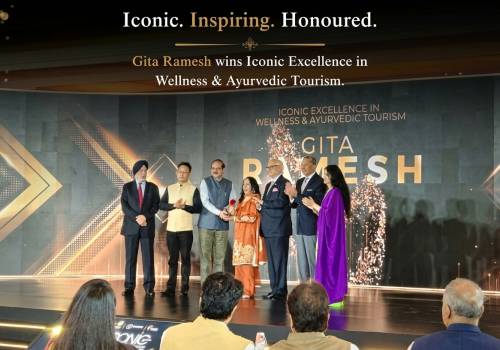

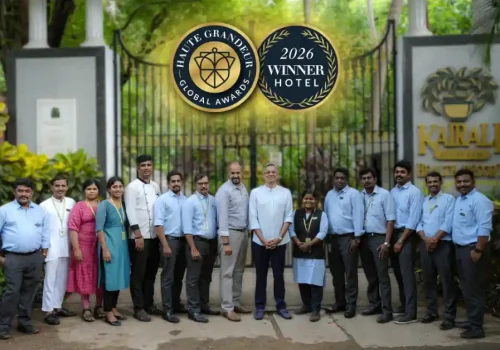






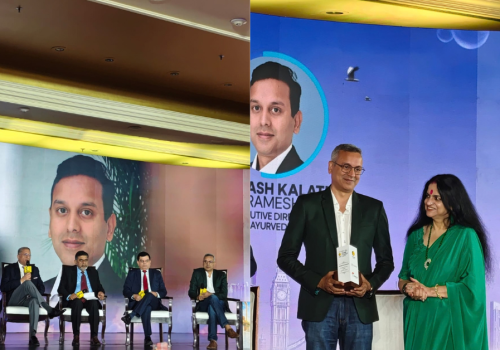



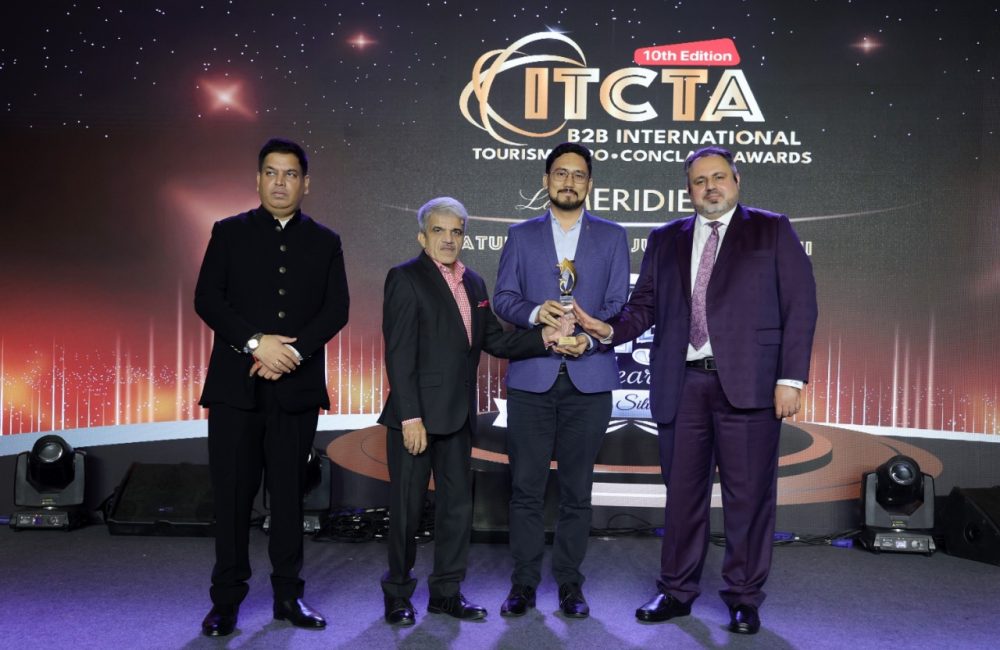

Kairali – The Ayurvedic Healing Village in Palakkad, Kerala, has been recognised as the “Best Ayurvedic Healing Village” at the 2025 International Tourism Conclave & Travel Awards (ITCTA).
For Kairali, the recognition is significant not simply as another hospitality award, but because it places a physician-led Ayurvedic institution within a wider conversation about wellness tourism in India.
As Ayurveda becomes increasingly visible to international travellers, the question is no longer only whether a destination offers Ayurvedic therapies. What matters just as much is how those therapies are delivered, who supervises them, and what standards sit behind the experience.
Recognition for a Physician-Led Ayurvedic Centre
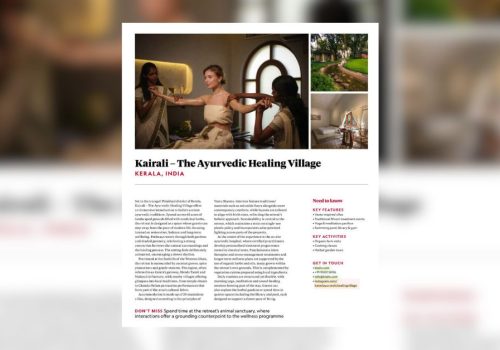
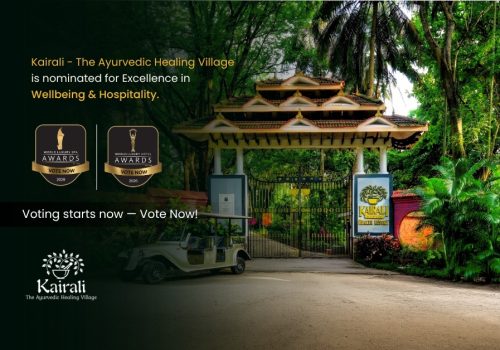
Kairali – The Ayurvedic Healing Village is an NABH-accredited Ayurvedic hospital in Palakkad, Kerala.
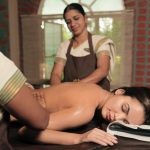
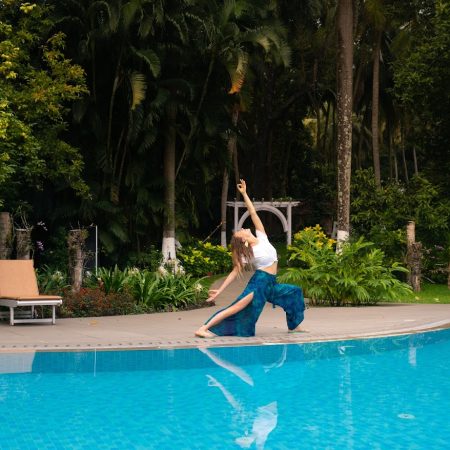
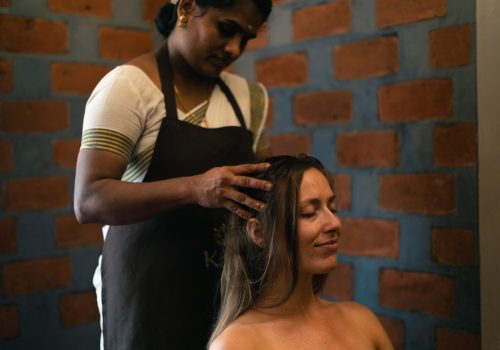
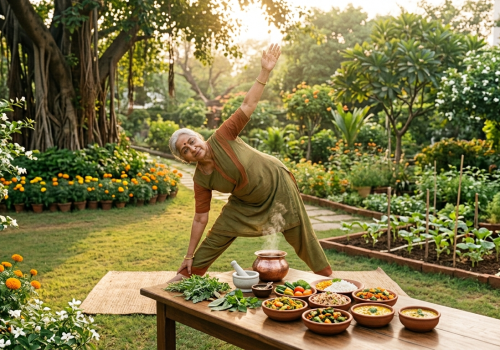
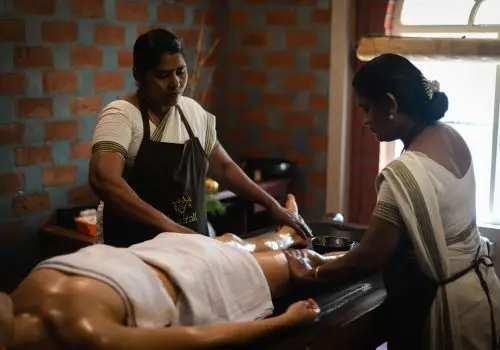
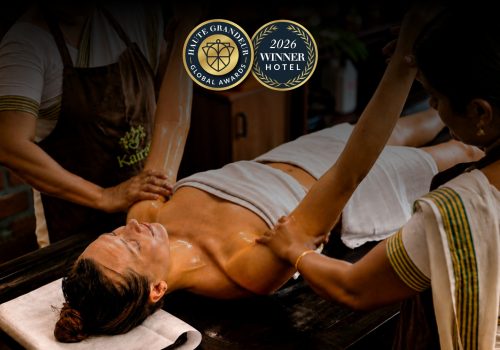
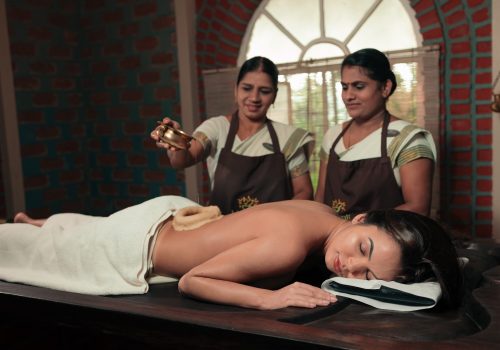
Its residential approach brings together Ayurvedic physician consultations, individually planned therapies, food, yoga and daily routines within a single setting.
This distinction is important because Ayurveda in the travel sector can take many forms. At one end are spa treatments inspired by Ayurvedic techniques. At the other are structured residential programmes in which assessment and therapeutic decisions are overseen by qualified Ayurvedic physicians.
Kairali operates within the latter model.
The ITCTA recognition therefore draws attention not only to the destination itself, but also to a form of wellness travel in which hospitality supports the clinical framework rather than replacing it.
What the ITCTA 2025 Recognition Represents
The International Tourism Conclave & Travel Awards brings together organisations and professionals from the tourism and hospitality sectors. Its 2025 programme was the tenth edition of the event.
Kairali received the Best Ayurvedic Healing Village recognition in 2025, an award the organisation has also acknowledged through its public channels.
Awards of this kind should be understood for what they are. They are recognition from the tourism and hospitality sector; they are not clinical evidence and do not demonstrate that a particular Ayurvedic programme will produce a specific health outcome.
Their value lies elsewhere.
They can draw attention to institutions that are attempting to preserve the medical and procedural discipline of Ayurveda while operating within the expectations of contemporary international hospitality.
Why Standards Matter as Ayurveda Enters Global Wellness Travel
International interest in Ayurveda has expanded well beyond India.
For travellers encountering the system for the first time, however, distinguishing between an Ayurvedic spa experience and supervised Ayurvedic care is not always straightforward.
A useful starting point is to ask practical questions.
Who conducts the initial assessment? What qualifications do the practitioners hold? How are therapies selected? Are existing medical conditions considered? Is there clinical supervision during a residential programme? Does the institution hold relevant healthcare accreditation?
These questions matter more than broad claims about “authenticity.”
At Kairali, one important marker is its NABH accreditation. The National Accreditation Board for Hospitals & Healthcare Providers accredits healthcare organisations against defined quality and patient-safety standards. For an international guest unfamiliar with the Indian Ayurvedic landscape, such credentials can offer a more concrete reference point than marketing language alone.
Beyond the Idea of Ayurveda as a Spa Treatment
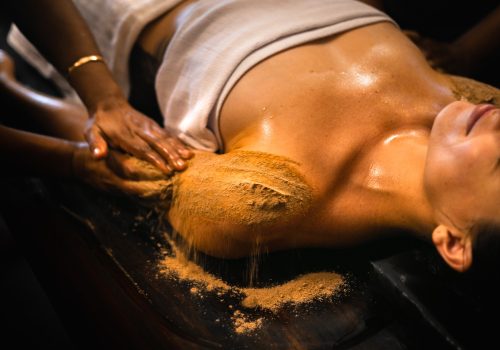
One of the challenges facing Ayurveda internationally is the tendency to reduce it to a small group of recognisable experiences: oil massage, herbal preparations, yoga and relaxation.
These may form part of an Ayurvedic stay, but they do not describe the system in full.
Classical Ayurveda places considerable emphasis on individual assessment. Food (āhāra), lifestyle and daily routines (vihāra), and therapeutic interventions are considered in relation to the individual rather than applied as an identical package to every guest.
Panchakarma offers a useful example. It is often marketed internationally as a standardised “cleanse” or wellness package. Within clinical Ayurvedic practice, however, the selection and sequencing of procedures depend on assessment, suitability and practitioner supervision.
That distinction becomes increasingly important as Ayurveda enters mainstream wellness tourism.
Greater visibility creates an opportunity for the field, but it also creates a responsibility to communicate clearly about what Ayurveda is, what its practitioners actually do, and where the boundaries of health claims lie.
A Longer Kairali Story
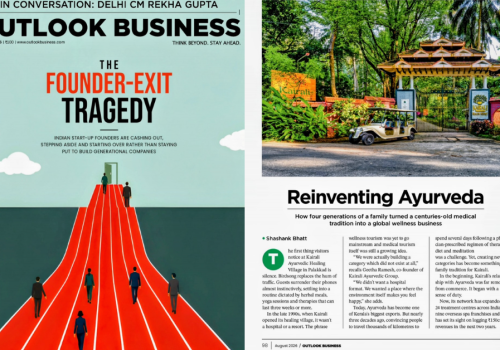
Kairali Ayurvedic Group was founded in 1989 by K.V. Ramesh and Gita Ramesh, building on a multigenerational family background in Ayurvedic practice.
That distinction matters because the two histories are sometimes confused. Kairali is not a 130-year-old company. It is a group established in 1989 whose founders come from a family with several generations of involvement in Ayurveda.
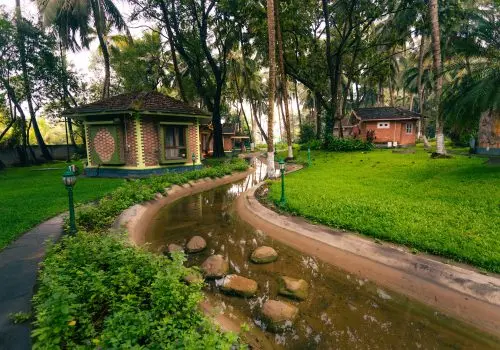
The Ayurvedic Healing Village represents the residential clinical and hospitality dimension of that work in Kerala.
Over the years, the Palakkad centre has received recognition across Ayurveda, hospitality and wellness categories. The ITCTA 2025 title adds another distinction, but the more useful question is what such recognition asks of an Ayurvedic institution going forward.
What Should International Travellers Look for in an Ayurvedic Retreat?
Awards can introduce travellers to a destination. They should not be the final reason for choosing one.
Before committing to a residential Ayurvedic programme, prospective guests should consider:
- whether qualified Ayurvedic physicians conduct the assessment;
- whether therapies are individually planned rather than automatically assigned;
- whether the centre has relevant healthcare accreditation;
- how medical histories, medications and contraindications are handled;
- whether practitioners explain what a procedure is intended to do and what evidence supports it;
- and whether the centre is willing to identify situations in which conventional medical evaluation is necessary.
A credible Ayurvedic institution should be able to answer those questions clearly.
Recognition, and the Responsibility That Comes With It
The Best Ayurvedic Healing Village recognition at ITCTA 2025 is a notable addition to Kairali – The Ayurvedic Healing Village’s record.
But recognition is most meaningful when it directs attention towards standards rather than superlatives.
For Ayurveda’s growing international audience, the future of the field will depend partly on whether institutions can preserve the rigour of practitioner-led care while communicating it in language that modern travellers can evaluate critically.
An award can bring people to that conversation.
The quality of the practice has to sustain it.