






























Feeling tired all the time? Struggling with unexplained weight changes, low mood, or difficulty concentrating?
These symptoms can have many causes, and one possibility is a thyroid disorder. Conditions such as hypothyroidism and Hashimoto’s thyroiditis are increasingly recognised among women, particularly during their 20s and 30s.
Medical evaluation is essential if you experience persistent symptoms. Alongside conventional care, some people also explore Ayurveda to support their overall health and wellbeing.
Understanding the Thyroid
The thyroid is a small gland located at the front of the neck.
It produces hormones that help regulate metabolism, energy production, body temperature, heart rate, and many other body functions.
When the thyroid produces too little hormone (hypothyroidism) or becomes affected by autoimmune conditions such as Hashimoto’s thyroiditis, a range of symptoms may develop.
These can include:
- Persistent tiredness
- Weight changes
- Dry skin
- Feeling unusually cold
- Mood changes
- Difficulty concentrating
- Menstrual irregularities
Because these symptoms can occur with many health conditions, a medical diagnosis is important before starting any treatment.
How Does Ayurveda View Thyroid Health?
Classical Ayurvedic texts do not describe thyroid disorders exactly as they are understood in modern medicine.
Instead, Ayurveda assesses the individual’s overall state of health. An Ayurvedic physician considers factors such as body constitution (Prakriti), digestive function (Agni), lifestyle, sleep, stress, and current imbalances before recommending a personalised plan.
Rather than focusing on a single organ, Ayurveda aims to support balance throughout the body.
The Importance of Digestion and Daily Routine
Ayurveda places great importance on healthy digestion.
A balanced digestive system is considered essential for overall wellbeing. For this reason, many Ayurvedic recommendations focus on establishing healthy daily habits instead of addressing symptoms alone.
Simple practices may include:
- Eating meals at regular times
- Choosing freshly prepared foods
- Avoiding very heavy late-night meals
- Drinking enough water throughout the day
- Getting adequate sleep
These habits support general health and may complement a broader wellness plan.
Managing Stress Through Lifestyle
Living with a chronic health condition can be stressful.
Ayurveda encourages practices that help create a calmer daily routine and improve overall wellbeing.
These may include:
- Meditation
- Gentle breathing exercises (Pranayama)
- Yoga appropriate for the individual’s ability
- Spending time outdoors
- Maintaining regular sleep habits
Many people find these practices helpful for reducing stress and improving quality of life.
Personalised Nutrition in Ayurveda
There is no single Ayurvedic diet for thyroid disorders.
Instead, dietary advice is personalised after assessing the individual’s constitution, digestion, lifestyle, and health goals.
In general, Ayurveda encourages:
- Fresh seasonal vegetables
- Whole grains
- Legumes
- Moderate amounts of healthy fats
- Freshly prepared meals
- Mindful eating
Any significant dietary changes should be discussed with both an Ayurvedic physician and the healthcare professional managing your thyroid condition.
What About Ayurvedic Herbs?
Several Ayurvedic herbs and classical formulations have traditionally been used in physician-guided practice to support general health.
These may include herbs such as Ashwagandha, Shatavari, or classical formulations like Kanchanar Guggulu, depending on the individual’s assessment.
However, these preparations are not suitable for everyone. Some herbs may interact with prescription medicines, including thyroid medication.
For this reason, Ayurvedic medicines should only be taken under the supervision of a qualified Ayurvedic physician.
Ayurvedic Therapies That May Be Included
Depending on the individual’s health status, an Ayurvedic physician may recommend therapies as part of a broader wellness programme.
These could include:
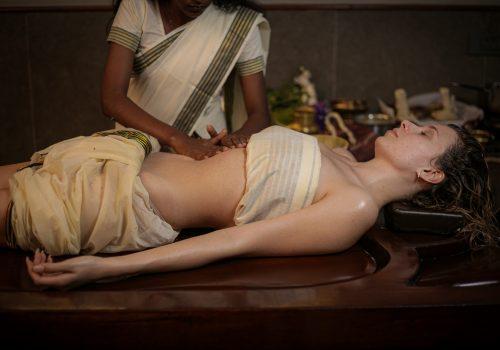
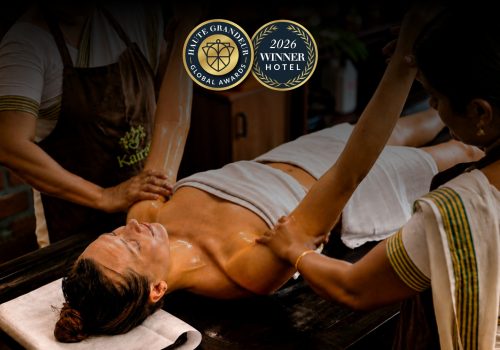
Abhyangam
Abhyangam is a traditional full-body massage using warm herbal oils selected according to the individual’s constitution.
It is commonly used to promote relaxation and support general wellbeing.
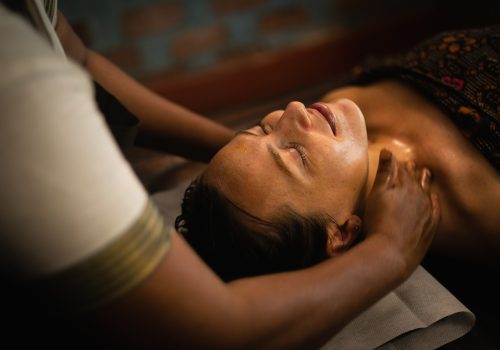
Shirodhara
Shirodhara involves the gentle pouring of warm medicated oil or other suitable liquids over the forehead.
Many people experience this therapy as calming, and it is often included in wellness programmes focused on stress management.
Panchakarma
Panchakarma is a classical Ayurvedic treatment programme performed only after a detailed medical assessment.
It is not appropriate for everyone and should always be carried out under the supervision of qualified Ayurvedic physicians.
Yoga as Part of a Healthy Lifestyle
Yoga is often practised alongside Ayurveda because both encourage a balanced lifestyle.
Gentle stretching, breathing exercises, and relaxation techniques may help improve flexibility, reduce stress, and support overall wellbeing.
If you have an existing medical condition, it is advisable to practise yoga under qualified guidance.
Everyday Habits That Support Wellbeing
Small lifestyle changes can have a meaningful impact over time.
Ayurveda encourages habits such as:
- Following a regular daily routine
- Prioritising quality sleep
- Eating freshly prepared meals
- Staying physically active
- Managing stress through relaxation practices
- Spending time in natural surroundings
These habits support overall health and complement medical care.
Thyroid Wellness at Kairali – The Ayurvedic Healing Village
At Kairali – The Ayurvedic Healing Village, guests begin with a detailed consultation with a qualified Ayurvedic physician.
Based on the assessment, the physician develops a personalised wellness programme, which may include Ayurvedic therapies, dietary guidance, yoga, meditation, and lifestyle recommendations.
The focus is on supporting overall wellbeing while recognising that thyroid disorders require appropriate medical diagnosis and ongoing care.
A Holistic Approach to Long-Term Health
Managing thyroid disorders often requires long-term medical care and regular monitoring.
Ayurveda does not replace conventional treatment. Instead, many people choose it as a complementary approach to support healthy lifestyle habits, stress management, and overall wellbeing under professional supervision.
When combined with appropriate medical guidance, healthy daily routines can play an important role in supporting long-term health.
No. Thyroid disorders require diagnosis and appropriate medical management. Ayurveda may be used as a complementary approach to support overall wellbeing under the guidance of a qualified Ayurvedic physician.
No. Do not stop or change prescribed thyroid medication without consulting the healthcare professional managing your condition.
No. Ayurvedic dietary recommendations are personalised based on an individual’s constitution, digestion, lifestyle, and overall health.
Not always. Some herbs may interact with thyroid medications or may not be suitable for certain individuals. They should only be used under professional supervision.
People looking to improve lifestyle habits, manage stress, and support their overall wellbeing alongside conventional thyroid care may benefit from a personalised Ayurvedic consultation.