






















In the period leading up to the 2025–26 financial year, Kairali Ayurvedic Group set a revenue target of ₹150 crore. The target reflected a broader plan to expand the group’s Ayurvedic products, clinical services, education initiatives and international reach.
The plan was reported by Pune Mirror, which examined how Kairali intended to grow while retaining its focus on classical Ayurvedic practice and responsible business development.
Editorial note: Insert the verified Pune Mirror headline, publication date and article link before publication. The final FY26 revenue outcome has not been supplied and should not be implied.
A group built across three principal divisions
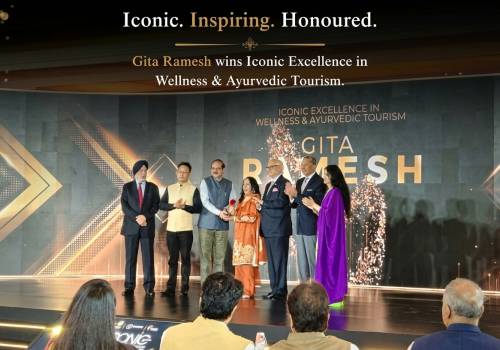
Founded in 1989 by K.V. Ramesh and Gita Ramesh, Kairali Ayurvedic Group draws on four generations of Ayurvedic practice in the founders’ family.
The group operates through three principal divisions:
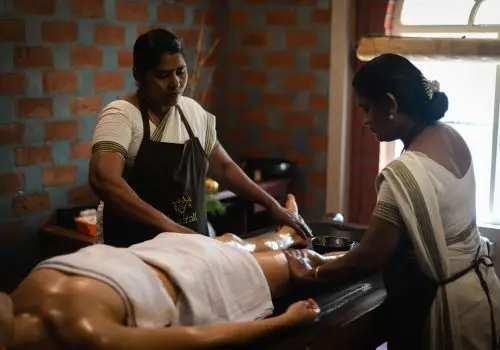
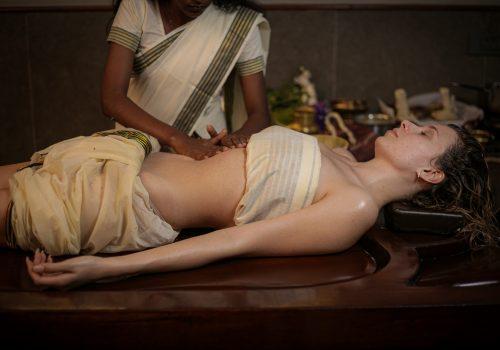
- Kairali, The Ayurvedic Healing Village, an NABH-accredited Ayurvedic hospital in Palakkad, Kerala
- Kairali Ayurvedic Products Pvt. Ltd., a WHO-GMP-certified Ayurvedic manufacturing operation
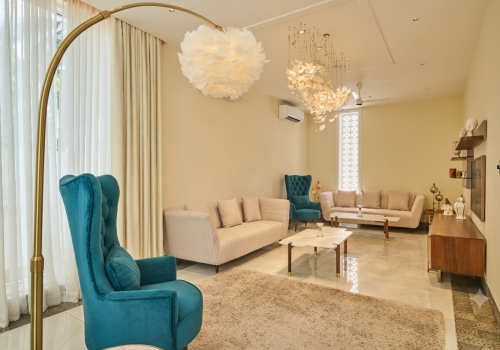
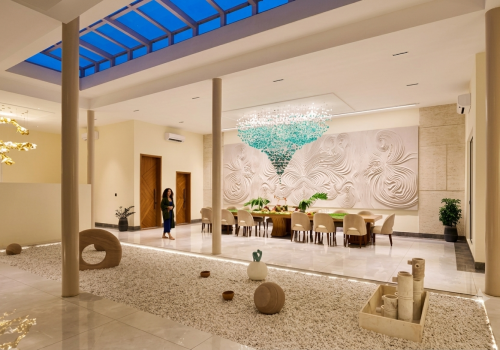
- Villa Raag, a wellness property in Goa
Kairali also works through treatment centres, education programmes and selected international partnerships.
This structure allowed the group to approach growth through several connected areas rather than relying on a single business line.
The thinking behind the FY26 target
The ₹150 crore target was not presented only as a financial milestone. It formed part of a wider expansion plan focused on products, treatment services, education, digital access and partnerships.
The underlying challenge was clear: how could an Ayurveda-led organisation expand without reducing Ayurveda to a collection of loosely defined wellness products?
Kairali’s stated approach was to scale through established areas of work while maintaining clinical oversight, manufacturing standards and a clear connection to Ayurvedic practice.
Expanding the product portfolio
One part of the plan involved widening Kairali’s range of Ayurvedic products.
The proposed areas of expansion included herbal formulations, therapeutic oils, skincare products and other daily-use Ayurvedic preparations. The group also indicated an interest in organic ingredients and more sustainable packaging.
For an Ayurvedic manufacturer, however, growth is not simply a matter of adding more products. Ingredient sourcing, formulation standards, production controls and compliant communication all influence whether expansion strengthens or weakens consumer trust.
Kairali Ayurvedic Products Pvt. Ltd.’s WHO-GMP-certified manufacturing operation provides an important foundation for this part of the group’s strategy.
Building domestic and international access
The growth plan also included a wider presence in Indian and international markets.
Within India, the focus was expected to include treatment-centre expansion in selected cities. Internationally, the group planned to develop partnerships and distribution networks for Ayurvedic products and services.
This reflects a wider shift in how Ayurveda is encountered outside India. Many people first come across it through a product, a retreat, a practitioner consultation or a wellness programme. Each of these entry points requires a different level of explanation, clinical context and regulatory care.
International expansion therefore depends on more than visibility. It also requires market-specific communication, qualified practitioners, dependable manufacturing and clear boundaries around health claims.
Using digital platforms more effectively
Digital access formed another part of the FY26 roadmap.
Kairali planned to strengthen e-commerce and make selected products more accessible to consumers beyond its physical locations. Virtual consultations and online wellness programmes were also identified as possible areas of development.
Digital channels can improve access, particularly for people who are learning about Ayurveda for the first time. They also create an obligation to distinguish general educational information from individual medical guidance.
Online consultations must remain practitioner-led, while digital content should help readers understand when professional assessment is necessary.
Investing in Ayurvedic education
Kairali’s educational plans included expanding the reach of the Kairali Institute of Ayurveda and Panchakarma Therapy.
Training programmes, workshops and professional education can play an important role in improving the quality of Ayurvedic practice. They can also help correct a common problem in the global wellness sector: the presentation of complex Ayurvedic procedures as simple techniques that can be learned without clinical supervision.
Education is therefore not separate from growth. It supports practitioner standards, improves public understanding and helps protect the integrity of procedures such as Panchakarma.
Developing hospitality and corporate partnerships
The group also identified collaborations with hotels, resorts and corporate wellness programmes as a route for expansion.
Such partnerships can introduce Ayurveda to new audiences, but the quality of implementation matters. A treatment offered in a hospitality setting should not be presented as equivalent to a physician-led Ayurvedic programme unless the clinical structure, practitioner qualifications and facilities support that claim.
The strongest partnerships are likely to be those that define clearly what is being offered, who is providing it and what level of supervision is involved.
Growth with clearer standards
Kairali’s FY26 target offers a useful view of how an established Ayurvedic group approached expansion across several parts of the wellness economy.
The plan combined commercial growth with product development, treatment access, education, digital services and institutional partnerships. Its significance lies not only in the ₹150 crore figure, but in the questions that accompany growth in Ayurveda.
Can manufacturing expand without compromising quality? Can international access improve without overstating health outcomes? Can Ayurveda enter hotels, workplaces and digital platforms without losing the clinical context that gives its practices meaning?
These are not questions for Kairali alone. They apply to much of the modern Ayurvedic sector.
For Kairali, founded in 1989 and built across clinical care, manufacturing and hospitality, the FY26 target represented an attempt to grow through the structures it had already developed. The final financial outcome has not been provided for this article. What remains relevant is the model behind the target: expansion supported by clearer standards, practitioner involvement and greater attention to how Ayurveda is presented to contemporary audiences.
Website: www.kairali.com
Call: +91-9555156156