

































When people think of an Ayurvedic retreat, treatments are usually the first thing that comes to mind. Panchakarma, herbal preparations, oil therapies, yoga and meditation are all familiar parts of the experience. Yet good Ayurvedic care begins before any treatment is selected. It begins with a conversation between the physician and the person seeking care.
Questions about sleep, appetite, digestion, daily routine, work patterns and stress can help a physician understand the wider picture. These details matter because physical and emotional wellbeing rarely exist separately. A demanding work schedule can disturb sleep. Poor sleep can affect energy and appetite. Physical discomfort can influence mood, while prolonged stress can make it difficult to rest. Ayurveda has traditionally considered these connections when looking at an individual’s overall state of health.
Why Listening Matters in Ayurvedic Care
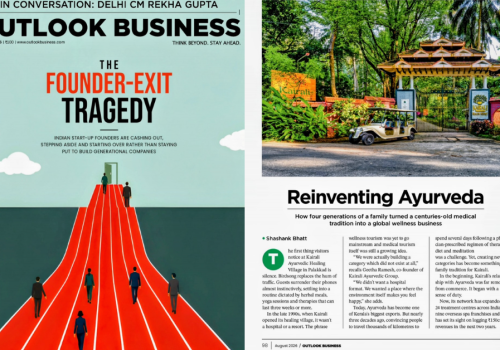
At Kairali – The Ayurvedic Healing Village in Palakkad, guests are assessed by Ayurvedic physicians before their programme is planned. As an NABH-accredited Ayurvedic hospital-resort, Kairali follows a physician-led approach rather than treating Ayurveda as a menu of spa therapies.
The consultation gives the physician an opportunity to understand what the guest is experiencing and how that experience fits into everyday life. Two people may both complain of poor sleep, for example, but the circumstances behind it may be very different. One may have an irregular work schedule, another may be dealing with physical discomfort, while someone else may have been living with prolonged stress. The symptom may appear similar, but the context is different.
This is where bedside manner becomes important. A patient needs enough time and comfort to explain what they are experiencing. Listening carefully can help the practitioner understand details that may not emerge from a simple list of symptoms. In that sense, the conversation is not separate from Ayurvedic care. It helps shape what comes next.
Personalisation Comes Before the Programme
Individualisation is an important principle in Ayurveda. A programme should therefore be based on the person rather than on a standard formula attached to a particular concern. This is especially important when discussing emotional wellbeing, where simple labels can easily become misleading.
Popular wellness content sometimes reduces emotions to neat dosha categories: anxiety becomes Vāta, irritability becomes Pitta and low mood becomes Kapha. Ayurveda is more nuanced than that. A qualified practitioner considers constitution, current state, physical health, digestion, sleep, routine and other relevant factors before deciding how Ayurvedic principles may apply.
The same thinking applies to Panchakarma. Although it is one of the best-known aspects of Ayurveda, Panchakarma is not automatically appropriate for everyone who visits an Ayurvedic retreat. Pañcakarma, meaning “five actions”, refers to a group of classical Ayurvedic procedures carried out within a supervised therapeutic programme. Whether these procedures are appropriate depends on an individual assessment.
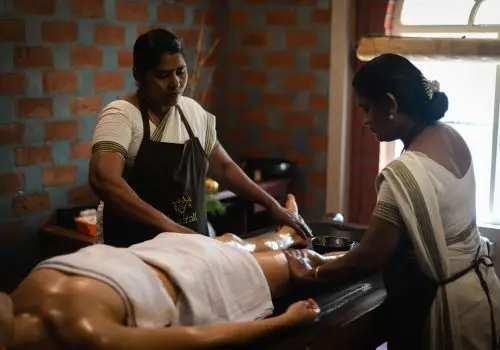
Other familiar therapies, including Abhyanga and Shirodhara, should also be understood within this context. In a general spa setting, someone might select a treatment because it sounds relaxing. In physician-led Ayurvedic care, the more important question is why a particular therapy has been recommended for that individual.
The Importance of a Slower Daily Rhythm
Emotional wellbeing is not addressed only inside the consultation or treatment room. The rhythm of a residential Ayurvedic stay can also be important. At Kairali, the day may include physician consultations, therapies, meals, yoga, meditation and periods of rest. Rather than filling every hour with activities, the structure allows space between them.
For someone arriving after months of demanding work, frequent travel, irregular meals or disrupted sleep, this slower rhythm can feel very different from everyday life. Regular meals, quieter evenings and time away from a constantly changing schedule can make people more aware of habits they may have stopped noticing.
This does not mean that slowing down is a treatment for anxiety, depression or other mental-health conditions. Those concerns may require appropriate medical or psychological support. What a structured retreat environment can offer is an opportunity to pay closer attention to sleep, food, movement, rest and daily routine.
Emotional Wellness Does Not Need Another “Detox”
The wellness industry frequently creates new language around familiar problems. Terms such as “emotional detox”, “digital detox” and “cortisol detox” may sound appealing, but they can oversimplify what people are actually experiencing.
Someone living with prolonged stress may need more consistent sleep and a less demanding routine. Another person may require support from a qualified mental-health professional. Someone else may be dealing with an underlying medical issue that needs investigation. There is no single programme that can responsibly address every situation.
Ayurveda can contribute to this wider conversation without claiming to replace other forms of healthcare. Its emphasis on routine, food, rest, movement and individual assessment can offer one way of thinking about everyday wellbeing. Responsible Ayurvedic care also means recognising when another form of professional support is needed.
What Experience Can Teach
Kairali Ayurvedic Group was founded in 1989 by K.V. Ramesh and Gita Ramesh and draws on four generations of Ayurvedic practice in the founders’ family. Over more than three decades, one of the most important lessons of working with people is also one of the simplest: individuals do not arrive as standard programmes.
They arrive with different routines, pressures, medical histories and expectations. Some may be exhausted from work. Others may have been struggling with sleep or trying to regain a sense of routine. Understanding these differences requires more than choosing a therapy. It requires time, observation and conversation.
This is why bedside manner deserves more attention when we talk about Ayurveda. Technical knowledge is essential, but so is the ability to listen carefully, explain clearly and recognise the limits of what Ayurvedic care can appropriately address.
The Human Side of Ayurveda
Photographs of Ayurvedic retreats usually show the most visible parts of the experience: treatment rooms, herbal oils, yoga spaces and Kerala’s green landscape. What they rarely capture is the quieter interaction that happens before a therapy begins.
It is the physician asking another question because the first answer revealed something important. It is a guest having enough time to explain what has been happening. It is a programme being adjusted because the individual needs something different.
These moments may not be as visually striking as an oil treatment or a yoga pavilion, but they are an important part of responsible care. Good Ayurveda is not simply about what is applied to the body or which therapies appear on a programme. It begins with understanding the person receiving them.
After more than three decades of practice, that remains one of the simplest principles behind Kairali’s approach: before deciding what to do, listen to the person in front of you.
Website: www.ktahv.com
Call: +91-9555156156








You bring a fresh voice to a well-covered topic.
I wasn’t expecting to learn so much from this post!
You explained it in such a relatable way. Well done!
Thanks for making this so reader-friendly.