






















Air pollution is peaking across many cities today, and the impact lands first in our airways—coughs linger, sleep gets noisy, and workouts feel heavier than they should. Ayurveda offers practical, body-wise strategies to support respiratory comfort without promising quick fixes. In this guide, a Kerala physician outlines how to ease the burden on your lungs using gentle routine shifts, classic therapies used judiciously, and evidence-aware herbal choices—plus when to seek medical care.
1) What Pollution Does—Ayurveda’s Lens + Modern Notes
- Modern view: Fine particles (PM2.5/PM10), ozone, and nitrogen oxides irritate airways, worsening cough, wheeze, and dryness. People with asthma/COPD, children, older adults, and pregnant women are more vulnerable.
- Ayurvedic view: Irritants disturb Prāṇa Vaha Srotas (respiratory channel). Vata can spike (dryness, tickly cough), Kapha can stagnate (phlegm), and Pitta may inflame (burning throat, yellowish mucus).
- Goal: Reduce irritant load, soothe inflamed mucosa, improve mucus clearance, and calm the nervous system.
2) Low-Risk Daily Habits That Help
A. Saline nasal rinse (once daily, not compulsive):
- Use sterile/distilled water + isotonic saline.
- Avoid during acute nosebleeds, severe congestion, or active ear infection.
- Finish with a few drops of sesame or coconut oil on the nostril rims (external) to buffer dryness.
B. Steam inhalation (2–5 minutes, 1–2×/day, basic):
- Plain steam is enough; avoid caustic additives.
- Keep face >30 cm from steam; stop if dizzy.
- Not for toddlers or those with balance issues; skip if rosacea flares with heat.
C. Breathwork you can actually sustain (5–7 minutes):
- Nadi Shodhana (alternate-nostril breathing): smooth, gentle cycles for 3–5 minutes.
- Bhramari (humming): 4–6 rounds to reduce throat tension and perceived breathlessness.
- Avoid breath retention if pregnant, dizzy, or under cardiac care.
D. Movement for mucus clearance (10–20 minutes):
- Easy walking or light yoga flows in cleaner air hours (early morning/after rain).
- Keep exertion conversational; avoid peak smog times.
E. Kitchen support (food-first):
- Warm fluids; ginger-tulsi tea; soups with black pepper; avoid heavy, cold dairy on high-smog days.
- Prioritize cooked veg, lightly spiced; hydrate well.
Safety reminder: Herbs like pippali (long pepper), licorice, or vasaka (Adhatoda) can interact with medications or be inappropriate for pregnancy/hypertension. Always check with a registered BAMS doctor.
3) When & How Ayurveda Uses Classic Therapies (Doctor-Supervised Only)
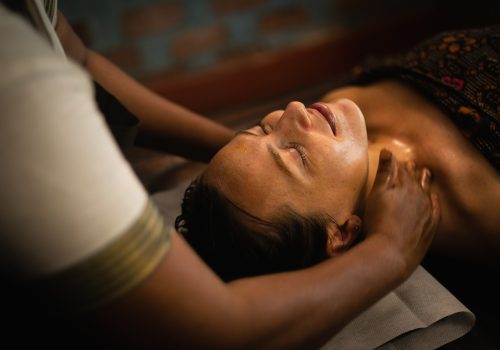
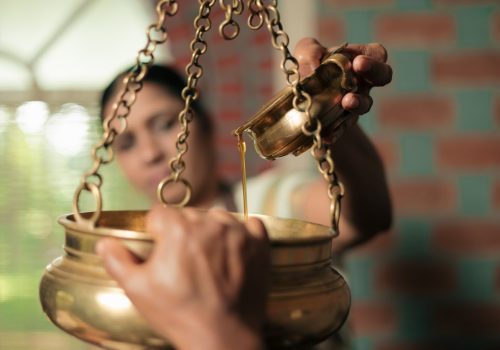
- Nasya (medicated nasal therapy): Considered for dryness, recurrent irritation, or heaviness in sinuses—only after doctor assessment. Oils are selected to your constitution and season; frequency is personalized.
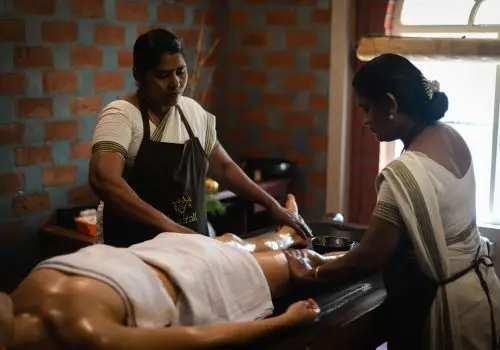
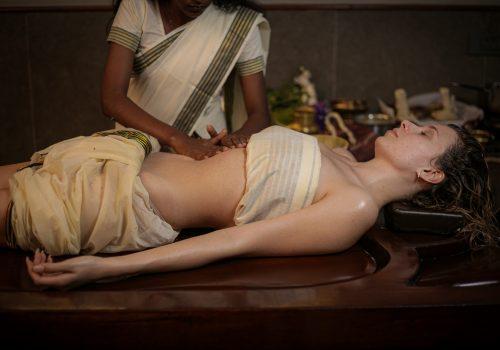
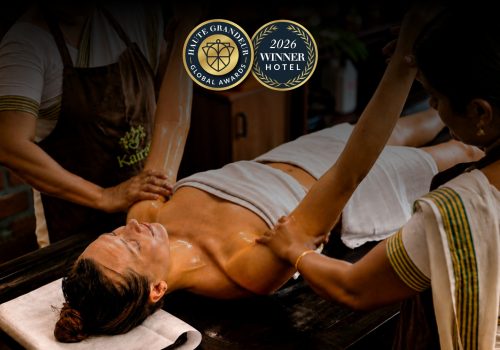
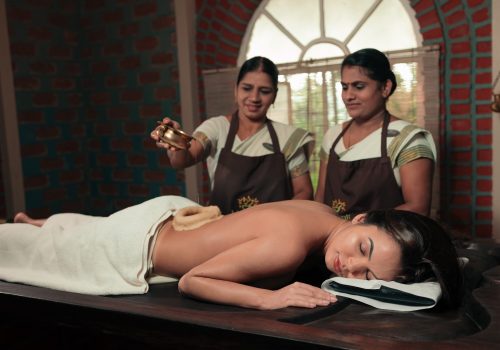
- Abhyanga + mild Swedana (oil massage + gentle perspiration): Helps Vata-driven dryness and chest wall tension. Heat is moderated for Pitta types.
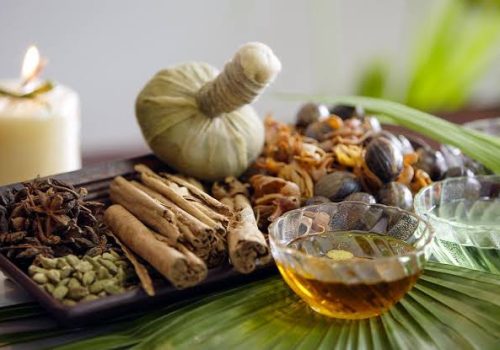
- Herbal support: Formulations are individualized; the physician checks for drug–herb interactions, blood pressure, and pregnancy status.
- Monitoring: Pulse, BP, breath rate, and symptom log (cough score, sleep quality, activity tolerance) before/after.
This individualized, measured approach is a hallmark of authentic ayurvedic treatment in kerala and why many consider Kerala the benchmark for the best ayurveda treatment in india—not because of hype, but because of clinical routines and documentation.
4) How Kairali – The Ayurvedic Healing Village Approaches Lung Support
- Intake: BAMS/MD(Ay) physician consult, history of pollution exposure, asthma/COPD/smoking status, medications, and allergies.
- Plan: Gentle, non-depleting therapies; breathwork coaching; personalized diet; optional short nature walks (air-quality dependent).
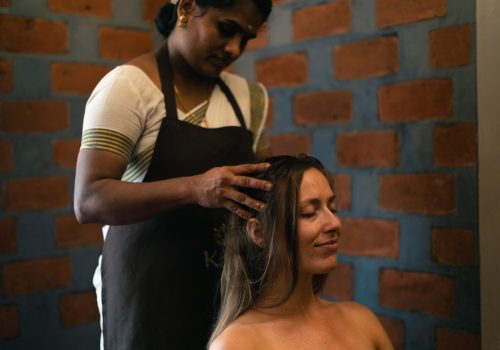
- Therapies (as indicated): Abhyanga, mild Swedana, doctor-approved Nasya sessions, guided relaxation.
- Safety: Consent forms, 24/7 on-call doctor, English-speaking clinical team, first-aid/AED readiness, hospital tie-ups.
- Measurement: Baseline vitals, symptom diary, optional peak-flow tracking, and a written home plan at discharge.
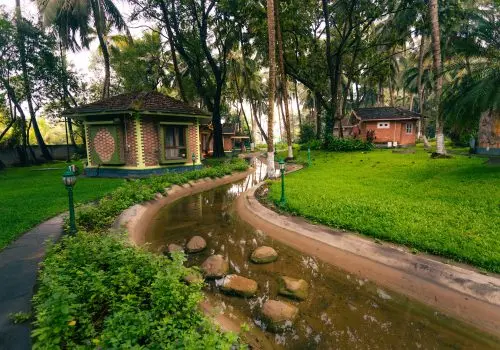
- Environment: Gardens and quiet zones that encourage parasympathetic “rest-repair”—a practical counterpoint to urban stressors you’re escaping.
This is the restrained, protocol-driven style associated with authentic ayurvedic treatment in kerala—what thoughtful travellers expect from a serious ayurvedic retreat kerala rather than a spa weekend.
Practitioner Story
“A 34-year-old designer from Delhi arrived with a month-long dry cough and sleep disturbance after a smog wave. We avoided aggressive detox, focusing on hydration, breathwork, plain steam coaching, light Abhyanga, and a short Nasya sequence on Day 3 after clearance. By Day 5, night cough scores dropped from 6/10 to 2/10 and sleep improved from 4/10 to 7/10. She left with a home plan and a follow-up tele-check. We didn’t ‘treat pollution’; we supported her body to cope more comfortably.” —
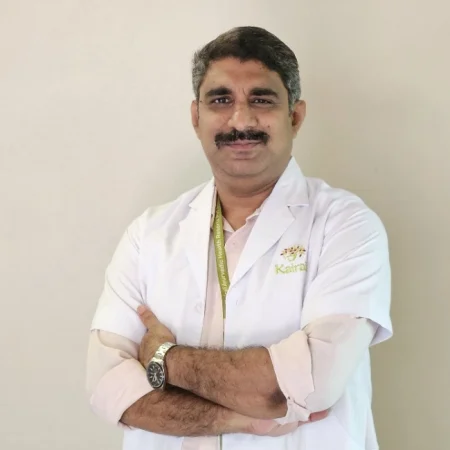
Dr. Deepu John , Chief Physician
Conclusion
Air pollution challenges won’t disappear overnight—but your daily routine can make breathing feel easier. Focus on small, sustainable habits: gentle breathwork, cautious saline and steam, warm foods, and realistic movement. Layer in the right Ayurvedic therapies only with a doctor’s guidance, and keep emergency care within reach for red flags. If you’re considering a reset in nature, Kairali – The Ayurvedic Healing Village illustrates how a Kerala Ayurveda destination can deliver protocol-led care, English-speaking physicians, and measured outcomes—qualities that define authentic ayurvedic treatment in kerala and what many regard as the best ayurveda treatment in india experience. Travel for health, not hype; let consistency—not quick fixes—do the healing.
Website: www.ktahv.com
Call: +91-9555156156
About the Author
Dr. Deepu John is a highly respected Ayurvedic physician serving as the Chief Physician and Head of Department at Kairali – The Ayurvedic Healing Village. With over 12 years of dedicated clinical experience, Dr. Deepu is known for his profound diagnostic acumen, deep-rooted knowledge of Ayurvedic principles, and a compassionate, personalized approach to healing.
Dr. Deepu believes that true healing comes from understanding the root cause of illness and restoring internal balance—not just treating symptoms. His patient consultations are comprehensive, combining classical Ayurvedic diagnostics (Nadi Pariksha, Darshana, Prashna) with modern wellness insights. He emphasizes preventive care, dietary wisdom, and mind-body harmony as cornerstones of lifelong wellness.