





















Panchakarma is Ayurveda’s most trusted reset—a physician-led detox and rejuvenation process that calms the mind, nourishes the tissues, and restores rhythm to digestion, sleep, and hormones. This women-focused guide explains Panchakarma in clear, practical language: what it is (and isn’t), who it helps at different life stages (from menstrual health and fertility prep to postpartum and perimenopause), who should avoid it, and exactly what to expect day-by-day at an authentic Kerala retreat centre.
If you’re a first-timer or planning a safe solo female yoga retreat Kerala experience, you’ll find trauma-aware care, privacy, and predictable routines central to our approach. We’ll also show how classical therapies like abhyanga, swedana, basti, and virechana are personalised for women’s physiology—without aggressive one-size-fits-all protocols. Whether you’re comparing options for a women-only Ayurveda retreat India, shortlisting the best Ayurveda retreat for solo women, or simply exploring the best ayurveda treatment in india, this guide will help you decide with confidence, prepare wisely, and arrive ready for meaningful change.
What Is Panchakarma? (Women‑Centred Overview)
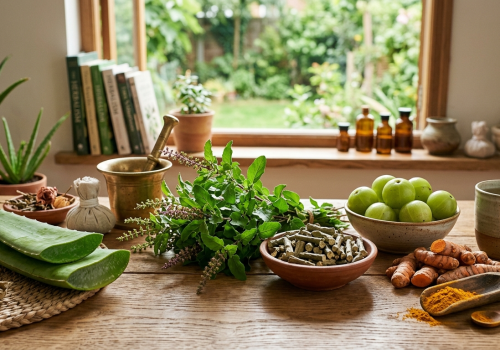
Panchakarma is Ayurveda’s classical medical detox and rejuvenation protocol. It combines preparatory therapies (Purva Karma)—like snehana (internal and external oiling) and swedana (therapeutic steam/sweat)—with five main cleansing procedures (Pradhana Karma) chosen case‑by‑case:
- Vamana – therapeutic emesis (rarely used for women unless clinically indicated)
- Virechana – purgation to cleanse the liver–gut axis and Pitta imbalance
- Basti – medicated enemas; cornerstone for Vata, gut function, pelvic health
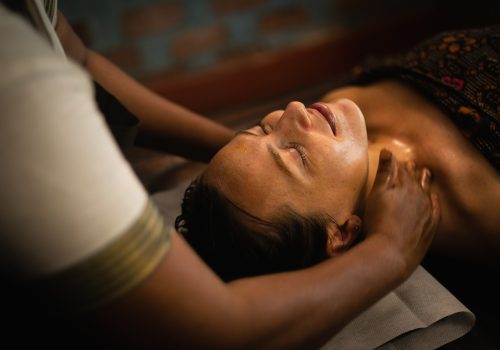
- Nasya – nasal administration for ENT, stress, sleep, cognitive clarity
- Raktamokshana – bloodletting (rare, specialised; typically exclusion in wellness resorts)
For women, Panchakarma planning respects cyclical physiology (menstrual phases), hormonal transitions (postpartum, peri/menopause), and safety (iron status, thyroid, reproductive goals). A well‑executed program addresses digestion, inflammation, stress load, and deep tissue nourishment—often reflected in better energy, sleep, skin, and cycle comfort.
Why women choose Kerala for Panchakarma
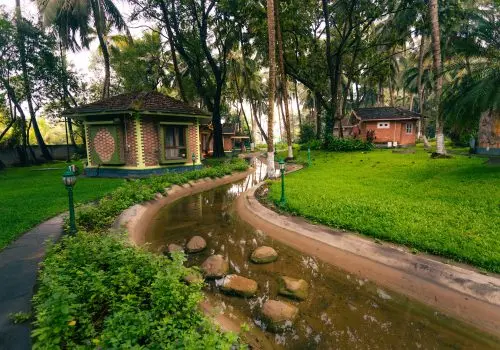
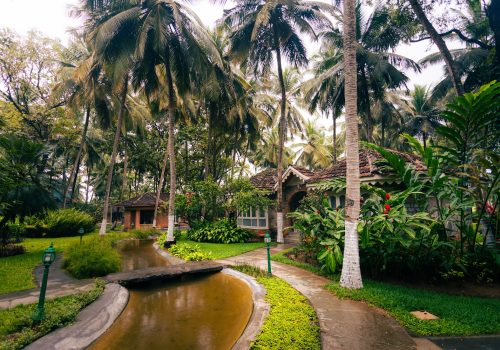
Kerala is Ayurveda’s living heartland—skilled physicians, time‑tested herbal formulations, and an ecosystem designed for rest: coconut groves, warm climate, and sattvic cuisine. Many guests describe Kerala as the best Ayurveda treatment in India for authenticity and outcomes. “
1) Who Is It For? (Indications by Life Stage)
We customise based on prakriti (constitution), vikruti (current imbalance), labs/medical history, and goals.
A) Menstrual & Cycle‑Related Concerns
- PMS, dysmenorrhea, cycle irregularities, PCOS support, bloat and acne
- Post‑OCP reset, stress‑related cycle disruption
- Timing: Active detox is avoided during menstruation; we plan Purva Karma before or after your period.
B) Fertility Preparation (Pre‑conception Window)
- Gut and liver reset, weight optimisation, micronutrient replenishment
- Stress regulation; improvement in sleep and circadian rhythm
- Timing: Avoid intensive detox immediately before IVF/IUI; we typically schedule 6–12 weeks ahead and coordinate with your reproductive specialist.
C) Postpartum Recovery (6 weeks to 24 months post‑birth)
- Gentle, nourishing protocols prioritising Basti, abhyanga, and rasayana diets
- Pelvic floor awareness, gradual core recovery, lactation‑safe herbs when indicated
D) Perimenopause & Menopause
- Metabolic balance, joint comfort, mood/sleep support
- Bone health focus; Vata‑pacifying therapies, medicated ghees/oils
E) Burnout & Urban Stress
- Digital fatigue, anxiety, IBS‑like symptoms, skin flares, migraine patterns
- Structured routines, yoga nidra, pranayama, circadian anchoring
Quick fit‑check: If you feel “overheated, overstimulated, or overdone,” or your digestion/menstrual rhythm feels off, Panchakarma—adapted to your stage—may be appropriate.”
2) Who Should Not Do Panchakarma? (Contraindications)
- Pregnancy; immediate postpartum without physician clearance
- Acute infections, uncontrolled fever
- Unstable cardiac conditions; decompensated chronic illness
- Severe anemia (unaddressed), active GI bleeding
- Active eating disorders or severe underweight
Relative (may proceed only with modifications/medical oversight):
- Heavy menstruation days (we pause/modify)
- Uncontrolled thyroid or diabetes
- Recent major surgery (seek surgeon’s clearance)
- Active psychiatric conditions—must coordinate with your treating clinician
- IVF/IUI within the next 4–6 weeks (timing adjustments needed)
Medication considerations: Blood thinners, steroids, and certain psychiatric meds require careful review. Always bring a current prescription list and recent labs.
3) What to Expect: Before, During & After
Pre‑Arrival (2–3 weeks)
- Tele‑consult: A Kairali physician reviews history, goals, and travel constraints.
- Gentle pre‑cleanse diet: Plant‑forward, simple grains, avoid alcohol/ultra‑processed foods; spice teas.
- Sleep & screen hygiene: Wind‑down routine, morning light exposure.
- Cycle mapping: We align your stay away from heavy flow days when possible.
On Arrival (Day 1)
- Clinical intake: Vitals, tongue/pulse assessment; lab review if provided.
- Personalised plan: Therapy calendar, diet, yoga/meditation schedule.
- Room orientation: Safety, privacy, how to contact your assigned women‑only care team.
Daily Rhythm Inside a Kerala Retreat Centre
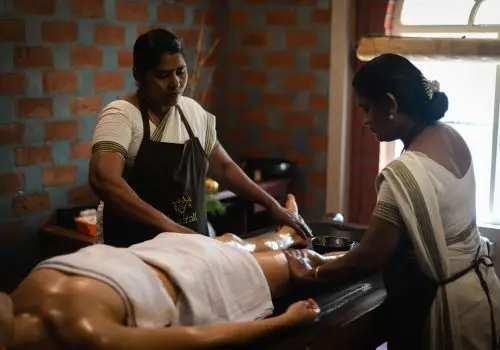
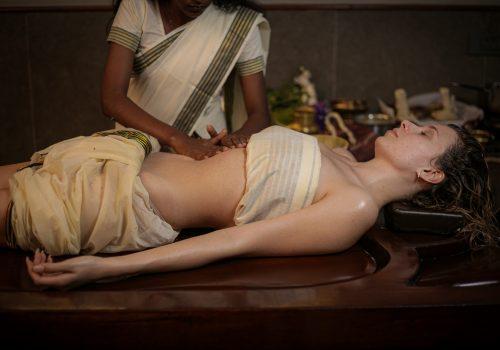
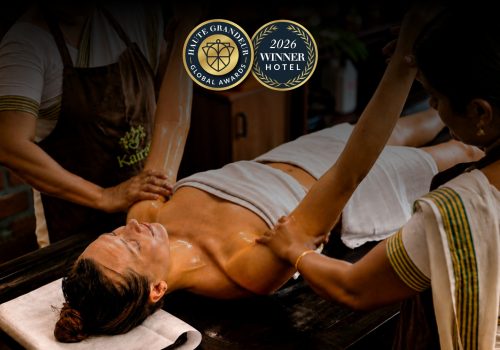
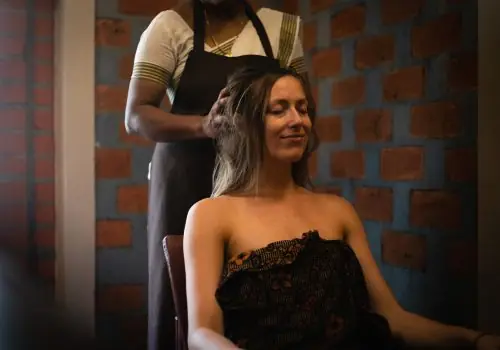
- In the morning, the day begins with Abhyanga, a warm oil massage, followed by swedana.
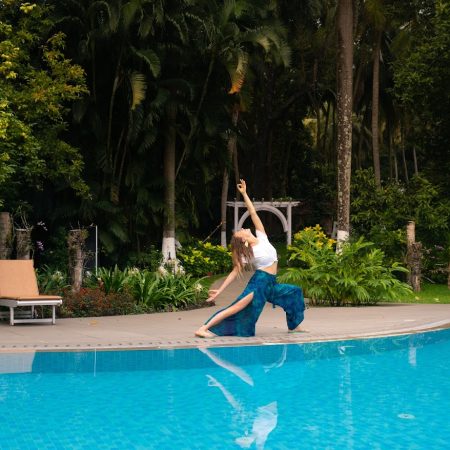
- This is supported with gentle yoga, breathwork, and mantra practice.
- By midday, you meet with the physician for a review, followed by a kitchari-style lunch or a prescribed diet.
- In the afternoon, the main therapy block takes place, such as Basti or Virechana preparation, followed by quiet rest.
- As evening approaches, herbal decoctions are served, along with a light dinner, yoga nidra, and reflective journaling.
- At night, lights are turned off early, and devices are placed in a digital-detox box to support deep rest.
Sensations & Side Effects
- Common & expected: Increased bowel movements on cleansing days, mild fatigue, transient emotions, coated tongue, light headache in first 48 hours.
- We review daily and adjust the dose, oil type, and timings to keep you comfortable.
Aftercare (2–6 weeks)
- Diet: Gradual re‑introduction; agni‑supportive spices, seasonal produce.
- Lifestyle: Circadian anchoring, movement, mindfulness, sleep hygiene.
- Follow‑ups: Virtual reviews at weeks 2 and 6; optional maintenance rasayana.
4) Women’s Safety & Solo Travel: What We Guarantee
If you are searching for a safe solo female yoga retreat Kerala or a women‑only Ayurveda retreat India, here is our safety protocol:
- Women‑led clinical teams: Female therapists available 7 days a week; chaperone policy on request.
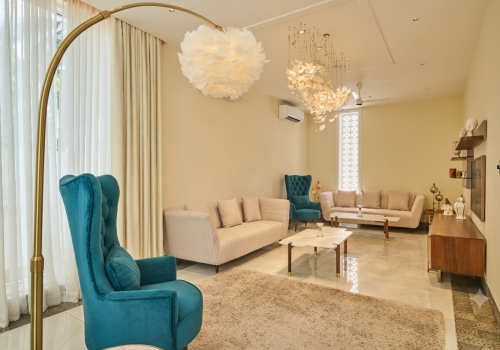
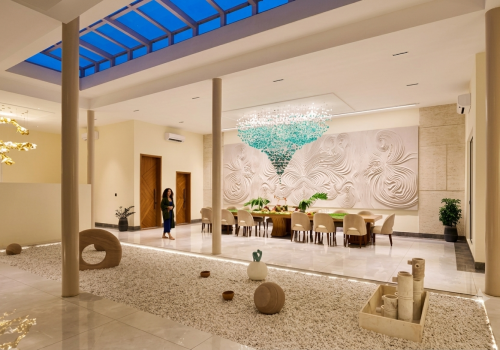
- Facility design: Well‑lit walkways, secure rooms, CCTV in public areas, 24×7 front desk.
- Cultural respect: Clear communication on draping, consent, and privacy during therapies.
- Transport: Pre‑arranged airport pickup with verified drivers; late‑night check‑ins supported.
- Connectivity: High‑speed Wi‑Fi and emergency contact access.
- Meals: Vegetarian, allergy‑aware kitchens with HACCP‑style hygiene.
Why many guests call us the best Ayurveda retreat for solo women: predictable structure, trauma‑aware care, and physician‑led personalisation—not a one‑size‑fits‑all spa.”
5)Women‑Centric Diet During Panchakarma
- Sattvic base: Rice, moong, gourds, seasonal vegetables, ghee as medicine
- Hydration: CCF tea (cumin–coriander–fennel) or physician‑prescribed decoctions
- Cravings & cycle‑aware tweaks: Iron‑rich greens and sesame laddoos around menstruation (if indicated), calcium‑supportive recipes post‑detox
- Caffeine/alcohol: Generally paused; re‑entry plan shared post‑stay
6) Integrating Ayurveda & Modern Science
- Gut–brain–hormone axis: Cleansing and routine stabilise digestion and vagal tone, supporting mood and sleep.
- Inflammation & skin: Diet simplification plus targeted herbs can decrease inflammatory load that often shows up as acne, eczema, or flares around the cycle.
- Pelvic health: Basti and targeted oils can ease Vata dominance linked with cramps, constipation, and sleep fragmentation.
- Stress physiology: Yoga nidra, breathwork, and daylight exposure recalibrate the stress response.
We use science to inform safety and monitoring; Ayurveda to personalize care and sustain change.”
7) Practicalities: Packing, Timing, Pricing, Insurance
- Best time to visit Kerala: Post‑monsoon (Sept–Mar) for cooler temperatures; year‑round programs available.
- What to pack: Light cottons, modest yoga wear, slip‑on sandals, a scarf/shawl, swimwear, a journal, required medications, copies of medical reports.
- Wi‑Fi & workspace: Available, but we recommend digital down‑time.
- Pricing: Varies by room type and length (7/14/21 days). Request a quote via consult; seasonal packages for solo women available.
- Insurance: Wellness tourism may not be covered; request a medical letter if your insurer supports preventive care.
8) Choosing the Right Kerala Retreat Centre (Checklist)
- First, care is physician-led, with daily consultations to guide treatment decisions.
- In addition, a clear contraindications policy and informed consent process are followed.
- For comfort and privacy, women-only therapists are available on request.
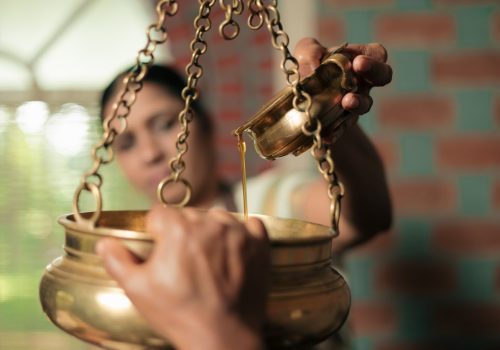
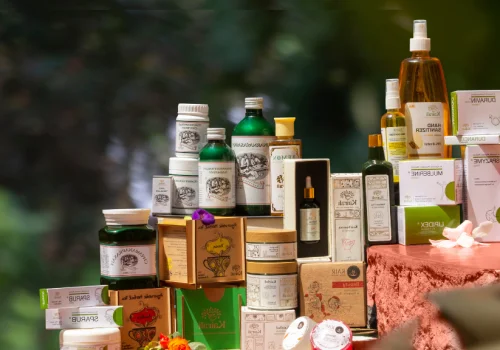
- On site, a dedicated pharmacy prepares classical oils and medicated ghees.
- At the same time, the kitchen delivers personalised diets based on medical advice.
- For convenience, airport transfers are available, along with a 24/7 reception.
- Finally, verified reviews, safety certifications, and hygiene protocols support a secure and trustworthy stay.
Shortlist with confidence: Many guests rank Kairali among the best Ayurveda treatment in India for outcomes and heritage; book a call to see if we’re your fit. “
If you’re ready to experience authentic Panchakarma in Kerala with clarity and confidence,
then book a free consultation to understand the process and see why many women trust Kairali for physician-led Ayurvedic care that supports real, lasting change.
Website: www.ktahv.com
Call: +91-9555156156