




























Joint pain and stiffness affect millions of people worldwide, making arthritis one of the most common causes of reduced mobility. While modern medicine classifies arthritis into several different conditions, Ayurveda looks beyond the symptoms to understand the underlying imbalance that may be contributing to discomfort.
Rather than focusing on a single remedy, Ayurveda takes a personalised approach that considers an individual’s constitution (prakriti), lifestyle, digestion, daily habits and overall health before recommending a course of care.
What Is Arthritis?
Arthritis is a broad term used to describe conditions that affect the joints. Depending on the type, people may experience pain, stiffness, swelling, reduced range of movement or tenderness around one or more joints.
Common forms include osteoarthritis, rheumatoid arthritis, gout and psoriatic arthritis. Each condition has different causes and requires appropriate medical evaluation and management.
How Ayurveda Understands Joint Health
In Ayurvedic literature, many joint disorders are associated with imbalances involving Vata dosha, which governs movement throughout the body. Classical Ayurvedic texts also describe the role of Ama, a concept referring to incompletely processed metabolic waste, which may contribute to imbalance when digestive function (Agni) is impaired.
An Ayurvedic physician evaluates these factors together with the person’s constitution, symptoms and medical history before developing an individualised treatment plan.
An Individualised Approach
Because no two people experience arthritis in the same way, Ayurvedic care is personalised.
Depending on the clinical assessment, a treatment plan may include dietary guidance, daily routine modifications, appropriate physical activity, selected Ayurvedic therapies and herbal medicines prescribed by a qualified practitioner. The aim is to support overall wellbeing, improve function and help manage symptoms alongside appropriate medical care where required.
Lifestyle Habits That Support Joint Health
Ayurveda places considerable emphasis on everyday habits that support long-term health. Depending on individual needs, an Ayurvedic physician may recommend:
- Eating freshly prepared, balanced meals.
- Maintaining regular meal and sleep timings.
- Gentle movement such as yoga or stretching, where appropriate.
- Managing body weight through sustainable lifestyle habits.
- Avoiding tobacco and limiting alcohol.
- Staying physically active within individual comfort levels.
These recommendations should always be tailored to the individual rather than applied as universal advice.
The Role of Ayurvedic Therapies
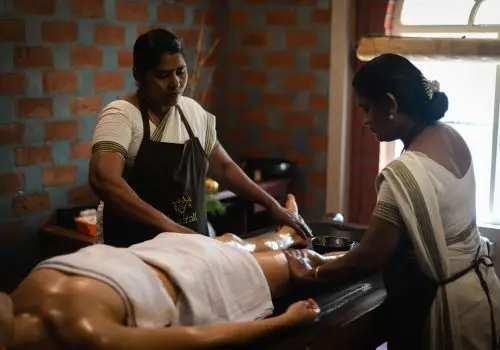
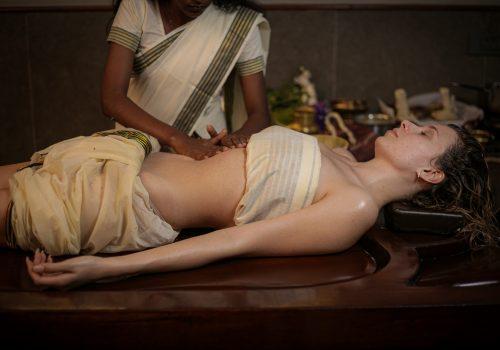
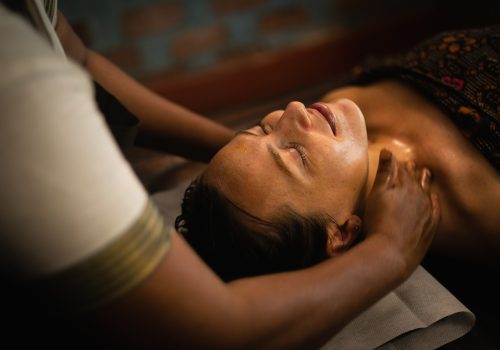
Traditional Ayurvedic therapies may form part of a comprehensive care plan when recommended by an Ayurvedic physician. Depending on the individual’s condition, therapies may include external oil applications, massage and other classical procedures.
These therapies are selected according to Ayurvedic principles and are intended to complement broader lifestyle and dietary recommendations rather than act as standalone treatments.
Herbal Medicines in Ayurveda
Ayurveda uses a wide range of classical herbal formulations for joint health. However, these medicines are prescribed only after an individual assessment. The choice of formulation, dosage and duration varies according to the person’s constitution, symptoms, medical history and any existing health conditions.
For this reason, Ayurvedic medicines should never be self-prescribed or taken solely on the basis of general information.
A Balanced Perspective
Living with arthritis often requires a long-term approach to health. Ayurveda encourages consistent attention to nutrition, physical activity, sleep, stress management and personalised care. When integrated with appropriate medical guidance, these principles may help individuals support joint health and improve their overall quality of life.
Anyone experiencing persistent joint pain, swelling or reduced mobility should seek an accurate diagnosis from a qualified healthcare professional before beginning any treatment programme.