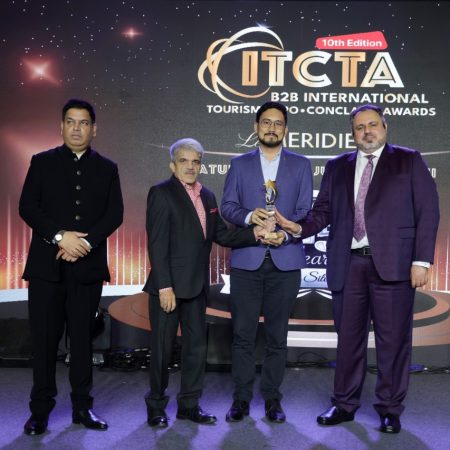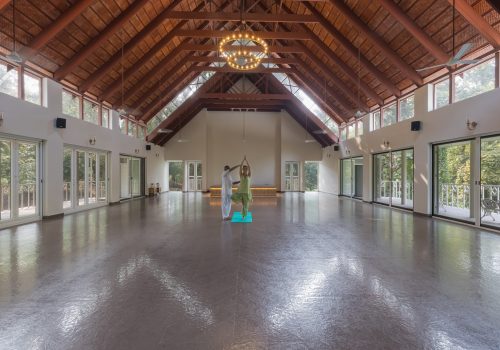
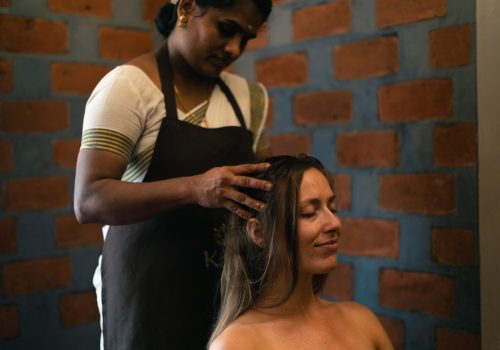
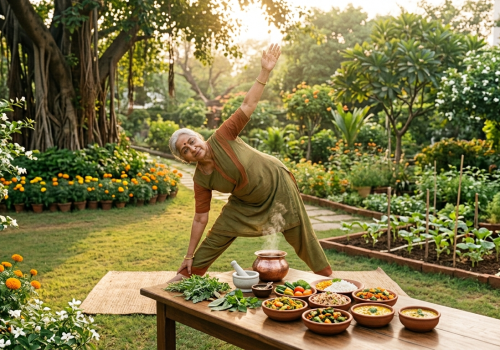
















Choosing the right Ayurvedic health retreat today can feel overwhelming. With countless options marketed as premium Kerala Ayurvedic resorts or award-winning holistic wellness retreats, the decision often comes down to beautiful visuals, glowing reviews, and prestigious-sounding accolades.
But here’s a critical question most people don’t ask:
👉 Do these awards actually guarantee your safety and treatment quality?
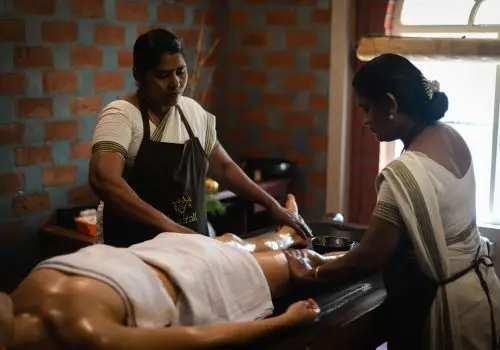
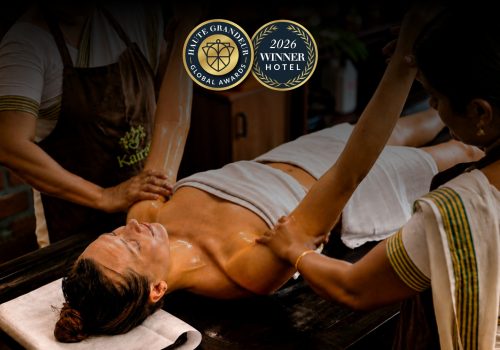
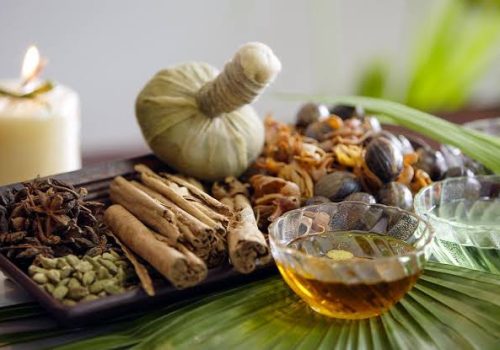
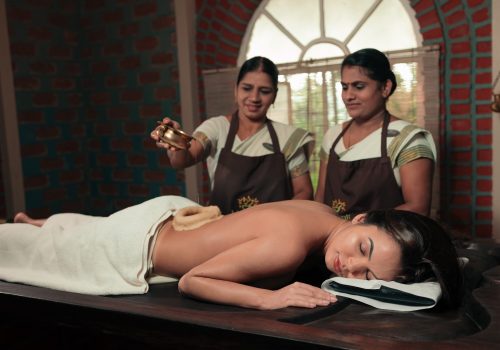
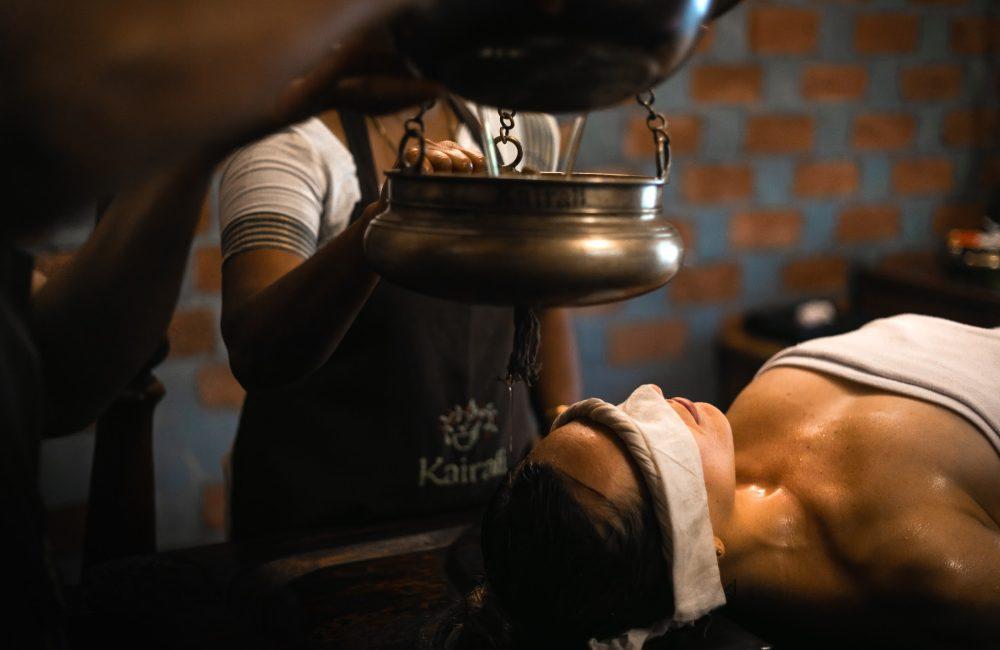
In Ayurveda, healing is not just about relaxation—it involves deeply transformative therapies like Panchakarma, personalized herbal formulations, and body detox processes. These require not only traditional expertise but also strict medical protocols, hygiene standards, and clinical supervision.
This is where the distinction between resort awards and hospital-grade accreditation becomes crucial. While awards celebrate guest experience and luxury, accreditations like NABH focus on what truly matters—patient safety, treatment consistency, and measurable healthcare standards.
Understanding this difference can completely change how you choose your next retreat—and ultimately, how safe and effective your healing journey will be.
The Hidden Gap in Choosing an Ayurvedic Health Retreat
If you’re searching for an Ayurvedic health retreat, you’ll likely come across accolades like:
- “World Luxury Spa Award Winner”
- “Best Ayurveda Retreat in Asia”
- “Top Wellness Destination”
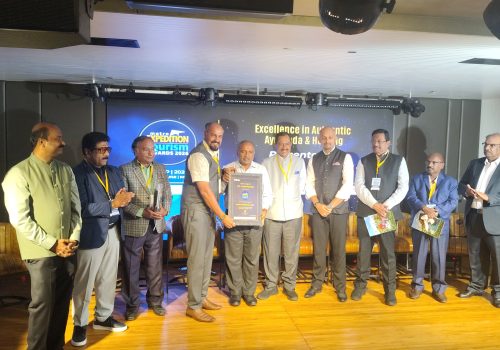
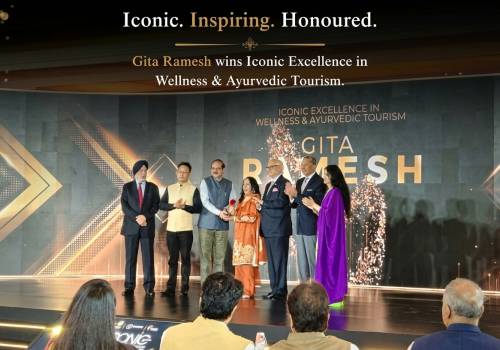
These recognitions may indicate experience, ambiance, or service quality—but they do not guarantee medical-grade safety, hygiene, or treatment protocols.
This is where a critical distinction arises:
👉 Awards vs Accreditation
And the most important accreditation in India’s healthcare ecosystem is NABH (National Accreditation Board for Hospitals & Healthcare Providers).
Why This Matters: A Practitioner’s Real Observation
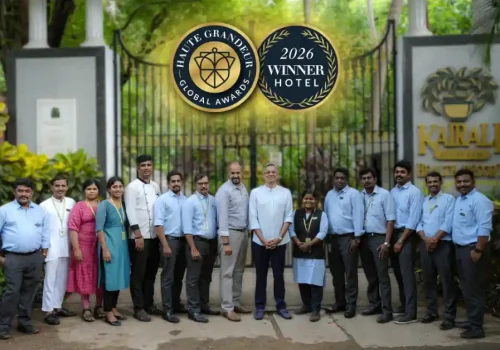
At Kairali – The Ayurvedic Healing Village in Kerala, we often receive patients who previously stayed at “award-winning” resorts but experienced:
- Non-standardized Panchakarma therapies
- Poor hygiene in treatment rooms
- Lack of qualified Ayurvedic doctors
- Generic treatments without dosha diagnosis
These are not rare exceptions—they highlight a systemic gap between hospitality excellence and clinical safety.
What Ayurveda Resort Awards Actually Measure
Most tourism and wellness awards focus on:
✔ Infrastructure & ambiance
✔ Customer service & guest experience
✔ Location and aesthetics
✔ Brand reputation
While these are important for a holistic wellness retreat experience, they do not evaluate:
❌ Medical protocols
❌ Therapist training standards
❌ Sterilization and hygiene audits
❌ Emergency preparedness
❌ Clinical documentation and patient safety
👉 In simple terms:
An award-winning resort can still lack medical rigor.
What NABH Accreditation Guarantees Instead
NABH is India’s gold standard for healthcare quality, aligned with global patient safety benchmarks.
NABH evaluates:
✔ Strict hygiene and sterilization protocols
✔ Qualified doctors and trained therapists
✔ Documented treatment procedures
✔ Patient safety systems and monitoring
✔ Regular audits and compliance checks
✔ Emergency medical preparedness
👉 Unlike awards, NABH is not a one-time recognition—it requires continuous compliance and re-evaluation.
Awards vs NABH: The Real Comparison
| Factor | Resort Awards | NABH Accreditation |
|---|---|---|
| Focus | Hospitality & experience | Patient safety & clinical care |
| Evaluation Frequency | One-time/annual | Continuous audits |
| Medical Standards | Not mandatory | Strictly enforced |
| Hygiene Protocols | Not deeply assessed | Detailed inspection |
| Therapist Training | Not standardized | Verified & documented |
| Patient Safety | Not core criteria | Primary focus |
Why This Matters for Your Healing Journey
When choosing a Kerala Ayurvedic resort , your decision impacts:
- Treatment effectiveness
- Safety during detox therapies
- Long-term health outcomes
Ayurveda involves powerful therapies like Panchakarma, which require:
✔ Medical supervision
✔ Proper hygiene
✔ Personalized protocols
Without these, the same therapies can become ineffective—or even harmful.
Ayurveda + Modern Safety Standards: The Future of Wellness
At Kairali, we integrate:
- Classical Ayurvedic wisdom (Charaka Samhita principles)
- Modern clinical protocols (NABH standards)
This ensures:
✔ Authenticity
✔ Safety
✔ Measurable outcomes
This is the evolution of the modern holistic wellness retreat—where tradition meets accountability.
How to Choose the Right Ayurvedic Retreat
Before booking any Ayurvedic health retreat, ask:
✔ Is the center NABH-accredited?
✔ Are doctors involved in diagnosis and treatment?
✔ Are therapies customized or generic?
✔ Are hygiene protocols clearly defined?
✔ Are therapists certified and trained?
👉 If these answers are unclear, the “award” may not be enough.
Conclusion
Awards may enhance reputation, but they do not replace the need for medical standards and patient safety. When it comes to Ayurveda, true healing depends not only on tradition but also on the quality, consistency, and safety of care. Choosing a retreat that prioritizes accredited practices ensures a more reliable, effective, and secure wellness experience.
Website: www.ktahv.com
Call: +91-9555156156
About the Author
Dr. Ashikha Raj is a dedicated Ayurvedic physician and Resident Medical Officer (RMO) at Kairali – The Ayurvedic Healing Village. With over 8 years of hands-on experience, she brings a unique blend of classical Ayurvedic wisdom and modern therapeutic sensibilities to her clinical practice. She is known for her empathetic patient care, methodical diagnosis, and ability to create deeply personalized wellness journeys rooted in the ancient science of Ayurveda.
Dr. Ashikha believes that healing is not just about eliminating disease—it’s about rebalancing the body, mind, and spirit. She advocates for sustainable health through daily routines (Dinacharya), seasonal cleansing, and mindful living in harmony with one’s Dosha and environment. Her nurturing presence and deep listening skills make her a trusted guide for guests seeking transformation at Kairali.