



















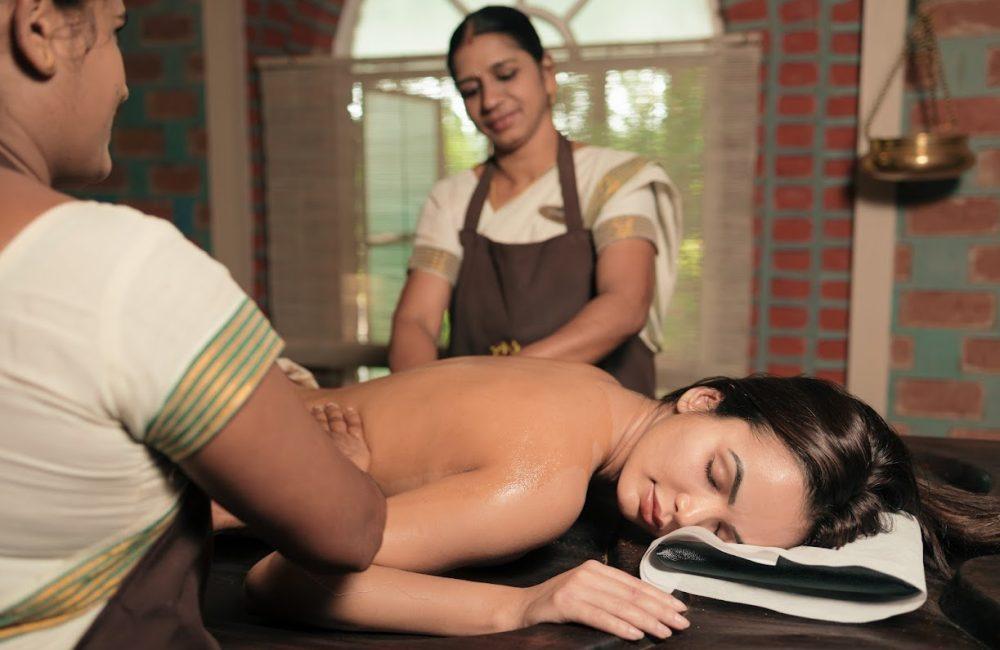

Panchakarma is often presented as a spa cleanse or a fixed package of massages. In classical Ayurvedic practice, it is neither. A credible Panchakarma programme begins with medical assessment, follows a defined sequence and changes according to the individual.
Search for a Panchakarma retreat and the results can look remarkably similar.
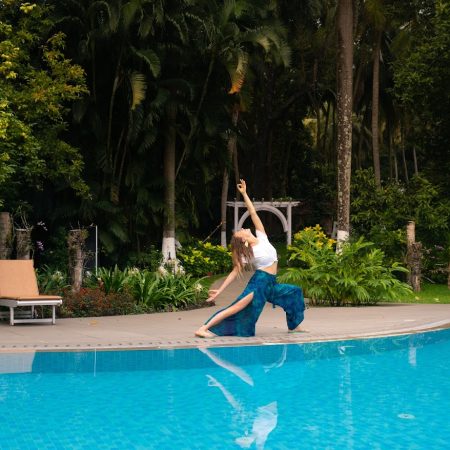
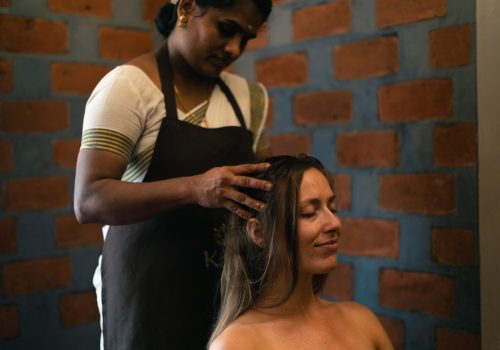
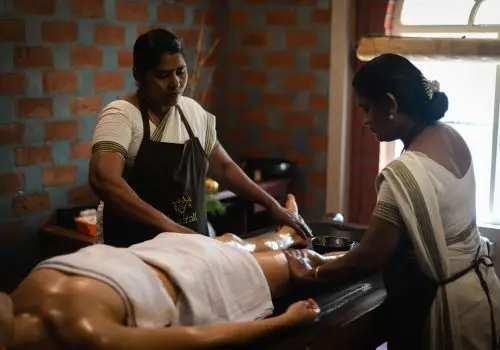
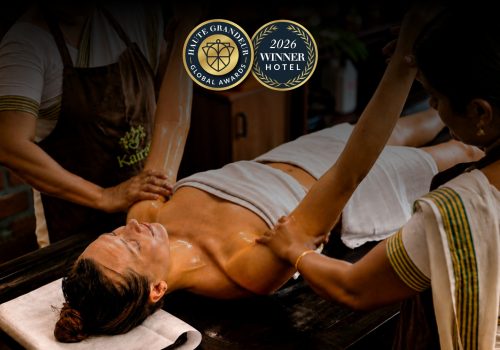
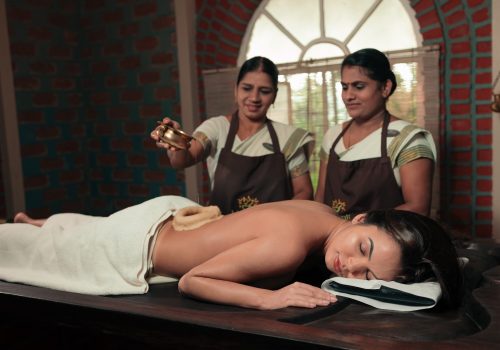
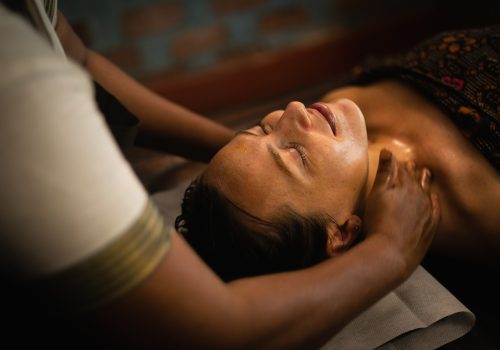
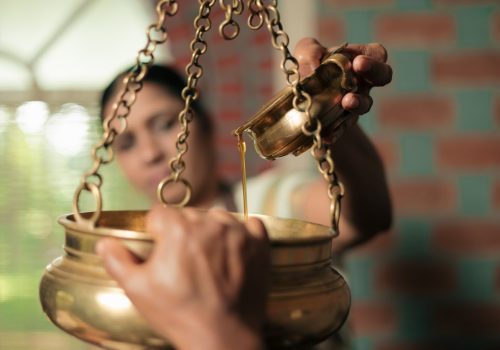
Most promise cleansing, renewal and relaxation. Many use the same images of oil therapies, herbal steam and peaceful tropical surroundings. Yet the quality and clinical depth of the programmes can vary considerably.
For an international wellness traveller, this creates a practical problem: how do you distinguish physician-led Ayurvedic care from a general wellness package using Ayurvedic language?
The answer lies less in the brochure and more in the structure of the programme.
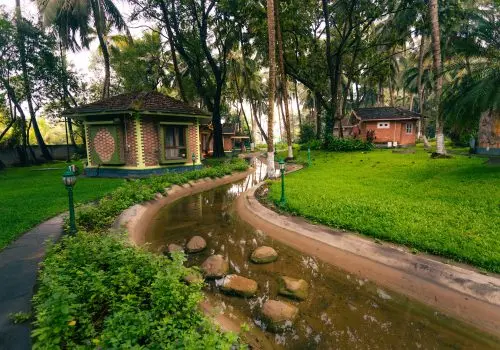
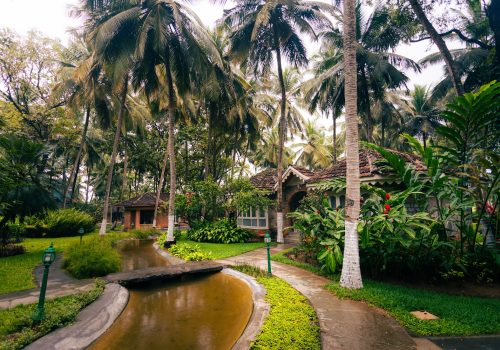
At Kairali – The Ayurvedic Healing Village in Palakkad, Kerala, Panchakarma is offered within an NABH-accredited Ayurvedic hospital setting. Consultations, procedures, meals, yoga and rest are organised as parts of one physician-directed plan.
The following questions can help travellers assess Kairali or any other centre offering Panchakarma.
1. Does the Programme Begin with a Physician Consultation?
Panchakarma should not begin with a treatment menu.
It should begin with an assessment by a qualified Ayurvedic physician.
The doctor may consider:
- Prakṛti, the person’s constitutional pattern
- Vikṛti, the current imbalance
- Digestive capacity
- Physical strength
- Sleep and daily routine
- Existing diagnoses
- Current medication
- The person’s reason for seeking care
This information helps determine whether Panchakarma is appropriate at all.
Not every person is suited to an intensive cleansing procedure. Age, weakness, pregnancy, acute illness and certain medical conditions may affect what can be recommended.
A retreat that assigns the same programme to every guest is not practising individualised Ayurveda.
2. Are the Physicians Properly Qualified?
The title “Ayurvedic expert” can mean different things in different settings.
In India, a BAMS qualification, or Bachelor of Ayurvedic Medicine and Surgery, is a recognised professional degree for Ayurvedic physicians. Travellers should ask who is responsible for diagnosis, treatment planning and clinical review.
Useful questions include:
- Is the initial consultation conducted by a BAMS-qualified doctor?
- Is a physician available throughout the stay?
- Are treatment responses reviewed regularly?
- Who makes changes to the programme?
- What happens if a guest becomes unwell?
Therapists play an important role in delivering Ayurvedic procedures. However, the treatment plan should be prescribed and supervised by a physician, not designed independently by spa staff.
At Kairali – The Ayurvedic Healing Village, programmes are physician-led and delivered within an NABH-accredited Ayurvedic hospital environment.
3. Is Panchakarma Presented as a Process?
Panchakarma is not one treatment.
The term refers to a structured therapeutic process that may include preparation, selected cleansing procedures and a period of recovery. The exact sequence varies according to the person and the clinical purpose.
A credible programme should explain three broad stages.
Preparation
Preparatory care may include adjustments to food, routine and activity. Oleation and heat procedures may also be considered, depending on the physician’s plan.
Main procedure
The principal procedure is selected according to the individual. Classical Panchakarma includes distinct therapeutic actions, but not every guest undergoes all of them.
Recovery
After an intensive procedure, the body is not expected to return immediately to rich food, strenuous exercise or a full travel schedule. Food and activity are usually reintroduced gradually.
A centre that presents Panchakarma as a sequence of massages without preparation or recovery may be offering a wellness interpretation rather than a full clinical programme.
4. Is the Treatment Individualised?
Two people booking a fourteen-day stay should not automatically receive identical schedules.
One guest may arrive with poor sleep and irregular digestion. Another may be recovering from prolonged stress or seeking a structured period of preventive care. Their strength, medical history and response to treatment may be different.
Individualisation should extend beyond the first consultation.
Ask whether:
- The treatment schedule can change during the stay
- The physician reviews progress
- Meals are adjusted when needed
- Yoga and movement are adapted
- Rest periods are included
- Therapies are stopped if they are not well tolerated
At Kairali, consultations, therapies, diet, yoga and daily routines are organised within an individual programme rather than offered as unrelated services.
5. Are the Procedures Described Clearly?
Terms such as Abhyanga, Nasya, Basti, Virechana and Swedana are often used in retreat marketing.
The presence of Sanskrit terminology does not, by itself, prove clinical rigour.
A trustworthy centre should be able to explain:
- What the procedure involves
- Why it has been selected
- Who supervises it
- What preparation is required
- What the guest may experience
- When the procedure should be avoided
The centre should also be willing to say when a therapy is not appropriate.
A procedure should never be offered simply because it is popular or photographs well.
6. How Are Medicines and Oils Sourced?
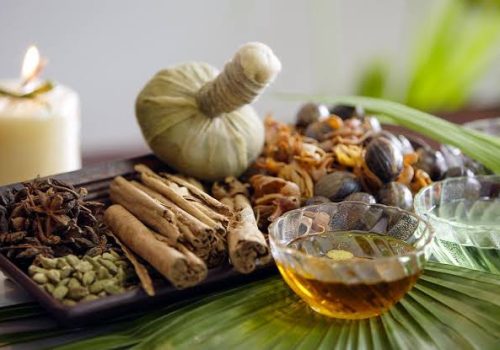
The quality of Ayurvedic oils and formulations matters.
Travellers should ask where medicines are manufactured, how they are stored and whether the supplier follows recognised manufacturing standards.
Kairali Ayurvedic Products Pvt. Ltd., the pharmaceutical division of Kairali Ayurvedic Group, operates a WHO-GMP-certified Ayurvedic manufacturing facility. This credential applies to KAPPL’s manufacturing operation and should not be treated as a general label for every service or property.
Useful questions for any retreat include:
- Are the medicines prescribed by the physician?
- Is the manufacturer identified?
- Are products labelled clearly?
- Are expiry dates and storage requirements monitored?
- Can the team explain the ingredients being used?
“Natural” is not enough. Herbal formulations can have contraindications, interactions and quality concerns. They should be selected with the same seriousness as any other therapeutic product.
7. Is the Setting Designed for Treatment or Only Relaxation?
A peaceful environment can support rest, but scenery does not replace clinical care.
The stronger question is whether the setting supports the discipline required by the programme.
Consider:
- Are meals served at regular times?
- Is there enough time for rest?
- Are therapies coordinated rather than overbooked?
- Is alcohol restricted during the programme?
- Are late-night activities discouraged?
- Can the physician monitor the guest easily?
- Is the food aligned with the treatment plan?
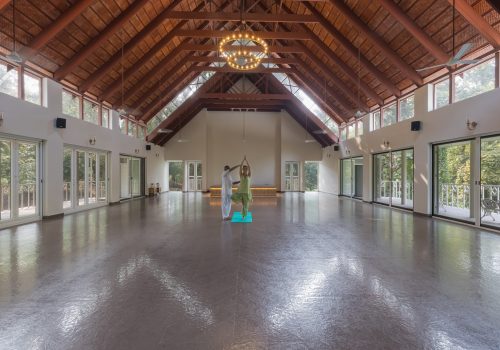
At Kairali – The Ayurvedic Healing Village, the residential setting allows consultations, therapies, food, yoga and rest to follow a coordinated daily structure.
For many international guests, this consistency is one of the main benefits of a residential programme. It creates distance from irregular meals, work pressure, late nights and constant travel.
8. Does the Centre Make Realistic Claims?
Panchakarma should not be sold with guarantees.
Be cautious when a centre promises to:
- Cure a chronic disease
- Remove all toxins
- Reverse ageing
- Produce a fixed amount of weight loss
- Eliminate dependence on medication
- Deliver the same result within a set number of days
Responsible Ayurvedic care uses more careful language.
It may discuss support for digestion, sleep, daily routine, recovery or general wellbeing. It should also acknowledge that results vary and that some symptoms require conventional medical investigation.
A credible centre will tell a guest what Panchakarma cannot promise.
9. Are Safety and Contraindications Discussed?
Good retreat content often describes benefits in detail and safety in one line.
That balance should be reversed when a procedure is intensive.
Before treatment begins, the team should ask about:
- Pregnancy
- Recent surgery
- Acute infection
- Cardiovascular conditions
- Eating disorders
- Severe weakness
- Prescription medication
- Mental health history
- Allergies and sensitivities
The programme should also explain what happens if the guest develops fever, pain, dizziness or another unexpected symptom.
Medical supervision is not a decorative credential. It should be visible in the way decisions are made.
10. Is There Guidance for Returning Home?
A Panchakarma stay does not end when the final therapy is completed.
The transition back to ordinary food, work, travel and exercise matters. A responsible centre should provide practical guidance on what to continue and what to avoid during the early recovery period.
This may include general advice on:
- Meal timing
- Food reintroduction
- Sleep
- Physical activity
- Travel
- Prescribed formulations
- Follow-up with a physician
The exact form of post-stay guidance differs between centres. Travellers should ask about it before booking rather than assuming it is included.
Questions to Ask Before Booking
Before choosing a Panchakarma retreat, ask five direct questions:
- Who conducts the medical assessment?
- How is my programme individualised?
- Which procedures are being proposed, and why?
- How are medicines and oils sourced?
- What safety and follow-up systems are in place?
Clear answers matter more than polished language.
What Panchakarma Should Feel Like
A credible Panchakarma programme is not defined by luxury alone.
It is defined by assessment, sequencing, supervision and restraint.
There may be oil therapies and quiet surroundings. There may also be early meals, periods of rest, dietary limits and changes to the schedule based on the physician’s observations.
This can make a rigorous programme feel less like a conventional holiday. That is not a weakness. It reflects the difference between a treatment environment and a spa itinerary.
The Kairali Approach
Kairali Ayurvedic Group was founded in 1989 by K.V. Ramesh and Gita Ramesh, drawing on four generations of Ayurvedic practice in the founders’ family.
At Kairali – The Ayurvedic Healing Village, Panchakarma is delivered within an NABH-accredited Ayurvedic hospital and Panchakarma clinic. The programme is organised around physician assessment, supervised procedures, appropriate food, yoga and rest.
This does not mean the same plan suits every guest.
The first task of a responsible centre is not to sell Panchakarma. It is to decide whether Panchakarma is suitable for the individual and, if it is, how it should be carried out.
Speak with a Kairali Ayurvedic physician to discuss whether a supervised Panchakarma programme is appropriate for your health history, travel plans and current needs.
Website: www.ktahv.com
Call: +91-9555156156