
























After childbirth, attention often shifts almost entirely to the baby. The mother, meanwhile, may be expected to return quickly to work, household responsibilities and her previous physical routine.
This expectation overlooks the scale of postpartum recovery.
The weeks after delivery can involve bleeding, pain, disrupted sleep, breast or feeding difficulties, surgical or perineal healing, changes in bladder and bowel function, and considerable emotional adjustment. Recovery varies according to the pregnancy, type of delivery, complications, available support and the health of both mother and baby.
The World Health Organization treats postnatal care as an essential period for maternal and newborn health, rather than as a single check-up after birth. Its guidance recommends several contacts during the first six weeks, with care adapted to the woman’s circumstances and medical needs.
Ayurveda has its own framework for this period. Known as sūtikā kāla, meaning the postpartum period, it gives particular attention to rest, digestion, nourishment and gradual restoration.
This framework may complement appropriate obstetric and postnatal care. It should not replace medical follow-up or be presented as a universal cure for fatigue, hormonal concerns or emotional distress.
“It is increasingly clear that postpartum recovery is often misunderstood, rushed and deeply neglected in modern lifestyles.”
— Dr Akhila Oommen, BAMSEditorial note: Supplied quotation; confirm wording with Dr Akhila before publication.
Why postpartum care cannot be rushed
The postpartum period begins immediately after birth, but its duration is not identical for every woman.
The most intensive physical recovery often occurs during the first six to eight weeks. Some symptoms, including fatigue, pelvic-floor changes, feeding difficulties, pain and emotional distress, may continue for considerably longer.
A single six-week appointment is therefore not always enough. The American College of Obstetricians and Gynecologists recommends an ongoing postpartum-care process, beginning with contact during the first three weeks and concluding with a comprehensive visit no later than 12 weeks after birth. The timing should be individualised.
The postpartum assessment should consider more than physical healing. Sleep, fatigue, pain, feeding, mental health, contraception, social support and the management of existing medical conditions all matter.
Ayurveda’s insistence on a protected recovery period is relevant here. Its value lies less in prescribing an exact number of days and more in resisting the idea that childbirth should be followed by an immediate return to normal activity.
How Ayurveda understands the postpartum period
In Ayurvedic theory, childbirth is understood as an event that can disturb vāta doṣa, the functional principle associated with movement, depletion, dryness and irregularity.
This does not mean that every postpartum symptom should be attributed to vāta. Bleeding, severe pain, fever, depression, high blood pressure and other complications require medical evaluation rather than a dosha explanation.
Within an Ayurvedic assessment, however, the vāta framework may guide attention towards warmth, regularity, rest, digestibility and a gradual rebuilding of strength.
Traditional postpartum care, or sūtikā paricaryā, may include:
- food selected according to appetite and digestive tolerance;
- adequate rest and practical household support;
- gentle external oil application when medically appropriate;
- gradual return to movement;
- attention to bowel function and hydration; and
- individual review by a qualified Ayurvedic physician.
These are broad categories. The details should vary according to the mother’s delivery, recovery, constitution, feeding status and medical history.
1. Begin with food that is nourishing and tolerable
Postpartum nutrition should support healing, energy needs and, where relevant, breastfeeding.
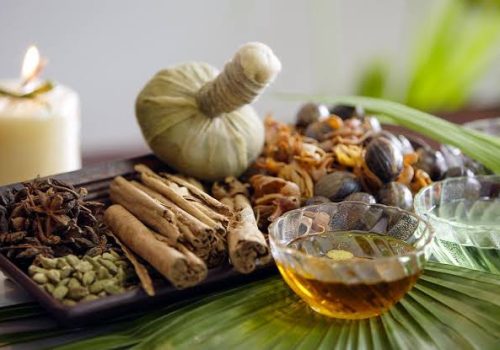
Ayurvedic traditions often favour warm, freshly prepared and relatively simple meals during early recovery. Rice preparations, cooked grains, pulses, vegetables and soups may be used according to appetite and digestive comfort.
The useful principle is not that every new mother must eat rice gruel or avoid all raw food. It is that meals should be nourishing, safe and realistic for the individual.
A postpartum diet should also provide adequate protein, energy, iron and other nutrients. Women recovering from significant blood loss, anaemia, caesarean delivery or other complications may have additional nutritional requirements that should be discussed with their medical team.
Spices such as cumin, ajwain and fenugreek appear in many regional postpartum traditions. Their traditional use does not establish that concentrated decoctions are suitable for everyone.
Fenugreek, for example, is widely promoted for milk supply, but the US National Center for Complementary and Integrative Health reports mixed findings and notes that better-quality evidence is needed.
Herbal drinks and concentrated preparations should therefore be reviewed individually, particularly during breastfeeding or when the mother takes medication.
2. Treat rest as part of healthcare
Rest after birth does not mean complete inactivity. It means reducing avoidable physical and emotional demand while the body heals.
In practice, this may require support with meals, household tasks, childcare, transport and medical appointments. ACOG identifies these practical forms of assistance, alongside emotional and breastfeeding support, as important parts of the postpartum care network.
Prescribing “eight to ten hours of sleep” is rarely useful when a newborn wakes frequently. A more realistic objective is to create opportunities for rest and protect the mother from unnecessary responsibilities.
Ayurveda’s structured-rest principle can be valuable when it is applied without blame. The mother should not be made to feel that a difficult recovery reflects a failure to follow a perfect routine.
Rest also does not mean ignoring symptoms. Exhaustion can be expected after delivery, but severe or worsening fatigue may also be associated with anaemia, infection, thyroid problems, depression or other conditions requiring assessment.
3. Use oil massage selectively, not automatically
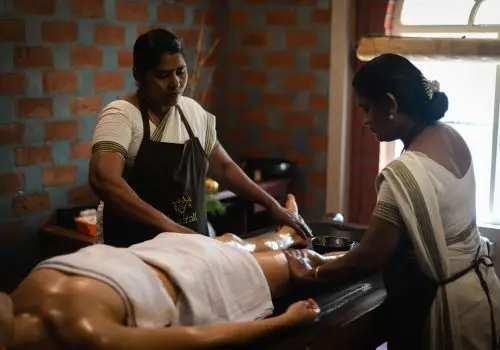
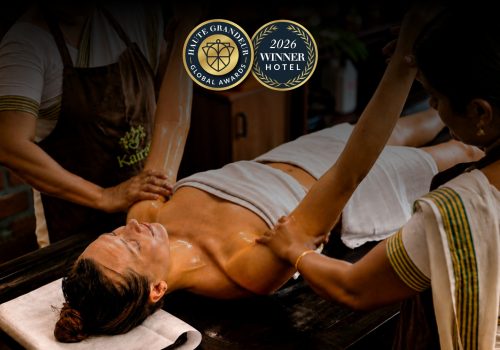
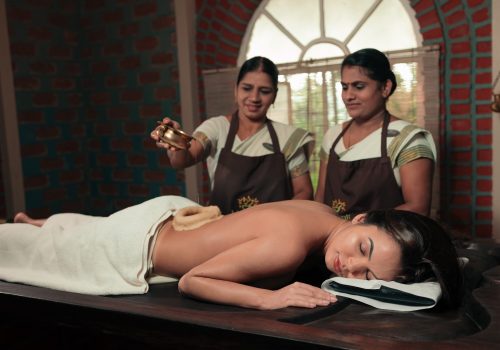
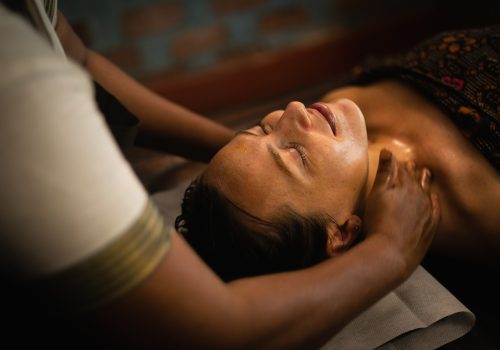
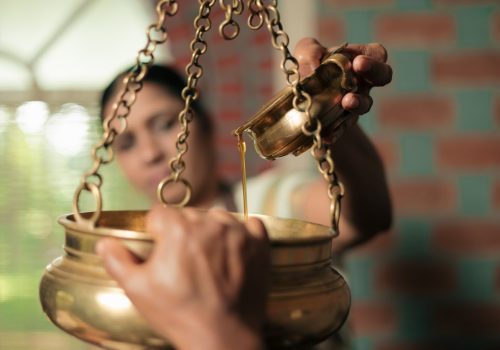
Gentle oil application, commonly described as abhyanga, has a longstanding place in Ayurvedic postpartum traditions.
Some women may find careful massage comforting and helpful for relaxation or muscular discomfort. Small studies have reported short-term improvements in anxiety or emotional state following certain forms of postpartum massage, but the evidence remains limited and does not establish broad clinical benefits.
Massage is not automatically appropriate immediately after delivery.
The timing and technique may need to change following a caesarean birth, perineal injury, heavy bleeding, infection, thrombosis risk, high blood pressure or another complication. Incisions, painful areas and inflamed tissue should not be massaged without medical clearance.
More intensive Ayurvedic therapies, including Pizhichil and Kizhi, should not be listed as routine postpartum treatments. Their suitability depends on medical assessment, timing, physical condition and the purpose of treatment.
Any postpartum therapy should begin with a review of the birth and current recovery rather than with a predetermined package.
4. Be especially cautious with herbs
The original brief listed Shatavari, Ashwagandha and Dashamoola as common postpartum herbs. This kind of list can encourage self-prescribing during a medically sensitive period.
That is not appropriate.
Herbal selection depends on the mother’s symptoms, constitution, feeding status, medications and health history. Products sold under the same herbal name may also differ substantially in ingredients, concentration and manufacturing quality.
Ashwagandha requires particular caution. The NCCIH states that it should not be used while breastfeeding. It can also interact with several categories of medication and has been linked, rarely, with liver injury.
It should therefore not be promoted as a routine postpartum strength or stress supplement.
Claims that an herb “restores hormonal balance,” “reduces inflammation” or guarantees lactation support also require product-specific evidence. Traditional use and modern clinical proof are not the same thing.
A qualified Ayurvedic physician may decide that a particular preparation is appropriate after reviewing the mother’s condition. That decision should be coordinated with her obstetric or primary medical care where necessary.
5. Return to movement gradually
Gentle movement can support recovery, but the pace should depend on the type of birth, healing and medical advice.
Breathing practices, walking and carefully selected postnatal movement may be introduced gradually. Yoga should be adapted to the individual rather than offered as a standard class to every new mother.
Someone recovering from abdominal surgery, pelvic-floor injury, severe anaemia or a complicated delivery may need a different progression from someone whose birth and early recovery were uncomplicated.
The same applies to prāṇāyāma, or regulated breathing practice. Gentle breathing awareness may be appropriate, while forceful breath retention or strenuous techniques may not be.
Postnatal physiotherapy or pelvic-health assessment may be valuable where there is persistent pain, urinary leakage, pelvic pressure or difficulty returning to movement.
Emotional recovery deserves clinical attention
Emotional changes after childbirth are common, but not every difficult experience should be dismissed as temporary “baby blues.”
Anxiety, persistent low mood, frightening thoughts, inability to sleep even when the baby sleeps, withdrawal, agitation or a sense of being unable to cope deserve prompt attention.
A support network and regular postpartum contact with healthcare professionals are central to recovery.
Ayurvedic routines, massage, meals and a calm environment may provide supportive care. They should not be used as substitutes for mental-health assessment or evidence-based treatment when postpartum depression, anxiety, psychosis or another condition is suspected.
Any concern about immediate safety, thoughts of self-harm or harm to the baby requires urgent medical assistance.
Warning signs that need medical care
Postpartum symptoms should not automatically be interpreted as dosha imbalance or normal recovery.
Urgent assessment may be needed for symptoms such as:
- heavy or increasing bleeding;
- chest pain or difficulty breathing;
- severe or persistent headache;
- changes in vision;
- fever or chills;
- worsening abdominal or pelvic pain;
- foul-smelling vaginal discharge;
- severe swelling;
- a painful or swollen leg;
- seizures, confusion or fainting; and
- thoughts of self-harm or harming the baby.
Postpartum infection, high blood pressure and other complications can emerge after the mother has left hospital. ACOG specifically advises prompt contact with an obstetric professional for warning signs including fever, abdominal tenderness and foul-smelling discharge.
Traditional care should operate alongside this safety framework.
Postpartum support at Kairali
Kairali – The Ayurvedic Healing Village in Palakkad is an NABH-accredited Ayurvedic hospital. Kairali Ayurvedic Group was founded in 1989 and draws on four generations of Ayurvedic practice in the founders’ family. It should not be described as having 116 or 130 years of corporate history.
Any postpartum programme at the Healing Village should begin with medical screening and coordination with the woman’s obstetric care where appropriate.
The programme should be designed only after considering:
- the type and date of delivery;
- surgical or perineal healing;
- postpartum bleeding;
- feeding and lactation;
- current medication;
- blood pressure and anaemia;
- sleep and emotional wellbeing;
- the health of the newborn; and
- the mother’s practical support needs.
Ayurvedic food, external therapies, rest, yoga and herbal preparations should then be considered individually. They should not be assumed suitable simply because they are traditional.
Recovery is not a race
Ayurveda’s most relevant contribution to postpartum care may be its refusal to treat recovery as an inconvenience.
A mother’s need for food, rest, support and clinical attention does not end when she leaves the delivery room. Nor can recovery be compressed into a promise that one massage, herb or residential stay will restore the body “naturally and completely.”
Good postpartum care is continuous, individualised and collaborative.
Ayurvedic principles may contribute useful forms of nourishment, routine and restorative support. Modern obstetric care provides essential monitoring, diagnosis and treatment. These approaches are safest when they communicate rather than compete.
The aim is not to return a mother to her previous self as quickly as possible. It is to help her recover safely, recognise complications early and receive the practical and emotional support that childbirth demands.
Website: www.ktahv.com
Call: +91-9555156156