





















Pitta is often described through a familiar list of qualities: hot, sharp, intense, driven and focused.
That description is not wrong. It is simply incomplete.
For readers already familiar with Ayurveda, the more useful question is not, “How do I reduce pitta?” It is, “What does pitta look like when it is working well?”
Balanced pitta is not the absence of heat, ambition or intensity. It is the ability to use those qualities without being consumed by them.
It is clarity without harshness. Discipline without rigidity. Appetite without excess. Confidence without aggression.
Pitta is the principle of transformation
In Ayurveda, pitta is associated with the elements of fire and water. It governs processes of transformation, including digestion, metabolism and assimilation.
This does not refer only to the digestion of food.
Pitta also describes the capacity to process information, make decisions, interpret experience and act with direction. It is the force that helps the body and mind convert what they receive into something useful.
When pitta is balanced, this transformative capacity is efficient and measured.
A person may have strong digestion, clear thinking, good concentration and the ability to follow through on decisions. There may be courage, decisiveness and a natural willingness to take responsibility.
These qualities are not signs that pitta needs to be suppressed. They are signs that it is functioning constructively.
Balanced pitta is not passive
Ayurvedic advice for pitta is often reduced to being calm, cool and relaxed.
That can create the false impression that a balanced pitta person should become less ambitious, less direct or less energetic.
This misses the point.
Pitta does not need to become passive. It needs proportion.
A balanced pitta individual may still work intensely, speak clearly and pursue difficult goals. The difference is that effort is not driven by constant irritation, perfectionism or the need to control every outcome.
There is purpose, but also perspective.
There is the ability to pause before reacting.
There is enough internal space to recognise when determination has become pressure, or when high standards have turned into criticism.
The difference between intensity and imbalance
Pitta qualities become difficult when they lose flexibility.
Sharpness can become judgement. Focus can become obsession. Confidence can become dominance. Discipline can become intolerance.
Physical signs may also appear, including a sense of excess heat, digestive discomfort or inflammatory tendencies. Emotionally, imbalance may show up as impatience, irritability or anger.
The mistake is to view these signs as proof that intensity itself is the problem.
Intensity is not the problem. Unregulated intensity is.
Balanced pitta can remain highly capable. It simply does not need to operate at maximum pressure all the time.
Cooling does not always mean cold
The usual recommendation for pitta is to favour cooling influences. This should be understood carefully.
Cooling does not necessarily mean consuming only cold food, iced drinks, raw salads or smoothies. These choices may not suit everyone, and they may be difficult to digest for some people.
In Ayurvedic practice, “cooling” can also refer to the overall effect of a meal, routine or environment.
A freshly prepared meal with mild seasoning may be cooling. A regular lunch eaten without rushing may be cooling. A quieter evening may be cooling. Time away from competition and constant decision-making may be cooling.
The principle is broader than temperature.
It is about reducing excessive heat, pressure and sharpness without weakening digestion or vitality.
Food should support steadiness
People with strong pitta often have a clear appetite and may become irritable when meals are delayed.
Regular meal times can therefore be more useful than restrictive food rules.
Meals may favour mild, fresh and balanced preparations, with spices such as coriander, fennel or mint used where appropriate. Very hot, pungent, salty or sour foods may be reduced when they appear to worsen heat or irritation.
However, a pitta-supportive diet should not become another perfectionist project.
Rigid food rules can reproduce the same intensity they are meant to reduce.
The better approach is to observe patterns. Which foods leave digestion comfortable? Which meals increase heat, acidity or restlessness? Which eating habits create steadiness rather than urgency?
Ayurveda is most useful when it improves observation, not when it creates fear around food.
Rest is part of pitta intelligence
Pitta-dominant individuals are often praised for productivity. They may also find it difficult to stop.
Rest can feel unearned. Leisure may become another task. Even yoga or meditation can be approached competitively.
Balanced pitta recognises that recovery is not the opposite of discipline. It is part of discipline.
A calmer morning routine, regular sleep, reading, unstructured time or gentle movement can help reduce accumulated pressure.
The specific activity matters less than the quality it creates.
A practice is useful when it allows the nervous system and mind to step out of constant evaluation, achievement and response.
Variety can soften rigidity
Pitta often values order, efficiency and predictability. These qualities can be extremely useful.
They can also become restrictive when every part of life is optimised.
Introducing variety can help restore flexibility. This may mean trying a new activity, changing a routine, travelling without overplanning or allowing a task to remain imperfect.
The aim is not to create instability.
It is to remember that not every outcome needs to be controlled.
Balanced pitta can adapt. It does not lose direction simply because circumstances change.
Heat is both physical and psychological
Prolonged exposure to hot weather, direct sun, overheated rooms or very hot baths may feel aggravating for some pitta-dominant people.
But heat also appears in less obvious forms.
A packed schedule creates heat. Repeated conflict creates heat. Constant news, debate and competition create heat. So does the habit of correcting everyone in the room.
Managing pitta therefore requires more than seasonal changes.
It requires noticing where pressure is being generated.
Sometimes the most effective pitta-supportive choice is not a cooling herb or food. It is declining an unnecessary argument, leaving more space between appointments or accepting that a task is complete.
Self-care should not become another performance
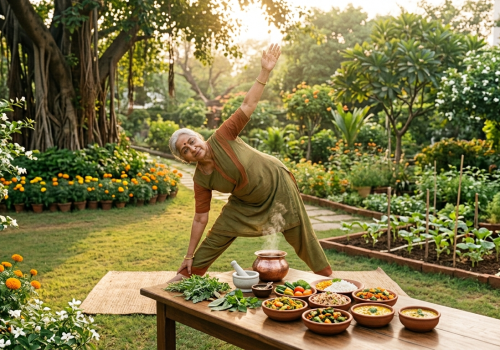
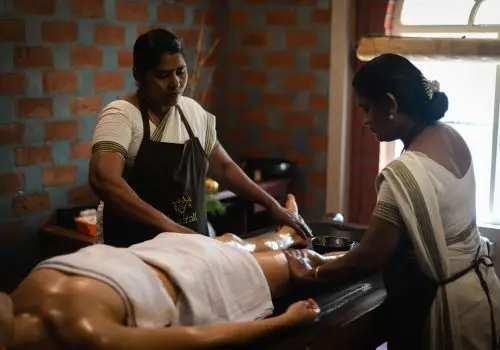
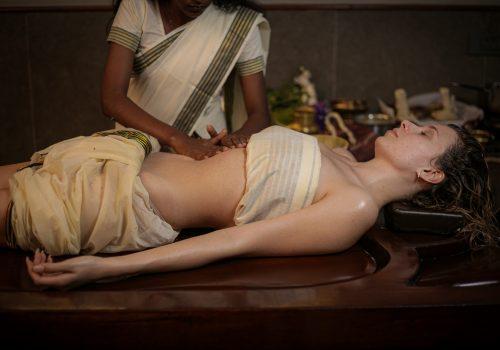
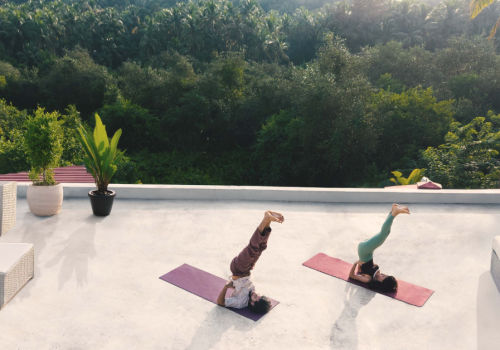
Oil application, herbal drinks, yoga and meditation may all support a pitta-balancing routine when chosen appropriately.
But self-care can easily become a checklist.
For a pitta-oriented person, the pursuit of perfect health can become another source of intensity. The routine grows stricter, the standards become higher, and the person becomes more frustrated when the body does not respond as expected.
A balanced routine should create more ease, not more self-surveillance.
This is also why specific oils, herbs and practices should not be treated as universal. Constitution, current symptoms, climate, digestion, medication and medical history all matter.
General dosha guidance can offer a direction. It cannot replace individual assessment.
Balanced pitta is directed fire
Pitta is sometimes treated as though it is dangerous by nature.
It is not.
Without pitta, there is no digestion, discernment, courage or meaningful transformation. The same qualities that produce irritation when disturbed can produce insight and leadership when balanced.
The goal is not to extinguish the fire.
It is to give it the right place, the right fuel and the right limits.
Balanced pitta is warm, not burning. Sharp, not cutting. Focused, not consumed.
That is what balance really means.