




























Vata is one of the three doṣas described in Ayurveda.
The other two are Pitta and Kapha.
Ayurveda uses these three principles to explain patterns in the body and mind. Vata is mainly associated with movement. This includes breathing, circulation, nerve activity, speech, elimination, and the movement of food through the digestive system.
Vata is traditionally linked with the elements of air and space.
It is described as light, dry, cool, mobile, subtle, and changeable.
These qualities help explain why balanced Vata is associated with movement, flexibility, responsiveness, and creativity. When Vata becomes disturbed, Ayurveda may associate it with irregularity, dryness, restlessness, poor sleep, or digestive discomfort.
Vata dosha is an Ayurvedic concept. It is not a medical diagnosis and should not be used to explain every symptom without proper assessment.
What does Vata control in Ayurveda?
Vata is often described as the dosha that makes movement possible.
In Ayurvedic theory, it supports:
- breathing;
- circulation;
- movement of the muscles and joints;
- nerve impulses;
- speech;
- bowel movements;
- sensory activity; and
- mental flexibility.
Pitta is more closely associated with transformation and metabolism, while Kapha is associated with structure, stability, and lubrication.
The three doshas work together. None functions in isolation.
What is a Vata constitution?
A person’s natural constitution is called prakṛti.
Someone with a strong Vata influence may be described as quick, adaptable, imaginative, and responsive to change. They may also have an irregular appetite, lighter build, variable energy, or sensitivity to cold.
These are broad tendencies, not fixed personality rules.
A person is not “a Vata” in a complete sense. Everyone has all three doshas, and constitution is usually more complex than a single label.
Current imbalance is called vikṛti. A person may have a Vata imbalance even if Vata is not dominant in their natural constitution.
What may increase Vata?
Ayurveda associates Vata imbalance with excess movement, irregularity, dryness, and cold.
Common triggers may include:
- inconsistent meal times;
- frequent travel;
- lack of sleep;
- excessive stimulation;
- prolonged stress;
- very cold or dry weather;
- skipping meals;
- eating mostly dry or raw food; and
- doing too much without enough recovery.
These factors do not affect everyone in the same way.
A qualified Ayurvedic practitioner will also consider age, season, health history, appetite, medication, and current symptoms.
Common signs associated with disturbed Vata
Ayurvedic practitioners may consider Vata disturbance when a person reports patterns such as:
- dry skin;
- constipation;
- bloating;
- irregular appetite;
- restlessness;
- difficulty sleeping;
- feeling easily overwhelmed;
- variable energy;
- stiffness; or
- sensitivity to cold.
These signs are not specific to Vata.
Constipation, insomnia, anxiety, and fatigue can have many causes. Persistent or severe symptoms require appropriate medical evaluation.
1. Build more regularity into the day
Vata is associated with movement and change. For that reason, Ayurveda often recommends rhythm and consistency when Vata appears aggravated.
Useful habits may include:
- waking and sleeping at similar times;
- eating meals at regular intervals;
- allowing time to rest;
- reducing unnecessary rushing; and
- creating a predictable evening routine.
The aim is not to make life rigid.
It is to reduce avoidable irregularity.
2. Choose warm and easy-to-digest meals
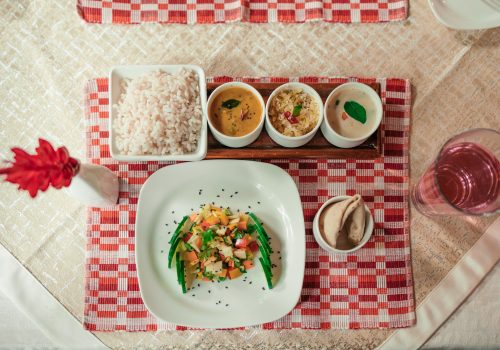
Ayurvedic dietary guidance for Vata often favours warm, cooked, and moist food.
Examples may include:
- soups;
- stews;
- cooked grains;
- soft vegetables;
- lentil dishes; and
- food prepared with moderate amounts of oil or ghee.
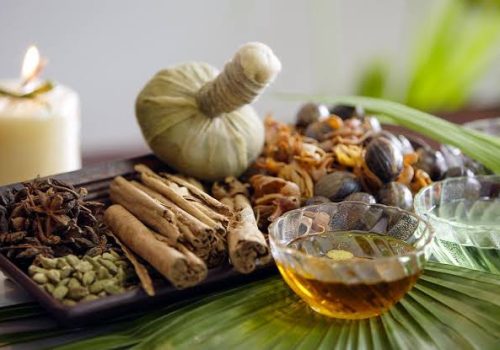
Spices such as ginger, cinnamon, cumin, and cardamom may be used according to individual tolerance.
Cold, very dry, or highly processed food may feel less comfortable for some people with Vata-type symptoms.
These are general principles, not a universal diet.
Someone with reflux, food intolerance, metabolic disease, or another medical condition may need different advice.
3. Avoid long gaps between meals
Skipping meals can increase irregularity in appetite and energy.
A person who experiences Vata-type symptoms may benefit from eating at reasonably consistent times and choosing meals that are satisfying without being excessively heavy.
The correct quantity depends on hunger, digestion, activity, and health needs.
Ayurveda does not require everyone to eat the same amount or follow the same meal schedule.
4. Use rest as part of the routine
People with a strong Vata pattern may enjoy variety and stimulation, but constant activity can become draining.
Rest can include:
- quiet time without screens;
- gentle stretching;
- slow breathing;
- reading;
- gardening;
- a warm bath; or
- an earlier bedtime.
Meditation may help some people, but it is not the only way to settle the mind. A simple, repetitive activity may be easier for someone who finds stillness difficult.
5. Protect the body from excessive cold
Vata is traditionally described as cool and dry.
Ayurveda therefore often recommends warmth when Vata appears disturbed.
This may involve:
- wearing adequate clothing;
- avoiding prolonged exposure to cold wind;
- choosing warm meals;
- keeping the feet and head protected; and
- maintaining a comfortable indoor temperature.
This does not mean cold weather is harmful to every Vata-dominant person.
The principle is to notice whether cold exposure consistently increases discomfort.
6. Consider gentle oil application
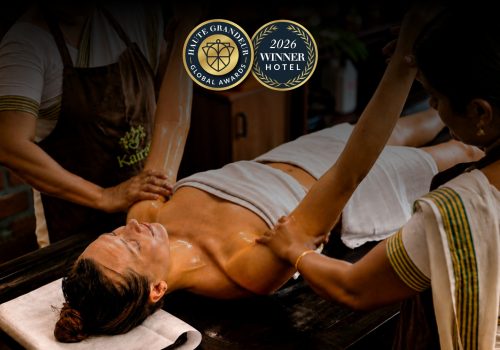
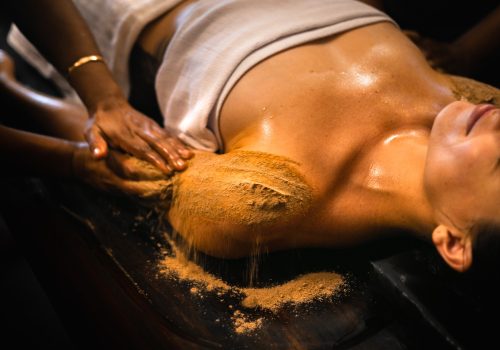
Abhyanga, or Ayurvedic oil application, is often recommended in Vata-focused routines.
Warm sesame oil is traditionally used, though the appropriate oil may vary by person, climate, and skin sensitivity.
Gentle oil application may feel grounding and soothing for some people. It should not be used over broken skin, infection, inflammation, or areas where massage has been medically restricted.
People with allergies or sensitive skin should test the product carefully.
7. Be careful with herbal recommendations
Herbs such as Ashwagandha, licorice, and chamomile are often suggested online for Vata balance.
They are not suitable for everyone.
Ashwagandha may interact with medication and is not advised during pregnancy or breastfeeding. Licorice can affect blood pressure and potassium levels. Chamomile may cause allergic reactions or interact with some medicines.
Herbal tea is not automatically harmless because it is traditional.
Regular use of herbs should be discussed with a qualified practitioner, especially when a person is pregnant, breastfeeding, taking medication, or managing a diagnosed condition.
Vata balance does not mean eliminating Vata
Vata is necessary.
Without movement, there would be no breathing, speech, circulation, elimination, or mental responsiveness.
The goal in Ayurveda is not to remove Vata. It is to prevent its qualities from becoming excessive or irregular.
This is why Vata care often focuses on warmth, nourishment, routine, rest, and steadiness.
How Vata is assessed at Kairali
At Kairali – The Ayurvedic Healing Village in Palakkad, dosha assessment forms part of a wider physician consultation.
The physician may consider constitution, current symptoms, digestion, sleep, strength, medical history, and medication use before recommending food, therapies, or daily routines.
The Healing Village is an NABH-accredited Ayurvedic hospital. Treatment is individualised and should not be based only on an online dosha label.
A more useful way to understand Vata
Vata is best understood as Ayurveda’s principle of movement and variability.
It can help explain why some people respond well to warmth, routine, cooked food, and periods of rest. It can also provide a framework for observing patterns such as irregular appetite, dryness, disturbed sleep, or overstimulation.
But it should not become a label that explains everything.
Ayurveda begins with the individual. Constitution matters, but so do current symptoms, age, season, environment, and medical history.
The practical lesson is simple:
When life becomes too cold, dry, fast, or irregular, more warmth, nourishment, and consistency may help restore steadiness.