





























In Ayurveda, Kapha doṣa is one of the three principal functional patterns used to understand the body and mind. The other two are Vāta and Pitta.
Kapha is traditionally associated with the elements of earth and water. It is described through qualities such as heaviness, stability, coolness, softness and cohesion.
These qualities help explain why Kapha is often linked with structure, steadiness and lubrication within the Ayurvedic framework.
When Kapha is balanced, Ayurveda associates it with endurance, patience, emotional steadiness and physical strength. When Kapha qualities become excessive, the traditional picture may include heaviness, sluggishness, congestion or a tendency towards inactivity.
This is a traditional Ayurvedic framework, not a modern medical diagnosis.
What Does Kapha Mean in Ayurveda?
The Sanskrit word doṣa refers to a functional principle used in Ayurvedic assessment.
Kapha is understood as the stabilising principle.
Where Vāta is associated with movement and Pitta with transformation, Kapha is associated with structure and cohesion.
Ayurvedic practitioners consider Kapha when assessing characteristics such as body build, appetite, energy, sleep, emotional temperament and response to climate.
Importantly, everyone has all three doshas.
A person described as “Kapha dominant” does not have only Kapha. It simply means Kapha characteristics may be more prominent in their constitution, known as Prakṛti (individual constitution).
What Are Typical Kapha Qualities?
Ayurveda describes Kapha through qualities that resemble earth and water.
These include:
- heavy
- cool
- slow
- stable
- smooth
- soft
- moist
These qualities can be useful for understanding Ayurvedic recommendations.
The basic principle is that qualities are often balanced through their opposites.
For example, where Kapha is associated with heaviness and stillness, Ayurvedic guidance may emphasise lighter foods, regular movement, stimulation and variety.
But this should not become a rigid formula.
Season, age, climate, health status and an individual’s wider dosha pattern also matter.
What Does Balanced Kapha Look Like?
Within Ayurvedic theory, balanced Kapha is associated with steadiness.
A person with prominent Kapha qualities may be described as patient, grounded, dependable and calm.
Physically, they may have a naturally stronger or more solid build and may prefer routine and consistency.
These descriptions are broad Ayurvedic patterns rather than personality tests.
One of the common mistakes in popular wellness culture is to turn the doshas into fixed identities: “Kapha people are this,” or “Vāta people always behave that way.”
Ayurveda is more nuanced than that.
Constitution describes tendencies, not destiny.
What Happens When Kapha Becomes Excessive?
Ayurvedic texts describe an increase in Kapha qualities as a state of greater heaviness, coolness, moisture and stagnation.
In everyday terms, someone may experience a sense of sluggishness, reduced motivation or increased heaviness.
Congestion is also traditionally associated with Kapha.
However, symptoms such as persistent fatigue, unexplained weight change, breathing difficulty or recurrent congestion should not simply be attributed to a dosha imbalance.
They may require medical assessment.
Ayurvedic interpretation is most useful when it complements appropriate medical evaluation rather than replacing it.
How Is Kapha Traditionally Balanced?
Ayurvedic approaches to Kapha usually work with the principle of introducing opposite qualities.
That means encouraging warmth, movement, stimulation and relative lightness where appropriate.
The exact recommendations vary from person to person.
1. Favour Warm, Lighter Meals
Traditional Ayurvedic guidance for increased Kapha often favours warm, freshly prepared and relatively light meals.
Vegetables, pulses, lighter grains and warming spices may be used depending on the individual.
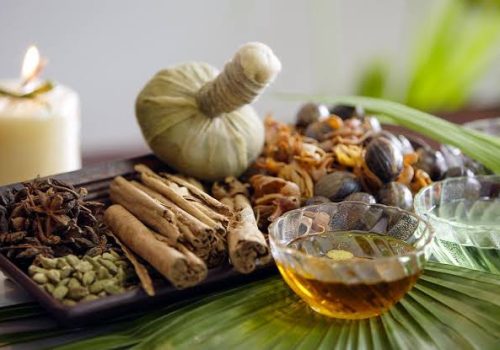
Spices such as ginger, black pepper and cumin are commonly used in Ayurvedic cooking.
Heavy, excessively oily or very cold foods may be reduced when they contribute to a sense of heaviness.
This is not a universal Kapha diet.
Food choices should still account for digestion, medical conditions, climate and nutritional needs.
2. Make Movement Part of the Routine
Because Kapha is associated with stability and stillness, regular movement is traditionally considered important.
Walking, yoga and other forms of exercise may help create a more active daily rhythm.
The type and intensity of activity should depend on age, fitness level and health status.
Ayurveda does not require strenuous exercise simply because someone has Kapha characteristics.
The more useful principle is consistency.
Regular movement can be more appropriate than occasional extremes.
3. Introduce Variety
Kapha is often associated with familiarity and routine.
Routine can be valuable, but too much repetition may also reinforce inertia.
Ayurvedic lifestyle guidance therefore sometimes encourages variety.
That might mean changing an exercise routine, learning something new, travelling, altering a daily schedule or simply becoming more open to unfamiliar experiences.
The purpose is not constant stimulation.
It is to prevent stability from becoming stagnation.
4. Pay Attention to Sleep and Daily Rhythm
Sleep is essential for health, regardless of dosha.
Ayurveda also considers both the timing and amount of sleep when assessing Kapha.
Excessive daytime sleeping may traditionally be discouraged when heaviness and sluggishness are already prominent.
But sleep needs vary considerably from person to person.
Persistent sleepiness or fatigue should not automatically be interpreted as a Kapha problem, particularly when it is new or unexplained.
5. Use Self-Care Practices Thoughtfully
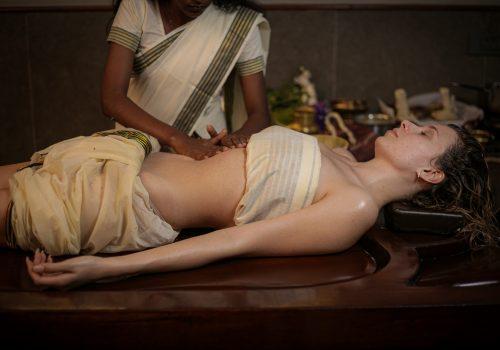
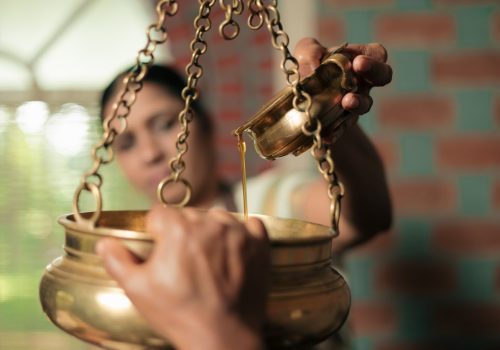
Ayurvedic daily routines may include practices such as oil massage, herbal preparations and other forms of body care.
But these should not be approached as universal recommendations.
For example, Abhyanga (oil massage) may be suitable in some contexts, while other traditional practices may be selected differently depending on constitution, season and current imbalance.
Herbal teas are another common part of Ayurvedic lifestyle practice.
Ingredients such as ginger, fennel or tulsi may be used traditionally, but herbs can still have contraindications and interactions.
“Natural” does not mean appropriate for everyone.
Kapha and the Seasons
Kapha is also considered in relation to climate.
Cool, damp and heavy environmental conditions are traditionally thought to increase Kapha qualities.
Spring is therefore often discussed in Ayurvedic seasonal guidance as a period when Kapha may become more prominent.
This is one reason Ritucharya, or seasonal living, matters in Ayurveda.
A recommendation that suits one season may not be appropriate in another.
Likewise, a person living in humid Kerala will not necessarily need the same routine as someone experiencing a dry European winter.
Ayurvedic guidance makes more sense when climate is considered alongside constitution.
Kapha at Kairali, The Ayurvedic Healing Village
At Kairali – The Ayurvedic Healing Village in Palakkad, Kerala, dosha assessment forms part of a wider physician-led Ayurvedic consultation.
The aim is not simply to label someone “Kapha.”
A practitioner considers Prakṛti (constitution), Vikṛti (current imbalance), digestion, sleep, lifestyle, season and other health factors before making recommendations.
That distinction is important.
Ayurveda is not intended to be reduced to online dosha quizzes or generic food lists.
Its traditional clinical approach is individualised.
Kapha Is a Framework, Not a Personality Label
Kapha is best understood as one part of Ayurveda’s broader system for observing patterns in the body and mind.
Its qualities help explain why Ayurveda may recommend more movement, warmth or stimulation in some situations, and more rest or nourishment in others.
But Kapha should not become a fixed identity.
The goal is not to eliminate Kapha.
Ayurveda regards all three doshas as necessary.
The aim is balance: enough stability without stagnation, enough strength without excessive heaviness, and enough routine without becoming resistant to change.
That is the more useful way to understand Kapha dosha within Ayurvedic practice.