




















Returning home after an Ayurvedic program is when the real transformation begins. Those first 30–45 days determine whether you keep the calmer mind, easier digestion, and better sleep you felt on retreat—or slip back into old patterns. This guide is designed for solo female travelers who want a realistic, science-aligned, and tradition-respectful plan: simple morning and evening routines, warm and seasonal meals, safe supplement sourcing, and scheduled follow-ups that keep you accountable. You’ll learn exactly how to adapt during your menstrual cycle, what to do on travel days, and how to spot red flags that warrant practitioner support. No extremes or expensive gadgets—just steady, sustainable habits that protect your results and fit a busy life.
Why post-retreat care matters
Ayurvedic therapies open the body’s natural channels, reset digestion, and calm the nervous system. The next 30–90 days determine how much of that reset “locks in.” Think of this as integration: small, consistent home choices that stabilize sleep, appetite, mood, and menstrual comfort.
If you stayed at Kairali Ayurvedic Palakkad, your practitioner likely gave you a discharge plan. This article complements that plan with step-by-step routines, safety checks, and scheduling for tele-consults.
A real transformation
Riya, 34, completed a 10-day program in Kairali for stress, sleep issues, and irregular cycles. At home she kept a 30-day routine (warm breakfasts, daily abhyanga, lights-out by 10pm) and scheduled tele-check-ins on day 7, 21, and 45. Her energy and sleep stabilized, cycles became predictable, and she kept the retreat glow—without extreme rules or expensive gear.
Daily Morning (30–45 minutes)
- Wake before sunrise (or by 6am). Sit up slowly; 3 deep breaths.
- Mouth care: tongue scraping + warm water sip.
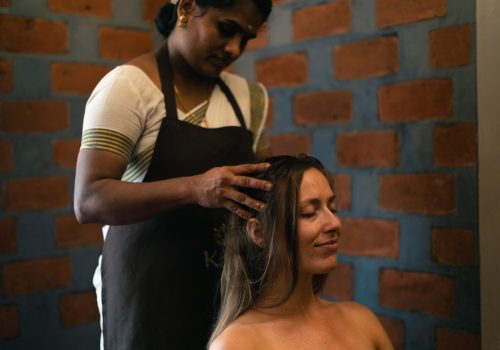
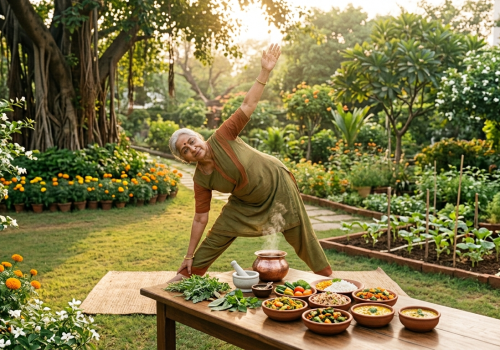
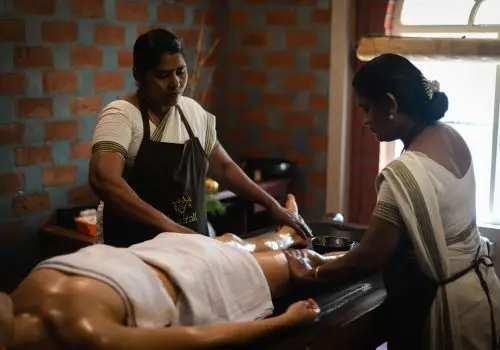
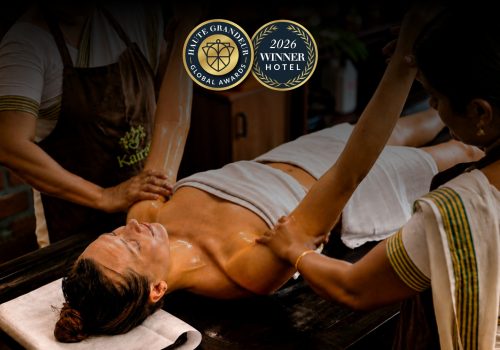
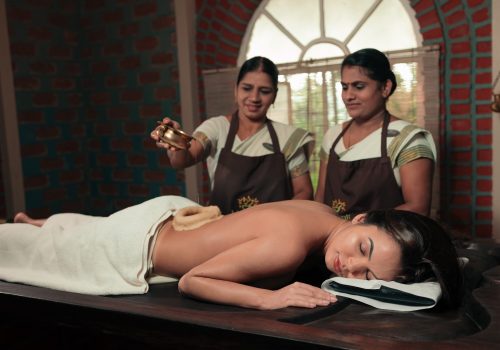
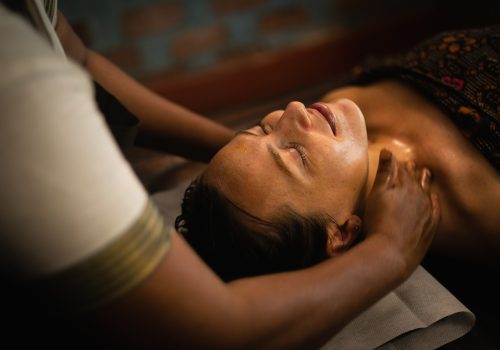
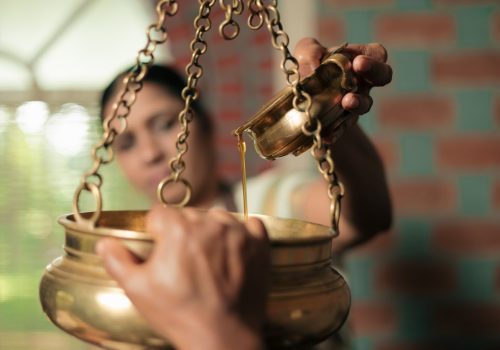
- Abhyanga (self-oil massage) 10–15 min: warm sesame or prescribed oil; gentle circular strokes on joints, long strokes on limbs.
- Warm shower, keeping the head last if advised.
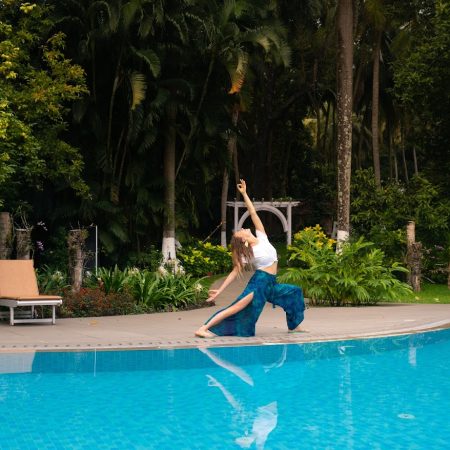
- Movement: 10–20 min—6 rounds Surya Namaskar or brisk walk.
- Breakfast: warm, simple, seasonal (e.g., thin kitchari, ragi porridge, stewed apples). Avoid iced drinks.
- Supplements/medications: only as prescribed; log dose/time.
Midday Anchors
- Main meal 12–2pm (largest meal of the day).
- Breath reset (2–3 min): inhale 4, exhale 6.
- Hydration: warm water or herbal infusions through the day.
Evening Wind-down
- Light dinner before 8pm (soups, soft grains, steamed veg).
- Digital sunset: screens off 60 min pre-bed.
- Journaling (5–10 min): note energy, mood, sleep, digestion, cycle day.
- Sleep by 10pm in a cool, dark room; avoid heavy late meals.
Weekly Rhythm (pick days that suit you)
- Meal prep: cook a base like kitchari/soup; freeze portions.
- Gentle dry-brushing + abhyanga once/week for circulation.
- Nature time: 30 min sun walk or greenery exposure.
- Metrics: track weight range, energy, bowels, sleep quality, PMS pain, stress (0–10).
Female-specific guidance (solo traveler focus)
- Cycle awareness: reduce intensity during menstrual days; choose restorative yoga, warm teas, iron-rich foods if advised.
- Menstrual comfort kit: hot water bag, warm sesame oil for light abdomen massage (if practitioner okays), ginger/fennel tea.
- Privacy & safety: keep supplements in labeled, lockable pouch when sharing accommodation; note local emergency contacts; maintain a simple log for any reactions.
- Travel days: carry a thermos for warm water, choose easily digestible foods (soft rice, lentils, bananas), and skip new/herbal experiments mid-journey.
Food compass (simple & sustainable)
- Favour: warm, cooked, mildly spiced, seasonal; ghee in moderation; lentils well-cooked; small portions of nuts; ripe fruits stewed if digestion is weak.
- Ease into: dairy and raw salads (if practitioner approves, add gradually at lunch only).
- Limit: excessive snacking, ultra-processed foods, cold/iced drinks, late dinners, caffeine after noon, alcohol while on active protocol.
- 3 easy ideas:
- Soothing kitchari: white/red rice + split moong + cumin + ginger + turmeric; pressure cook soft.
- Digestive soup: pumpkin or spinach blended with cumin + black pepper.
- Stewed apple: cinnamon + a bit of ghee for light mornings.
Movement & breath (15–25 minutes)
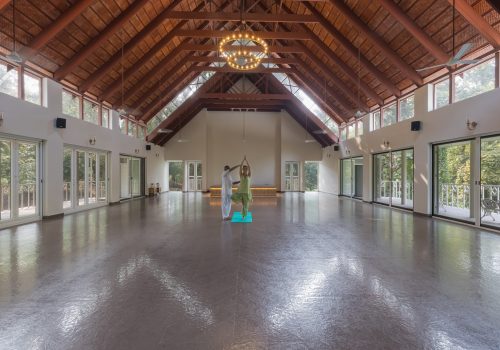
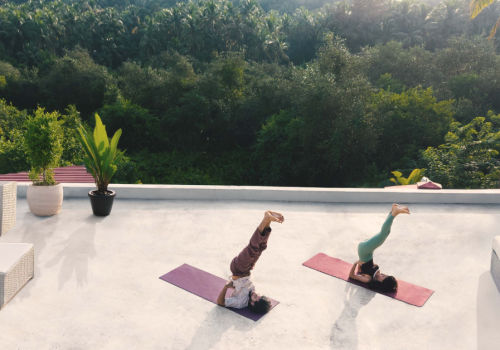
- Daily: cat–cow x10, forward fold hold, gentle twists, hip openers.
- Sun salutations: 4–6 rounds most days, skip during heavy flow.
- Pranayama: 8 cycles of 4–6 breathing; add alternate nostril breathing if trained.
- Mind care: 5-minute guided body scan or metta (loving-kindness) before bed.
Supplements: safe sourcing & smart use
Ayurveda uses herbs and classical formulations that must be properly sourced.
- Where to buy:
- AYUSH-licensed pharmacies or reputable Ayurvedic brands in your city.
- Official outlets from your retreat center or their verified e-store.
- If you visited Kairali Ayurvedic Palakkad, ask your practitioner about Kairali’s in-house formulations appropriate for your case.
- What to check:
- AYUSH license no., batch no., and expiry.
- Intact seals; clear ingredient list; dosage instructions.
- Avoid “miracle weight loss/detox” claims.
- How to take:
- Follow your discharge sheet exactly.
- Start one new item at a time; note any changes in digestion, sleep, skin, mood.
- Stop and seek guidance if you notice rash, palpitations, dizziness, persistent stomach upset.
- Drug interactions & pregnancy:
- Inform your practitioner about all allopathic meds, supplements, and if pregnant/trying.
Follow-up consultations: your timeline
Consistent check-ins keep you safe and on track. Recommended cadence:
- Day 7: settling-in review—bowel habit, sleep onset, energy swings, any reactions.
- Day 21: dosage tweaks; add/remove foods; adjust activity around the cycle.
- Day 30–45: consolidation—gradual reintroduction of raw foods/cold items if allowed; decide maintenance plan.
- Every 6–8 weeks thereafter for 3–6 months if you had chronic concerns.
How to prepare:
- Keep a symptom & cycle log, photos of any skin reactions, and a 3-day food diary.
- Have your bottles on hand for label verification.
- Write 3 clear questions (sleep, digestion, menstrual comfort, stress).
Ready to book a follow-up with our team?
If you experienced care at the best Ayurvedic retreat in Kerala or are planning the Ayurvedic retreat for solo women travelers at Kairali, schedule your practitioner tele-consult to personalize this plan.”
Home kit (budget-friendly)
- Tongue scraper (steel).
- 250–500 ml prescribed massage oil (sesame or medicated).
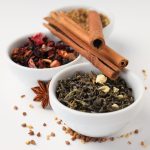
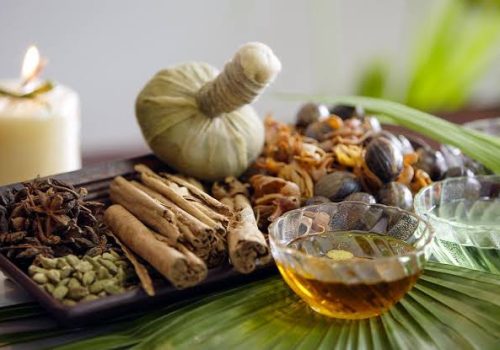
- Thermos for warm water; basic spice kit (cumin, ginger, turmeric, black pepper, fennel).
- Small notebook + pen for logs.
- Hot water bag; eye mask for sleep.
- Lockable pouch for meds/supplements when traveling.
Troubleshooting (quick fixes)
- Bloating or heavy stomach: lighter dinners; ginger-fennel tea; short walk after meals; review portion sizes.
- Constipation: more warm water; add ghee to lunch; soaked raisins in the morning; check iron/herb doses.
- Low energy afternoons: check lunch quality, add short breath reset; avoid sweet snacks + coffee—try warm lemon water.
- Cravings at night: warm milk with nutmeg (if suitable) or chamomile; earlier, lighter dinner.
- Sleep breaks at 2–3am: reduce evening screens; small portion of complex carbs at dinner; extend evening breathwork to 5 minutes.
Red flags—seek help promptly: fever, persistent/worsening pain, allergic rash, fainting/dizziness, palpitations, prolonged digestive distress.
For solo women: privacy, safety, boundaries
- Keep a health boundary script for social events: “I’m on a 30-day plan; I’ll pass on alcohol/dessert for now.”
- Share your tele-consult schedule with a trusted friend/family member.
- Store supplements out of shared kitchen areas; maintain photos of labels.
- During travel, choose warm, familiar foods—avoid trying new herbs or strong therapies away from your practitioner.
Why Kerala—and Kairali—work so well
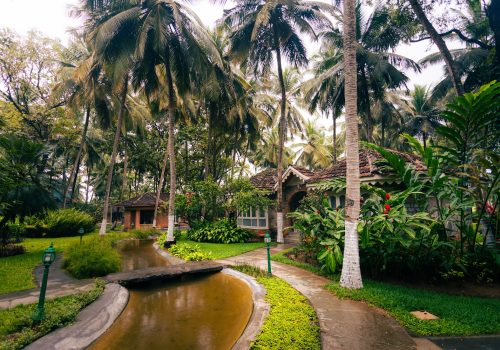
Kerala’s climate, culinary traditions, and generational Vaidya knowledge make it a global hub for authentic Ayurveda. At Kairali Ayurvedic Palakkad, therapies, meals, rest, and nature time align to quiet the system—exactly what solo travelers seek. That’s why many guests call it the best Ayurvedic retreat in Kerala for genuine, non-gimmicky care—especially solo women prioritizing safety, privacy, and results that last back home.
Final word
Whether you just left Kairali Ayurvedic Palakkad or another trusted center in Kerala, the simplest habits—warm food, daily abhyanga, steady breathwork, and timely follow-up consultations—are what keep the glow going. Keep this guide handy, download the checklist, and give yourself the gift of consistent care. Book doctor consultation now at +91-9555156156 or visit www.ktahv.com
About the Author
Gita Ramesh is a globally respected figure in the world of Ayurveda, known for her groundbreaking work in Ayurvedic spa therapies, wellness hospitality, and diet-based healing. As the Co-Founder and Joint Managing Director of Kairali Ayurvedic Group, she has played a pivotal role in shaping Kairali’s unique blend of traditional Ayurvedic healing with modern wellness sensibilities.
A passionate advocate of holistic living, Mrs. Ramesh is also the celebrated author of “The Ayurvedic Cookbook”, which reintroduces food as medicine through Ayurvedic nutrition. Her deep knowledge of Panchakarma, therapeutic wellness, and women’s health has inspired global audiences to embrace Ayurveda as a sustainable lifestyle practice.