

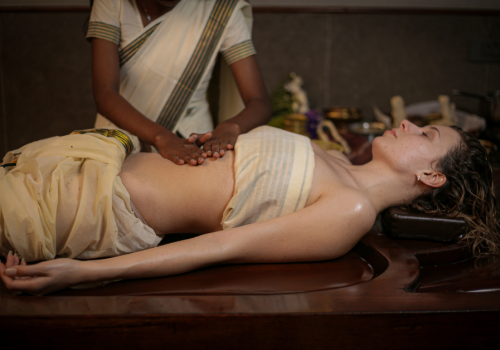































Poor sleep, irregular eating habits, and persistent stress often occur together. A disrupted routine can affect how we eat, rest, and feel throughout the day.
Ayurveda approaches these concerns by looking at daily habits, digestion, sleep patterns, and individual health needs.
At Kairali, The Ayurvedic Healing Village in Palakkad, Kerala, a 21-day Ayurvedic wellness programme brings these principles together through physician-guided care, dietary planning, yoga, and traditional practices.
The aim is to establish a more consistent daily routine while giving individuals time to understand their health and lifestyle patterns.
Why Focus on Gut Health, Sleep and Mood Together?
Digestion, sleep, and emotional well-being are closely connected aspects of everyday health.
Stress may influence appetite and digestive comfort. Poor sleep can affect concentration, mood, and daily energy levels. Irregular meal timings may also make it difficult to maintain comfortable eating and sleeping habits.
Ayurveda considers these factors through an individualised approach.
Two important concepts are agni, the Ayurvedic understanding of digestive and metabolic function, and dinacaryā, a structured daily routine.
Rather than focusing on one symptom in isolation, Ayurvedic practitioners consider how food, rest, movement, and daily habits fit together.
1. Establishing a Consistent Daily Routine
A regular daily schedule is central to Ayurvedic lifestyle practice.
The concept of dinacaryā encourages consistency in waking, eating, physical activity, and sleep.
At Kairali, daily routines form part of the residential wellness experience. Guests follow a structured schedule that includes meals, rest, therapies, and guided activities.
The emphasis is on practical habits that can be continued beyond a residential programme.
Simple changes, such as eating at regular times and maintaining a consistent bedtime, can provide a useful starting point.
2. Supporting Digestive Wellness Through Ayurveda
Ayurveda gives particular importance to digestion.
The concept of agni is used to describe digestive and metabolic processes within traditional Ayurvedic theory.
Practitioners consider eating patterns, appetite, food preferences, and digestive comfort when providing dietary guidance.
At Kairali, personalised meals and Ayurvedic dietary principles form part of the wellness experience.
Food recommendations may take into account individual constitution, daily routine, and the supervising physician’s assessment.
The focus is on developing more consistent eating habits rather than following restrictive diets or making exaggerated claims about cleansing the body.
3. Improving Sleep Habits Through Daily Practice
Sleep is an important part of physical and emotional well-being.
In Ayurveda, nidrā (sleep) is considered one of the essential foundations of health.
Traditional lifestyle guidance places importance on regular sleeping hours, appropriate evening routines, and sufficient rest.
At Kairali, yoga, meditation, and scheduled rest are included within the broader residential experience.
These practices may help participants establish a calmer daily routine.
Although some research suggests that certain relaxation practices may support sleep quality, evidence for specific Ayurvedic therapies remains limited.
Persistent sleep problems require appropriate medical evaluation.
4. Understanding Stress and Emotional Well-Being
Emotional well-being is influenced by several factors, including sleep, daily demands, physical activity, and social circumstances.
Ayurvedic lifestyle practices encourage individuals to examine how these factors affect their everyday routines.
At Kairali, guided yoga and meditation provide opportunities for gentle movement, breathing exercises, and relaxation.
These practices can complement a broader approach to stress management.
However, a residential wellness programme should not be regarded as a replacement for professional mental healthcare when it is needed.
5. The Role of Personalised Ayurvedic Care
An important feature of Ayurvedic healthcare is individual assessment.
In traditional practice, physicians may consider prakṛti (individual constitution), vikṛti (the current state of imbalance), lifestyle habits, and health history before recommending appropriate practices.
At Kairali, The Ayurvedic Healing Village, physician-led consultation helps guide the selection of therapies and daily routines.
Depending on individual suitability, an Ayurvedic programme may include traditional oil therapies, selected Panchakarma procedures, dietary guidance, yoga, and meditation.
Panchakarma is a group of classical Ayurvedic procedures that requires qualified supervision. It is not appropriate for everyone.
What Can 21 Days of Ayurvedic Wellness Offer?
A 21-day residential programme provides an extended period in which participants can follow a consistent routine with professional guidance.
It offers time to observe eating habits, sleep schedules, activity levels, and responses to different wellness practices.
However, 21 days is not a scientifically established timeframe for restoring gut health, improving sleep, or changing emotional well-being.
Outcomes vary according to individual circumstances, and some concerns may require longer-term medical care.
The value of a structured programme lies partly in helping participants understand which habits are practical and sustainable in everyday life.
The Kairali Approach to Ayurvedic Wellness
Kairali Ayurvedic Group was founded in 1989 by K.V. Ramesh and Gita Ramesh and draws on four generations of Ayurvedic practice within the founders’ family.
Its flagship property, Kairali, The Ayurvedic Healing Village, is an NABH-accredited Ayurvedic hospital-resort located in Palakkad, Kerala.
The property combines physician-led Ayurvedic care with residential accommodation, dietary guidance, yoga, meditation, and traditional therapies.
Its 21-day wellness approach provides a structured setting for exploring the relationship between daily habits, digestive well-being, rest, and emotional balance.
Final Thoughts
Improving daily well-being does not always begin with major lifestyle changes.
Regular meals, adequate sleep, suitable physical activity, and consistent routines are useful foundations for health.
Ayurveda brings these elements together through an individualised approach that considers a person’s circumstances and needs.
At Kairali, the 21-day programme provides an opportunity to explore these practices in a supervised residential setting.
The longer-term goal is not to promise a complete health reset within a fixed number of days, but to help individuals develop a better understanding of the habits that support their everyday well-being.
Website: www.ktahv.com
Call: +91-9555156156