






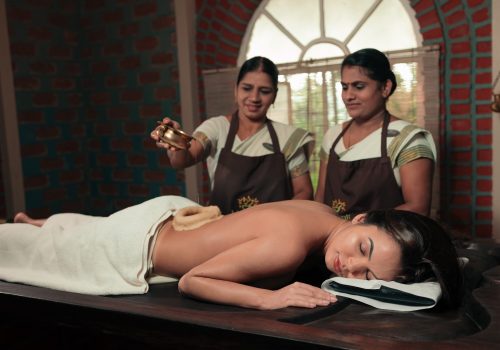

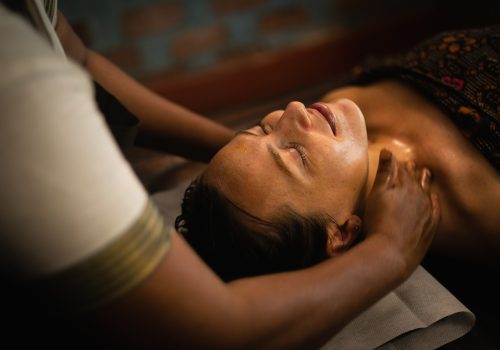
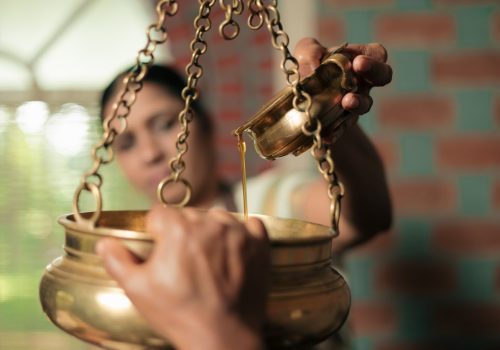
















In Kerala, the monsoon is more than a change in weather.
For generations, the Malayalam month of Karkidakam, which usually falls between mid-July and mid-August, has been associated with rest, dietary restraint and renewed attention to health.
Ayurveda has its own explanation for why this period matters.
The monsoon brings cooler temperatures, high humidity and marked changes in digestion, appetite and daily routine. Classical Ayurvedic thinking regards these seasonal shifts as important because the body does not respond to every climate in the same way.
Karkidakam therefore became a period in which people traditionally paid closer attention to food, digestion, oil therapies, rest and physician-guided Ayurvedic care.
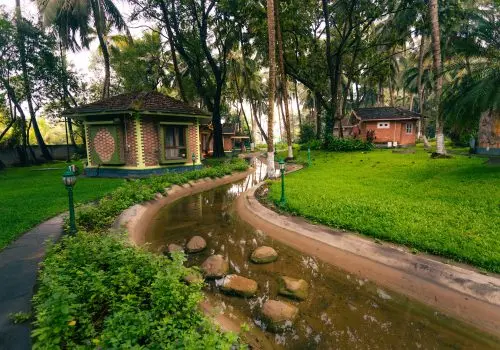
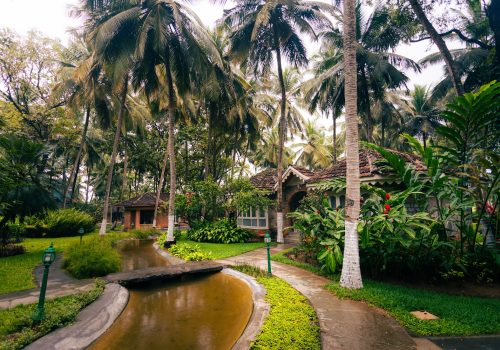
At Kairali, The Ayurvedic Healing Village in Palakkad, Kerala, monsoon care is approached within this wider seasonal framework rather than as a generic “detox.”
What Is Karkidakam?
Karkidakam is the final month of the traditional Malayalam calendar and falls during Kerala’s monsoon season.
The weather is typically wet, humid and relatively cool compared with the preceding summer months.
Ayurveda pays close attention to these environmental qualities.
During the rainy season, traditional texts describe changes in Agni, or digestive capacity, as well as shifts in the balance of the doṣas (functional principles).
The practical response is not to follow one universal prescription.
Instead, diet, therapies and daily routine are adjusted according to the individual, the climate and the person’s current state of health.
Why Monsoon Has a Special Place in Kerala Ayurveda
Kerala’s monsoon has long been associated with Ayurvedic seasonal care.
Part of the reason is practical.
The cooler climate may make oil-based therapies and warm treatments more comfortable than they are during the hottest months of the year.
The rainy season is also traditionally seen as a time when digestion may become more irregular and routines need greater attention.
This is where Ritucharya, Ayurveda’s system of seasonal living, becomes relevant.
Ritucharya does not say that everyone needs the same treatment during monsoon. It asks practitioners to consider how the season is affecting the individual and to adapt diet, movement, rest and therapies accordingly.
Is Karkidakam the Best Time for Panchakarma?
Karkidakam is often marketed today as the “best” time for Panchakarma.
The reality is more nuanced.
Panchakarma is a group of physician-supervised Ayurvedic procedures used selectively according to constitution, health status and clinical need.
Season can influence when a practitioner considers certain therapies appropriate, but it is not the only factor.
A person should not undergo Panchakarma simply because it is monsoon season.
At a physician-led setting such as Kairali, the decision depends on assessment.
A practitioner may consider constitution, current imbalance, digestion, age, strength, medical history and the purpose of treatment before recommending any Panchakarma procedure.
This distinction matters because Panchakarma is not a spa treatment and should not be reduced to a seasonal “detox package.”
The Role of Agni During Monsoon
One of the central Ayurvedic concerns during the rainy season is Agni, or digestive capacity.
In Ayurvedic theory, changes in climate, humidity and routine can influence appetite and digestion.
For that reason, monsoon diets are often simpler, warmer and easier to digest.
Freshly prepared foods, warm meals and appropriate spices may be preferred to excessively heavy, oily or cold foods, depending on the person.
The purpose is not to follow a fashionable cleanse.
It is to support digestion at a time when the body may be responding differently to the environment.
Karkidaka Kanji: Food as Seasonal Practice
One of Kerala’s best-known Karkidakam traditions is Karkidaka Kanji, a seasonal rice porridge prepared with herbs and spices.
Recipes vary by household and region.
Some versions use red rice together with selected herbs and digestive spices, while others follow family or practitioner-specific formulations.
The significance of Karkidaka Kanji is not simply that it is a “medicinal food.”
It reflects a broader Ayurvedic idea: food should change with season, appetite and digestive capacity.
During a wet, humid month, a warm and relatively simple preparation may be more appropriate than rich or difficult-to-digest meals.
That principle is more important than treating any one recipe as a universal remedy.
Oil Therapies During the Monsoon
Oil-based therapies are closely associated with Kerala Ayurveda.
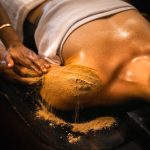
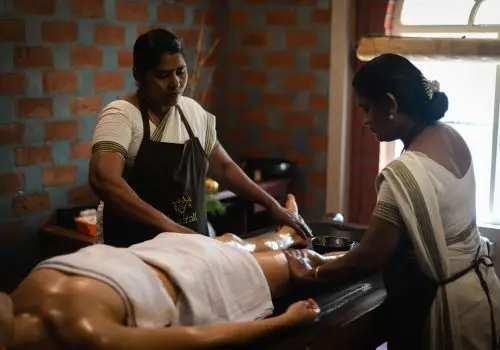
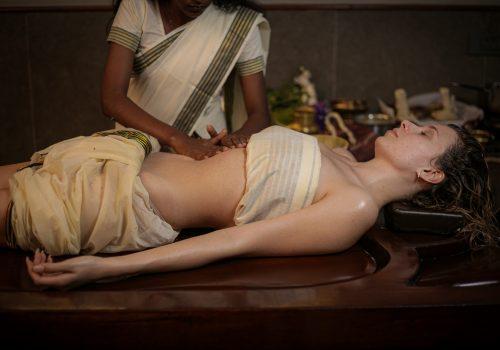
Abhyanga (oil massage), forms of fomentation and other external therapies may be included in Ayurvedic care during the monsoon when considered appropriate by a physician.
Again, the treatment is individualised.
The presence of rain outside does not automatically mean everyone needs the same oil, the same therapy or the same programme.
This is one of the important differences between a traditional clinical approach and a wellness package built around the season.
What Monsoon Care Looks Like at Kairali
At Kairali- The Ayurvedic Healing Village, Karkidakam is approached as part of a broader physician-led Ayurvedic system.
Kairali is an NABH-accredited Ayurvedic hospital, and treatment planning begins with assessment rather than a fixed seasonal protocol.
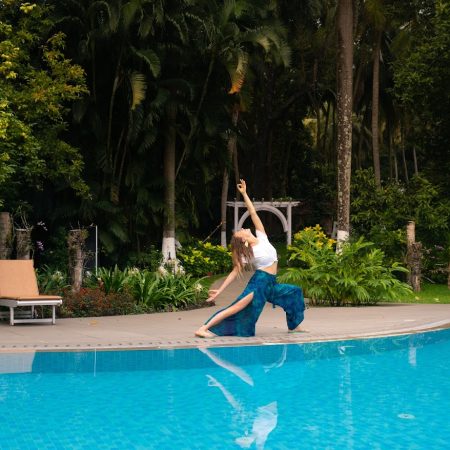
Depending on the individual, monsoon care may include dietary guidance, daily routines, yoga, selected oil therapies or Panchakarma procedures.
The emphasis is on appropriateness.
A person may need a structured therapy programme. Another may need simpler changes to food, sleep and routine. Someone else may be advised that a particular procedure is not suitable at that time.
That is closer to the logic of Ayurveda than assuming the season itself determines the treatment.
Monsoon Wellness Is Not the Same as “Detox”
The word “detox” has become deeply embedded in modern wellness marketing.
It is also one of the least precise ways to describe Ayurvedic care.
Ayurveda has specific concepts and procedures related to digestion, elimination, seasonal routines and Panchakarma. Flattening all of these into “detoxification” can make the tradition sound simpler than it is.
Karkidakam is better understood as a period of seasonal reassessment.
How is digestion changing?
Is sleep different?
Has activity reduced because of the rain?
Are meals becoming heavier than appetite can comfortably handle?
Does the person need more rest, or more movement?
These are practical questions.
They also reflect the wider Ayurvedic principle that health is influenced by the relationship between the individual and the environment.
Why Karkidakam Still Matters
Karkidakam remains relevant because it reminds us that health routines do not need to stay identical throughout the year.
Climate changes.
Appetite changes.
Energy changes.
Sleep and movement patterns change.
Ayurveda responds by asking people to notice those shifts and adjust accordingly.
In Kerala, Karkidakam provides a particularly clear expression of that idea.
It is not a guarantee of better health, and monsoon itself is not a treatment.
But it can be a useful time to reconsider routine, digestion, food and appropriate Ayurvedic care under qualified supervision.
At Kairali, that seasonal principle sits within a wider clinical approach: the treatment should follow the person, not simply the calendar.
Website: www.ktahv.com
Call: +91-9555156156