





















Kairali Ayurvedic Group has expanded its presence with the opening of a new Ayurvedic wellness centre in Jaipur.
Located in Vaishali Nagar, the centre brings Kairali’s approach to Ayurveda into an urban setting, making consultations and selected therapies more accessible to people who may not be able to travel to Kerala for a residential programme.
For Kairali, the Jaipur centre is not simply another location. It reflects a wider shift in Ayurveda itself: from destination-based wellness to care that can become part of everyday life.
Why Jaipur?
Jaipur is one of India’s fastest-growing wellness and healthcare markets.
The new Kairali centre is located in Vaishali Nagar and has four treatment rooms designed for Ayurvedic therapies and consultations.
The location also allows people in and around Jaipur to experience Ayurveda without planning a long residential stay.
That matters because not everyone needs, or can commit to, a retreat.
Some people may simply want to understand their constitution, improve daily routines, discuss diet and lifestyle, or explore whether a particular Ayurvedic therapy is suitable for them.
What the Jaipur Centre Offers
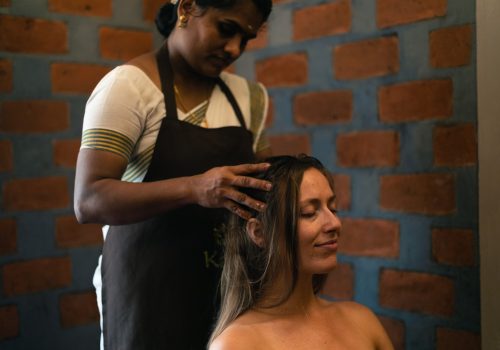
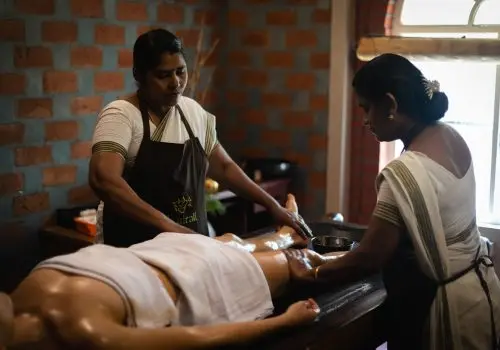
The centre provides Ayurvedic consultations along with a range of traditional therapies.
These include:
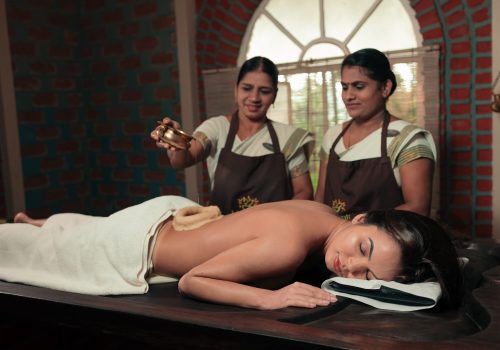
- Abhyanga, or Ayurvedic oil application
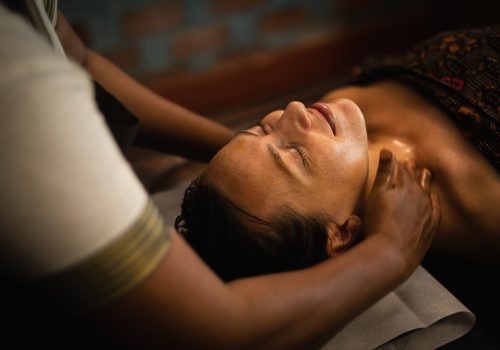
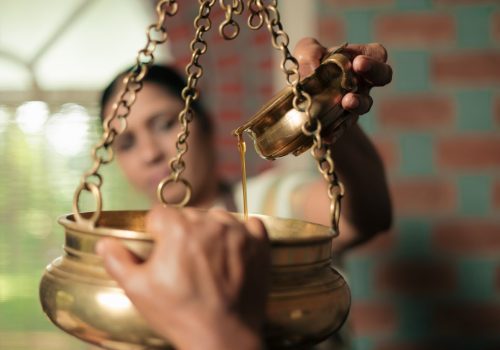
- Shirodhara
- Navarakizhi
- Panchakarma-related therapies
- Lifestyle and dietary guidance
The important point is that these therapies should not be treated as a standard menu.
In Ayurveda, the choice of treatment depends on the individual.
A qualified practitioner may consider constitution, digestion, symptoms, lifestyle, age and current health before recommending a therapy.
Why Individual Assessment Matters
Ayurveda is often simplified online into dosha quizzes, massage packages and fixed treatment plans.
Clinical Ayurveda is more detailed than that.
A person’s prakṛti, or constitution, is only one part of the assessment. Practitioners may also consider the person’s present imbalance, digestive strength, daily routine and other health factors.
This means two people with the same complaint may not receive the same advice.
That individual approach is one of the main differences between Ayurveda as a wellness experience and Ayurveda as a system of care.
Bringing Ayurveda Closer to Everyday Life
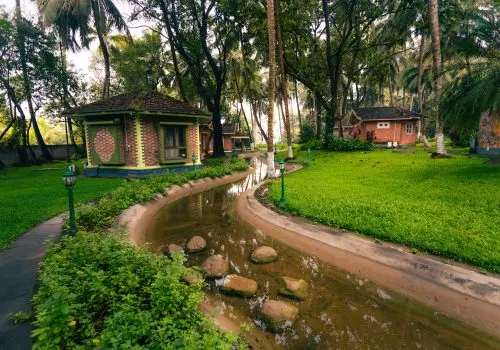
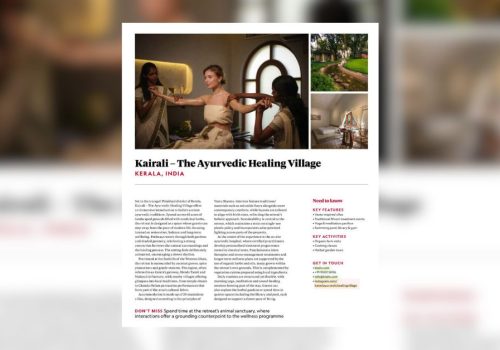
Kairali is best known for Kairali – The Ayurvedic Healing Village in Palakkad, Kerala.
A residential centre like Palakkad allows food, therapies, yoga, rest and daily routine to be planned within one environment.
A city centre works differently.
People continue with their jobs, family responsibilities and normal schedules. The role of Ayurveda therefore becomes more practical and more closely connected to daily life.
This makes urban centres important.
They allow people to build a relationship with Ayurvedic care without having to leave home for several days or weeks.
Understanding Panchakarma Properly
Panchakarma is one of the most recognised terms in Ayurveda, but it is also one of the most misunderstood.
It is often described simply as a “detox”.
That description is too broad.
Panchakarma is a supervised Ayurvedic process that may include several stages and procedures. The exact approach depends on the individual and should be decided after consultation.
Not everyone needs the same treatment, and not every Panchakarma procedure is suitable for every person.
This is why physician guidance matters.
Ayurveda Beyond Kerala
Kerala remains strongly associated with Ayurveda, especially for residential treatment programmes.
But Ayurveda has never belonged to only one region.
As more centres open in major Indian cities, the system becomes easier to access for people who want ongoing guidance rather than only a retreat experience.
The challenge is to make Ayurveda more available without making it more superficial.
Expansion should not mean turning the system into a list of standard treatments.
Qualified practitioners, proper assessment and realistic health claims remain essential.
The Role of Ayurvedic Products
Some Ayurvedic programmes may also involve herbal formulations.
Within Kairali Ayurvedic Group, these are produced by Kairali Ayurvedic Products Pvt. Ltd., whose manufacturing operation is WHO-GMP certified.
That certification relates to manufacturing standards.
It does not mean that every product is suitable for every person.
Herbal formulations can have contraindications and may interact with medicines. Anyone using them regularly should do so with appropriate professional guidance.
What the Jaipur Centre Represents
Kairali Ayurvedic Group was founded in 1989 by K.V. Ramesh and Gita Ramesh, building on a multigenerational family background in Ayurvedic practice.
The Jaipur centre extends that work into a different kind of setting.
It does not replace the residential model in Kerala.
Instead, it gives people another way to access Ayurveda.
For some, that may mean a consultation.
For others, it may mean a course of supervised therapies or help understanding how food, routine and lifestyle fit into an Ayurvedic approach.
A More Accessible Model of Ayurveda
The opening of Kairali’s Jaipur centre reflects a broader change in how people are engaging with Ayurveda.
More people want access to traditional systems of health, but they also expect clear explanations, qualified practitioners and realistic claims.
That is a positive shift.
Ayurveda does not need to become more dramatic to become more relevant.
It needs to become easier to understand, easier to access and more consistent in the standards used to deliver care.
Kairali’s Jaipur centre is one example of how that can happen.