

















For international visitors, travelling to India for a short yoga programme or Ayurvedic care once involved an avoidable uncertainty: would the purpose of the visit fit the available tourist-visa rules?
A policy change announced by India’s Ministry of Home Affairs on 2 June 2016 helped clarify that question. The government added short-term yoga programmes to the activities permitted under Tourist Visas and e-Tourist Visas. It also permitted short-duration medical treatment under Indian systems of medicine through the electronic visa framework.
The decision was significant for travellers seeking structured yoga education and systems of care such as Ayurveda. It recognised that many international visitors come to India not only for sightseeing, but also to study established health traditions or receive supervised treatment.
What changed in 2016?
Before the announcement, Tourist Visas were primarily associated with recreation, sightseeing and visits to friends or relatives.
The 2016 decision expanded the permitted activities.
Under the revised policy:
- foreign visitors could attend a short-term yoga programme using a Tourist Visa;
- short-term yoga programmes were also permitted under the e-Tourist Visa system; and
- short-duration medical treatment under Indian systems of medicine was included among the activities permitted through the electronic visa route.
The change did not create a single visa covering every form of yoga study or Ayurvedic treatment. Rather, it recognised these activities within India’s wider visa framework.
Later government visa guidance defined a short-term yoga programme as one lasting no more than six months and not leading to a qualifying certificate or diploma.
Longer academic courses, formal qualifications and extended medical treatment may require a different visa category.
Why the change mattered for yoga students
India is a destination for many kinds of yoga travel.
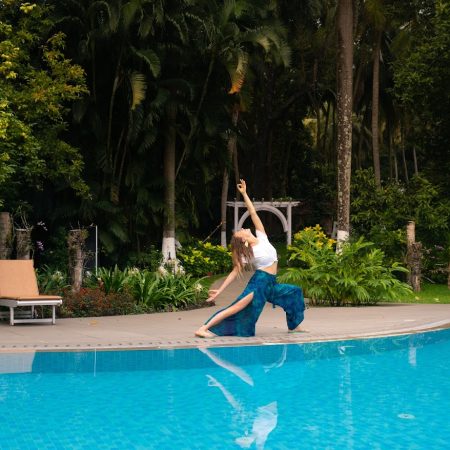
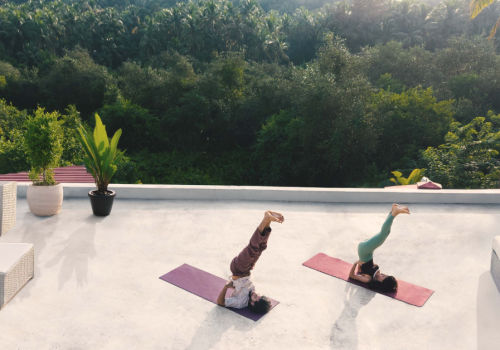
Some visitors attend residential retreats lasting a few days. Others enrol in structured programmes covering āsana, or physical postures, breathing practices, meditation and yoga philosophy.
Before the visa rules were clarified, applicants could find it difficult to determine whether a short yoga course counted as tourism, education or another category of travel.
By explicitly permitting short-term yoga programmes under tourist-visa categories, the government gave international students and participating institutions a clearer route.
The change also reduced the risk of visitors entering India under a visa that did not accurately reflect their intended activity.
What it meant for people seeking Ayurvedic care
The inclusion of short-duration treatment under Indian systems of medicine was equally important.
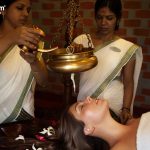
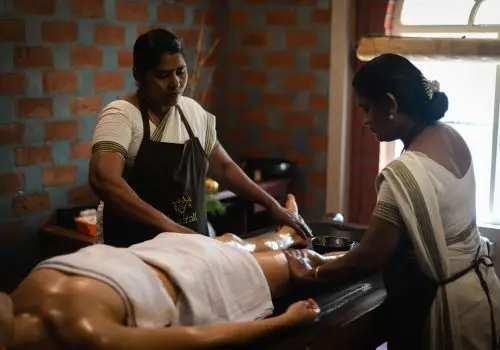
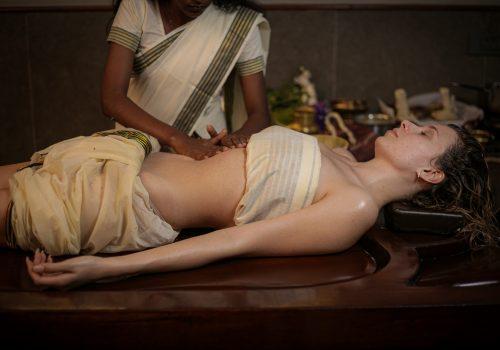
Ayurvedic programmes often require more time than a conventional leisure holiday. A residential stay may begin with a physician consultation and include individually selected therapies, dietary guidance, prescribed routines and periodic medical review.
For international patients, visa duration and permitted activities can influence whether a programme can be completed appropriately.
The 2016 policy acknowledged that visitors may travel to India specifically for care within Indian medical systems. Subsequent visa guidance separated electronic visas into different categories, including an e-Tourist Visa for short yoga programmes and an e-Medical Visa for medical treatment, including treatment under Indian systems of medicine.
This distinction remains important. A traveller attending a general yoga retreat may not require the same visa category as someone travelling primarily for physician-supervised Ayurvedic treatment.
Yoga retreat or medical treatment?
The correct visa category depends on the actual purpose of the visit.
A short programme centred on yoga practice, recreation and general wellbeing may fall within the tourist framework, subject to current eligibility rules.
A visit whose principal purpose is medical treatment may require an e-Medical Visa or another medical-visa category. Government guidance recognises treatment under Indian systems of medicine within the medical-visa framework.
The distinction should be made according to what the traveller will actually do, not according to how the destination markets the programme.
A property may describe itself as a wellness retreat while providing clinically supervised Ayurvedic care. Conversely, a resort may use Ayurvedic terminology while offering services that are primarily recreational.
Travellers should ask the institution for a clear description of the programme and any documentation required for the appropriate visa application.
A welcome step for Ayurveda and yoga institutions
At the time of the announcement, Kairali Ayurvedic Group welcomed the policy change as a practical step for international visitors.
The group noted that clearer visa provisions could encourage more yoga students to travel to India and reduce the likelihood that participants would have to interrupt a course or treatment programme because of permit-related difficulties.
That practical concern remains relevant. A visa is not simply an administrative formality when a person is entering a structured residential programme. Its permitted purpose, duration and conditions should correspond with the planned stay.
For Ayurvedic institutions, this also creates a responsibility to describe programmes accurately. A general wellness stay should not be presented as medical treatment merely to support a visa application. Equally, a clinically supervised programme should not be reduced to tourism language when the traveller’s principal purpose is care.
Part of a broader shift in wellness travel
The 2016 decision came at a time when India was increasing its international promotion of yoga and systems such as Ayurveda.
It also reflected a wider change in travel behaviour. International visitors were increasingly travelling for experiences that did not fit neatly into conventional categories of tourism, education or healthcare.
A person might spend two weeks at a yoga institution, several weeks at an Ayurvedic hospital or combine a wellness programme with leisure travel. Visa policies needed to recognise these different purposes without treating every short course as formal education or every health-related stay as ordinary tourism.
The inclusion of yoga and Indian systems of medicine was therefore more than a procedural adjustment. It gave these forms of travel explicit recognition within national visa policy.
What international travellers should check today
Visa rules, eligible nationalities, permitted entry points, fees and stay conditions can change. Travellers should not rely on articles describing the 2016 announcement as a substitute for current government guidance.
Before applying, an international visitor should confirm:
- whether their nationality is eligible for an Indian e-Visa;
- whether the principal purpose is tourism, a short yoga programme or medical treatment;
- whether the planned programme meets the definition of a short-term course;
- whether an invitation or treatment letter is required;
- whether the chosen airport or seaport is an authorised entry point; and
- how long the selected visa permits them to remain in India.
Applications should be made only through the official Government of India visa system. The current e-Visa portal lists short-term yoga programmes among permitted activities and separately recognises medical treatment, including treatment under AYUSH systems.
Better access must be matched by responsible choices
Easier visa access can help more people study yoga and experience Ayurveda in India. It does not, however, determine the quality of the programme they choose.
Travellers should still examine practitioner qualifications, clinical supervision, institutional accreditation, programme structure and safety procedures.
For yoga students, the important questions include the qualifications of the teaching faculty, the curriculum and whether the course leads to a formal qualification.
For those seeking Ayurvedic treatment, the questions are more clinical: who conducts the assessment, how treatment is individualised, whether records are maintained and what systems are in place if a patient becomes unwell.
The 2016 visa reform removed one practical barrier. The responsibility for choosing an appropriate, credible institution remains with the traveller.
By formally recognising short yoga programmes and treatment under Indian systems of medicine, India made it easier for international visitors to state their purpose of travel accurately. That clarity supports not only tourism, but also a more organised and accountable relationship between travellers and the institutions receiving them.