














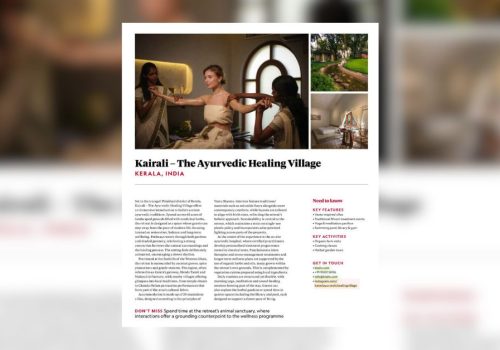





Kairali – The Ayurvedic Healing Village in Palakkad, Kerala, was featured by The Times of India in its January 20, 2014 article on “India’s 5 leading Ayurveda destinations.”
The feature placed Kairali alongside other Ayurveda and wellness destinations from across India and highlighted the growing role of Kerala in Ayurvedic tourism.
For Kairali, the recognition reflected an approach in which Ayurveda formed the centre of the residential experience rather than functioning only as a spa service.
Ayurveda in a Residential Setting
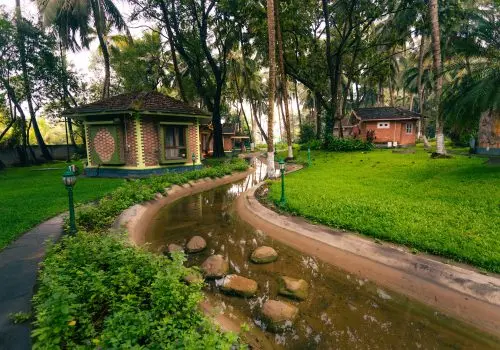
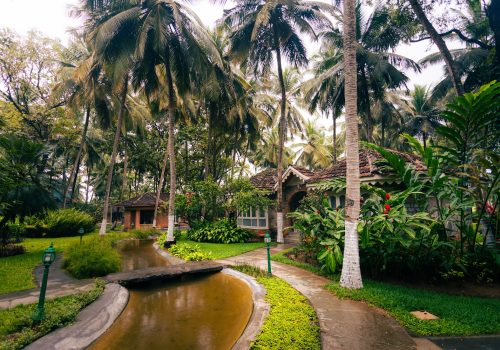
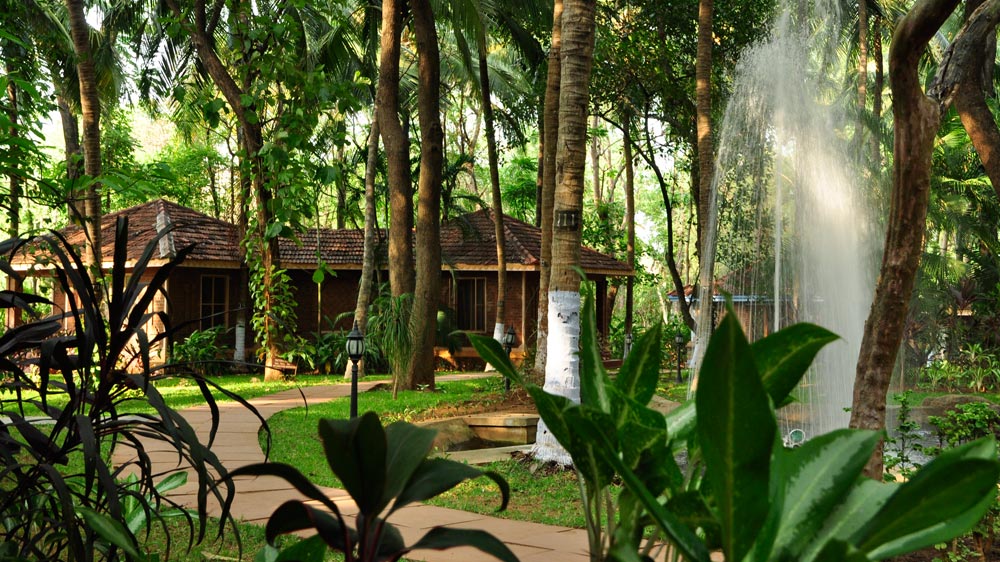
The Times of India article described Kairali’s location in Palakkad, surrounded by the landscape of Kerala and the Western Ghats. It also highlighted the property’s Ayurvedic focus and its development within the wider wellness-tourism sector.
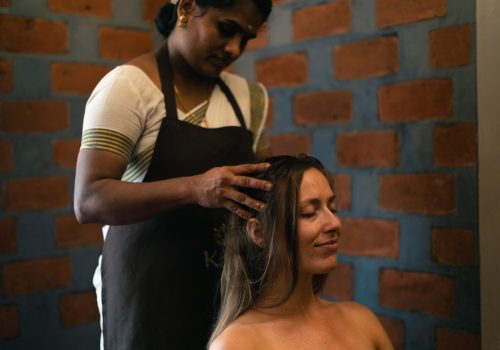
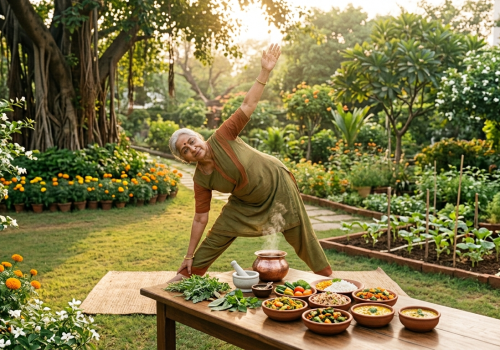
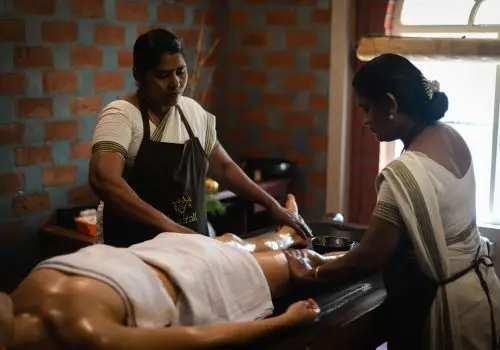
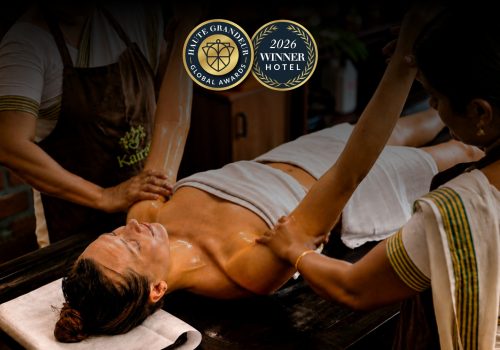
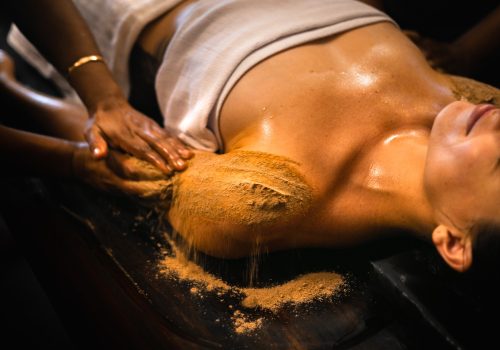
At Kairali, the residential model brings together Ayurvedic consultation, therapies, food, rest and daily routines within one setting.
This is an important distinction.
Ayurveda is not simply a collection of massages or relaxation treatments. In a structured Ayurvedic programme, the choice of therapies and daily routine is guided by an assessment of the individual.
The Growing Visibility of Ayurveda Tourism
The 2014 feature also captured a period when Ayurveda was becoming increasingly visible within Indian and international wellness travel.
Travellers were beginning to look beyond conventional resort experiences and explore longer stays focused on health, rest and traditional systems of care.
Kerala was particularly well placed within this movement because of its long association with Ayurvedic practice.
The Times of India feature reflected this growing interest by presenting Ayurveda destinations as part of India’s evolving wellness-tourism landscape.
Looking Back at the Feature Today
Some of the language used in wellness journalism at the time was considerably stronger than what would be appropriate today.
Claims that any therapy can guarantee the removal of illness or produce permanent results should be treated cautiously. Ayurveda, like any healthcare system, should be discussed with clear limits around what is established, what is traditionally practised and what requires further evidence.
That makes the most important part of the 2014 recognition not the stronger health claims quoted in the original article, but the wider acknowledgement of Ayurveda as a serious component of India’s wellness and health-travel sector.
Kairali – The Ayurvedic Healing Village
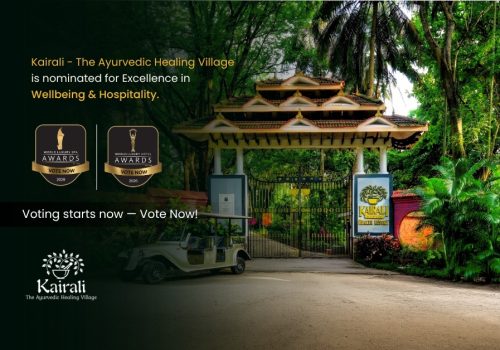
Today, Kairali – The Ayurvedic Healing Village continues to operate in Palakkad as an NABH-accredited Ayurvedic hospital and holds the Government of Kerala’s Green Leaf Certification.
Its approach remains centred on practitioner-led Ayurveda, with consultation, appropriate therapies, food and daily routine considered together within a residential setting.
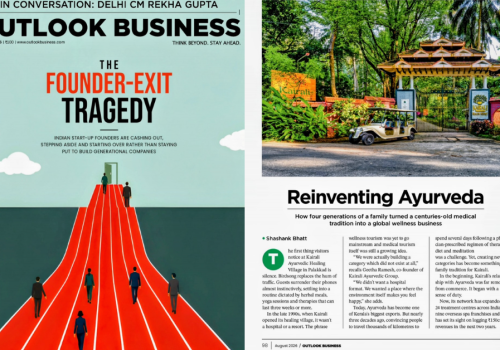
The 2014 Times of India feature therefore remains an interesting marker in Kairali’s history, documenting a period when Ayurvedic destinations were gaining wider national visibility and becoming an increasingly recognised part of India’s wellness-tourism landscape.





This gives a thoughtful perspective on Ayurveda and its long-term benefits. It’s interesting how global audiences value it more than locals. The point about prevention over expensive treatments really stands out and makes you rethink modern healthcare choices.
It’s inspiring to see a focus on natural healing, especially for women. Offering free consultations and relying on herbal remedies connects modern care with traditional wisdom, giving people safer, holistic options without the worry of side effects.
Great article! I agree that investing in Ayurveda is better than expensive surgeries later. The Healing Village in Palakkad seems like the perfect place for natural rejuvenation. Traditional herbal remedies are definitely the future of sustainable healthcare.
Kerala is truly the heart of Ayurveda, and seeing Kairali recognized globally is fantastic. It’s interesting how international travelers are embracing these ancient remedies. I love the focus on herbal treatments and sustainable health.
Your ability to find hope in difficult situations gives others strength