


















A massage appointment usually begins with a question about pressure: light, medium or firm.
An Ayurvedic therapy may begin somewhere quite different.
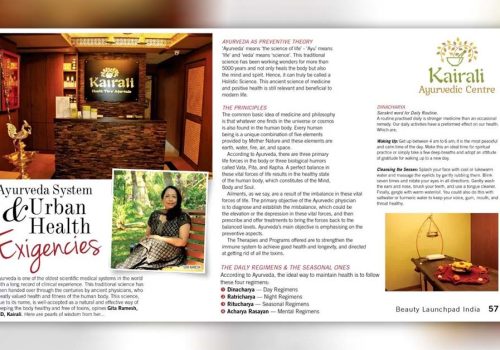
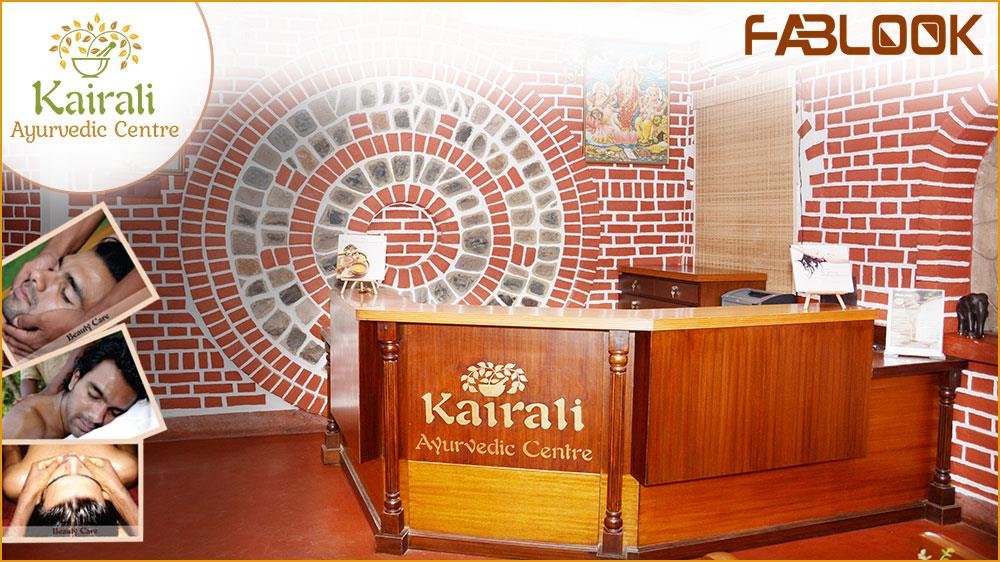
That distinction comes through clearly in a recent Fablook Magazine feature, in which one of the magazine’s executives visited a Kairali Ayurvedic Centre to experience Abhyanga, a classical Ayurvedic oil therapy.
What began as an assignment to experience a treatment became an introduction to a broader idea: in Ayurveda, the therapy itself is only one part of the process.
The treatment did not begin with oil
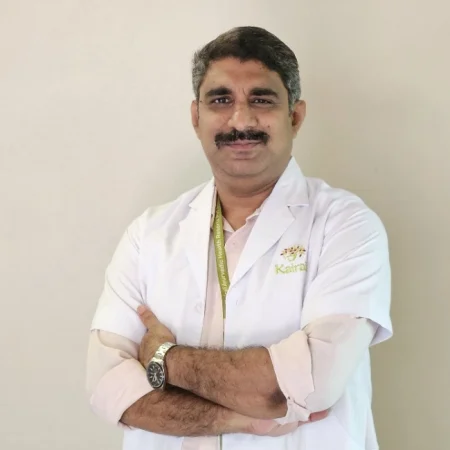
According to the magazine’s account, the visit started with a consultation with an Ayurvedic physician.
Before recommending a therapy, the physician discussed the visitor’s lifestyle, health concerns and individual constitution. The purpose was to understand the person before deciding how the therapy should be approached.
This is an important distinction between physician-led Ayurvedic care and a standardised spa treatment.
Ayurveda traditionally works from the premise that two people seeking help for similar concerns may not necessarily require the same approach. Factors such as constitution, current imbalance, lifestyle and general health can influence how care is planned.
The consultation, therefore, is not simply an introduction before the “main” treatment. It is part of the treatment process itself.
What happens during Abhyanga?
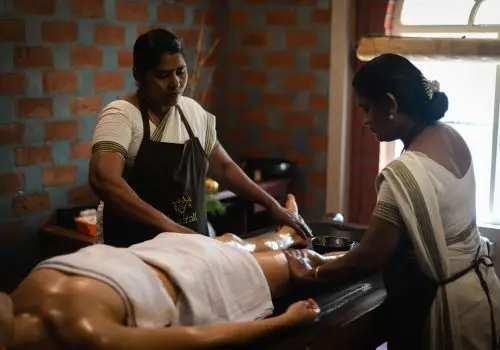
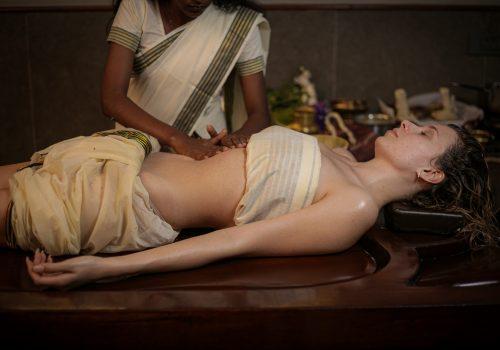
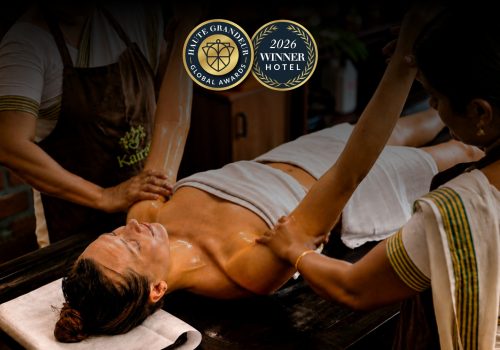
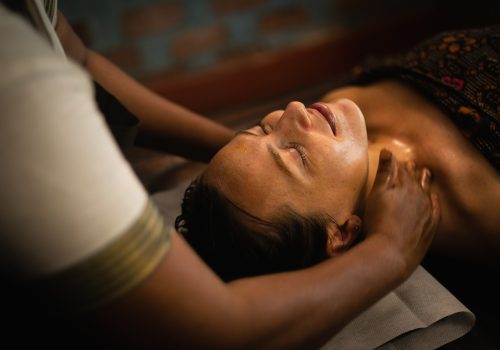
Following the consultation, the visitor experienced Abhyanga, a full-body oil therapy used within Ayurvedic practice.
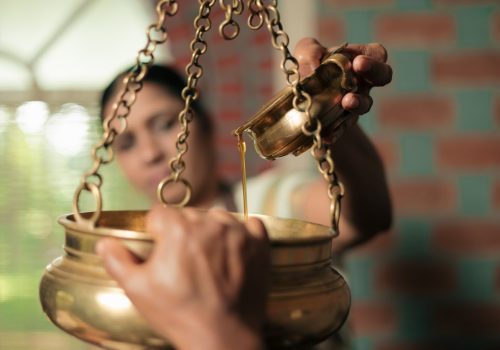
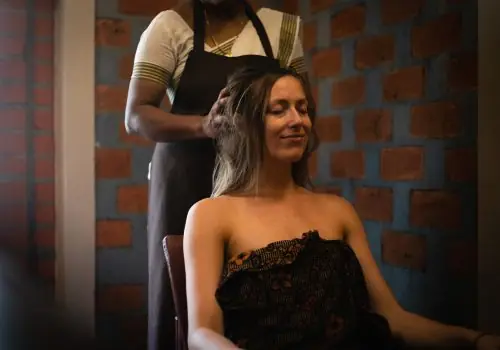
Warm herbal oils were applied by trained therapists using coordinated, rhythmic strokes. The therapy was followed by a traditional steam bath and post-treatment care.
The reviewer described the experience as deeply relaxing, but the structure surrounding the therapy is perhaps more revealing than the sensation of the massage itself.
The oil is not simply an aromatic addition. Within Ayurvedic practice, the choice of oil and the way a therapy is administered may vary according to the individual and the physician’s assessment.
That is why describing Abhyanga simply as an “Ayurvedic massage” can miss part of the picture.
Massage describes what the experience may look or feel like. Ayurveda places that experience within a wider system of assessment and personalised care.
Relaxation is only part of the story
For many people encountering Ayurveda for the first time, therapies such as Abhyanga are the most visible part of the tradition.
They are tactile, immediately understandable and often associated with relaxation.
But the Fablook review points to something less obvious.
The experience was structured as a sequence: consultation, assessment, therapy selection, oil application, steam and aftercare. Each stage had a place within the overall approach.
That matters because Ayurveda is frequently encountered today through the language of spas and wellness treatments. While relaxation may certainly be part of the experience, classical Ayurvedic practice is not built around relaxation alone.
It begins with understanding the individual.
Why personalisation matters in Ayurveda
Personalisation is one of Ayurveda’s defining principles.
Ayurvedic physicians traditionally assess factors such as prakriti (an individual’s constitutional characteristics) and vikriti (the present pattern of imbalance), alongside diet, digestion, sleep, daily routines and other aspects of health.
The aim is not to apply an identical treatment to everyone who walks through the door.
This does not mean that every Ayurvedic therapy will produce a particular health outcome, nor should a single magazine review be read as evidence of therapeutic effectiveness. Individual experiences vary, and the appropriateness of any Ayurvedic therapy should be assessed by a qualified practitioner.
What the Fablook account does illustrate well is the process.
The reviewer did not simply receive a massage chosen from a menu. The therapy followed an assessment and was placed within a broader framework of care.
A useful way to understand Ayurveda
For someone unfamiliar with Ayurveda, Abhyanga can be an accessible first encounter with the system.
But the most useful lesson may come before the first drop of oil is applied.
Ayurveda asks a different opening question. Rather than starting only with Which treatment would you like?, it begins by asking What does this particular person need?
That distinction helps explain why an apparently simple oil therapy can offer a much broader introduction to Ayurvedic thinking.
The Fablook review captures that shift particularly well. The memorable part of the visit was not simply that Abhyanga felt relaxing. It was the realisation that the therapy belonged to a larger, individualised process.
And that is often where a more serious understanding of Ayurveda begins.