












International wellness travel often arrives wrapped in large promises. A retreat will reset the body, clear the mind, restore balance and send the guest home transformed. The language is appealing, particularly to people carrying the effects of sustained work pressure, irregular sleep, frequent travel and habits that no longer support them.
The more useful question is not whether a retreat can transform a life in a few days. It is whether a carefully structured stay can help a person understand their routines more clearly, experience a different pace and return home with practices they can realistically maintain.
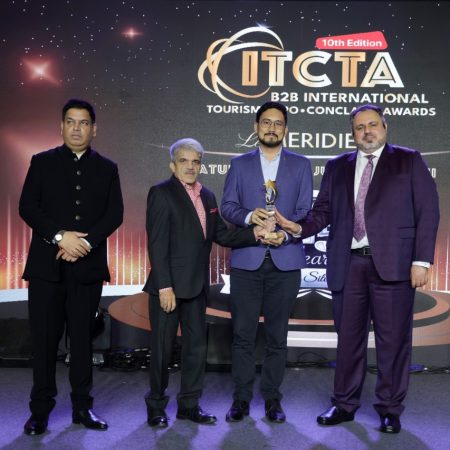
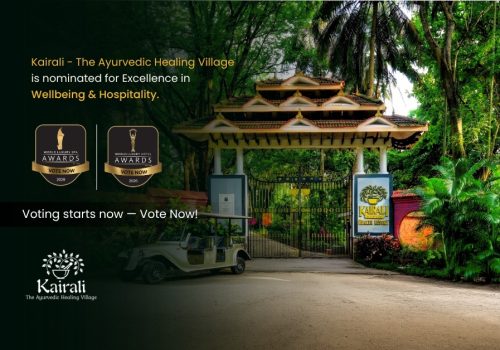
That is the perspective behind Kairali – The Ayurvedic Healing Village in Kodumbu, Palakkad. Kairali is an NABH-accredited Ayurvedic hospital-retreat that offers physician-led Panchakarma programmes within a classical Ayurvedic clinical framework. It also holds the Government of Kerala’s Green Leaf Certification and received four titles at the 2024 World Luxury Spa Awards, including Best Luxury Yoga & Wellness Retreat Worldwide.
These credentials matter, but they do not explain the experience on their own. The distinction lies in how the stay is organised: consultation before intervention, routine before novelty, and individual suitability before generic wellness advice.
The difference between a wellness break and an Ayurvedic stay
A conventional wellness holiday often allows guests to select treatments from a menu. An Ayurvedic stay begins from a different premise.
Ayurveda considers constitution, current imbalance, digestive capacity, sleep, appetite, activity and daily habits when planning care. This does not mean that every discomfort receives a simple Ayurvedic label, nor that one programme can address every health concern. It means the sequence of therapies, meals, rest and movement should be considered together rather than treated as unrelated services.
At Kairali – The Ayurvedic Healing Village, Panchakarma is offered within a physician-led setting. Pañcakarma refers to a group of classical Ayurvedic procedures used as part of a broader supervised programme. It is sometimes reduced in travel marketing to “detox,” but that description is too vague. Panchakarma is not a single treatment, and it is not appropriate for every guest in the same form.
A responsible programme begins with assessment. The physician considers what may be suitable, what may need modification and what should not be undertaken. The resulting schedule may include preparatory measures, oil-based therapies, rest, dietary adjustments and other procedures selected according to the individual.
This structure is important for international travellers who may be encountering Ayurveda for the first time. It replaces the expectation of choosing the most appealing treatment with a more disciplined question: what is appropriate for this person, at this point, during this stay?
Why the setting matters
An Ayurvedic retreat is shaped by more than its treatment rooms. The hours between therapies are part of the experience.
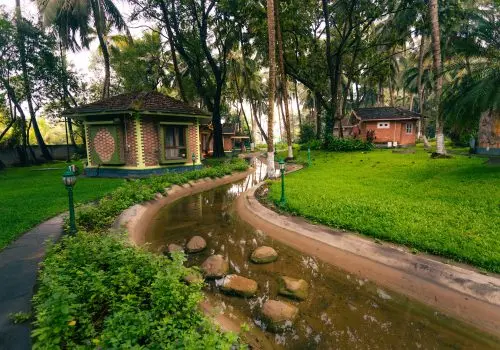
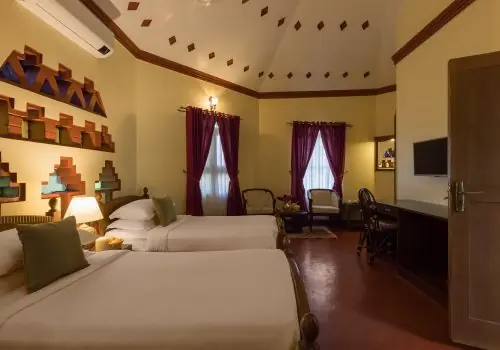
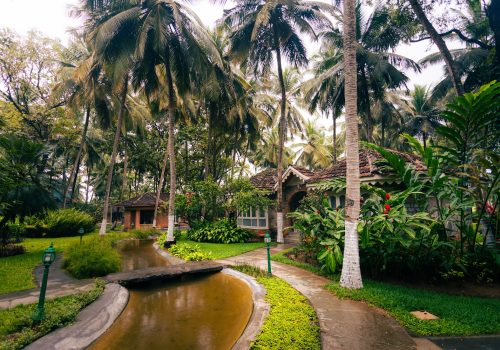
Palakkad offers a noticeably different rhythm from India’s larger cities and many of its coastal tourism centres. The environment allows the day to be organised around consultation, treatment, meals, rest and gentle activity rather than sightseeing or constant entertainment.
That slower pace has a practical purpose. Many guests arrive with routines built around urgency. Meals are eaten between meetings, sleep is shortened, movement is inconsistent, and periods of rest are filled with screens. A retreat cannot erase the consequences of these habits, but it can make them more visible.
When external demands are reduced, people often notice basic patterns more clearly: whether they eat before becoming overly hungry, whether they rely on stimulation to manage fatigue, whether they recognise the difference between rest and distraction, and whether their schedule leaves any room for recovery.
This observation is one of the most useful outcomes of a retreat. It shifts attention from the idea of receiving wellness to the practice of organising daily life differently.
The role of treatment
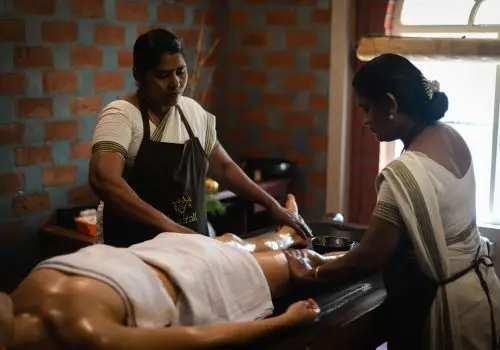
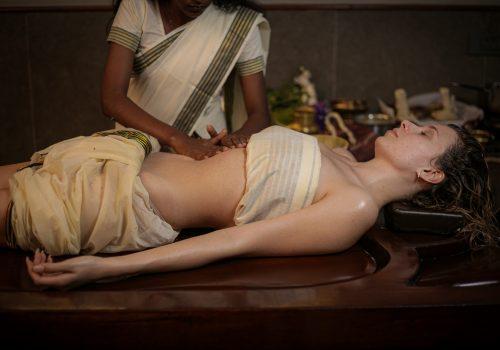
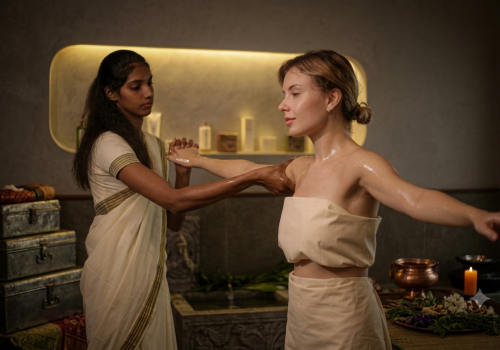
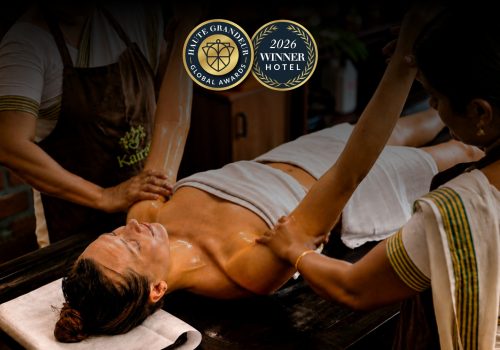
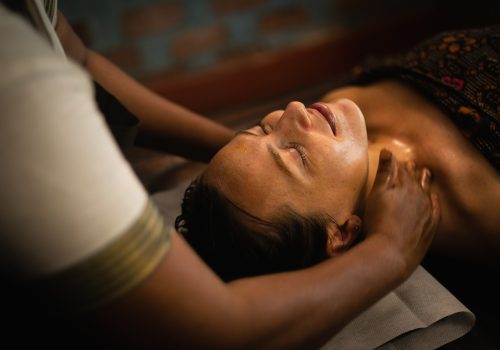
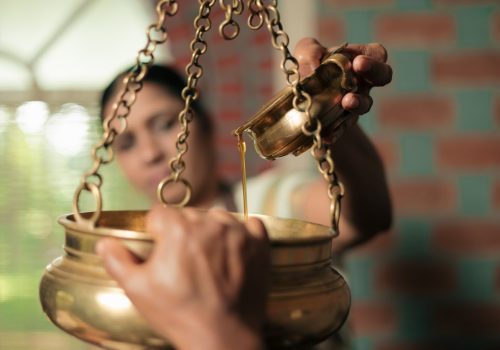
Ayurvedic therapies are often the most recognisable part of a stay. Oil applications, massage-based procedures and Panchakarma treatments are widely photographed and frequently described as relaxation experiences.
Relaxation may be part of the response, but the clinical context matters.
An oil therapy selected by a physician is not simply interchangeable with a spa massage. The choice of oil, the technique, the duration, the timing and the place of the therapy within the wider programme can all vary. A treatment may be appropriate for one guest and unsuitable for another.
This is why the qualification of the practitioner and the standards of the facility deserve attention. KTAHV’s NABH accreditation applies to its work as an Ayurvedic Panchakarma clinic. NABH accreditation is a specific institutional credential; it should not be confused with a general wellness award or an undefined claim of international recognition.
For the traveller, this translates into practical questions worth asking before booking any Ayurveda retreat:
Who conducts the initial consultation? How are treatment decisions made? What medical information should be shared in advance? Are contraindications assessed? How are therapies modified for age, mobility, medication use or existing health concerns? What happens when a treatment is not suitable?
A credible centre should be able to answer these questions directly.
Food as part of the programme
At an Ayurvedic retreat, food is not separate from treatment. It is part of the daily structure.
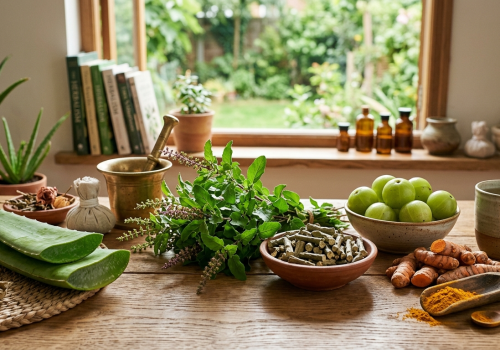
This does not require elaborate dishes or the constant use of medicinal herbs. In many cases, the most useful meals are freshly prepared, moderate in quantity and suited to the person’s digestive capacity. The aim is not deprivation. It is to reduce unnecessary complexity and observe how the body responds to regular mealtimes and simpler combinations.
Ayurveda uses the term agni to describe digestive and metabolic capacity. In practical terms, this directs attention toward appetite, digestion, comfort after meals and the ability to process food consistently.
International guests sometimes arrive expecting an abstract “dosha diet” in which every item is assigned permanently to one body type. Clinical Ayurveda is more contextual than that. Constitution matters, but so do the season, current symptoms, treatment stage, appetite and the person’s response to food.
A retreat kitchen therefore has a demanding role. It must translate a physician’s broader recommendations into meals that are suitable, coherent and enjoyable enough to sustain the guest through the programme.
The lasting lesson is rarely a rigid list of forbidden foods. It is usually a better understanding of timing, portion, preparation and the difference between eating for immediate stimulation and eating for steady nourishment.
Yoga, movement and rest
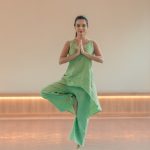
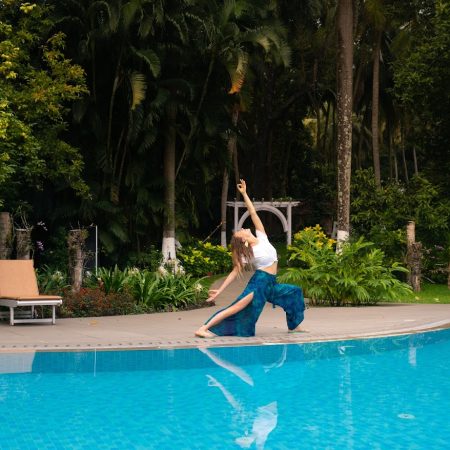
Yoga and meditation are commonly associated with Ayurveda retreats, but they should not be treated as compulsory performance.
The value of movement during a clinical stay depends on appropriateness. A demanding yoga sequence may not suit someone undergoing an intensive programme, managing fatigue or adapting to unfamiliar treatments. In those circumstances, gentler movement, breathing practices or additional rest may be more useful.
This is particularly relevant for guests who arrive with the belief that a wellness retreat should be busy. They may try to maximise every hour through treatments, exercise, workshops and excursions.
Ayurvedic routine often works in the opposite direction. It reduces competing demands so that the body is not asked to process too much at once.
Rest, in this context, is not inactivity for its own sake. It creates room between interventions. It allows the guest to notice changes in appetite, sleep, energy and comfort without immediately overriding them with another activity.
What a retreat cannot promise
A responsible account of Ayurveda must include its limits.
An Ayurvedic retreat cannot guarantee recovery from a medical condition, replace necessary conventional care or produce the same outcome for every guest. It should not be used as a reason to stop prescribed medication or delay medical investigation.
Some guests may feel rested or more aware of their habits after a structured stay. Others may find the routine challenging, particularly if they are accustomed to high levels of stimulation, caffeine, late meals or irregular sleep. Responses vary according to health status, expectations, programme length and what happens after the guest returns home.
There is also a difference between short-term improvement and sustained change. A calm environment can temporarily reduce everyday pressures. The harder work begins when the person returns to the same job, household and social commitments.
The value of a retreat is therefore not measured only by how someone feels on departure. It is measured by whether the experience produces a clearer and more workable approach to daily life.
What to carry home
The most practical outcomes of an Ayurvedic stay are often modest.
A guest may return home with a more regular breakfast, an earlier evening meal or a clearer understanding of which habits disturb sleep. They may create more space between work and bedtime, schedule movement consistently or become more attentive to appetite rather than eating automatically.
None of these changes sounds dramatic. That is precisely why they are more credible.
A retreat can provide the conditions in which a person practises these routines without the usual interruptions. It can also show which recommendations are realistic and which are unlikely to survive outside the retreat environment.
For international travellers considering Kairali – The Ayurvedic Healing Village, the most useful expectation is not instant transformation. It is a physician-led period of observation, treatment and routine within a setting designed for Ayurvedic care.
The experience may change how a person thinks about food, rest and daily structure. Whether that change lasts depends less on the language of transformation and more on what the guest is prepared to continue at home.
Website: www.ktahv.com
Call: +91-9555156156